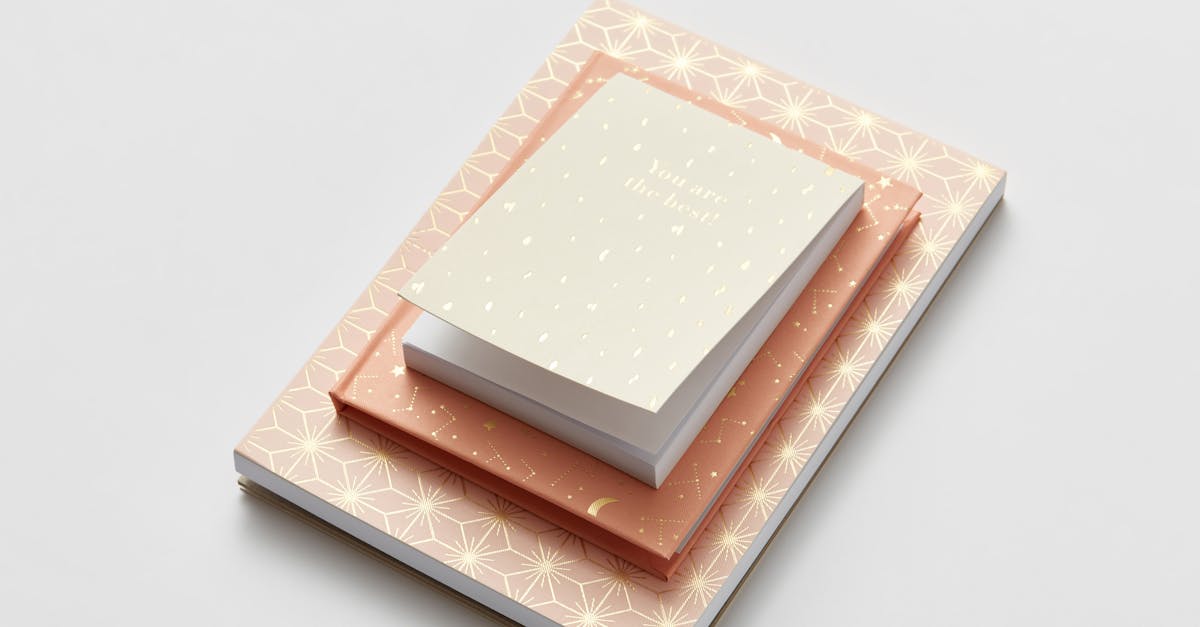
Here's something I notice all the time. A corporate manager gets handed the task of ordering conference giveaways. A school principal wants something small for quick classroom exercises. They all land on the same search: “mini notebooks.” And then it hits them — what does that even mean? Is it a size? A style? And more importantly, where do you get a few thousand of them, reliably, without the quality turning into tissue paper by the time they reach your clients?
You're not looking for a cute stationery blog. You need to know what you're buying, what it's for, and how to get it made. That's what we're doing here. I've been in this industry for decades, and the confusion around something as simple as a small notebook is real. Let's clear it up. If you're a buyer, understanding the basics is the first step to not getting a bad deal.
So, What Exactly is a Mini Notebook?
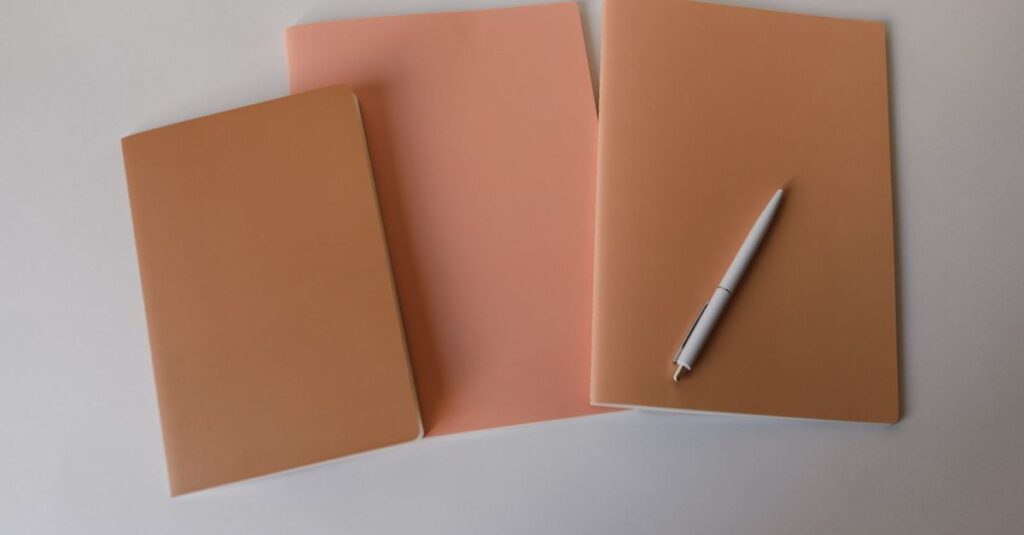
Right. The term itself is the problem. “Mini” isn't a standard size like A4 or A5. It's a commercial term, a category. In the manufacturing world, when you say “mini notebook,” you're usually talking about a notebook that's significantly smaller than the standard writing pads, designed for portability and quick notes. Think of the notebooks you get at hotel receptions, or the little branded ones in corporate gift bags. That's the territory.
But if you walk into a factory and say “make me mini notebooks,” the first question will be: “What dimensions?” Because that decides everything — the paper cutting pattern, the binding machine setup, the cover print area. It's not just about being small. It's about being the right small for the job.
The Most Common Mini Notebook Sizes
Based on what we've produced for years, here are the typical sizes that fall under the “mini” umbrella. This isn't official ISO stuff — this is the reality on the factory floor.
- Pocket Size (A6-ish): Roughly 10.5 cm x 14.8 cm. Fits in a blazer pocket, a handbag. The go-to for corporate freebies.
- Passport Size: Around 9 cm x 13 cm. Even more portable. Perfect for contact info, quick sketches, to-do lists that actually get done.
- Square Mini: Something like 9 cm x 9 cm. Used a lot for creative briefs, product idea jotting. Feels different from a rectangle.
- Ultra-Mini / Memo Pads: As small as 7 cm x 10 cm. These are the tear-off pads you stick on a fridge or a desk. Function over form.
The thing is, you can literally make any size. I had a client once who wanted a notebook shaped like their product — a tiny guitar. Was it a notebook? Technically. Was it a headache to bind? You have no idea. But it worked. The point is, know your size before you start talking to suppliers.
Why Businesses Order Mini Notebooks in Bulk
It's not just because they're cute. There's a hard business logic here that procurement people get immediately. Cost, perception, utility — mini notebooks sit at a sweet spot.
First, the cost per unit is low. When you're ordering 5,000 pieces for a nationwide conference, you can't hand out full-size, 200-page journals. The budget would explode. A well-made mini notebook feels substantial and thoughtful without demolishing your budget. It's a high-perceived-value item.
Second, they get used. A big, fancy notebook can feel too precious. “I'll save it for something important,” and then it never gets used. A mini notebook has zero pressure. People scribble phone numbers, meeting notes, grocery lists in them. Your logo or brand message is in their hand, on their desk, multiple times a day. For months. That's marketing you can't buy with an ad.
And third — and schools know this especially — they're perfect for specific tasks. Spellings for younger kids. Quick math drills. Vocabulary lists. You don't need a full-size book for that. A mini notebook is a focused tool. It's the difference between a Swiss Army knife and a scalpel.
Expert Insight
I was talking to the procurement head for a large insurance company last year. He told me something obvious that most people miss. They switched from USB drives to custom mini notebooks as their primary giveaway. Why? The USBs got tossed in a drawer, forgotten. The notebooks? His sales team reported seeing them on clients' desks during follow-up calls. “It's a functional billboard,” he said. “And it doesn't become obsolete in six months.” The more useful something is, the longer your brand stays in the room. Simple as that.
The Anatomy of a Quality Mini Notebook
This is where bulk buyers get burned. You think you're saving money, and you end up with books that fall apart, with paper that bleeds ink. Let's break down what to look for, from the inside out.
Paper Quality (GSM): This is the biggest tell. For a mini notebook that's actually meant for writing, don't go below 70 GSM paper. The standard cheap stuff is 54-60 GSM — it's translucent, flimsy, and a pen will ghost through to the other side. For a premium feel, 80-100 GSM is gorgeous, but the cost jumps. Decide based on use. A quick memo pad can be 70. A branded corporate gift should be 80, minimum.
Binding: The spine is where cheap manufacturing fails. You have three main types for minis:
- Perfect Binding: The pages are glued at the spine. Looks clean and professional. Good for square-backed books. Can crack if you force it flat.
- Saddle Stitching: Stapled through the center fold. Classic, reliable, and lays flat. What you see on most smaller notebooks. My default recommendation for under 96 pages.
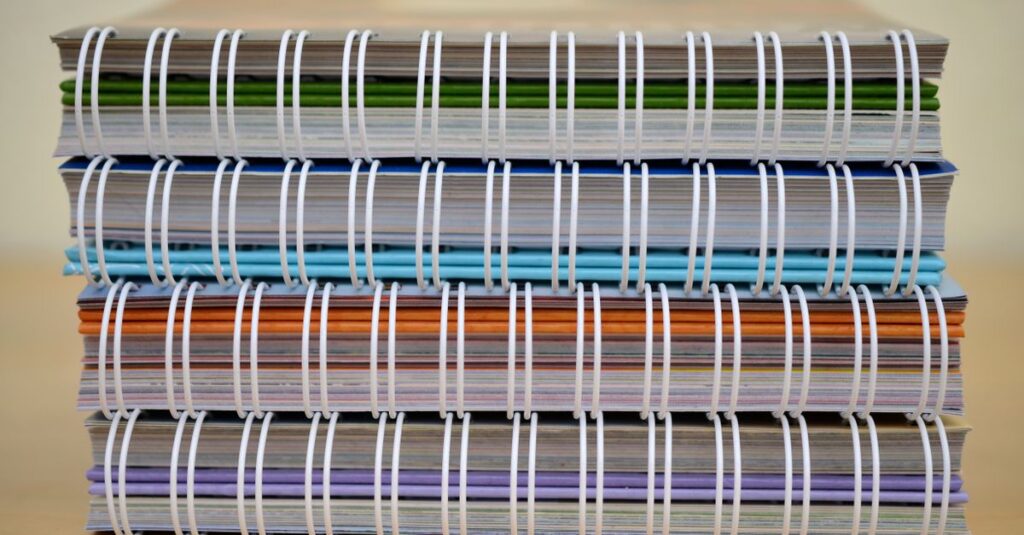
- Spiral Binding: Metal or plastic coil. Lays perfectly flat, 360 degrees. More expensive, but supremely functional for recipe books or project planners.
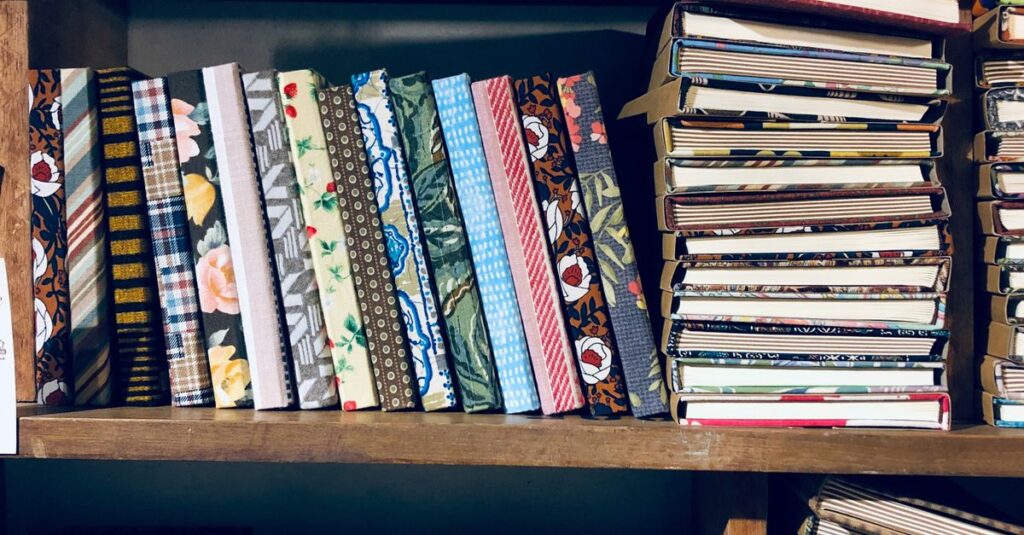
Cover: 250-300 GSM art card is standard. For a luxurious touch, soft-touch laminate or spot UV coating makes a massive difference. The cover is the first impression. Don't cheap out here.
I've seen orders where the buyer focused only on the unit price and ended up with a product that embarrassed them. The factory saved money on glue. The pages started detaching in week two. It's a false economy.
Mini Notebooks vs. Standard Notebooks: A Procurement View
| Factor | Mini Notebooks | Standard Notebooks (A5/A4) |
|---|---|---|
| Primary Use Case | Portable notes, giveaways, specific tasks, branding. | General writing, study notes, official records, project documentation. |
| Cost Per Unit (Bulk) | Significantly lower. Less material, lower shipping cost. | Higher. More paper, heavier, more expensive to ship. |
| Customization Impact | High. Logo/design dominates the small cover. Big visual punch. | Design is one element on a larger canvas. More subtle. |
| Perceived Value in Gifting | High. Seen as thoughtful, useful, and stylish. | Can be seen as generic or too utilitarian if not premium. |
| Ideal Order Quantity | 1,000 to 50,000+ units for events and campaigns. | 100 to 5,000 units for institutional supply (schools, offices). |
| Production Lead Time | Often shorter. Smaller size can mean faster binding/packing. | Can be longer, especially for complex binding (hardcover). |
The choice isn't about which is better. It's about which solves your specific problem. Are you equipping a sales team or gifting to potential clients? Mini. Are you supplying a full school grade for a year? Standard. If your goal is branding on a budget with high frequency of use, the mini notebook is your workhorse.
Real-World Use Cases: Who Needs Them and Why
Let me give you a real example — not a case study, just something that happened. Anuj, 38, runs marketing for a fintech startup in Bangalore. They were launching a new app. They needed something to hand out at tech meetups that wouldn't be thrown away. USB drives? Cliché. T-shirts? Sizing issues. They went with a custom mini notebook (passport size, 80 GSM paper, soft-touch cover) with their app's mascot and a simple “Track Your Goals” tagline. The cost was a third of their other options. Six months later, they were getting social media posts from users showing their notebook filled with savings goals. That's a direct line from giveaway to engagement.
Beyond marketing, the institutional use is massive:
- Schools: For younger grades, mini books are less intimidating. Perfect for weekly spelling tests or handwriting practice.
- Hotels & Hospitality: Placed by the phone or bedside. Functional, and a subtle brand reminder.
- Corporate Training: Handouts for workshops. People take notes in them, keep them, refer back.
- Retail & Promotions: Bundle a mini notebook with a purchase. It feels like a premium add-on, not a cheap flyer.
The thread through all of this? Utility. If it's useful, it stays. If it stays, your brand or institution stays in the conversation.
How to Source Custom Mini Notebooks: A Buyer's Checklist
Okay, you're convinced. How do you actually get this done without the process giving you an ulcer? Here's the straightforward list I wish every buyer had.
- Define Your Specs: Don't say “mini.” Say: “I need 5,000 units, passport size (9×13 cm), 96 pages of 80 GSM paper, saddle stitched, with a 300 GSM laminated cover.” Clarity prevents a thousand emails.
- Ask for Physical Samples: Never, ever approve a design based on a PDF mockup. Colors print differently. Paper feels different. A reputable manufacturer will send a ‘dummy’ sample for approval before the full run.
- Check the Binding: In the sample, open the book flat. Does the spine crack or the glue squeak? Bend it back a little. It should be resilient.
- Inquire About Packaging: Are the notebooks shipped bulk in a box, or individually poly-wrapped? This affects presentation and unit cost.
- Understand the Timeline: Ask for a breakdown: design proof (X days), sample production (Y days), mass production (Z days), shipping. Pad this timeline. Things happen.
And look — the cheapest quote is usually the cheapest for a reason. Maybe they're using leftover paper stock. Maybe their glue isn't great. Your mini notebook is a representative of your company or school. Its quality reflects on you. Find a partner, not just a vendor. Someone who will tell you, “For that use, I'd actually suggest a thicker cover,” even if it costs a bit more. That's the relationship you want. That's how you get a product that doesn't disappoint.
Frequently Asked Questions
What is the most popular size for a mini notebook?
The pocket-sized A6 (about 10.5 x 14.8 cm) is probably the most common. It hits the right balance between being genuinely portable and having enough writing space for practical use. It's the default for a reason.
How many pages should a good mini notebook have?
It depends on the binding. For a sturdy saddle-stitched book, 64 to 96 pages is the sweet spot. More than that, and the spine gets too thick for the staples to hold securely. For spiral or perfect binding, you can go to 120 or even 160 pages.
Can you print full color on mini notebook covers?
Absolutely. In fact, that's where the mini format shines. Offset or digital printing allows for vibrant, full-color designs, photos, or complex logos. The small size means your branding gets center stage with no competing empty space.
What's the minimum order quantity for custom mini notebooks?
This varies wildly. For a standard design with just your logo, many manufacturers (like us) can start at 500 pieces. For a fully custom design with unique sizes and paper, the MOQ is usually 1,000 to 2,000 units to make the setup cost worthwhile.
Are mini notebooks suitable for student use?
Yes, but for specific purposes. They're excellent for subject-specific notes, vocabulary lists, or quick practice work. They're less ideal as a primary notebook for a whole term. For bulk school supply, they work best as supplementary materials.
The Bottom Line on Mini Notebooks
At the end of all this — and I see it every day — the success of a mini notebook order comes down to aligning three things: your goal, the specifications, and the right manufacturer. It's a deceptively simple product. But that simplicity means every detail, from paper weight to glue quality, matters.
If you want something cheap that'll be thrown away, lots of people can do that. If you want a functional, quality product that carries your message for months, that's a different conversation. It's about understanding that this little object is a touchpoint, a small piece of utility you're putting into someone's daily life. Get it right, and it works for you silently, constantly. Get it wrong, and it's just more clutter.
I don't think there's one perfect mini notebook. The perfect one is the one that solves your specific problem without falling apart. If you've read this far, you're probably past the “what is it” stage and into the “how do I get good ones” stage. That's the right place to be. The next step is just a conversation about your specs.