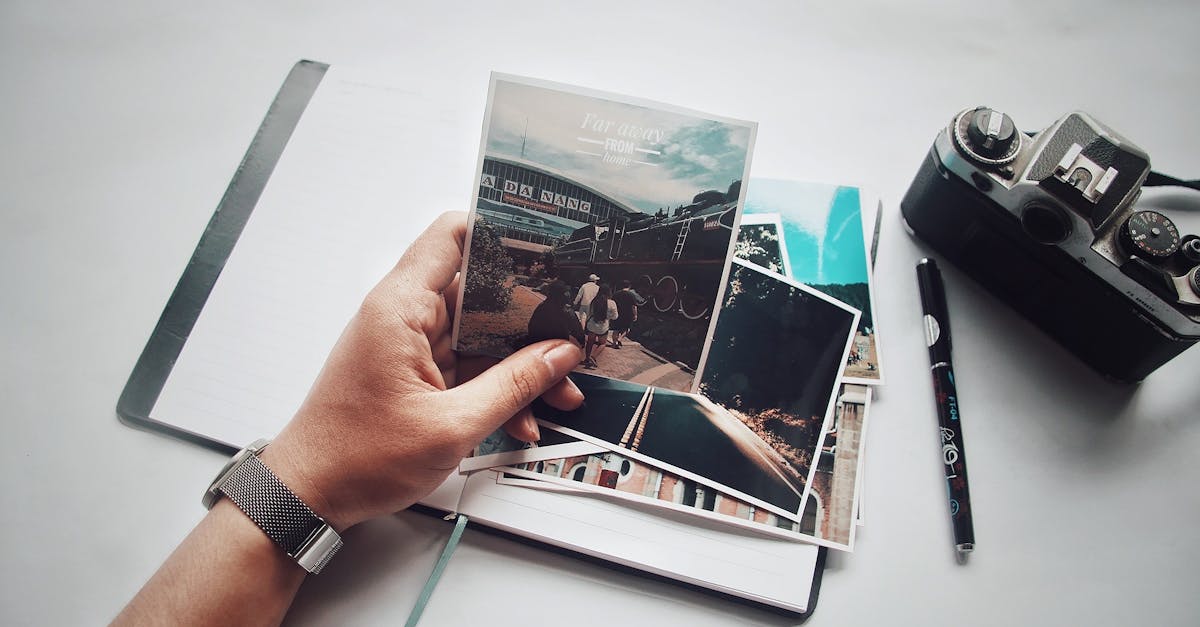
Right. Let's talk about the phrase "notebook for photos." Because when a procurement manager or a business owner types that into Google, they're not just looking for a pretty book. They're trying to solve a problem they can't quite articulate yet. They need something that holds images, sure. But the real question they're asking is: "How do I get this thing made without it falling apart, looking cheap, or costing me a fortune?" The search is practical, but the anxiety underneath is all about quality and trust. You're ordering hundreds, maybe thousands, of these. It's not a stationery whim; it's a project. And if you're reading this because you're in that spot, this might be worth a look.
What They Really Mean By "Notebook for Photos"
Here's the thing — nobody in the manufacturing industry actually calls it a "photo notebook." That's a user term, a search term. What you're actually looking for is a custom-printed notebook or album, where the primary content on the pages is photographic. The intent splits into a few clear lanes. Sometimes it's a corporate gift: a sleek album of company event photos for clients. Other times, it's a school yearbook or a memory book. Or, it could be a product catalog for a boutique, where every page is a high-gloss product shot. The common thread? The paper has to be different. You can't put photos on standard 54 GSM writing paper and expect it to look like anything other than a bad photocopy. The search for "notebook for photos" is, at its heart, a search for the right paper and the right binding to make those images sing. And most suppliers don't get that nuance.
The Paper is Everything (No, Really)
If you get the paper wrong, nothing else matters. That's not an exaggeration. I've seen too many orders where a company wanted a premium photo album and the manufacturer just used a thicker version of their standard notebook paper. The colors muted. The details got lost. It was a total waste. For photos, you're typically talking about coated paper. This has a smooth, often slightly shiny layer that keeps the ink sitting on top, giving you sharp dots and vibrant color. Think of it like the difference between spilling water on a t-shirt versus a raincoat. Uncoated paper (like your everyday notebook) absorbs; coated paper resists. The GSM (grams per square meter) matters, but the type matters more. You could have a 120 GSM uncoated paper that feels substantial but still soaks up ink like a sponge, and an 80 GSM coated paper that gives you a perfect, crisp image. The question isn't just about thickness. It's about suitability.
Expert Insight
I was talking to a print buyer for a hotel chain last month — over a very rushed coffee — and she said something obvious that most people miss. She said, "We test. We always get a physical dummy sample before we approve a run of 5000 conference albums. If the manufacturer acts like that's a hassle, we walk away." The line that stuck with me was about trust. The more expensive the project feels, the less margin for error there is on something as basic as paper choice. I don't have a cleaner way to put it than that. You can't judge this on a PDF spec sheet.
Binding: What Holds Your Memories Together
Alright, paper sorted. Now, how do you hold it all together? This is where the "notebook" part of "notebook for photos" gets real. You have options, and each one sends a different message. Perfect binding (like a paperback book) gives you a clean, square spine. You can print the title on it. It looks professional, sits flat on a shelf. This is great for corporate annual reports or high-end catalogs. Spiral binding (wire-o or plastic coil) lets the book lay completely flat, which is fantastic for a scrapbook or a portfolio where you want to see the whole spread. But it feels less formal. Then there's stitched binding (saddle-stitched). Good for thinner books, less than about 92 pages. Cheaper. But for a thick photo album? It'll bulge. The binding isn't just about function; it's about feel and perceived value. A poorly bound photo book feels sad, like a promise not kept.
A Quick Comparison: Standard Notebook vs. Photo-Optimized Notebook
| Feature | Standard School/Office Notebook | Notebook Optimized for Photos |
|---|---|---|
| Primary Paper Type | Uncoated writing paper (54-70 GSM) | Coated art paper or gloss/matte photo paper (100-200+ GSM) |
| Ink Absorption | High – ink soaks in, lines can feather | Low – ink sits on surface for sharp dots |
| Printing Method | Often offset for text/rulings | Requires high-quality offset or digital photo printing |
| Binding Priority | Durability for writing, lie-flat for use | Lay-flat for viewing spreads, premium spine appearance |
| Typical Use Case | Notetaking, accounts, student exercises | Portfolios, catalogs, yearbooks, corporate gift albums |
| Cost Driver | Page count, ruling complexity | Paper quality, color printing coverage, special binding |
The Real-Life Order: When Theory Meets a Deadline
Let me give you a picture. Not a hypothetical. Say there's Priya, 38, marketing manager for a mid-sized architecture firm in Hyderabad. She needs 200 client gifts by December 10th. They're custom notebooks, but the first 20 pages are full-color photos of their award-winning projects. Her brief says "premium feel." Her budget is tight. Her vendor sends a quote for a standard long notebook with "color pages." She doesn't know to ask for coated paper. She doesn't think about the spine thickness changing with heavier stock. The sample comes. The photos look washed out. The book won't stay open. Panic. This is the moment — the gap between what you search for and what you actually need to specify. It's Tuesday, I think. Maybe Wednesday. And the clock is ticking. Anyway.
How to Talk to a Manufacturer (So You Get What You Want)
Look, I'll be direct. If you call a notebook factory and just ask for a "notebook for photos," you're starting a long, potentially frustrating conversation. You need to speak their language. Come prepared with these specifics: 1) Size (King Size, A4, etc.). 2) Page count (and how many of those will be full-color photo pages). 3) Paper spec for the photo pages: ask for "coated art paper" and give a target GSM (start with 130-150 for a good balance). 4) Binding type: "perfect binding for a square spine" or "lay-flat spiral binding." 5) Cover material: hardcover for premium, soft-touch laminate for modern. Having even rough answers here separates you from the tire-kickers and tells the manufacturer you're serious. It also means they can give you an accurate quote instead of a vague guess. This is how you avoid the Priya-panic.
Why Bulk Makes Sense (Even For "Premium" Items)
I think a lot of buyers assume that because it's a photo-heavy, premium product, it doesn't follow the rules of bulk manufacturing. That's wrong. In fact, the economics make more sense in bulk. The setup costs for printing — preparing the plates, calibrating the machine for that specific coated paper — are fixed. Whether you print 100 or 10,000, that cost is the same. Spread over 10,000 books, it's pennies. Spread over 100, it dominates the unit price. This is the hidden benefit of working with an actual manufacturer for larger orders (think 500+), not just a printer who does one-off photo books. The per-unit cost drops dramatically. And consistency improves. Book 1 and book 5000 will be identical. For corporate branding, that consistency isn't a bonus; it's a requirement. So if you need volume, lean into it. It's your biggest lever for quality at a sane price. Custom printing at scale is where the value is.
Frequently Asked Questions
What is the best paper for a photo notebook?
For color fidelity and a professional look, you want coated paper. A glossy finish gives vibrant pop, while a matte coating feels more artistic and reduces glare. Aim for 130-170 GSM for a substantial feel that doesn't make the book too bulky.
Can you print photos on both sides of the page?
Yes, absolutely — it's standard. The key is using paper thick enough to prevent "show-through," where the image on the back side ghosts through to the front. That's another reason why heavier, coated paper is non-negotiable for dual-sided photo printing.
What's the minimum order quantity for a custom photo notebook?
It varies, but for a commercially viable unit price using proper offset printing, most serious manufacturers will have an MOQ of 500 pieces. For smaller runs using digital printing, you might find options for 100-200, but the per-book cost will be significantly higher.
How long does it take to manufacture bulk photo notebooks?
From final file approval, expect 4-6 weeks for a bulk order (2000+ units). This includes paper sourcing, printing, binding, and quality checks. Always build in extra time for physical sample approval before the full run starts.
Can the cover be custom too?
Of course. The cover is your biggest branding opportunity. You can do custom printed designs, embossing, debossing, spot UV (shiny highlights), or use special materials like leatherette. Just discuss these options early, as they add time and cost.
Wrapping This Up
So, a "notebook for photos" isn't really a product you buy off a shelf. It's a product you specify and have made. The journey starts with understanding that the core requirements — coated paper, precise binding, heavy-duty covers — are different from a standard notebook. It's about moving from a vague idea to a concrete spec sheet: size, page count, paper type, binding method. Get those right, and you turn an anxiety-inducing procurement task into a smooth, successful project that delivers exactly what you envisioned. The magic isn't in the search term; it's in the translation of that term into manufacturing language. I don't think there's one perfect answer for every project. Probably there isn't. But if you've read this far, you're not just browsing — you're figuring out how to execute. And that's the hardest part. Sometimes, talking it through with someone who makes these all day helps.