You Just Typed That Search. Here’s What Comes Next.
Let me guess. You’re staring at a screen. Procurement report on one monitor, last year’s stationery budget on another. You need notebooks. A lot of them. For a school term, a corporate giveaway, a new franchise rollout. Your cursor blinks in the search bar, and you type: notebook manufacturers near me.
It feels straightforward. Find someone close, get a quote, send the PO, done. But if you’ve done this more than once, you know it’s never that simple. That search term is a wish, not a plan. You’re not just looking for a factory on a map; you’re looking for reliability, quality control, and someone who won’t ghost you after the deposit. You’re looking to solve a problem without creating three new ones. I talk to people in your shoes every single week. The story is always the same.
If you’re weighing up local suppliers, this is worth a glance.
What “Near Me” Really Means in This Business
Look, ‘near me’ is relative. In notebook manufacturing, ‘near’ isn’t just about driving distance. It’s about logistics ease, communication lines, and the ability to drop in when things get tense. A plant two states over with a dedicated account manager and overnight trucking routes can feel ‘nearer’ than a workshop across town that never answers the phone.
Here’s what you’re actually evaluating:
- Proximity for Sampling & QC: Can you get a physical sample couriered in a day? Can your team visit the plant to check paper stock or binding before the full run?
- Local Market Understanding: Does the manufacturer know what ruling schools in your district prefer? The standard GSM for corporate diaries your clients expect?
- Supply Chain Resilience: ‘Near me’ often means shared regional suppliers. If there’s a local paper shortage, you both feel it – but you can also solve it together faster.
The real question isn’t about geography. It’s about friction. How much friction exists between your need and the finished product arriving at your warehouse? ‘Near me’ should mean low friction.
A Quick, Real Story.
Anita, a procurement manager for a chain of coaching institutes in Hyderabad, told me this last month. She’d sourced from a ‘near me’ manufacturer – literally in the same industrial estate. The price was right. But when the first shipment of 10,000 notebooks arrived, the stitching was coming apart on 30% of them. She drove over. The gate was locked. Phone disconnected. The ‘near me’ advantage evaporated because the trust wasn’t there. Proximity without accountability is just convenience, and convenience is a terrible foundation for a bulk order.
Anyway. The point is, you start with location, but you stay for the process.
The Anatomy of a Good Local Notebook Factory
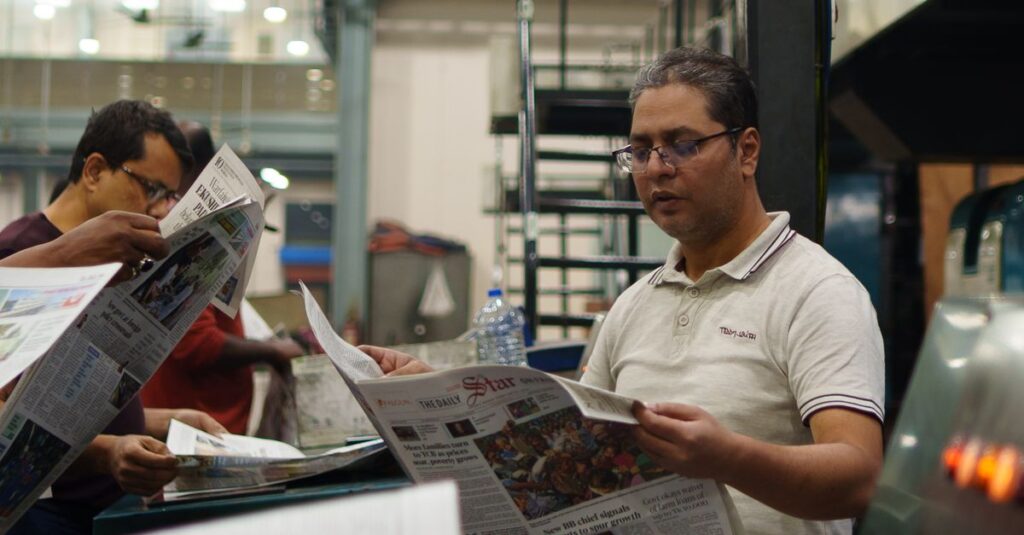
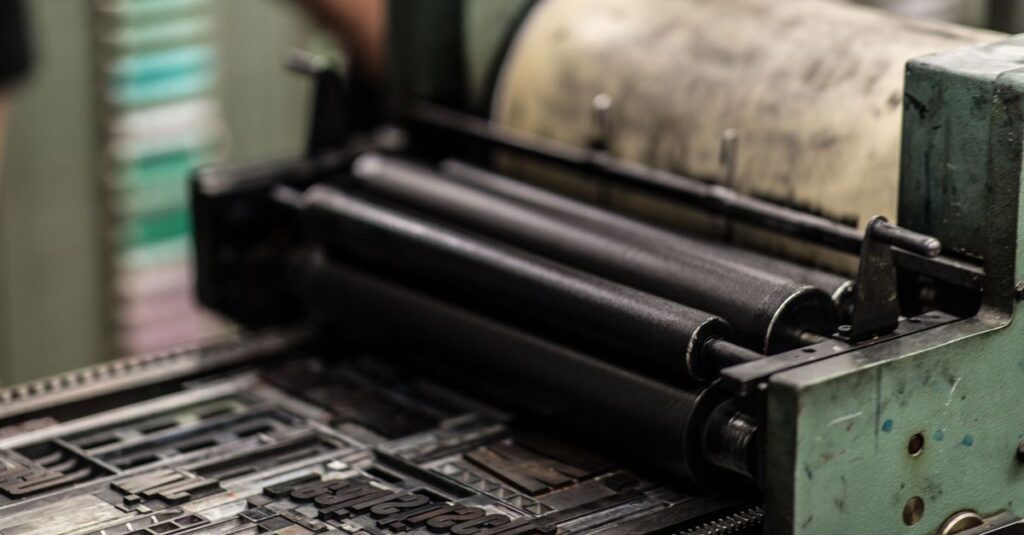
When you peel back the roof of a decent notebook manufacturing unit, what should you see? It’s not just machines and paper stacks. After forty years in Rajahmundry, I can tell you it’s a rhythm. It’s the sound of a perfect bind being trimmed, the smell of fresh ink drying, the organized chaos of a dispatch bay loading a 20-ton truck. If you’re visiting a potential supplier, look past the brochure.
Three things tell you more than any sales pitch:
- The Paper Store: Is the raw paper stock stacked neatly, protected from humidity? Is it from known mills? Good paper isn’t just about GSM; it’s about provenance. Warped, dusty sheets are a red flag.
- The Binding Line: Watch for five minutes. Are the machines maintained? Is the operator checking every 50th notebook or so? Is there a reject pile with clear reasons noted? This is where your product’s lifespan is decided.
- The Finished Goods Godown: How are the pallets packed? Stretch-wrapped? Labeled clearly? A clean, organized dispatch area suggests a clean, organized process upstream.
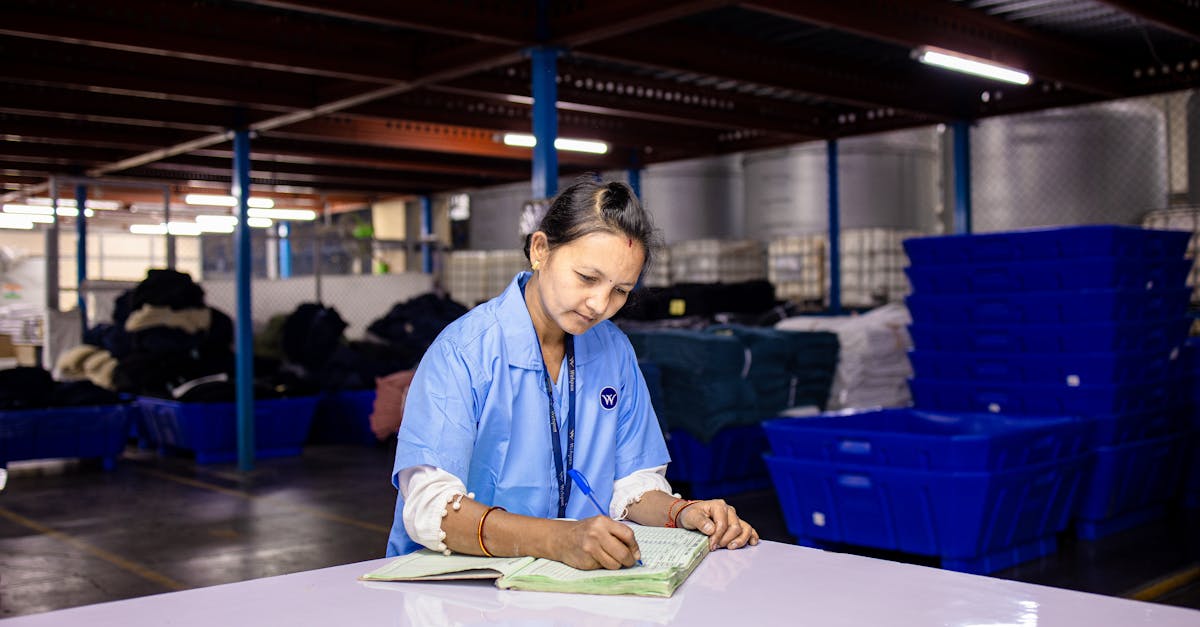
I think about our own factory floor a lot. The biggest shift we ever made wasn’t buying a new machine; it was putting a whiteboard at the end of each line. The team leader notes down every tiny issue – ‘glue pot temperature fluctuating,’ ‘ruling print faint on batch #3’ – as it happens. It’s not sexy. But it means that when a procurement manager like you calls, we aren’t guessing. We know. That’s the kind of ‘near me’ you want. Transparency you can touch.
The Make-or-Break Questions You Have to Ask
Alright, you’ve shortlisted a couple of ‘notebook manufacturers near me.’ The call is scheduled. Don’t just ask for a price list. Everyone has a price list. Dig deeper. The answers to these questions will save you months of headache.
- “Can I see a production schedule for a similar past order?” This tells you if they’re realistic about timelines. If they promise 50,000 notebooks in a week for an order they’ve never seen, walk away.
- “What’s your policy on paper substitution?” Prices fluctuate. A reputable manufacturer will have a clause – and will communicate with you – if the agreed-upon paper brand isn’t available. A dodgy one will just switch it and hope you don’t notice.
- “Who is my single point of contact if there’s a printing error at 11 PM?” You need a name, a direct number. Not a generic ‘support’ email. Bulk manufacturing has crises. You need the firefighter’s number, not the station’s address.
- “What does your quality check involve, and can I add one extra checkpoint?” Their answer reveals their confidence. Most good plants will let you specify an additional check – like a more rigid spine-stress test – for a minor fee.
And honestly? The way they react to these questions is the answer. Are they annoyed? Defensive? Or do they say, “Good question. Let me show you how we handle that.” The latter is your partner. The former is just a vendor.
The Hidden Trade-off: Local vs. Scale
This is the part nobody says out loud. Often, the hyper-local, small-batch ‘manufacturer near you’ is a printing unit with a binding machine. They’re fantastic for 500 custom diaries. They might struggle with 50,000 school notebooks with a tight deadline. Conversely, the large-scale national player can handle the volume but might treat your 10,000-unit order as a rounding error.
You’re looking for the sweet spot. A manufacturer with enough scale to be reliable and professional, but not so massive that you become account #734. This is where regional manufacturers, like those in India’s traditional printing hubs (Rajahmundry is one, Sivakasi another), often fit perfectly. We have the capacity – we’re talking 30-40k notebooks a day here – but the ownership is still on the floor, not in a boardroom 1000 miles away.
The question isn’t just ‘who is closest?’ It’s ‘who is closest to my needs?’
| Factor | Very Local, Small Unit | Regional, Established Manufacturer |
|---|---|---|
| Order Flexibility | High – can do tiny, hyper-custom runs. | Moderate – best for batches of 5k+. |
| Pricing on Bulk | Often higher per unit due to lower scale. | More competitive due to volume buying of paper/ink. |
| Quality Consistency | Can vary batch-to-batch. | Process-driven, more consistent. |
| Problem Response Time | Potentially fast, if they answer. | Structured, with dedicated channels. |
| Capacity for Deadlines | Risk of overcommitment. | Easier to schedule and guarantee. |
| Long-term Reliability | Depends entirely on the owner’s health/circumstances. | Business continuity is part of the structure. |
See what I mean? It’s not about good vs. bad. It’s about fit.
Expert Insight
I was reading an industry report a while back – one of those dry, expensive ones – and a single line stuck with me. It said that for bulk buyers, the total cost of a notebook order isn’t the unit price. It’s the unit price plus the cost of delays, plus the cost of replacements for defective stock, plus the managerial time spent chasing the supplier. The report called it ‘Total Cost of Ownership,’ but I just call it the headache quotient. A manufacturer might quote you ₹2 more per notebook. But if they deliver perfect stock on time, every time, they’re cheaper than the guy quoting ₹2 less who causes two weeks of panic and three pallets of returns. I don’t have a cleaner way to put it than that. You’re buying peace of mind as much as you’re buying paper.
Making the Decision: It’s Not Just a Purchase, It’s a Partnership
So you’ve done the calls, maybe a visit or two. You’ve got quotes. Now you’re staring at the numbers, trying to decide. Let me give you a different lens. Don’t think of this as picking a supplier. Think of it as choosing a production partner for the next year, maybe five. Are these the people you want to be talking to when the principal suddenly wants the school logo embossed instead of printed? When your corporate client asks if you can do a rush order for a conference?
The right ‘notebook manufacturer near you’ becomes an extension of your team. They should make you look good. Their reliability becomes your reliability. Their quality becomes your brand’s reputation. That’s the real thing you’re sourcing. You’re not just buying notebooks. You’re buying a chunk of your own future sanity.
And if you’re looking for that kind of partner, especially for institutional or corporate volumes, seeing how a place like ours handles it might clarify things.
Frequently Asked Questions
What should I look for in a notebook manufacturer near me?
Look beyond the price. Check their production capacity versus your order size. Ask about their paper sourcing and quality control process. See if they can provide references from similar clients (like schools or other businesses). Most importantly, gauge their communication – are they proactive and clear, or do you have to chase for every detail?
Is it cheaper to source notebooks locally?
Often, but not always. Local can save on freight costs and simplify logistics. However, if the local unit is small, their per-unit production cost might be higher than a larger regional manufacturer. The real saving is in reduced complexity, faster problem-solving, and lower risk of communication gaps.
How far in advance should I place a bulk notebook order?
For a standard order (like 10,000 ruled notebooks), a lead time of 4-6 weeks is comfortable and allows for proper production scheduling. For complex custom jobs (special covers, unique rulings, foil stamping), start talking to manufacturers 8-12 weeks out. Rush jobs are possible, but they cost more and increase the risk of errors.
Can I get samples before placing a large order?
Any reputable notebook manufacturer should provide physical samples of their standard products for free. For a custom job, they’ll typically produce a ‘pre-production sample’ once the design is finalized, often for a small fee that’s usually deducted from the final invoice. Never place a large order without seeing and approving a physical sample.
What is the minimum order quantity (MOQ) for custom notebooks?
This varies wildly. Small local print shops might have an MOQ as low as 100-500 pieces for simple customization. Larger manufacturers focused on efficiency might set an MOQ of 2,000 to 5,000 notebooks for a custom run. Always ask upfront – it’s one of the first filters for whether a manufacturer is the right fit for your project size.
The Short Version
‘Notebook manufacturers near me’ is a starting point, not the finish line. The goal is to find a partner who understands that your order isn’t just a transaction; it’s a critical piece of your operation. It’s about predictable quality, clear communication, and someone who answers the phone. The right choice doesn’t just fill a warehouse; it lets you sleep at night. And in this business, that’s the real product you’re buying.
If you’ve read this far, you’re probably past just shopping for prices. You’re looking for a solution that sticks. Sometimes, a direct conversation is the fastest way to see if there’s a fit.