Look, let's be honest about notebooks
You're probably buying them for an entire school or a company, right? And when someone in procurement says “spiral binding,” the conversation usually goes two ways. Either it's just a spec on a list, or it's a vague memory of a college notebook that fell apart. But if you're ordering thousands of them, that little metal or plastic coil becomes the single most important part of the notebook. It's the difference between a product that gets used and one that gets complained about. I've been in this business for over four decades, and I can tell you — nine times out of ten, the binding is where bulk buyers make their first big mistake. They focus on the cover design or the paper GSM and treat the binding like an afterthought. Big mistake.
If you need notebooks that can actually survive a school year or a full project cycle, this is where you start. Not with the pretty cover.
What spiral binding actually is (it's not just a coil)
Right. So everyone pictures the coil. But that's just the final piece. The whole process is called double-loop wire binding in the trade. Here's how it actually works, and why it matters for your order.
The machine punches a series of closely spaced square holes along the spine of the stacked, trimmed pages and cover. Then, a pre-formed metal or plastic wire, shaped like a long spring, is threaded through those holes. A closing machine then crimps the ends of the wire so it can't slide out. That's it. Sounds simple. The magic — and the headache — is in the details.
The wire gauge (its thickness), the pitch (the space between the coils), and the hole pattern have to be perfect. If the holes are misaligned by half a millimeter, the pages won't turn smoothly. If the wire is too thin, it bends under the weight of the pages. If the closing isn't tight, the whole thing unravels. I've seen notebooks from other factories where the coil just… walks itself out of the holes after a few weeks. It's embarrassing for them, and a nightmare for the school that bought them.
A Tuesday in Rajahmundry
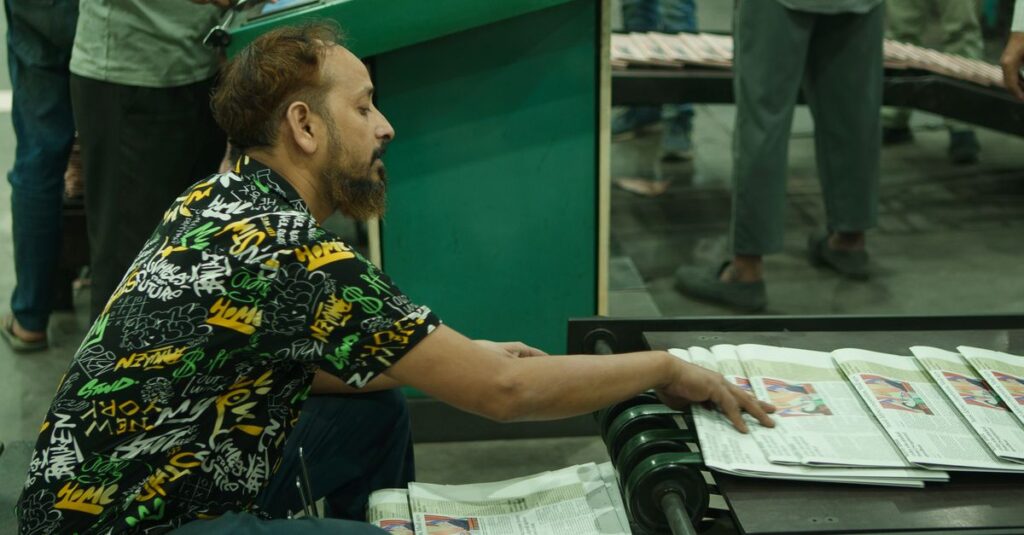
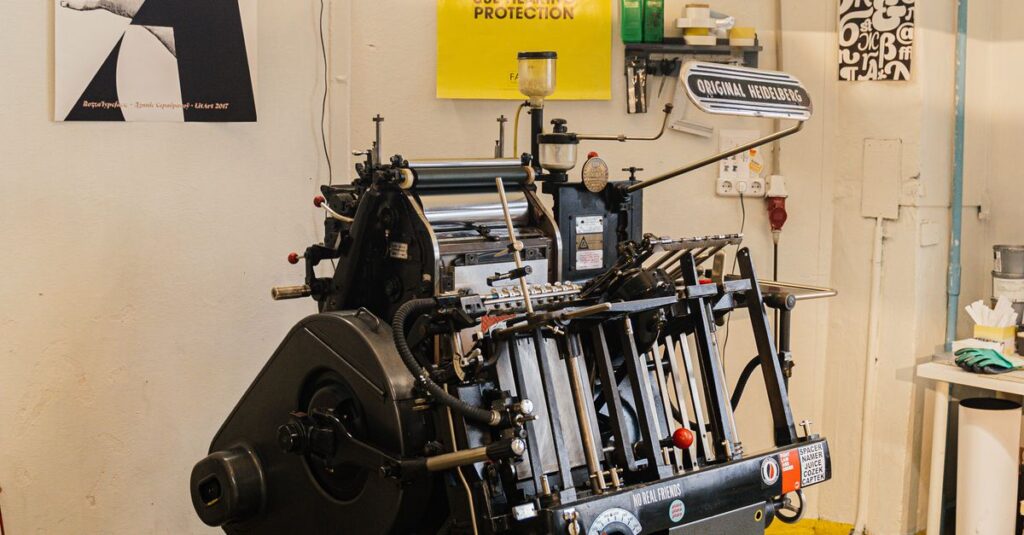
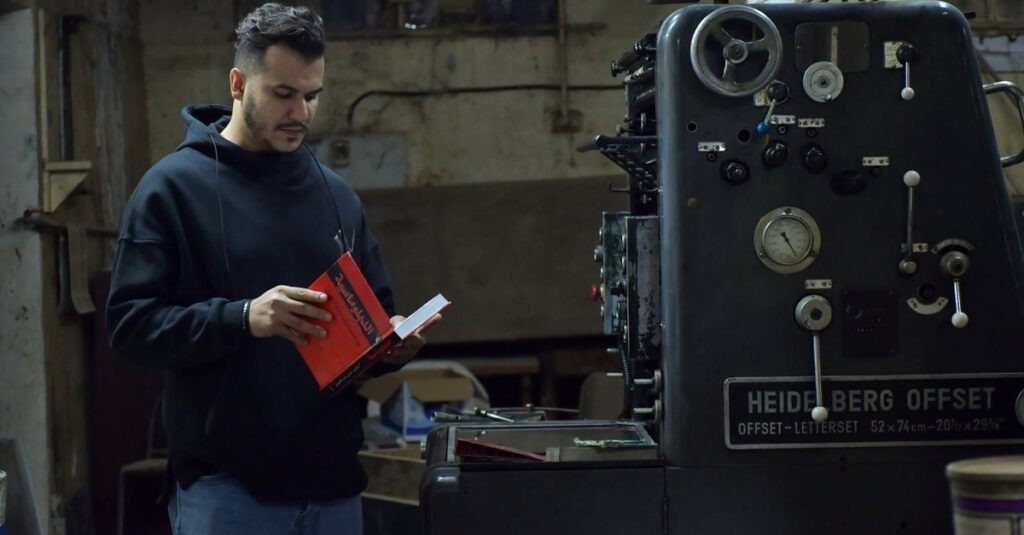
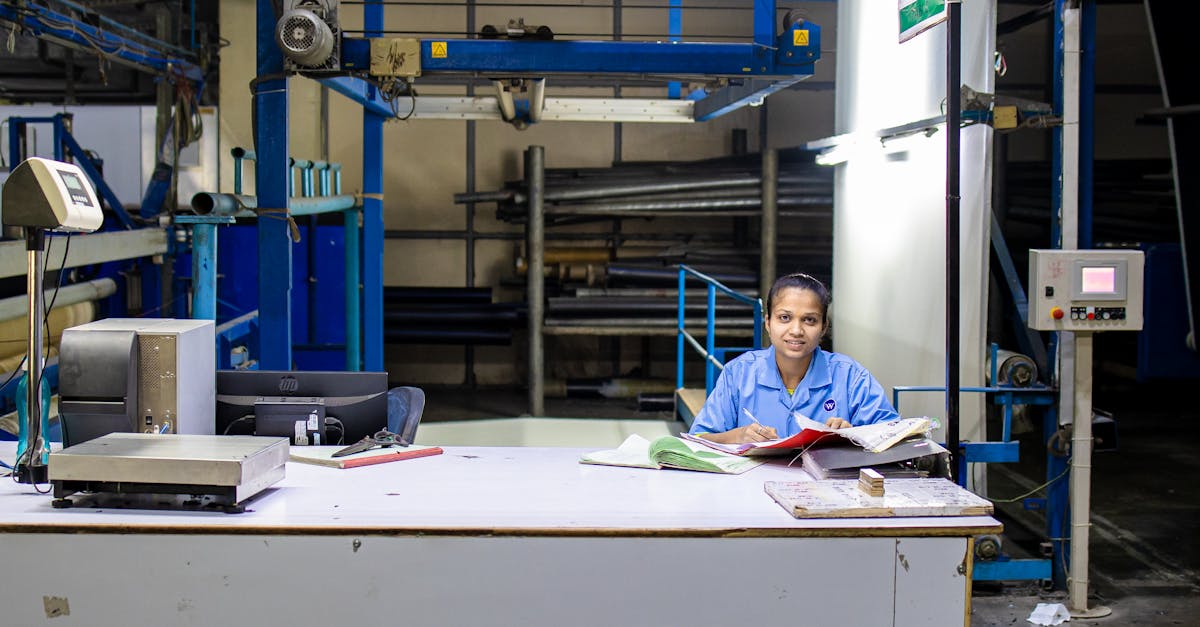
I was at the factory last Tuesday — maybe Wednesday — checking on a 10,000-piece order for a college in Hyderabad. The sound in the binding section is rhythmic. Punch-thud, spin-whirr, crimp-clunk. The operator, Ravi, has been doing this for twenty years. He can tell by the sound if the punch is dull or if the wire feeder is jammed. He pointed to a stack. “See this? The cover stock is too thick for this wire gauge. It'll strain the coil.” He was right. We switched to a heavier wire. That kind of thing doesn't show up in a catalog spec sheet. It shows up six months later when the notebook fails. This is the part nobody talks about when you just send an email asking for a quote on “spiral bound notebooks.” The build matters more than the price per piece.
Why spiral beats stitched or glued for bulk use
Schools and offices don't need fancy. They need functional. And for laying a notebook completely flat, spiral binding is the only real option. Think about a student copying from the board or an engineer sketching a diagram. They need the page to be flat. A stitched notebook fights you. A perfect-bound notebook (that glued spine you see on cheap diaries) cracks and sheds pages.
A spiral notebook just… opens. It lies flat on any page. You can fold it completely back on itself. This seems like a small thing until you've watched 500 students struggle with a book that won't stay open. The utility is the whole point.
And then there's durability. A well-made spiral binding can handle 700 pages of 70 GSM paper. I've seen account books with spirals that get hauled around construction sites for years. The pages will wear out before the binding does. For a procurement manager, that means fewer complaints, fewer replacements, and a product that actually does the job you paid it to do. It's not about buying notebooks. It's about buying a tool that works.
| Feature | Spiral Binding | Stitched Binding |
|---|---|---|
| Lays Flat | Perfectly, on any page | Only near the center |
| Durability (Heavy Use) | Excellent. Coil takes the stress. | Good, but spine can weaken. |
| Page Capacity | High (up to 700+ pages) | Medium (usually up to 240 pages) |
| Cost for Bulk | Slightly higher per unit | Usually the cheapest option |
| Best For | Student notebooks, workbooks, technical pads, art books | Standard writing notebooks, cheap diaries |
| Customization | Easy. Different coil colors, sizes. | Limited. Mostly cover-only. |
The real questions to ask your manufacturer
Okay. So you want spiral bound notebooks. You're getting quotes. Don't just ask for price and delivery time. Ask the questions that separate a real manufacturer from a reseller.
- “What wire gauge do you use for a 200-page, A4 notebook?” If they hesitate, they're not making it. They're buying it from someone else and slapping your logo on it.
- “Can you show me a sample of your spiral binding on a thick paper?” Check the ends. Are they crimped cleanly? Is the coil evenly spaced? Try to pull a page out. You shouldn't be able to.
- “What's your daily production capacity for spiral bound units?” We can do 40,000. But I know factories that max out at 5,000. Your 50,000-piece order isn't their priority for the next month.
- “Do you do in-house punching and binding, or is it outsourced?” This is the big one. In-house means control. Outsource means delays, quality variables, and excuses.
I was reading an industry report last month — well, skimming it on my phone — and one line stuck with me. It said something like the biggest cost in bulk stationery isn't the product; it's the logistics of dealing with a failed product. Returns, complaints, lost trust. The binding is your first defense against all that. A good manufacturer knows this. A cheap supplier learns it the hard way, on your dime.
Expert Insight
I was talking to a procurement head from a big IT company in Bangalore over coffee last year. He said something obvious that most people miss. He told me they switched to spiral bound meeting notebooks because of the sound. The soft “click-whirr” of a page turning in a silent conference room is less disruptive than the crackle-and-tear of a glued spine or the rustle of a stapled pad. It was a tiny detail, but it changed their whole specification. It made me realize we often design for the eye, not for the hand and ear. The best binding feels — and sounds — like quality. It becomes part of the user's experience, not just a mechanism. I don't have a cleaner way to put it than that. The right choice is tactile.
Making the choice for your institution
Let's get specific. You're not buying “a notebook.” You're solving a problem.
For Schools & Colleges: You need durability through a semester of being shoved in bags. You need it to lay flat for writing. Go for a medium-gauge metal spiral on 92-page or 200-page books. Plastic coil is okay for younger grades (softer, safer edges), but metal lasts longer for high school and college. The page count matters more than you think.
For Corporate Gifts & Diaries: Here, aesthetics join function. Colored plastic coils (black, blue, silver) that match the logo. Tighter coil pitch for a premium feel. Heavier cover stock. The notebook is a brand ambassador. It should feel substantial.
For Technical & Art Use: This is where spiral binding is non-negotiable. Drawing books, graph notebooks, lab manuals. They need to fold back completely. Often, you need a heavier paper (like 100 GSM), which demands a heavier wire gauge. Don't let a supplier talk you into a standard binding for a non-standard use.
Anyway. The point is this: the binding isn't a detail. It's the hinge of the entire product. Literally. A bad hinge means a broken door. A bad binding means a useless stack of paper with your logo on it.
Frequently Asked Questions
Is spiral binding more expensive than stitched binding?
Yes, usually by about 10-15% per notebook. The wire coil and the more complex punching/binding process add cost. But for bulk school or corporate orders, the extra durability and user satisfaction almost always justify it. You pay more upfront to avoid complaints later.
What is the difference between metal and plastic spiral binding?
Metal is stronger and has a more professional, durable feel. It's best for heavy-use notebooks with many pages. Plastic (PP) coil is lighter, comes in many colors, and has safer, softer ends, making it good for younger children or lighter-weight notebooks.
Can you print on the cover of a spiral bound notebook?
Absolutely. In fact, spiral binding is great for custom printed notebooks. Because the cover is a single sheet before binding, we can do full-color offset or digital printing on it very easily. It's one of the most customizable binding types.
What page counts work best with spiral binding?
It's incredibly flexible. We regularly make them from 52 pages (thin and light) all the way up to 700+ pages for ledgers. The key is matching the wire gauge and coil diameter to the page thickness. A good manufacturer will guide you on this.
How long does it take to produce a bulk order of custom spiral notebooks?
For an order of, say, 10,000 pieces with custom printing, lead time is typically 3-4 weeks from final artwork approval. This includes paper sourcing, printing, drying, punching, binding, and quality checks. Rush jobs are possible but stress every part of the line.
Final thought
After forty years of making notebooks, I think the most common feedback we get isn't about the color or the logo. It's a quiet, simple thing. People say, “It holds up.” That's what you're buying when you choose the right spiral binding from a real manufacturer. Not just paper and wire. Reliability.
I don't think there's one perfect binding for every job. Probably there isn't. But if you've read this far, you already know what you need the notebook to do — you're just figuring out who can build it properly. The rest is just talking to someone who understands the difference. We should talk.