Let’s Talk About Your 10,000 Notebook Problem
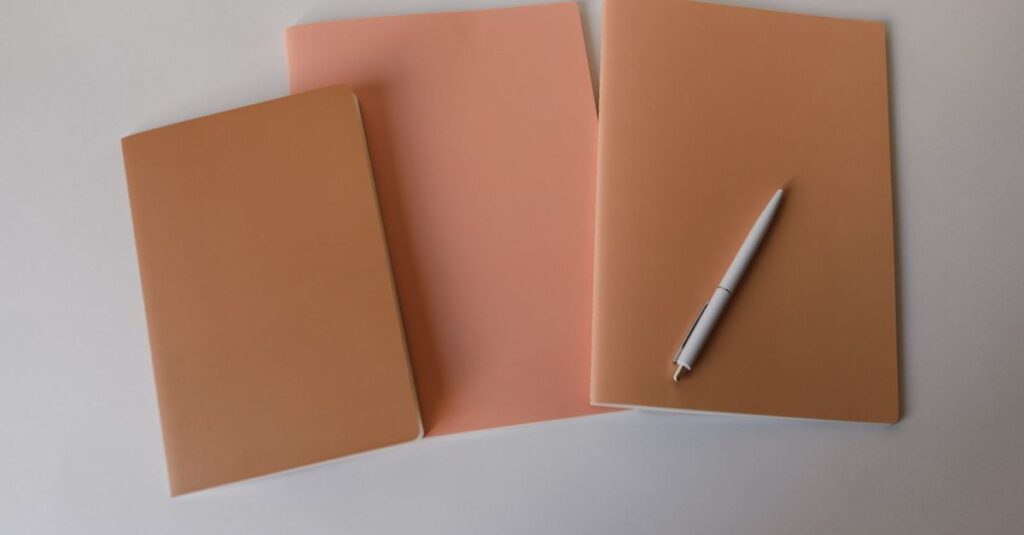
You need notebooks. A lot of them. Not one or two for your kids, but 500, 5,000, or 50,000 for an entire school district, a corporate event, or to fill your warehouse as a distributor. And that’s where the real headache starts. It’s one thing to pick up a pretty notebook at a store; it’s a completely different game to order them by the pallet. The price per unit suddenly matters way more than the fancy cover. The binding needs to survive being shipped, stored, and handed out. And if the paper quality is off, you’re not just dealing with a few returns — you’re stuck with a massive, expensive mistake.
I’ve been on the other side of this conversation for decades. We get calls all the time from procurement managers, school administrators, and business owners who are knee-deep in quotes, trying to figure out why one manufacturer’s “premium” notebook is half the price of another’s “standard” one. The answer almost always comes down to the details nobody talks about in the initial email. The paper GSM that sounds good but feels flimsy. The stitching that looks fine but unravels after a month. The printing that smudges if you even look at it wrong.
This isn’t about selling you anything right now. It’s about pulling back the curtain. If you’re looking to buy notebooks in wholesale quantities, you need to know what you’re actually buying. Because in bulk, every small detail gets amplified — for better or for worse.
Wholesale Notebooks 101: It’s Not What You Think
Most people think wholesale just means “cheaper because you buy more.” And yeah, that’s part of it. But the real shift is in priorities. When you’re buying for resale or institutional use, three things flip to the top of the list: consistency, durability, and cost-efficiency. A beautiful, unique cover is great, but if the next batch doesn’t match, you’ve got a problem. If the binding fails on 10% of the units, that’s hundreds of complaints.
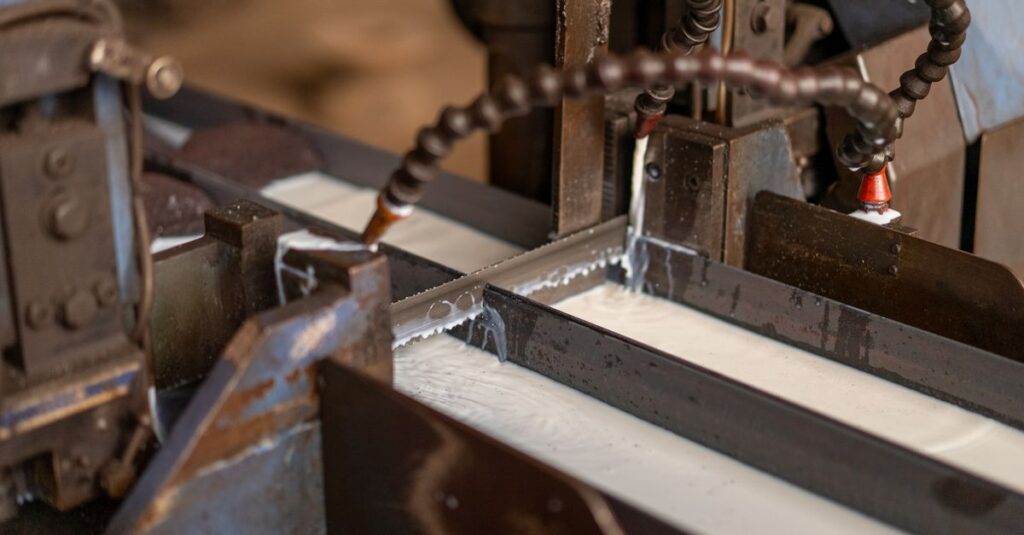
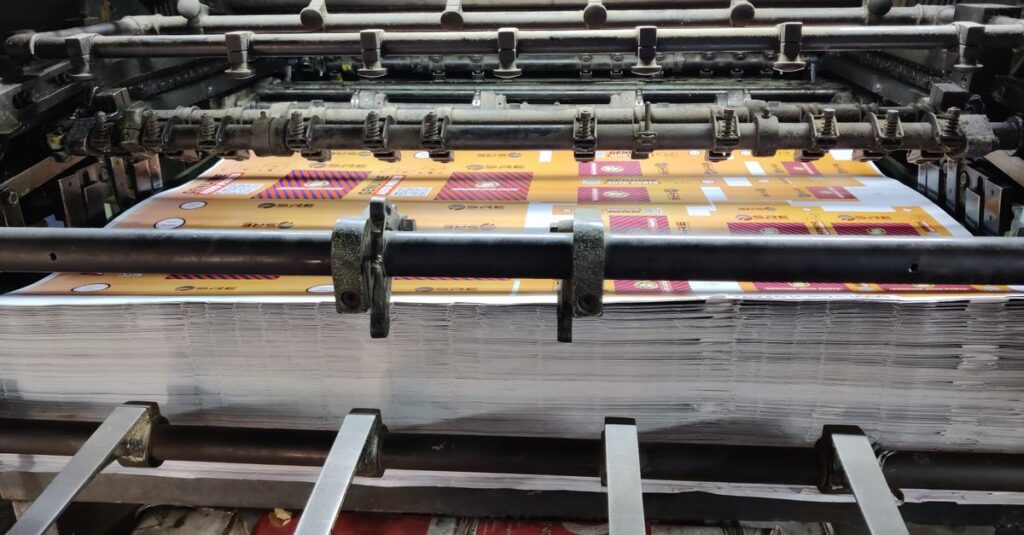
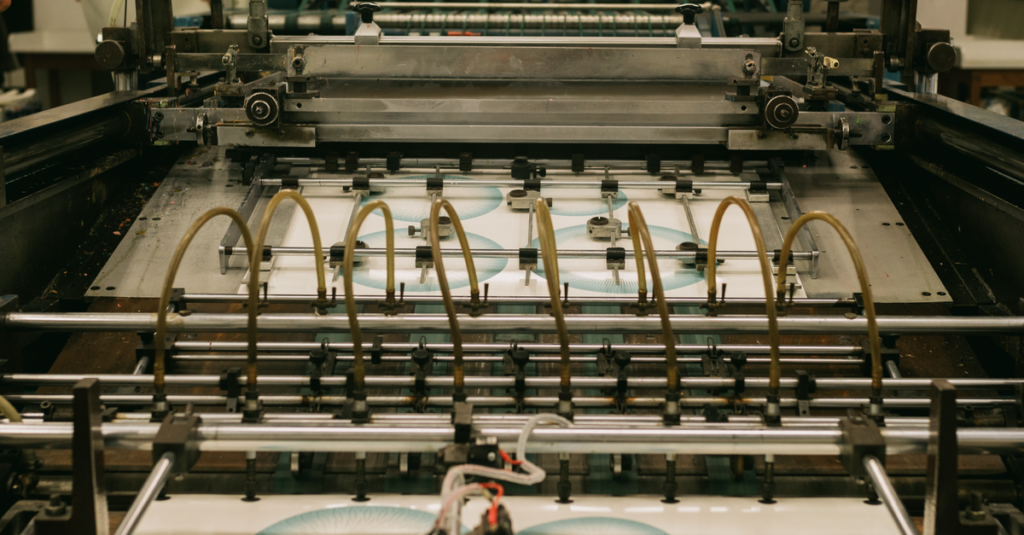
Here’s the thing — wholesale manufacturers operate on thin margins. To hit those lower price points, everything is optimized. But there are good optimizations and bad ones. A good manufacturer optimizes their production line, buys paper in massive rolls directly from mills, and has binding machines that run 24/7. This brings the cost down without cutting corners. A bad one… well, they use cheaper, recycled pulp that’s acidic and yellows quickly, they skip a stitching pass, or they use glue that cracks in humid climates.
You can’t tell this from a product photo on Alibaba. You have to ask the right questions.
What to Actually Ask a Wholesale Supplier
- “What’s the exact GSM and source of the writing paper?” Don’t just accept “70 GSM.” Ask for the mill. Is it wood-free? Acid-free? This determines how long the writing lasts and if the paper will discolor.
- “Can I see a sample of your standard stitching/spiral/perfect binding?” Ask them to send a battered sample — one they’ve literally tried to destroy. See how it holds up.
- “What’s your standard turnaround for an order of [your quantity]?” This tests their capacity. If they hesitate, they might be a middleman, not the actual factory.
- “What is your procedure for quality control on a bulk order?” The answer should be specific: “We check every 100th notebook for X, Y, Z.” Vague answers are a red flag.
The goal isn’t to be difficult. It’s to find a partner, not just a vendor. Because when you’re committing that much budget, you need someone who won’t vanish when the container arrives at your port with water damage.
The Different Worlds of Wholesale Buyers (And What They Need)
Not all bulk notebook orders are the same. The needs of a school in Andhra Pradesh are worlds apart from a corporate gift company in Dubai or a stationery distributor in London. Getting this wrong is how you end up with notebooks nobody wants to use.
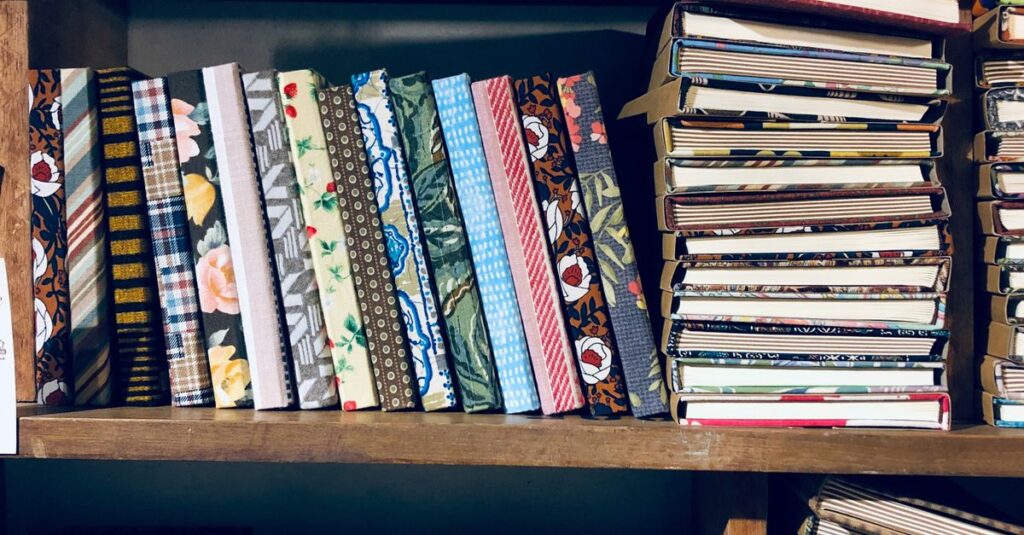
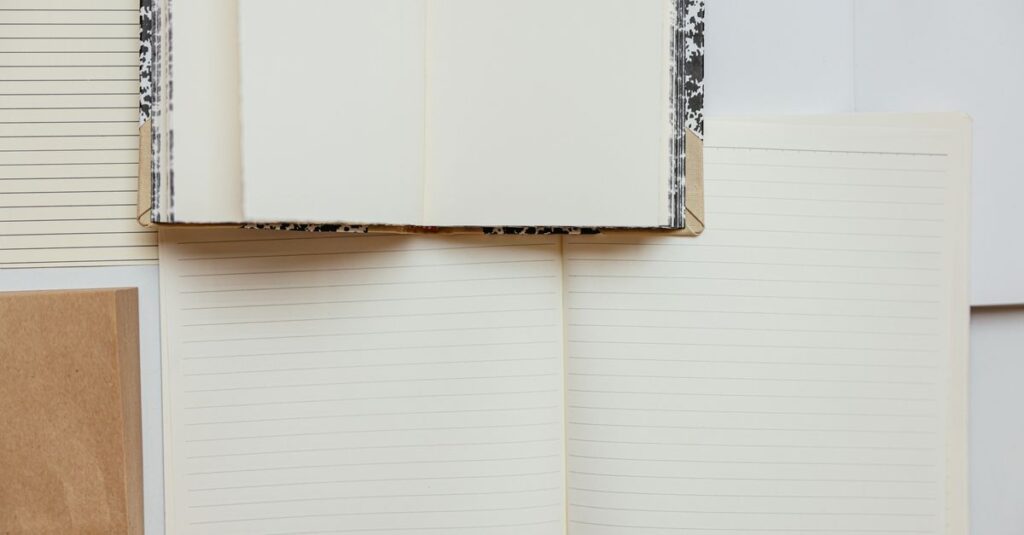
For Schools & Governments: It’s all about function, price, and insane durability. These notebooks get thrown in bags, dropped, used by kids who press down too hard. They need stitched or double-wire spiral binding that won’t pop. The paper needs to be smooth for writing, but not so thick it makes the notebook too heavy or expensive. The ruling (single-ruled, four-ruled for younger kids, square for math) is critical. Customization usually means stamping the school’s name and logo on a standard, robust cover. Flashy? No. Functional? Absolutely.
For Corporate & Promotional Buyers: Here, the notebook is a marketing tool. The cover is everything — it’s brand real estate. The quality needs to feel premium because it reflects on the company giving it away. Perfect binding with a laminated soft-touch cover is common. The paper might be thicker, whiter. But even here, the binding must last. A diary that falls apart on a client’s desk is worse than no gift at all. These buyers often work with us for custom printed notebooks where the entire design is built around their brand.
For Distributors & Wholesalers: This group is the most price-sensitive. They’re buying to sell again, so their margin is key. They need reliable, consistent product that arrives on time, every time. They often want private label — our manufacturing, their brand on the cover. The relationship is long-term and built on trust and logistical smoothness. A delay of a week can mess up their entire inventory cycle.
I was talking to a distributor from Nigeria last month — over a spotty WhatsApp call, actually — and he said something that stuck with me. He said, “My customers don’t call me when the notebooks are good. They only call when there’s a problem. So my job is to find a factory that gives them no reason to call.” That’s the whole game, right there.
Paper, Binding, and the Hidden Costs
Let’s get technical for a second, but in a way that actually matters for your bottom line. The two biggest cost drivers in a notebook are the paper and the binding. And small changes here create huge price swings at scale.
Paper Weight (GSM): This is grams per square meter. Standard student notebooks often use 58-70 GSM paper. It’s thin enough to keep costs down but opaque enough that writing doesn’t show through. Jump to 80 GSM for a corporate notebook, and you’ve added maybe 15-20% to your material cost instantly. But it feels substantial. The trick is knowing what your end-user expects. Don’t pay for 80 GSM if 70 gets the job done just as well.
Binding Types: This is where durability is decided.
Side-Stitched (Saddle-Stitched): Cheap, fast, classic for school notebooks. Staples through the spine. Good for up to about 100 pages. Beyond that, it bulges.
Spiral/Wire-O: More expensive. Lets the book lie flat. The quality of the wire and the crimping is crucial. A cheap spiral will snag and warp.
Perfect Binding (PUR): That glued, flat spine you see on premium diaries. Looks great, feels professional. The glue quality is everything. Cheap glue gets brittle and fails.
Most buyers fixate on the unit price. Smart buyers calculate the total cost of ownership. A notebook that’s 10% cheaper but has a 5% defect rate is more expensive. A notebook that’s too flimsy and damages easily in transit costs you in replacements and reputation.
| Factor | Budget / School Focus | Premium / Corporate Focus |
|---|---|---|
| Paper GSM | 58-70 GSM (Balance of cost & opacity) | 75-90 GSM (Heavier, whiter, feel of quality) |
| Binding | Side-Stitched or Basic Spiral | Double-Wire Spiral or PUR Perfect Binding |
| Cover | 200-250 GSM Art Card, Single-sided print | 300+ GSM, Lamination (Matte/Gloss), Print both sides |
| Customization | Simple logo stamp, pre-set ruling options | Full custom cover design, custom inner layouts |
| Priority | Durability, Lowest Cost-Per-Unit, Consistency | Brand Image, Premium Feel, Functional Design |
| Biggest Risk | Paper quality variance, binding failure under stress | Glue failure on perfect binding, print color mismatch |
See? It’s not about good and bad. It’s about right for the job. Putting a perfect-bound, 90 GSM notebook into the hands of a fourth grader is a waste of everyone’s money. Using a flimsy stitched notebook as a corporate gift is just embarrassing.
The Logistics Headache (And How to Avoid It)
Okay, you’ve found a good supplier, agreed on a price. Now you have to get 20,000 notebooks from a factory in Rajahmundry to your warehouse in, say, Ghana or Germany. This is where deals fall apart. I’ve seen it.
Packaging for bulk is different. They can’t just go in a cardboard box. They need to be palletized, strapped, and protected from humidity. The shipping terms (FOB, CIF, EXW) suddenly become the most important acronyms in your contract. Who handles the export documentation? Who is responsible if the ship is delayed? Who pays for insurance?
A manufacturer that exports regularly will have this down to a system. They’ll know the HS codes for notebooks. They’ll have relationships with freight forwarders. They’ll use moisture-barrier wrapping for sea shipments. A factory that only sells domestically might look at you blankly when you ask about a Bill of Lading.
This is probably the single biggest advantage of working with an established manufacturer versus a trading company. The trading company might get you a slightly lower price, but when the container is stuck at customs because the paperwork is wrong, they’ll point fingers. The factory that’s on the hook for the whole process has a vested interest in getting it right. They’re the ones you’ll call.
And honestly? Most international buyers don’t think about this until it’s a problem. They’re focused on the per-notebook cost and forget that a $200 shipping delay fee wipes out the savings on 5,000 units.
Expert Insight
I remember a client, a big stationery chain from East Africa, told me a story years ago. They’d switched to a cheaper supplier to save 3% per unit. The first order was fine. The second order arrived, and the cover print was a slightly different shade of blue. Not a lot, but enough that they couldn’t put the new stock next to the old stock on the shelf. They had to discount the old stock heavily to clear it. That “3% saving” ended up costing them more in lost margin and discounting than they’d ever saved. He said, “We learned that consistency has a price. And it’s worth paying.” I don’t have a cleaner way to put it than that. In wholesale, reliability isn’t a feature; it’s the product.
Your Next Step Isn’t What You Think
So you’re armed with questions about GSM, binding, and incoterms. Good. But before you fire off RFQs to ten factories on Google, do this one thing: get samples. Not just one pretty sample they prepared for marketing. Ask for a sample of their standard, most popular notebook. The workhorse. Then, test it.
Write on it with different pens. Tear a page out roughly. Fold it back on itself. Leave it in a sunny window for a week. Throw it in a backpack with some heavy books and shake it around. Get a child to use it for a day. This cheap, informal stress test will tell you more than any spec sheet.
Buying notebooks in wholesale is a commitment. It’s a chunk of your budget sitting in a warehouse or on a ship. The goal isn’t to find the absolute cheapest option. It’s to find the most reliable, consistent, and cost-effective partner for your specific need. The one that makes your life easier, not harder.
Because at the end of the day, nobody gets promoted for finding the cheapest notebook. They get promoted for sourcing the right notebook that arrives on time, fits the budget, and doesn’t generate a stream of complaints. That’s the real metric. And I don’t think there’s one universal answer for every buyer — your “right” depends entirely on who’s going to use it and why.
Frequently Asked Questions
What is the minimum order quantity (MOQ) for wholesale notebooks?
It varies wildly. For standard catalog items, a serious manufacturer might have an MOQ of 500-1,000 pieces. For fully custom printed notebooks, the MOQ is higher, often starting at 2,000-5,000 units, to justify the setup costs for plates and design. Always ask directly.
Can I put my own logo and design on wholesale notebooks?
Absolutely. This is called private label or OEM manufacturing. Most manufacturers like us offer this service. You provide the design, and we handle the printing, production, and can even help with packaging design. It’s a core part of the bulk notebook business for corporate and distributor clients.
How do I compare prices from different wholesale notebook suppliers?
Don’t just compare the unit price. Compare the specs (identical GSM, page count, binding type), the included costs (packing, local transport), and the terms (shipping, payment). The cheapest quote often excludes something crucial. Always request a detailed, line-item proforma invoice.
What is the typical lead time for a bulk notebook order?
For standard items in stock, 2-3 weeks for production plus shipping. For custom orders, factor in 1-2 weeks for design approval and sample approval, then 4-6 weeks for production. Always add buffer time for shipping, especially for international sea freight, which can add 4-8 more weeks.
Are there hidden costs when importing notebooks?
Yes, potentially. Beyond the product cost, consider: international bank charges for payment, freight insurance, customs duties and import taxes in your country (these vary massively), port handling fees, and inland transportation from the port to your warehouse. A good supplier will help you forecast these.