You Google “Offset Printing Near Me” When You Need Something Solid
Three things happen when you’re ordering notebooks or diaries for a thousand students, or a new batch of branded corporate gifts. The price quotes look insane. The sample quality feels off. And you’re stuck wondering if the printer down the road actually knows what they’re doing.
You need quality, you need volume, and you need it to not feel like a gamble every single time. So you start searching, hoping to find someone who gets it — someone who knows that a school notebook needs to survive a backpack for six months, that a company diary shouldn’t peel by February, and that the colors on your logo need to match. That’s when you land here.
What Offset Printing Actually Is (No Jargon)
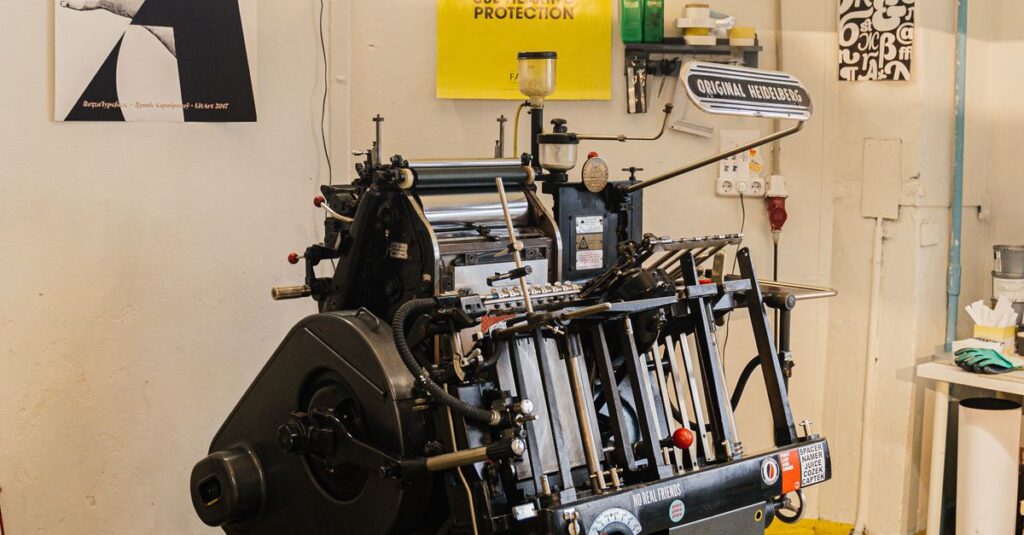
Okay, let’s cut through the noise. Offset printing isn’t some magical, mysterious process. It’s the workhorse. The reliable, high-volume, get-it-right-every-time method for putting ink on paper. Especially when you’re talking about thousands of notebook pages or diary covers.
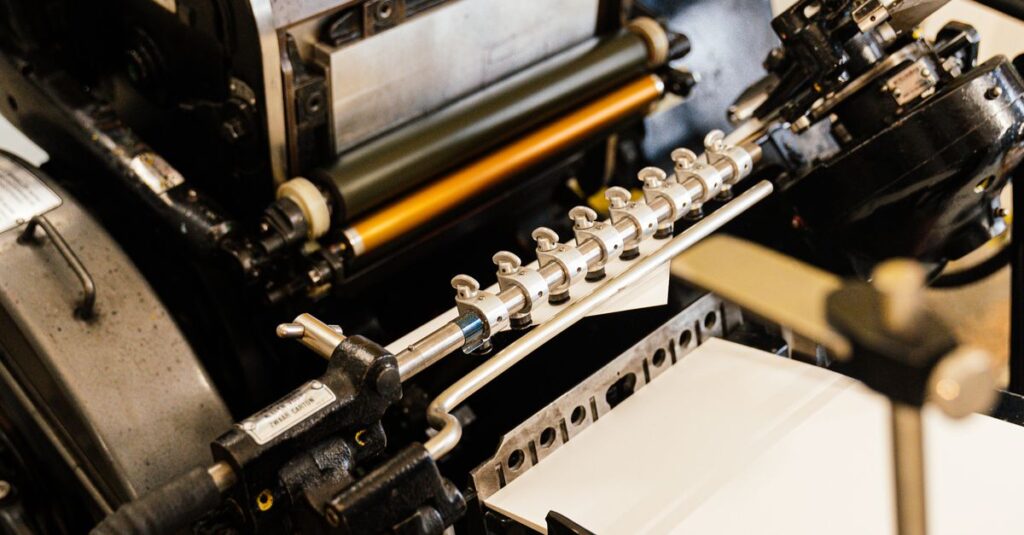
Think of it like a stamp. But instead of stamping directly onto the paper, the image gets transferred — or “offset” — from a metal plate to a rubber blanket, then onto the paper. Sounds clunky, right? That’s the point. That extra step is what makes it so consistent and cost-effective for large runs. The ink lays down evenly, the color stays true, and you can use a wider range of papers.
Here’s the thing — it’s not about speed for one copy. It’s about perfection for ten thousand. Which is what you need when you’re a procurement manager signing off on an order that can’t have misprints.
Why Bulk Buyers Always Come Back to Offset
I’ve talked to enough school administrators and corporate buyers over the years to see the pattern. The ones who get burned once on a digital printing job for a massive order usually don’t make the same mistake twice. They come back to offset. Here’s why.
First, the unit cost plummets as the quantity goes up. Setting up the plates takes time and money, but once that’s done, running off the next 10,000 sheets costs pennies. For a school ordering 20,000 notebooks, that’s the difference between staying on budget and blowing it.
Second, the color consistency. Your brand’s blue needs to be the same blue on every single diary, from the first one off the line to the last. Offset locking in that color for the entire run is something digital still struggles with on huge volumes.
Third — and this is the big one for notebooks — the ink sits better on the paper. It doesn’t soak in and bleed like some digital inks can, which means clearer rulings and a surface that doesn’t make pens skip. The writing experience matters.
Expert Insight
I was reading an industry report last month and one line stuck with me. The analyst said something like — in commodity printing, the race to the bottom on price always sacrifices quality. But in branded, custom work, the race is to consistency. The more you print, the more any tiny flaw gets magnified across your entire audience.
A Real-Life Snag (Because It Happens)
Let’s talk about Ramesh. He’s 42, a procurement officer for a mid-sized university in Hyderabad. He needed 15,000 custom lab notebooks for the new semester. Got a quote from a local printer using digital — fast turnaround, looked good. The first hundred samples were fine. But by batch number 2,000, the cover reds started shifting. Just slightly. Enough that the stack looked uneven. Enough that the department heads noticed.
He spent weeks on the phone. It was a Tuesday, I think. Maybe Wednesday. The printer blamed the paper batch. The paper supplier blamed the ink. Ramesh was stuck in the middle with a delivery deadline and 15,000 imperfect books. He told me this over a chai, by the way — not some formal interview. Just talking.
That’s the hidden cost of choosing the wrong process for the wrong scale.
Offset vs. Digital for Your Notebook Order
Look, I’ll be direct. Both methods have their place. But if your search is “offset printing near me” for notebooks or diaries, you’re probably already in the volume zone where offset makes sense. Let’s break it down side-by-side.
| Factor | Offset Printing | Digital Printing |
|---|---|---|
| Best For Quantity | 500+ units. The more you print, the cheaper per piece. | 1 – 500 units. Great for short runs and prototypes. |
| Color Consistency | Exceptional across entire run. Once the plate is made, color is locked. | Can vary between batches. Sensitive to machine calibration. |
| Paper Flexibility | Very high. Works beautifully on standard paper stocks. | Limited. Often requires specific, coated stocks for best results. |
| Setup Cost & Time | Higher initial setup (plates). Longer lead time for first sample. | Almost no setup. Faster to get a proof in your hands. |
| Per-Unit Cost | Drops sharply with volume. The sweet spot for bulk. | Remains relatively static. No major economies of scale. |
| Customization | Fixed once plates are made. Changing content mid-run is costly. | High. You can print every copy with different data (like names). |
The question isn’t which technology is “better.” It’s which one aligns with your actual need: consistent, cost-effective bulk, or fast, flexible prototypes. For schools, corporations, and wholesalers — nine times out of ten — it’s the first one.
What to Actually Look for in a Local Manufacturer
So you’ve got a list. A few “offset printing near me” results. How do you pick? Don’t just look at the price per notebook. That’s a rookie move. Here’s what matters in my experience.
- Ask about their paper sourcing: Do they keep consistent stocks of writing paper? Can they show you samples? The paper is half the product.
- Demand a physical dummy: Before you approve the full run, get a complete dummy notebook — stitched or spiral bound, with the exact paper and cover. Feel the spine. Flip the pages. Write on it with a pen.
- Check their binding capacity: Printing is one thing. Binding 40,000 notebooks a day is another. You want a factory that does both under one roof. It controls quality and timeline.
- Understand their export experience: Even if you’re buying domestically, a manufacturer that also exports is used to higher durability standards and complex logistics. That rigor usually spills over to all their work.
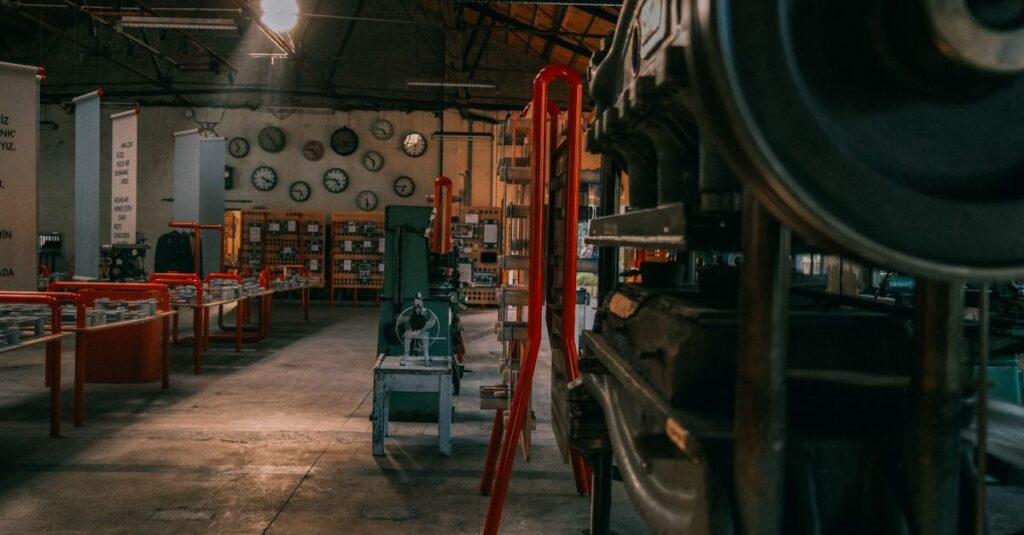
And honestly? Visit if you can. Seeing the machinery, the paper stacks, the bindery line — it takes the edge off the anxiety of a big order. You’re not just buying a product; you’re buying the capability to deliver it again and again.
It’s Not Just Printing. It’s Building a Thing That Gets Used.
I think about this a lot. We’re not in the decoration business. We’re in the tool-making business. A student’s notebook is a tool for learning. A corporate diary is a tool for planning. An account book is a tool for record-keeping.
The printing method, the paper weight, the binding type — stitched, spiral, perfect — these aren’t just specs. They’re decisions that determine whether that tool lasts the year or falls apart in a month.
Offset printing, for all its industrial, old-school feel, is fundamentally about endurance. About making something that doesn’t just look good on day one, but performs on day one hundred. That’s the part nobody says out loud when you’re comparing quotes. But it’s the only thing that matters here.
Frequently Asked Questions
What is the main advantage of offset printing for notebooks?
The main advantage is consistent, high-quality color at a low per-unit cost for large quantities. Once the printing plates are made, every single notebook page or cover will look identical.
How many notebooks do I need to order for offset printing to be cost-effective?
As a general rule, offset printing becomes the clear cost-winner for orders above 500 units. For school notebook orders, corporate diaries, or any bulk stationery, you’re almost always in the perfect range for offset.
Can you do custom cover designs with offset printing?
Absolutely. In fact, offset is the preferred method for custom, full-color cover designs on notebooks and diaries. It handles complex logos, photographs, and vibrant colors much more consistently than digital on large runs.
What paper is best for offset printed notebooks?
Offset printing works well with a wide range. For writing, a smooth paper is standard. The process lays ink evenly without soaking, which keeps rulings sharp and prevents pen bleed. You have more paper options than with digital.
How long does it take to get offset printed notebooks?
The first samples take longer due to plate creation — maybe 7-10 days. But once approved, the actual production run is fast. A factory with solid capacity can produce tens of thousands of bound notebooks per day. Always ask for a timeline breakdown.
Your Search Isn’t Just About Geography
You started by looking for “offset printing near me.” That’s logical. But what you’re really looking for is a partner who understands scale, consistency, and the fact that you’re not just buying printed paper — you’re procuring a reliable product for your students, your employees, or your customers.
I don’t think there’s one perfect manufacturer. Probably there isn’t. But if you’ve read this far, you already know the criteria that matter — you’re just figuring out who meets them without the sales talk.
The next step is to get a real sample in your hands from someone who can talk about paper and binding strength as easily as they talk about price.