Okay, Let’s Talk About Press Shops
You know the feeling. You need 5,000 custom notebooks for a school district order next quarter. Or your company wants branded diaries for the new year. You open your laptop, you type “press shop near me,” and you get… a mess. A mix of local print shops that do wedding cards, industrial metal presses, and maybe something about magazines.
Right?
Here’s the thing — you’re not just looking for a printer. You’re looking for a partner. Someone who knows the difference between 54 GSM and 70 GSM paper by feel, who can tell you if spiral binding or perfect binding is better for a 700-page account book. It’s a specific headache, honestly. And if this sounds familiar, what we do might be worth a look.
What a “Press Shop” Really Means (It’s Not What You Think)
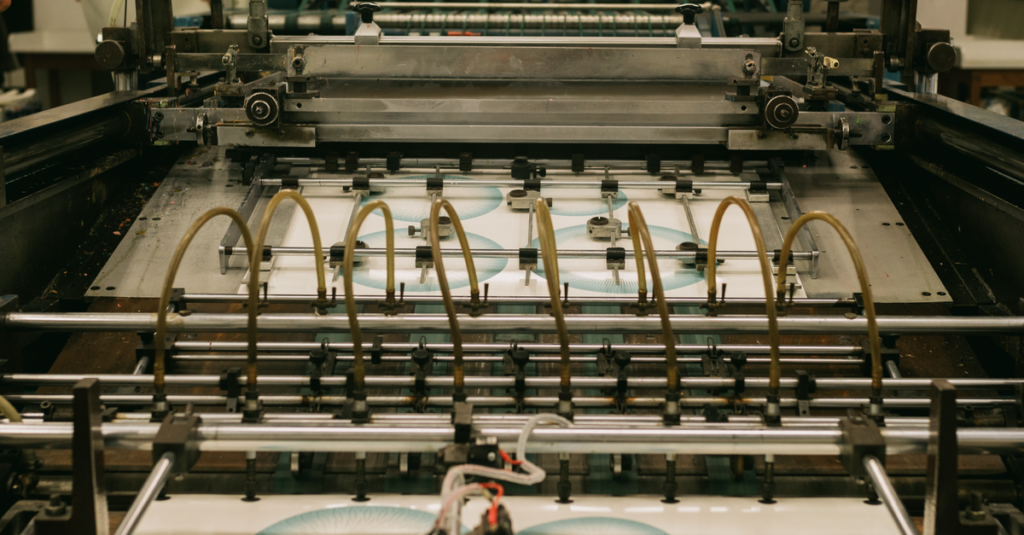
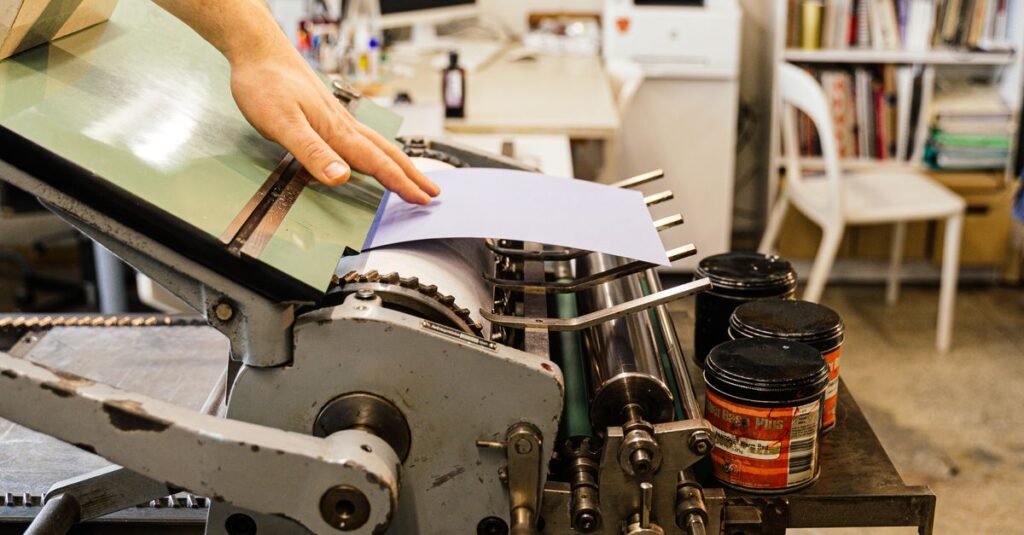
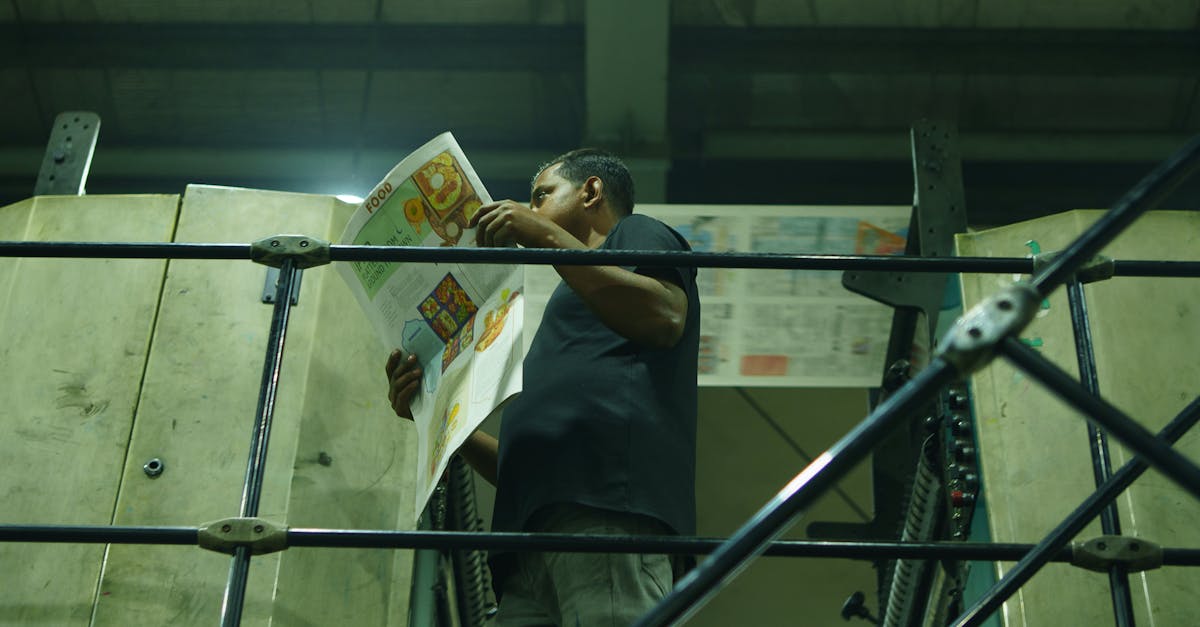
Most people hear “press” and think of newspapers. Or a big machine stamping metal. In our world — the notebook and stationery world — a press shop is where the magic of putting ink on paper at scale happens. It’s the heart of the manufacturing floor.
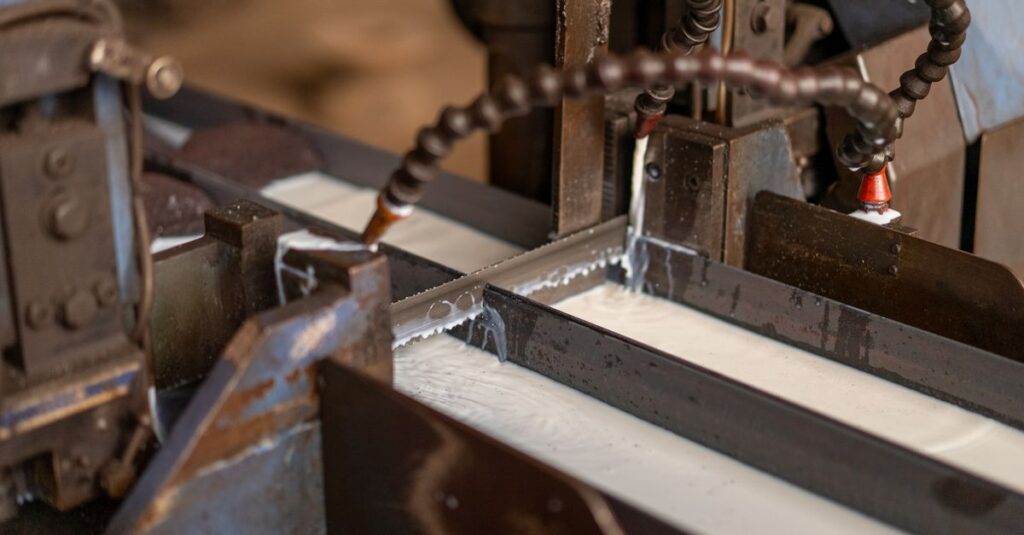
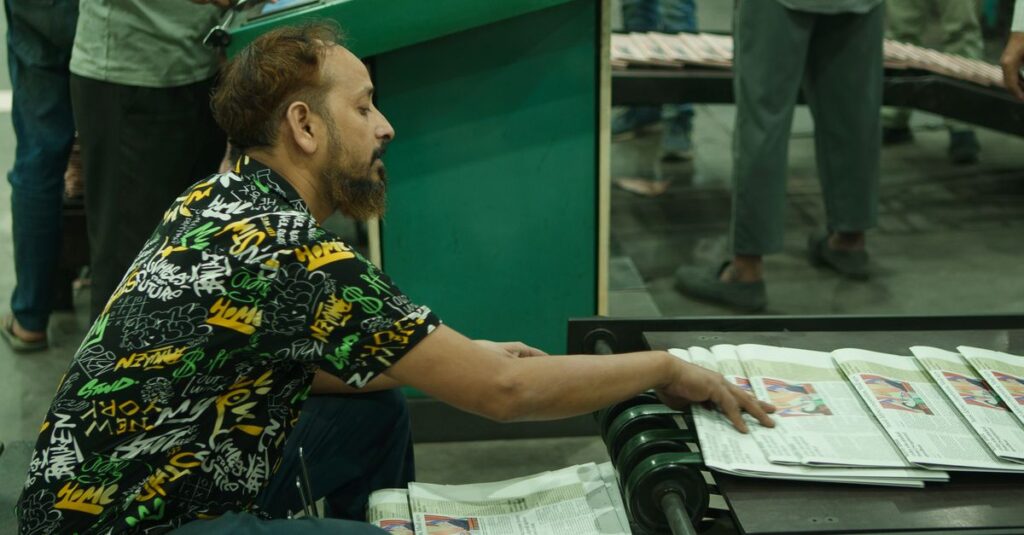
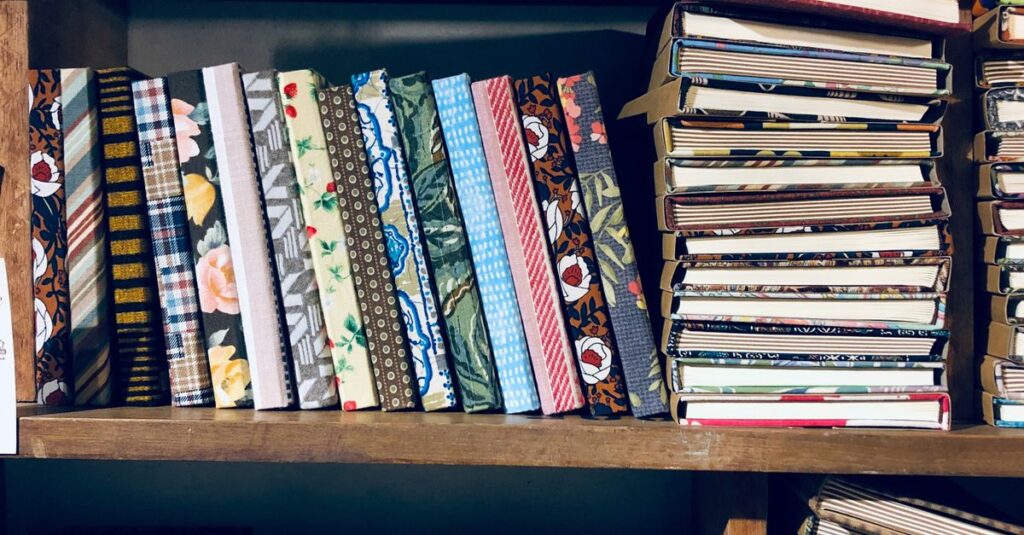
Think about it this way. It’s not just a printer. It’s the whole ecosystem: the offset printing machines that handle bulk runs (think tens of thousands of notebook covers), the digital printers for short, customized runs, the binding lines, the cutting machines. A real press shop for notebook manufacturing is a factory. It has weight. It smells like paper and ink and machinery oil. I was in our own factory in Rajahmundry last Tuesday — maybe Wednesday — and that’s the only way I can describe it.
And honestly? That’s what you need if you’re ordering in bulk. Not a desktop printer in a back office.
What a Good Press Shop Should Be Able to Do For You
So you’ve found a few places. How do you know which one isn’t going to mess up your 50,000-unit order? Look for these things. Not just on a website, but ask them. Directly.
- Scale Up Without Breaking a Sweat: Can they go from 1,000 trial notebooks to 40,000 without the quality dropping off? Our factory, for example, runs about 30,000 to 40,000 bound notebooks a day. That kind of capacity means they’re built for your big orders.
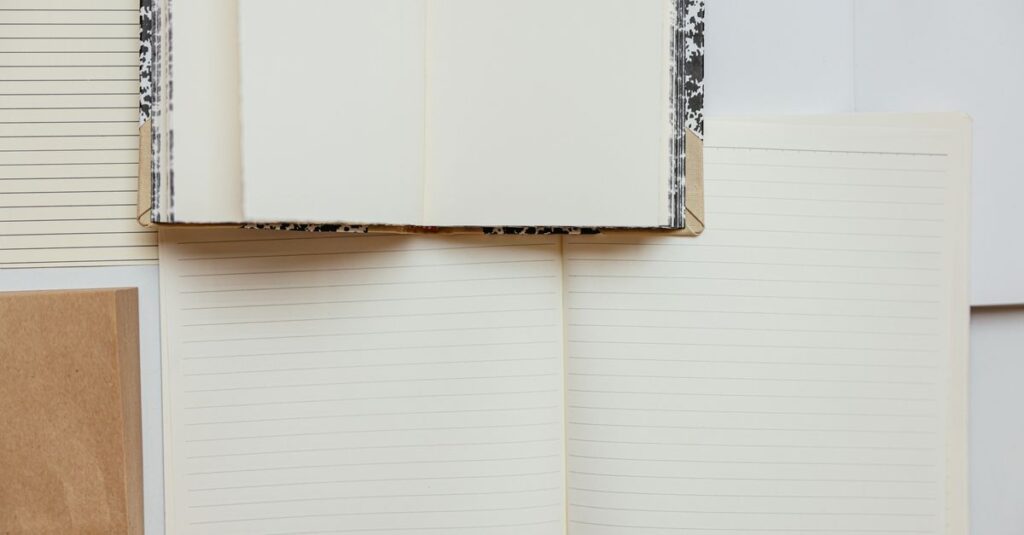
- Paper Talk: They should speak GSM (grams per square meter) like it’s their first language. For standard writing, around 54 GSM is the sweet spot — smooth but not see-through. They should have options.
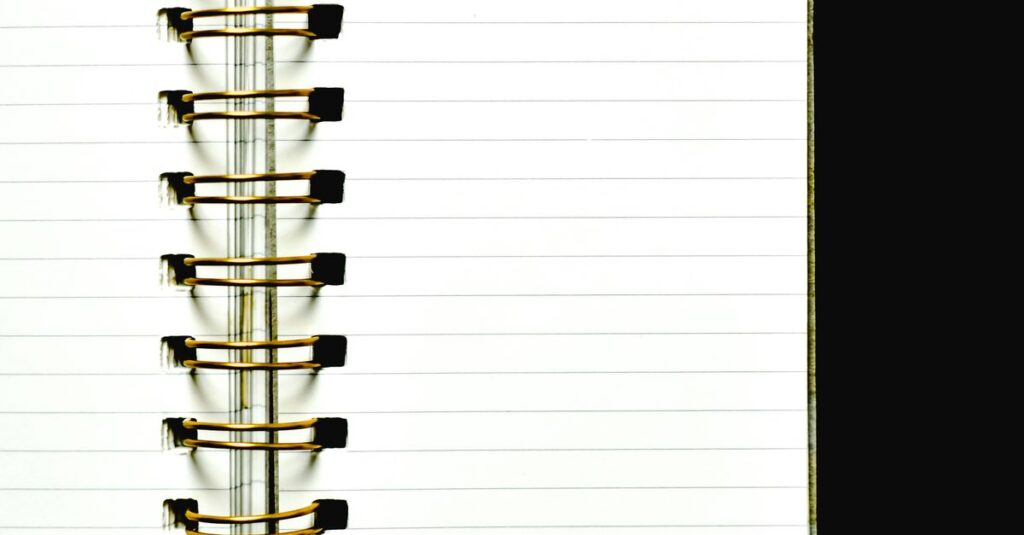
- Binding Brains: Stitched binding for durable school notebooks? Spiral for corporate diaries that lay flat? Perfect binding for a sleek, book-like feel? They should guide you, not just take your guess.
- Customization is Key: This is where most local shops fall apart. A good press shop handles custom logo printing, private label manufacturing, even designing covers from scratch. It’s not just picking a template.
The question isn’t if they can print. It’s if they can think with you about the whole job.
A Quick Story About What Can Go Wrong
I was talking to a procurement manager from a college in Hyderabad last month. Over WhatsApp, actually. He needed 8,000 lab record books with a specific four-ruled (FR) layout. He went with a local “press” recommended by a friend because they were cheap.
The ruling was off by two millimeters.
Two. Millimeters. Sounds tiny, right? Made every page look wrong, felt wrong to write in. The entire batch was useless. He had to reorder with a three-week delay, scrambling before semester start. The headache wasn’t just financial. It was his reputation on the line with the department heads.
That’s the risk with the wrong shop. It’s not just about money.
Expert Insight
I was reading an industry report last year — I can’t remember the exact source — but one line stuck with me. It said the most common point of failure in bulk stationery orders isn’t the printing or the paper. It’s communication. The assumption that both sides are talking about the same “blue” or the same “delivery date.” The more capable a manufacturer is, the more they proactively over-communicate specs. Don’t quote me on the stat, but the logic is solid. The good ones send paper samples. They send mock-ups. They confirm, and then confirm again.
Local vs. Out-of-State: The Real Trade-Off
This is where the “near me” part gets tricky. Obviously, local is easier for a quick visit. You can drop in, see the operation. But here’s the uncomfortable truth: for specialized bulk notebook manufacturing, the cluster is often in specific regions. In India, a huge chunk of it is in places like Rajahmundry, Sivakasi, Delhi-NCR. They’ve been doing it for decades. The supply chains for paper, ink, binding wire are all there. The expertise is in the water.
Choosing a local general printer might save on shipping… but increase your risk on everything else. I think — and I could be wrong — that for orders above 10,000 units, you’re better off with a specialist manufacturer, even if they’re a few states away. The logistics are figured out. The quality is predictable.
Look, I’ll be direct. We’ve shipped to the Gulf, Africa, the US from Rajahmundry. If we can handle an ocean container to Australia, we can handle a truck to Bangalore. Distance matters less than competence.
Anyway. Where was I.
How to Actually Vet a Press Shop (A Simple Checklist)
Don’t just call and ask for a price. Have this conversation. Nine times out of ten, their answers will tell you everything.
- Ask for a Factory Tour: Even a video call walkthrough. If they hesitate, red flag. You need to see the presses, the binding lines, the warehouse.
- Request Physical Samples: Of paper weights, of binding types, of finished products similar to what you need. A photo on a website is useless.
- Talk Capacity & Lead Time: “What’s your daily output?” “If I place an order for 20,000 custom notebooks today, what is the realistic delivery date?” Vague answers are bad answers.
- Check Their Client List: Do they work with schools, corporations, distributors? Or just small retail jobs? Ask for a reference.
- Understand Their Customization Process: Is it just uploading a logo? Or do they have designers who can help? What file formats do they need? This separates a commodity printer from a partner.
And honestly? The best ones will ask you as many questions as you ask them. They’ll want to know how the notebooks will be used, who the end-user is. That’s when you know you’ve found a good one.
| Feature | Local General Print Shop | Specialized Notebook Manufacturer |
|---|---|---|
| Primary Focus | Business cards, flyers, small jobs | Bulk notebooks, diaries, stationery |
| Paper Knowledge | Basic, often limited stock | Deep; multiple GSM, finish options |
| Binding Capabilities | Maybe spiral, often staple | Stitched, spiral, perfect, wire-o |
| Bulk Order Capacity | Struggles above 2,000 units | Built for 10,000–100,000+ units daily |
| Customization | Template-based, limited | Full private label, OEM, design services |
| Ideal For | Small office stationery, one-offs | School tenders, corporate bulk gifts, distributor supply |
Wrapping This Up
So, “press shop near me.” It’s a search for capability, not just geography. You’re looking for a manufacturing partner that understands scale, detail, and the weight of a big order. The noise in the search results is frustrating because your need is specific. And it’s big.
I don’t think there’s one perfect answer for everyone. Probably there isn’t. But if you’ve read this far, you’re not just price-shopping. You’re looking for reliability. You’re figuring out if it’s okay to pay a bit more for sleep-at-night certainty. And that’s the whole game.
If you want to see what a 40-year-old notebook press shop looks like, our story might help. No pressure. Just a reference point.
Frequently Asked Questions
What is the difference between a press shop and a printer?
A printer usually handles smaller, digital jobs. A press shop in our industry refers to the full-scale manufacturing facility with offset presses for bulk runs, binding lines, and the capacity for large, custom stationery orders like notebooks and diaries.
What should I ask a press shop before placing a bulk notebook order?
Ask for samples, their daily production capacity, lead times for your quantity, and details about their paper and binding options. Specifically ask about their experience with orders similar to yours in size and customization.
Is it better to choose a local press shop or a distant specialist?
For large, complex orders (10,000+ units, custom specs), a distant specialist manufacturer often provides better expertise, quality consistency, and scale, making logistics worth it. For small, simple jobs, local can be fine.
What does GSM mean for notebook paper?
GSM stands for Grams per Square Meter. It’s the measure of paper weight/thickness. For standard writing notebooks, 54–70 GSM is common. Higher GSM feels thicker and is less prone to ink bleed-through.
Can a press shop create completely custom notebooks for my brand?
A capable press shop should offer full private label or OEM services. This includes custom cover design, logo printing, tailored page layouts (ruling), choice of binding, and even customized packaging for your brand.