I’ve Seen This Confusion a Thousand Times
You’ve got the quote. It’s sitting in your inbox. It says “Print as a Book.” And you’re trying to figure out if that’s a good thing, a bad thing, or just a weird way of saying “we’ll make notebooks.” I get it. Procurement managers, school administrators, distributors—they all ask me the same thing, in different ways. “What does that even mean for my order?” It’s not jargon; it’s the actual starting point for how your notebooks, diaries, or any bound stationery gets made. And misunderstanding it can cost you money, time, and a lot of frustration with the final product. If this sounds familiar, this might be worth a look.
It’s Not Just a Phrase, It’s a Production Blueprint
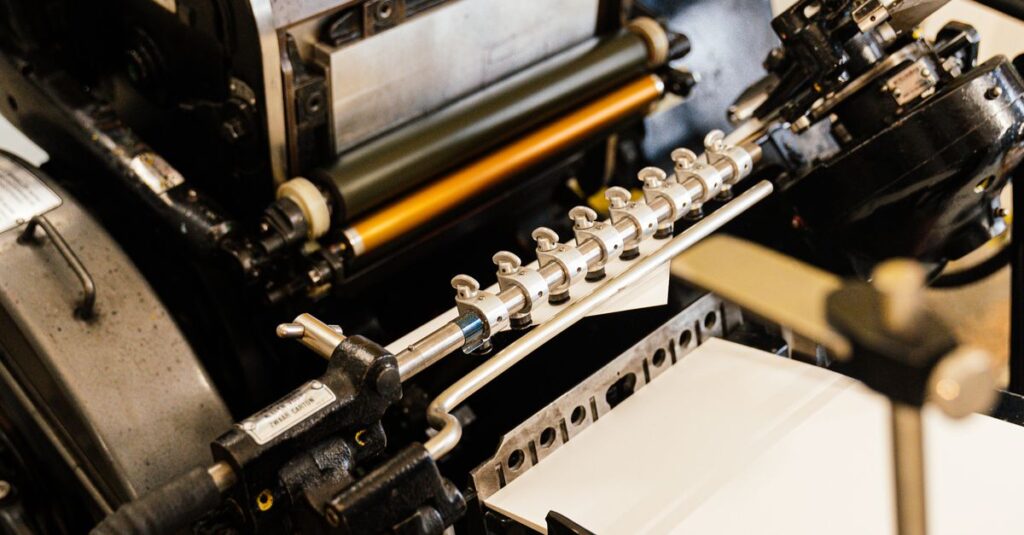
“Print as a Book” is the manufacturer’s way of saying: we’re going to treat this like a proper publishing job, not just a simple print run. Think about a novel. The text is printed on large sheets, those sheets are folded into sections (called signatures), those sections are gathered in order, and then bound. That’s the “book” workflow. Now, apply that to your corporate diary. Your 240-page account book. Your custom-branded training manual. It means the printing, folding, and assembly happen in a specific, integrated sequence. The alternative? Printing individual sheets and then trying to bind them later—which, honestly, is a headache for anything over 100 pages and almost guarantees alignment issues and a weaker spine. The real difference is in the spine. A book-printed spine is solid. The other kind? Often feels like it’s just holding on for dear life.
Expert Insight
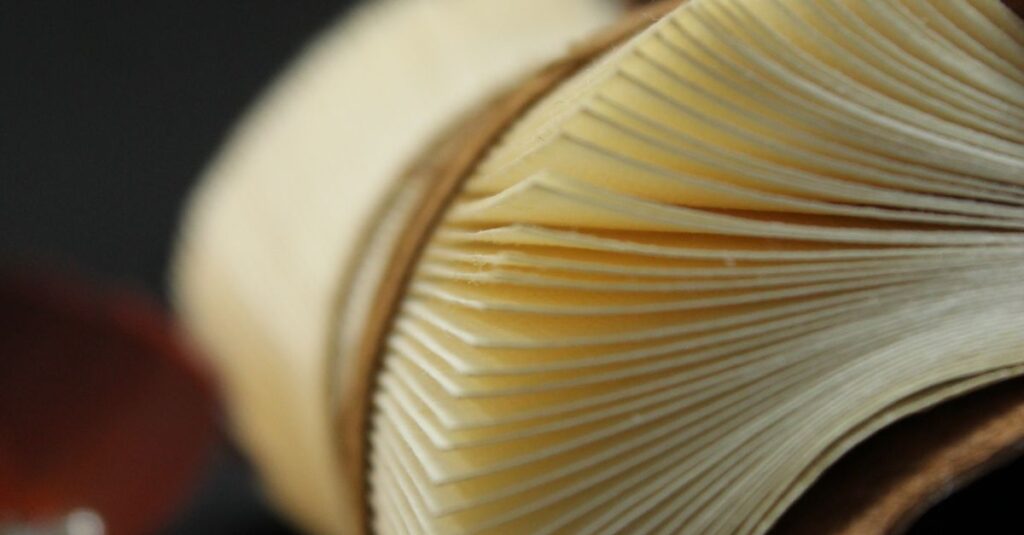
I was talking to a client last month—a college procurement officer in Hyderabad—and he said something that stuck. He’d ordered “record books” from a supplier who didn’t specify their method. The books started falling apart within a semester. The researcher we consulted said it’s because the inner pages weren’t sewn or glued as a unit; they were just stacked and glued at the edge. “The more pages you have,” he said, “the more you need the pages to be a block, not a pile.” I don’t have a cleaner way to put it than that. It’s the block versus the pile.
The Real-Life Cost of Not Knowing
Let’s talk about Priya. She’s 38, handles procurement for a mid-sized corporate office in Bangalore. Her job: order 500 custom-branded diaries for the new financial year. She got two quotes. One said “Print as a Book” and was slightly higher. The other was cheaper and just said “Notebook Printing.” She went with the cheaper one. The diaries arrived. The logos on the cover were crisp. But when you flipped through them, the pages felt loose. The center pages bulged out slightly. By June, a few diaries had pages coming detached. Her team complained. She had to explain to her boss why they needed a re-order mid-year. The cost savings? Gone. The trust? Damaged. The detail she missed? The cheaper supplier printed sheets individually and then side-stapled them. It looked like a diary, but it wasn’t built like a book. She didn’t ask. They didn’t tell.
Anyway.
Breaking Down the “Book” Process (So You Can Spot It)
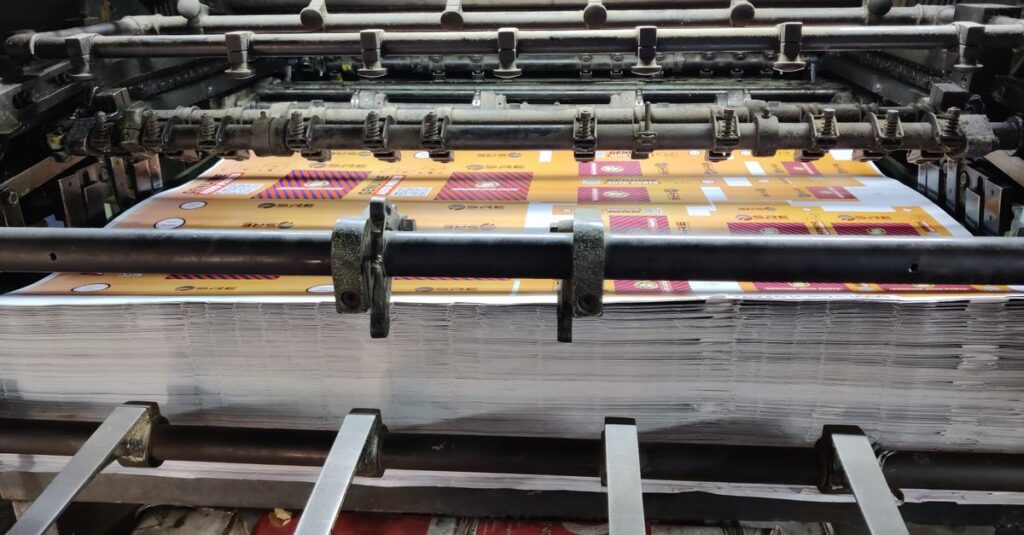
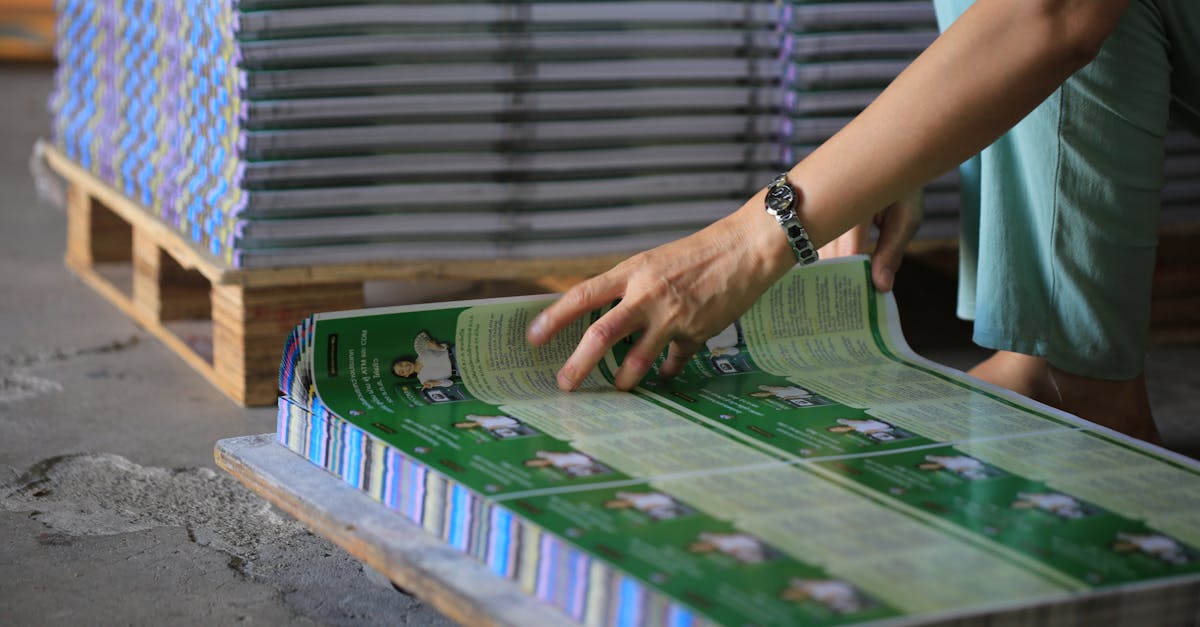
Here’s what actually happens when you choose “Print as a Book” for your bulk order. First, the content—your pages, your rulings, your headers—is laid out on a large printing sheet. That sheet might hold 8, 16, or 32 pages of your final notebook. Then, that sheet is folded. That folding creates a natural, neat section where pages are in correct sequence. Those folded sections are then gathered—all the sections for one complete notebook are collected. Then, binding. This could be stitching through the fold (strongest), perfect glue binding along the spine (common for thicker books), or spiral binding through the folded edge. The key is that the pages are connected at the fold, not just at the edge. This is why books can handle being opened flat, why pages don’t easily tear out, and why the whole thing feels… unified. Most people don’t realize that the feeling of quality in a notebook comes from this step, not just the paper weight.
When You Need It, When You Might Not
Look, I’ll be direct. Print as a Book is essential for any project that has bulk, sequence, and needs to last. Think:
- Corporate diaries (they get used daily, for a year)
- School textbooks or workbooks (student abuse is a real test)
- Account books, record books, legal pads (high page count, frequent referencing)
- Any custom notebook over 120 pages
- Products you’re branding—because a falling-apart product reflects on your brand, not just the manufacturer.
When might you skip it? Maybe for thin, short-term use items—like a 52-page event notepad for a conference. But even then, if you’re putting your logo on it, think twice. The question isn’t whether you need it. It’s whether you’re ready to admit that durability matters more than the initial per-unit price.
| Feature | Print as a Book (Integrated Process) | Sheet Printing + Separate Binding |
|---|---|---|
| Page Sequence & Alignment | Pages are printed and folded in correct order; alignment is precise. | Pages printed individually; risk of misalignment during binding. |
| Binding Strength | Binding occurs at the folded spine; pages are a solid block. | Binding often at the edge; pages are a loose stack glued/stitched. |
| Durability | High. Can handle frequent opening, flattening, and rough use. | Lower. Pages can detach, spine can crack with heavy use. |
| Cost Implication | Often slightly higher due to integrated, skilled process. | Often lower due to simpler, faster assembly. |
| Best For | High-page-count items, corporate diaries, textbooks, branded products. | Low-page-count, short-term use, disposable items. |
| Feel & Quality Perception | Feels professional, unified, and premium. | Can feel makeshift, flimsy, or temporary. |
How to Talk to Your Supplier About This
Three things you should ask, right when you’re getting a quote:
- “Is this being printed and bound as a book?” (Just say it. Get a yes or no.)
- “What’s the binding method after printing?” (Stitched? Perfect glue? Spiral?)
- “Can I see a sample of a similar page-count item you’ve produced?” (Feel it. Open it flat. Try to gently tug a center page.)
Most suppliers who do proper book printing will be proud to explain it. The ones who don’t will give you vague answers. That’s your filter. I’ve heard this enough times now that it’s not coincidence. The clarity in their answer tells you about their process clarity. And honestly? That matters more than any glossy brochure. If you’re evaluating options, starting with someone who defines their process clearly takes the edge off.
It’s Not About Fancy, It’s About Function
Let’s drop the marketing talk. Print as a Book isn’t a premium feature; it’s a functional necessity for certain products. A 320-page account book that needs to last through a fiscal year—if it’s not printed as a book, it’ll fail. A school notebook that gets shoved in a bag, dropped, and opened hundreds of times—same thing. The “fancy” feeling is just a result of the function working properly. The smooth page turn, the solid spine, the way it lies flat on a desk—those aren’t accidents. They’re the outcome of a specific manufacturing choice. And that choice starts with the print method.
Earlier I said it’s about durability. That’s not quite fair—it’s more about integrity. The integrity of the product as a single, reliable object.
Frequently Asked Questions
Does “Print as a Book” cost significantly more?
Often, yes, but not astronomically. The integrated process requires more precise setup and skilled labor, which adds cost. However, for bulk orders, the per-unit difference can be minimal, and the reduction in failure/replacement rates usually saves money overall. It’s an investment in product lifespan.
Can spiral-bound notebooks be “Printed as a Book”?
Absolutely. The key is the printing and folding into sections before the spiral is inserted. This ensures the holes are punched through the folded spine edge, making the binding much stronger than if sheets were punched individually and then assembled. So yes, spiral binding is a type of book-style binding when done correctly.
Is it only for thick notebooks?
Not only, but especially. Thick notebooks (200+ pages) benefit the most. But even 92-page notebooks gain durability and a better feel from the book printing process. For very thin items (52 pages), the benefit is less pronounced, but still present.
How can I verify a supplier uses this method?
Ask for a sample of a similar product. Examine the spine. Try to open it flat. Look at the page edges—if you see clear, aligned “sections” from folding, it’s likely book-printed. Also, ask them directly about their printing and binding sequence. A transparent supplier will explain it step-by-step.
Does it affect printing quality on the cover or inside pages?
The printing quality on the pages is the same. The difference is in the assembly. However, because the pages are folded and bound as sections, there’s less risk of page misalignment or “shifting” that can sometimes happen in post-print binding. So, it protects the print quality through the product’s life.
You Already Know What You Need
If you’re ordering in bulk—for your company, your school, your distribution network—you’re not just buying a product. You’re buying reliability. You’re buying the absence of complaints. You’re buying something that does its job quietly for months or years. “Print as a Book” is one of those technical phrases that bridges that gap between a cheap item and a reliable tool. It’s the difference between a diary that lasts a year and one that needs replacing in six months. I don’t think there’s one answer here for every single order. Probably there isn’t. But if you’ve read this far, you already know what you’re looking for—you’re just figuring out if it’s okay to insist on it. And it is. We’ve been doing it since 1985, and the reason is simple: it works.