So, You Need to Order Notebooks. What Size Are We Even Talking About?
You’re a procurement manager, or maybe you’re handling stationery for a whole school district. The email lands: “We need notebooks. Standard size.” And just like that, you’re stuck. Because “standard” isn’t one thing. It’s an entire world of millimeters and use cases and budget implications most people never think about.
The A3 vs A4 question isn’t just about paper. It’s about workflow, cost, and what you’re actually trying to get people to do. A4 is the quiet workhorse of the office. A3 is the sprawling command center of a planning meeting. Picking the wrong one means wasted money and annoyed users. And honestly? I’ve seen it happen more times than I can count.
If you’re trying to figure out which size fits your bulk order — whether it’s for a corporate training program or an entire grade level — this is where you should probably start looking.
What Does A3 and A4 Actually Mean? (It’s Not That Complicated)
Let’s strip away the jargon. The “A” series paper sizes, like A4 and A3, are part of an international standard (ISO 216). The whole system is beautifully logical once you see it. Every size is made by cutting the previous one in half, right down the middle.
Think of it like this: You start with a giant sheet of paper (A0). Fold it in half, you get A1. Fold *that* in half, you get A2. Fold it again, A3. One more fold? That’s your A4. This means the proportions stay exactly the same, a ratio of 1:√2. It just scales up and down.
Here’s the part that matters for your order:
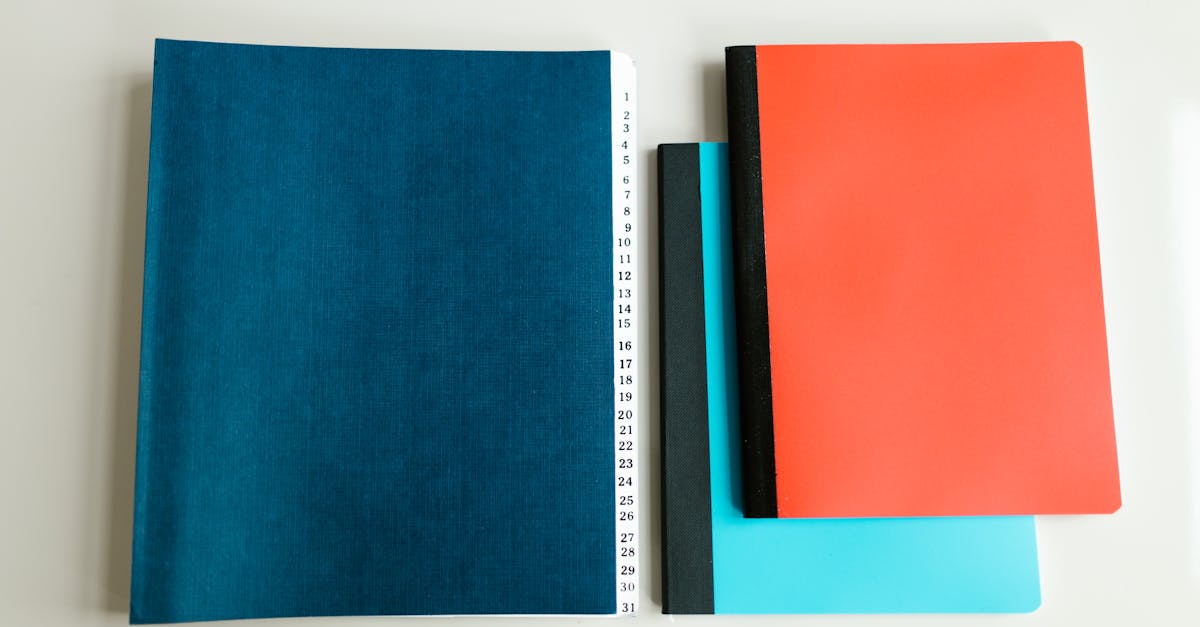
A4 Size: 210 mm x 297 mm (8.27 in x 11.69 in). This is the one you know. It’s the printer paper, the standard report, the classic school exercise book. It fits in binders, briefcases, and backpacks without a second thought.
A3 Size: 297 mm x 420 mm (11.69 in x 16.54 in). It’s literally two A4 sheets side-by-side. That extra real estate changes everything.
The math is neat. The practical impact? That’s where the real decisions happen.
Real-World Uses: Where A4 Wins and Where A3 Takes Over
You don’t buy paper. You buy a tool for a job. So what’s the job?
For General Office Use & Standard Note-Taking, A4 is the undisputed champion. It’s the default for a reason. Daily meeting notes, project logs, client files — it’s portable, professional, and universally compatible with filing systems. Ordering A4 notebooks for your corporate team is almost never a wrong move. They’re the blue-chip stock of stationery.
But walk into an Architect’s Studio, Engineering Firm, or Design Workshop. The air smells different. You’ll see A3 everywhere. Why? Brainstorming. Sketching. Technical drawings that need room to breathe. An A3 sheet gives you the space to think laterally, to connect ideas that wouldn’t fit on a narrower page. It’s for when your thoughts need a panorama, not a portrait.
I remember talking to a project manager from a civil engineering firm in Hyderabad last year. He said something that stuck with me: “We switched our site supervisors to A3 logbooks. The mistake rate on material reconciliations dropped. Not because they got smarter. Because they could see the whole week’s schedule on one spread, without flipping pages. They stopped missing things.”
That’s the power of the right size. It’s not stationery. It’s infrastructure.
The Manufacturing & Cost Reality Nobody Talks About
Here’s where we get into the nitty-gritty that shapes your quote. As a manufacturer, the size decision changes everything on our end, and that flows directly to your price per unit.
Paper Yield & Wastage: Paper comes in massive parent rolls or sheets. How we cut it down to A4 or A3 determines the yield. Cutting for A3 is often more efficient from certain stock sizes, meaning less waste. But — and this is a big but — A3 uses twice the paper area of an A4 sheet. So immediately, your raw material cost for the pages is roughly double. That’s the biggest chunk of the price difference right there.
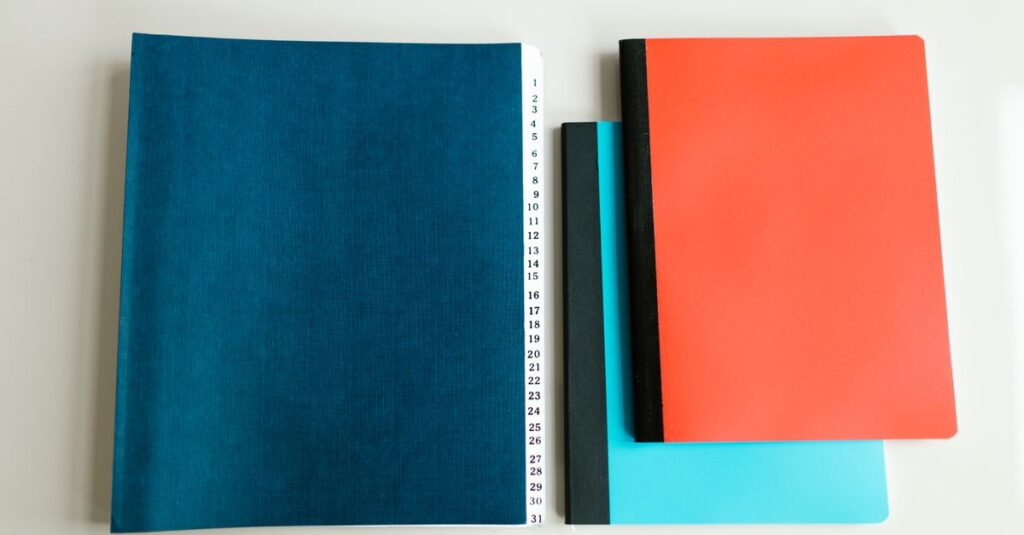
Binding & Hardware: An A3 notebook is bigger, heavier, and needs a more robust binding. Standard stitching might not hold up. We often recommend or default to spiral binding for A3, as it allows the book to lie perfectly flat, which is essential when you’re drawing or writing across the whole page. Spiral binding uses more metal or plastic, and it’s a more involved process. All of that adds cost.
Cover & Printing: A larger cover means more material (thicker board, more laminated film). Custom printing on an A3 cover also consumes more ink. It adds up.
The bottom line? An A3 notebook will almost always cost significantly more than an A4 notebook of the same page count and quality. You’re not paying for fancy branding. You’re paying for physics and material science.
Expert Insight
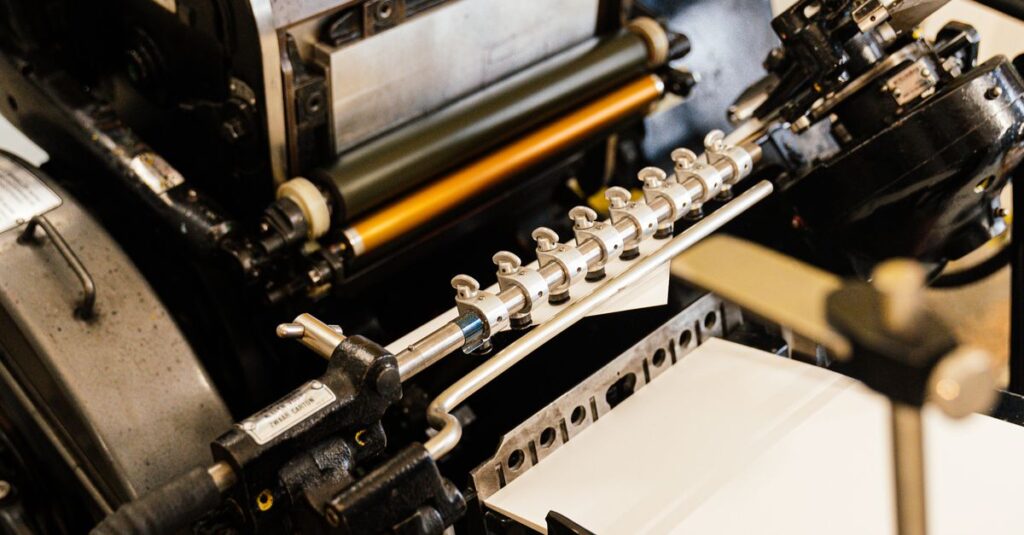
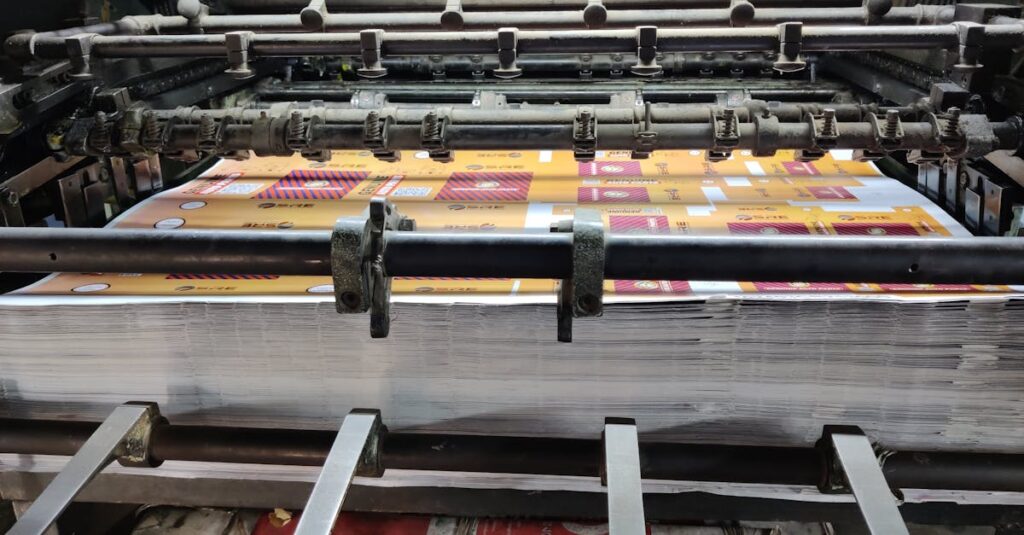
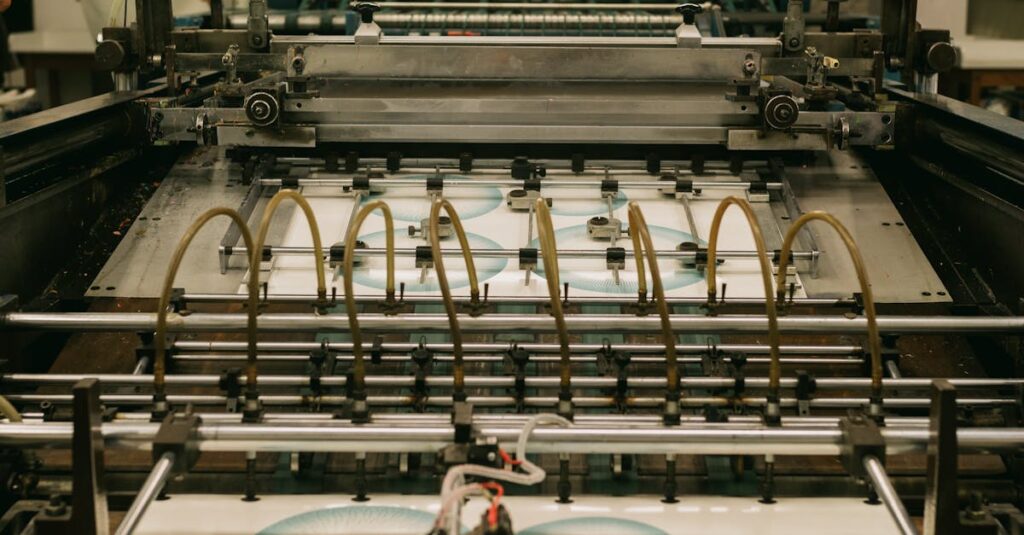
I was on the factory floor last month, watching a run of A3 drawing books for an international art supplies brand. The production head, a guy who’s been with us for twenty years, pointed at the guillotine. “People see a notebook,” he said. “I see a puzzle. Every cut has to be perfect, or the whole stack is off. A4? We could do it in our sleep. A3? You have to be awake. The margin for error is smaller because the sheet is bigger.” He wasn’t complaining. It was a point of pride. The trick, he said, isn’t just making it. It’s making it so it doesn’t fall apart in someone’s hands six months later. That’s the real test.
| Factor | A4 Notebooks | A3 Notebooks |
|---|---|---|
| Primary Use Case | General note-taking, reports, office work, standard schoolwork. | Brainstorming, technical drawing, architectural plans, art, large-format data logging. |
| Portability | High. Fits in bags, files, and laptop sleeves easily. | Low. Requires portfolios or large briefcases; cumbersome to carry multiple. |
| Material Cost (approx.) | Base cost. Standard page & cover consumption. | ~100-150% higher. Double the paper area, heavier covers, stronger binding. |
| Ideal Binding Type | Stitched binding, perfect binding. Keeps it slim and professional. | Spiral binding (wire-o or plastic). Essential for laying flat during use. |
| Customization Complexity | Standard. Printing, ruling, and hole-punching are routine. | Higher. Larger print areas need careful setup; binding is more technical. |
| Best For Bulk Orders From | Corporate offices, schools (most subjects), universities, general training programs. | Engineering firms, design studios, art colleges, construction site management, research labs. |
Making the Choice: A Simple Framework for Your Business
So, how do you decide? Stop thinking about paper. Start with these three questions.
1. What is the physical action? Are people primarily writing (words, lists, minutes) or are they drawing, sketching, or mapping (lines, shapes, connections)? Writing flows vertically. Drawing often expands horizontally. Match the page to the motion.
2. Where will it live? Is this a desktop resource that stays in one place (like a lab logbook or a planning diary on a manager’s desk)? Or does it need to be mobile, carried between meetings, sites, or classes? Mobility loves A4. A stationary hub can handle A3.
3. What’s the budget reality? Be honest. If you’re supplying 500 employees, the per-unit cost difference between A4 and A3 can blow a hole in your stationery budget. Can the workflow adapt to A4? Sometimes, the answer is yes. Sometimes, the efficiency gain from A3 pays for itself. You have to run the numbers.
Look, I’ll be direct. For probably 80% of bulk business orders, A4 is the correct, cost-effective choice. It’s the versatile all-rounder. But for that other 20% — the specialized, visual, expansive work — trying to force it onto A4 is like trying to park a truck in a compact car spot. It just creates a different kind of waste: wasted time and frustrated people.
If you’re weighing these exact trade-offs for a large order, talking to a manufacturer who understands both sides is the fastest way to a clear answer.
Beyond A3 and A4: What Other Sizes Are Out There?
While A3 and A4 get all the attention, the alphabet doesn’t stop there. Sometimes the perfect fit is a step away.
A5 (148 x 210 mm): Half of an A4 sheet. Incredibly popular for personal journals, pocket notebooks, and limited-run custom branded giveaways. It’s intimate and portable. We do a huge volume in A5 for companies wanting a premium feel for conference handouts.
B4 & B5 Sizes: Slightly larger than their A-series counterparts. B5 is a sweet spot between A4 and A5, common in some educational markets and specific professional journals.
“Executive” or “Crown” Sizes: These are traditional Indian notebook sizes (like our Crown Size: approx. 23.6 cm x 17.3 cm). They often don’t follow the ISO standard but are deeply entrenched in local school systems and certain office cultures. They’re a whole different calculation, born from local paper availability and historical use. Don’t ignore them if your supply chain is regional.
The point is, don’t get tunnel vision. The right tool might be sitting just outside the A3/A4 debate. It’s about matching the physical object to a human need.
Frequently Asked Questions
Can I get A3 and A4 notebooks with the same custom cover design?
Absolutely. That’s a common request for brands that need different formats for different teams. We simply scale the artwork to fit the different cover dimensions. The important thing is to provide high-resolution logo files so the print looks sharp on both sizes. We handle the technical resizing as part of the custom printing process.
Is spiral binding the only option for A3 notebooks?
It’s the most practical and durable option for heavy use, especially if the book needs to lie flat. We can do perfect binding (glued spine) for A3, but it can be prone to cracking if the book is opened forcefully. Stitched binding is possible but rare for A3 as it doesn’t allow for easy flattening. For 90% of A3 applications, we strongly recommend spiral.
We need A4 notebooks but with a thicker paper. Is that possible?
Yes, and it’s a great way to upgrade standard notebooks. Standard writing paper is around 54-60 GSM. For notebooks that will use markers, heavy ink, or need more durability, we can go up to 70, 80, or even 100 GSM paper. It adds to the cost and weight, but it completely changes the user experience. Just specify the GSM in your enquiry.
Do you manufacture A3 drawing books in bulk for schools?
We do. It’s a significant part of our production for art and design colleges, as well as schools with strong arts programs. These are typically unruled (plain) or with very light grids, often with spiral binding and a sturdy, laminated cover to withstand easel use. Minimum order quantities apply for custom specifications.
What’s the lead time for a bulk order of custom A4 vs A3 notebooks?
Lead time depends more on the customization (printing complexity, ruling, binding) than the size itself. A straightforward order of 10,000 A4 notebooks might take 3-4 weeks. An equivalent A3 order with spiral binding might take 4-5 weeks due to the more involved binding process. The best way to get an accurate timeline is to share your detailed specs for a formal quote.
The Real Choice Isn’t Paper Size
At the end of all this, the choice between A3 and A4 — or any size, really — comes down to respect. Respect for the work being done, and respect for the budget paying for it. It’s about finding the point where utility and economy shake hands.
Most people default to A4 because it’s safe. And most of the time, that’s fine. But when you have a team doing work that needs space to grow, giving them A3 is a silent signal that you understand what they’re up against. The cost is higher. The value, when it’s the right fit, is immeasurable.
I don’t think there’s one universal answer here. Probably there isn’t. But if you’ve read this far, you’re not just buying notebooks. You’re provisioning tools. And you’re already figuring out which tool does the job without breaking the bank. That’s the conversation worth having next.