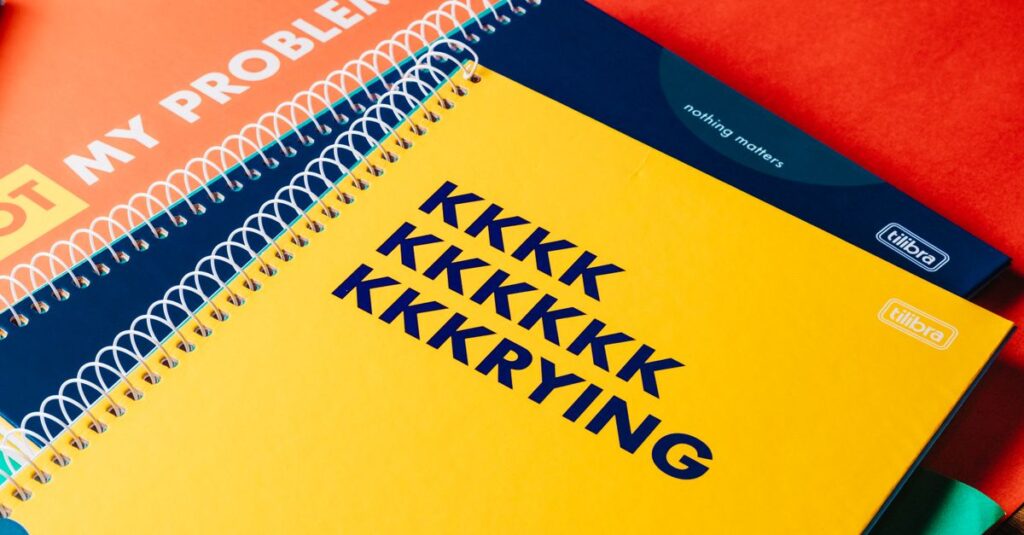
Okay, let me get this out right away. When you order 20,000 notebooks for a school district or a company rebrand, you're not thinking about ink rollers and plates. You're thinking about deadlines, budgets, and whether that logo will look crisp on every single cover. But here's the thing — all of that hinges on the printing method. And for notebooks, especially bulk notebooks, that method is almost always offset printing. It's not flashy or new. It's workhorse technology that gets the job done right, consistently, at scale. I've seen a lot of printing methods come and go over forty years, but for manufacturing notebooks, this one's still king.
If you're a procurement manager or a distributor trying to figure out why your notebooks should be offset printed, or just want to know what you're actually buying, this is for you.
And honestly, I'm not going to pretend it's magic. It's just solid, reliable engineering. We use it every day because it works.
The Simple Truth: What Offset Printing Actually Is
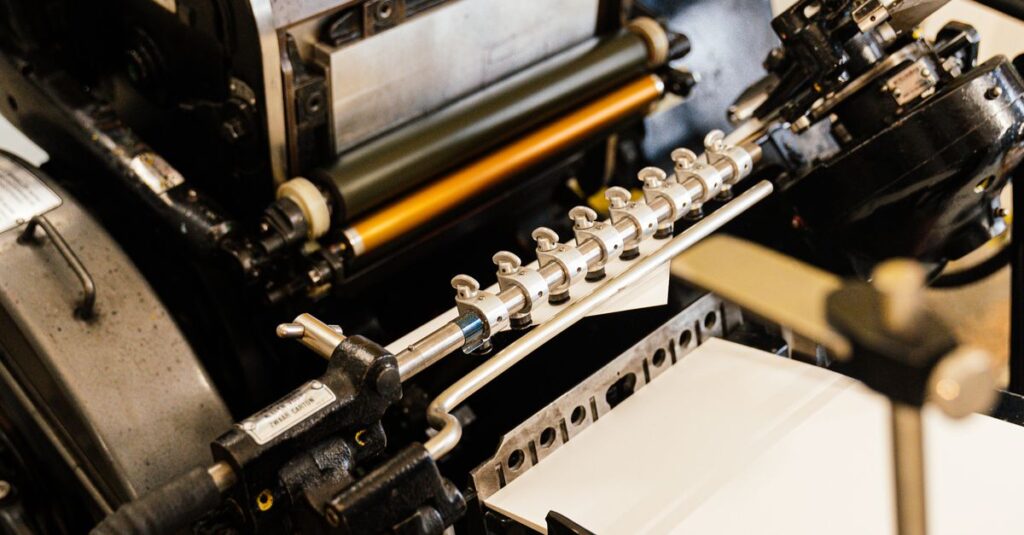
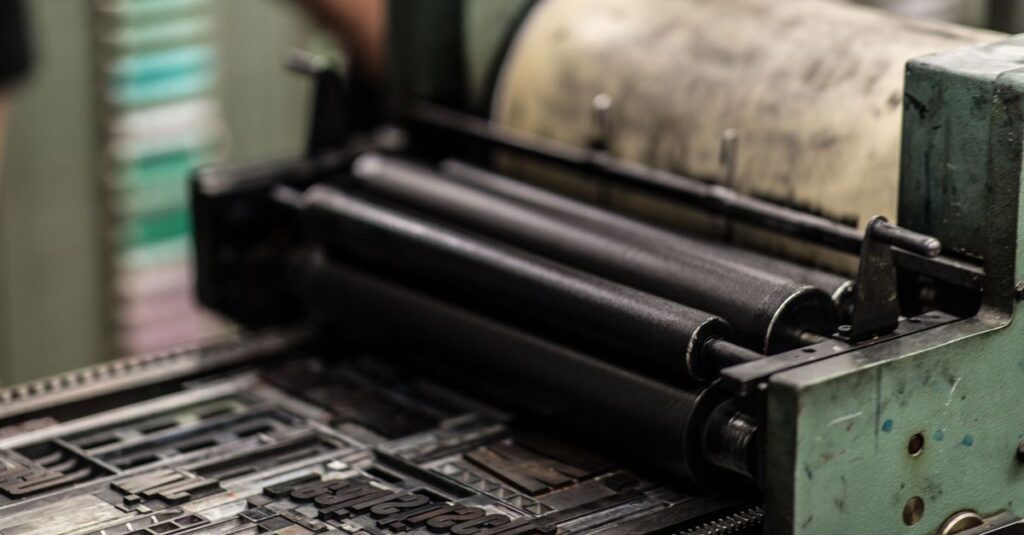
Imagine you need to print a thousand identical sheets of paper with a company logo, in perfect registration, with no smudges. Digital printing could do it, sure. But the cost per page would climb, and the colour might shift from batch to batch. Offset printing sidesteps that completely. It doesn't put ink directly onto the paper. Instead, it puts ink onto a metal plate, then transfers ('offsets') that ink to a rubber blanket, and only then from the blanket onto the paper.
Three steps. Plate, blanket, paper.
The beauty of this roundabout method is consistency. The rubber blanket conforms to the paper surface, giving you a sharp, even print on everything from smooth coated covers to slightly textured notebook paper. It's why you can pick up any notebook from a batch of 50,000 and the text looks exactly the same. The process doesn't care about minor paper variations.
And that's probably the biggest reason bulk manufacturers use it. You're not printing one poster. You're printing thousands of identical products that need to look like they came from the same factory, on the same day.
Why Notebook Manufacturing Relies on It
Think about a typical order. A university wants 10,000 custom notebooks for freshman orientation. The cover has a detailed crest, some text, maybe a splash of colour. The inside pages might have a branded header on each sheet. That's not a one-off job. It's a massive, repetitive run.
Offset printing is built for repetition. Once you make the plate — which is a one-time cost — you can run it for hours, days, producing identical prints at a speed digital machines can't match. The cost per unit drops dramatically as the quantity goes up. For a 52-page notebook, you're printing the cover and potentially every single page inside. Speed and cost-efficiency aren't just nice bonuses; they're the whole point.
I was talking to a procurement officer from a government institution last month — over a surprisingly good cup of coffee in their office — and she said their biggest fear with bulk orders is inconsistency. 'If the first thousand notebooks look great and the next thousand have faded logos, we can't distribute them.' That's the headache offset printing avoids.
Real-Life Micro-Story
Rahul, 42, runs procurement for a chain of private schools in Hyderabad. Last year, he tried a supplier using only digital printing for a mid-sized order of 5,000 exam notebooks. The first 500 were perfect. By notebook 1500, the blue in the school motto started looking slightly green. By 3000, it was a different shade altogether. He showed me two notebooks from the same order side-by-side. You wouldn't believe they were supposed to be identical. He spent weeks dealing with complaints from principals. Now his first question to any new supplier is: 'Do you use offset for bulk runs?' It's not about tech preference. It's about predictable results.
The Nitty-Gritty: How It Works in Our Factory
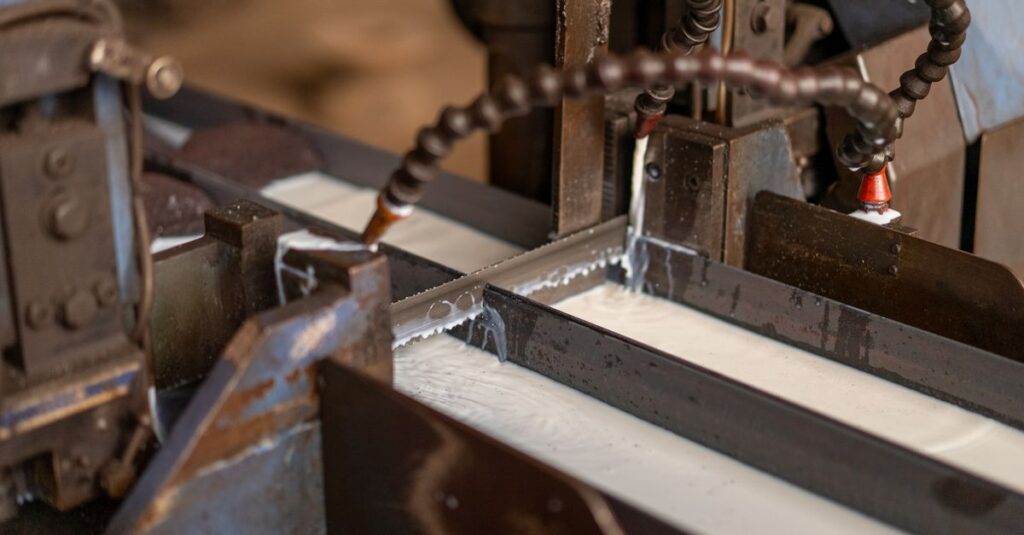
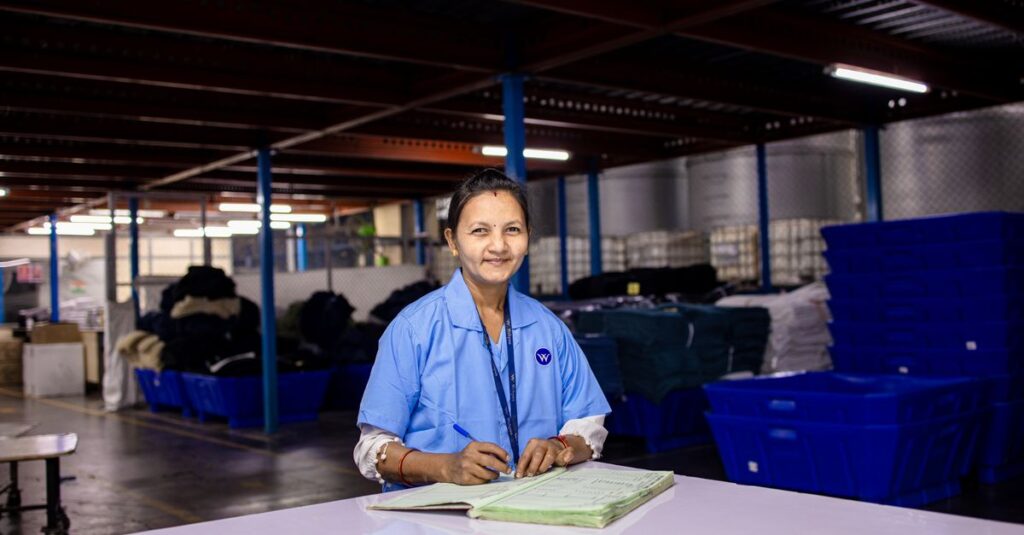
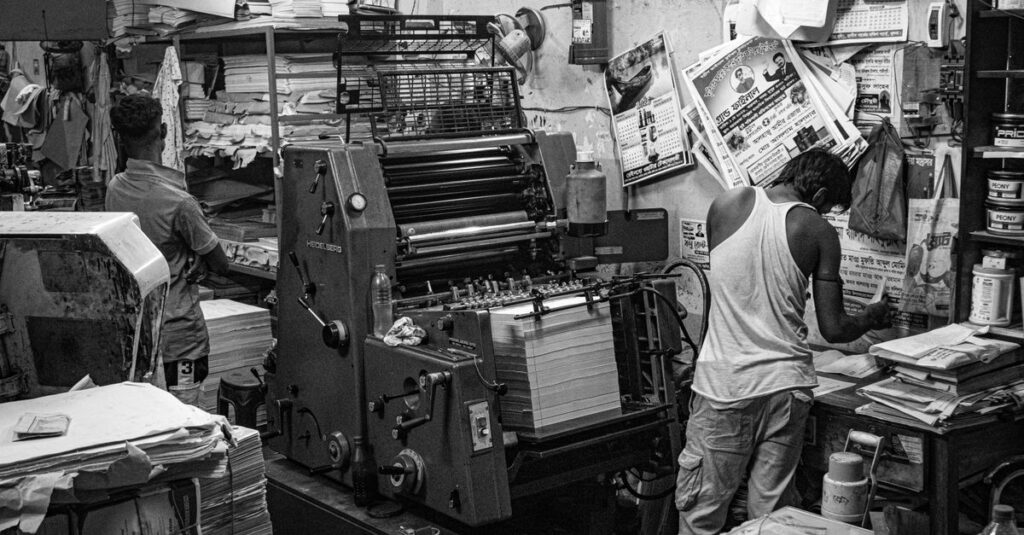
Right. So how does this look on the ground? In our plant in Rajahmundry, the offset presses are the loud, humming heart of the production floor. For a custom notebook order, the process starts with your design file. We create a metal plate for each colour — if your logo is blue and black, that's two plates. Each plate is mounted on a roller on the press.
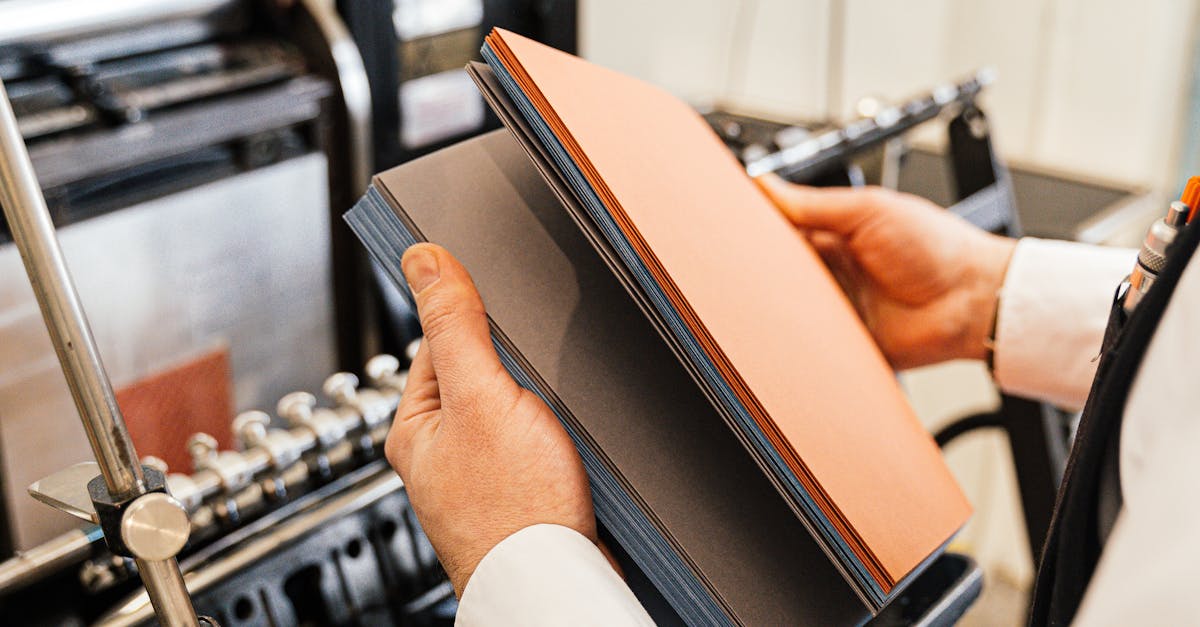
The roller picks up ink and transfers it to the offset blanket roller. The paper — whether it's cover stock or the inner 70 GSM writing paper — runs through, getting pressed against that blanket. One colour at a time. For multi-colour designs, the paper might pass through several units in the press. It's a physical, mechanical process. There's a rhythm to it.
- Plate Preparation: The one-time setup. This is where the cost is front-loaded.
- Running the Press: The high-speed, low-cost-per-page phase. This is where scale pays off.
- Quality Checks: Every few hundred sheets, we pull a sample to check registration and colour density.
It's not instant. It needs calibration. But once it's running, it's a river of identical printed sheets. That's the output you need for binding into thousands of notebooks.
Expert Insight
I was reading an old industry journal a while back, and a technician wrote something that stuck with me. He said offset printing, for bulk paper goods, is less about innovation and more about trust. You trust the machine to do the same thing, every time, for the next ten hours. In a business where an order might be for 40,000 units, that trust is everything. The flashier digital methods promise flexibility, but for sheer, relentless duplication, the old offset press wins. I don't have a cleaner way to put it than that.
Offset vs. Digital: The Real Choice for Bulk Orders
Look, digital printing is fantastic. For short runs, variable data, quick prototypes. If you want 100 notebooks each with a different employee's name, digital is your friend. But for bulk, standardised notebook manufacturing? The economics flip.
| Consideration | Offset Printing | Digital Printing |
|---|---|---|
| Cost per Unit (High Volume) | Drops significantly after initial setup | Remains relatively constant, often higher |
| Colour Consistency | Excellent across entire run | Can drift over long runs |
| Speed for Large Runs | Very high, continuous output | Slower, more suited to batches |
| Material Flexibility | Works on a wide range of paper stocks | Best on specific, smoother papers |
| Setup Time / Cost | Higher initial setup, plate cost | Low to no setup, ready to go |
| Best For | 10,000+ identical notebooks | 500-5000 notebooks, or customised variants |
The table makes it pretty clear. If your order size is in the thousands and every item needs to be the same, offset is the only financially sane choice. The initial plate cost gets amortised over every single notebook, making each one cheaper. Digital can't do that. Its cost per page is fixed.
And that's the decision point most corporate buyers hit. They want both quality and economy. Offset delivers both, but only after a certain volume threshold. Before that threshold, digital might look attractive. But crossing it? Offset wins.
The Unspoken Benefit: Durability on the Page
This is something most people don't realize until they see it. Offset ink sits on the paper differently. It doesn't just stain the surface; it bonds to it. For a notebook that'll be handled, thrown in bags, possibly used for months, that matters. The printed text on the cover or the header on each page doesn't rub off easily.
I've seen school notebooks come back after a full term, and the offset-printed school logo on the cover is still sharp. The student's scribbles on the inside are a mess, but the branding is intact. That durability comes from the ink formulation and the way it's applied under pressure from the blanket.
It's a small thing. But for a brand putting its logo on a product, or an institution distributing notebooks that should look professional all year, it's not small at all. It's the difference between a product that feels quality and one that feels cheap.
We've built our whole operation around this kind of durability. Because notebooks aren't flyers. They're tools that get used.
Common Misconceptions (And One Big Mistake)
There's a belief that offset printing is 'old tech' and therefore inferior. Actually, no. It's refined tech. It's been perfected over decades for exactly this kind of industrial-scale paper printing. The mistake is thinking newer always means better for manufacturing.
The other misconception is that it's only for huge, million-unit runs. Not true. The break-even point is lower than you think. For notebook orders above, say, 5000 units, offset starts making undeniable economic sense. The quality consistency alone justifies it.
The big mistake buyers make? Not asking. They assume all printing is the same. They get quotes based on quantity without asking 'what method?' And then they get surprised when the sample is perfect but the bulk delivery has issues. Always ask. If you're ordering bulk, insist on offset. It removes a variable.
So, Should You Always Choose Offset?
Probably. For notebook manufacturing, yes. But let me complicate that a bit.
If your order is under a thousand notebooks and you need each one personalised — different names, different codes — then digital is the right tool. Offset can't do variable data efficiently. Also, if you're prototyping a design and need fifty samples tomorrow, go digital.
But for the core of your business — supplying standard notebooks to schools, branded diaries to corporates, uniform account books to institutions — offset is the baseline. It's the expected standard. Any manufacturer doing bulk work should have offset capability. If they don't, question their scale.
Earlier I said offset is king. That's not quite fair — it's more that it's the foundation. Digital is the flexible specialist you call for specific jobs. But the foundation is what holds up the whole bulk order.
Frequently Asked Questions
Is offset printing more expensive than digital printing?
For small runs, yes, because of the plate setup costs. For large bulk notebook orders — like 10,000 units or more — offset becomes much cheaper per notebook. The initial cost gets spread over every single item, making it the economical choice for scale.
Can offset printing handle custom notebook cover designs?
Absolutely. It's actually ideal for custom designs. Once the plate is made from your design file, it reproduces that design with perfect accuracy on every cover. The colour matching is superior, which is crucial for branded corporate notebooks or school logos.
What paper types can be used with offset printing?
Offset is very flexible. It works on the standard 54-70 GSM writing paper we use for notebook interiors, on thicker cover stock, on coated paper, even on some textured surfaces. This versatility is why it's the go-to for complete notebook manufacturing, not just covers.
How long does offset printing take for a bulk notebook order?
Setup takes time — a day or so for plate creation and press calibration. But once running, an offset press can produce thousands of sheets per hour. For a typical large order, the printing phase itself is often the fastest part of the whole manufacturing process.
Why do most notebook manufacturers still use offset printing?
Because it delivers consistent quality at high speed for low per-unit cost. When you're producing 30,000 notebooks a day, you need a method that doesn't vary, doesn't slow down, and doesn't cost more the longer you run it. Offset printing does exactly that.
Final Thought
At the end of the day — and I mean literally at the end of a production day — what matters is that the notebooks are done, they look professional, and they're ready to ship. Offset printing is the method that makes that happen reliably, day after day, for orders of every size. It's not the newest technology on the block. It's the most dependable one.
I don't think there's one perfect answer for every single print job. But if you're in the business of buying or supplying notebooks in bulk, you already know what you need — you're just figuring out if your supplier can deliver it consistently. Offset printing is how they do.
If you're planning a bulk order and want to talk specifics about how offset printing would work for your notebooks, it's worth having a conversation. We've been doing this since 1985. The method hasn't changed much, because it still works.