

Let’s Get Real About “Print On” for Notebooks
You’re probably searching “print on” or “print o” because you need branded notebooks. Maybe you’re a procurement manager with 2000 new employee diaries to order. Or a school principal wanting custom covers for next year. And you’re hearing about this thing called “print-on-demand.” It sounds modern. It sounds flexible. But here’s the thing — for bulk institutional orders? It might be the wrong answer entirely. I’ll explain why. I’ve seen this mismatch more times than I can count. If you’re ordering hundreds or thousands of notebooks, this is worth a hard look. Our printing process is a different animal, and it’s built for people like you.
What “Print-On-Demand” Actually Means
Right. So print-on-demand, or POD, is basically a “one-off” manufacturing model. You upload a digital design, and a machine prints and binds a single notebook, or a very small batch, only when someone orders it. Think of it like an office printer for books. No warehouse full of stock. No huge upfront cost. That’s the dream they sell. It’s perfect for an artist testing a new journal design, or a startup selling 50 branded notebooks online. The model is built for tiny quantities, made to order, with a high per-unit price. The flexibility is real. The economics for bulk orders? Not so much. Which leads to the biggest point most articles miss.
Expert Insight
I was reading an industry report last quarter, and one line stuck with me. It said something like — the more you scale a POD order, the more the cost structure fights you. I don’t have a cleaner way to put it than that. It’s not designed for volume; it’s designed for variety. And for schools or corporations, that distinction changes everything.
Why Bulk Buyers Should Think Twice
Okay, let’s talk about you. You need 5,000 notebooks with your university logo by July. Or 10,000 diaries for a corporate conference. Here’s where POD falls apart. Three things happen. First, the per-notebook cost stays stubbornly high. Those “per-unit” prices don’t drop the way they do in traditional bulk manufacturing. Second, the paper quality is often limited. You’re stuck with whatever generic stock the POD platform uses — usually a 70 or 80 GSM, maybe uncoated. Need a specific 54 GSM smooth writing paper for students? Not happening. Third, and this is the real headache: consistency. When you print 10,000 units over several weeks in micro-batches, the color on page 23 might shift. The binding might feel different. You get a “close enough” product. For a giveaway, maybe that’s okay. For a corporate gift or official school supply? It’s a risk you don’t want. The question isn’t whether POD is cool tech. It’s whether your order is the right fit for it.
A Tale of Two Orders: The Micro-Story
Meet Anjali, 38, procurement lead for a mid-sized tech firm in Hyderabad. She needed 800 premium diaries for an executive summit. Saw an ad for “easy custom POD.” Uploaded the logo, got a sample. It looked decent. Placed the full order. They arrived over three weeks. The navy blue on the cover? Three slightly different shades. The stitching on batch two was looser. She spent days sorting them, hiding the mismatches in the middle of stacks. It worked, but barely. She told me later, over a rushed coffee call: “I saved time on setup. I lost sleep on quality control.” I hear versions of this story all the time.
Traditional Bulk Printing vs. Print-on-Demand
Let’s make this crystal clear. This isn’t about good vs. bad. It’s about right tool for the job. See the table below.
| Factor | Traditional Bulk Manufacturing | Print-on-Demand (POD) |
|---|---|---|
| Best For | Orders of 1,000+ units, schools, corporations, distributors | Orders of 1–500 units, artists, small online stores, prototypes |
| Cost Per Unit | Drops significantly with volume. Economies of scale are everything. | Remains relatively high. You pay for flexibility, not volume. |
| Paper & Quality Control | You can specify exact GSM, ruling, binding. Consistent across the entire run. | Limited paper choices. Quality can vary between batches. |
| Lead Time | Longer setup, but once running, production is fast (e.g., 40,000 notebooks/day). | Fast setup, but each unit is made individually. Bulk orders take longer overall. |
| Customization Depth | Full control: cover material, page layout, ruling type, packaging. | Usually just cover print and basic page count. Limited structural changes. |
The real difference is in the intention. One is a factory line. The other is a digital kiosk. You wouldn’t use a kiosk to feed an entire school, right?
When POD *Does* Make Sense (And It Does)
Look, I’m not saying POD is useless. It’s brilliant for specific things. If you’re a distributor testing a new notebook design with five retailers before committing to 20,000 units? Perfect. Get 50 samples made via POD, get feedback, then go to bulk. If you’re a small business running a one-time promotional event and need 75 branded notepads? Absolutely. If you want to offer 50 different cover designs on your website without holding inventory? That’s the POD sweet spot. The rule of thumb: if your order fits in a couple of cardboard boxes, POD might be your friend. If it needs a pallet or a truck, it’s probably not. It’s about scale. And most institutional buyers live squarely in the “pallet” world.
How Real Bulk Notebook Manufacturing Works
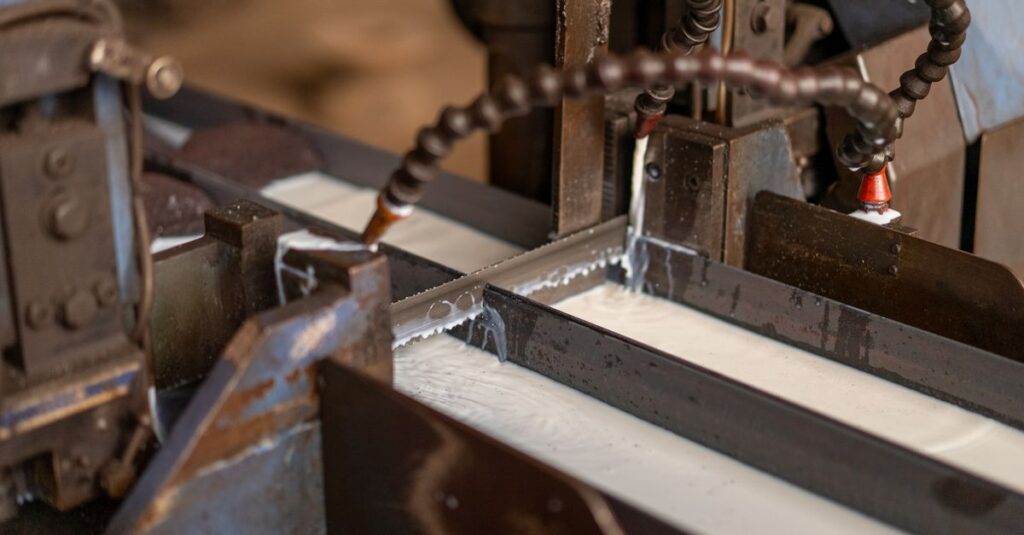
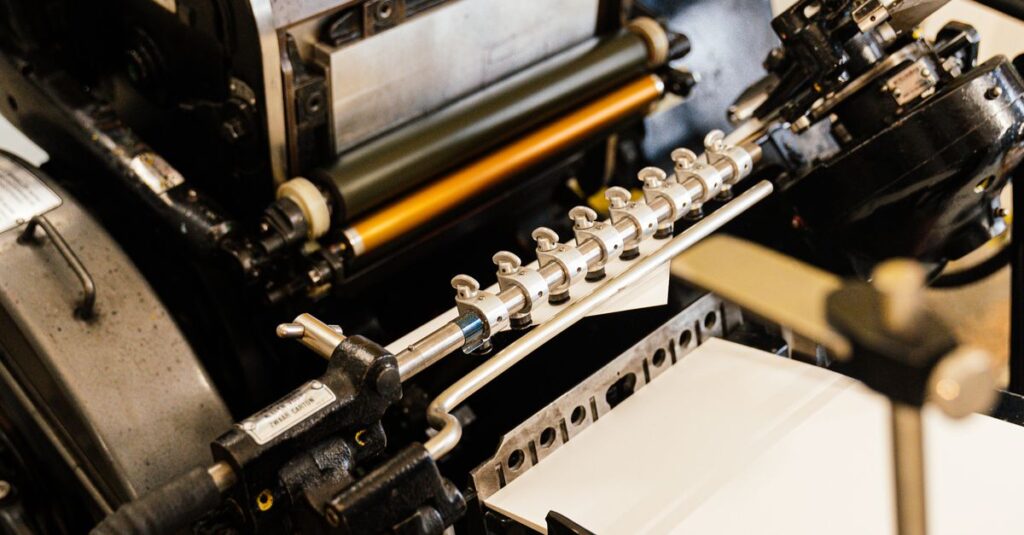
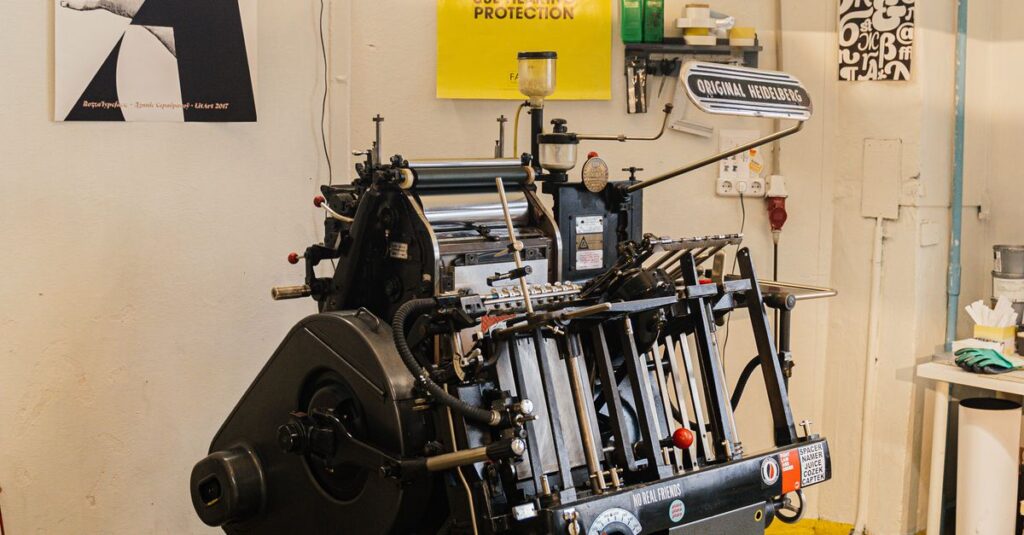
This is what we do. And it’s messy, physical, and built for volume. It starts with paper reels — huge rolls of specific GSM paper. That paper gets cut, printed in sheets using offset printing (which gives razor-sharp color consistency), then collated into notebooks. Binding happens on lines — stitching, spiral, perfect binding — by the thousands per day. Then packing, boxing, shipping. The whole process is optimized for one thing: producing a large number of identical, high-quality units at the lowest possible cost per piece. The customization happens upfront, in the setup. You choose everything:
- Paper: 54 GSM writing, 70 GSM drawing, etc.
- Ruling: Single Ruled, Four Ruled, Cross Ruled, Unruled.
- Binding: Stitched, Spiral, Perfect.
- Cover: Material, finish, foil stamping.
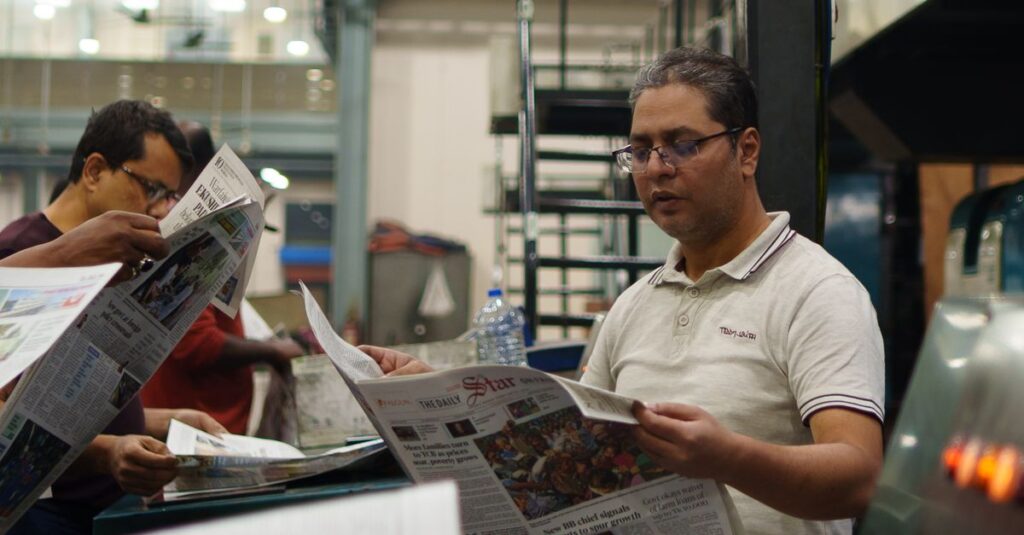
Then we run it. That’s it. The process isn’t flexible after it starts. But that rigidity is what guarantees every single notebook in that run of 30,000 is exactly the same. For a corporate order, that reliability is the product. Seeing the factory floor makes this obvious in about ten minutes.
What You Should Look for in a Manufacturer
If you’ve read this far, you’re probably sourcing for a real bulk order. So here’s what actually matters. Don’t just ask for a price. Ask these questions:
- What’s your daily production capacity? (Ours is 30,000-40,000 notebooks. That tells you about scale.)
- Can I specify the exact paper GSM? (If they say “we use standard paper,” walk away.)
- Can you show me samples of different binding types? (Feel the spine. Check the stiching.)
- What’s the lead time for 10,000 custom units? (A real manufacturer has a clear schedule.)
- Do you handle export packaging? (If you’re shipping internationally, this is a must.)
Their answers will tell you if you’re talking to a bespoke shop or a volume partner. Most people don’t realize the gap between these two is enormous. It’s the difference between a tailor and a garment factory. Both make clothes. Only one can outfit your entire staff.
Frequently Asked Questions
Is print-on-demand cheaper for large orders?
No, almost never. The per-unit cost in POD stays high because each notebook is made individually. Bulk manufacturing spreads setup costs over thousands of units, making each notebook significantly cheaper. For 5,000+ notebooks, traditional manufacturing wins on price every time.
Can I get custom page rulings with print-on-demand?
Usually not. Most POD services offer only a few preset interior page options (like blank, lined, dotted). If you need specific Four Ruled (FR) or Center Broad Ruled (CBR) pages for account books, you need a traditional manufacturer who can set up the printing plates for your exact layout.
What is the minimum order for bulk notebook printing?
It varies, but a real notebook factory typically has a minimum order quantity (MOQ) of 1,000 to 2,000 pieces per design to make the setup cost worthwhile. For smaller test runs, ask if they offer “sampling” services before the full production run.
How long does bulk production take?
After finalizing design and specs, expect 4-6 weeks for production and shipping for a large order (10,000+ units). This includes time for plate making, paper sourcing, printing, binding, and quality checks. It’s slower than POD for the first notebook, but far faster for the ten-thousandth.
Can you print hardcover diaries in bulk?
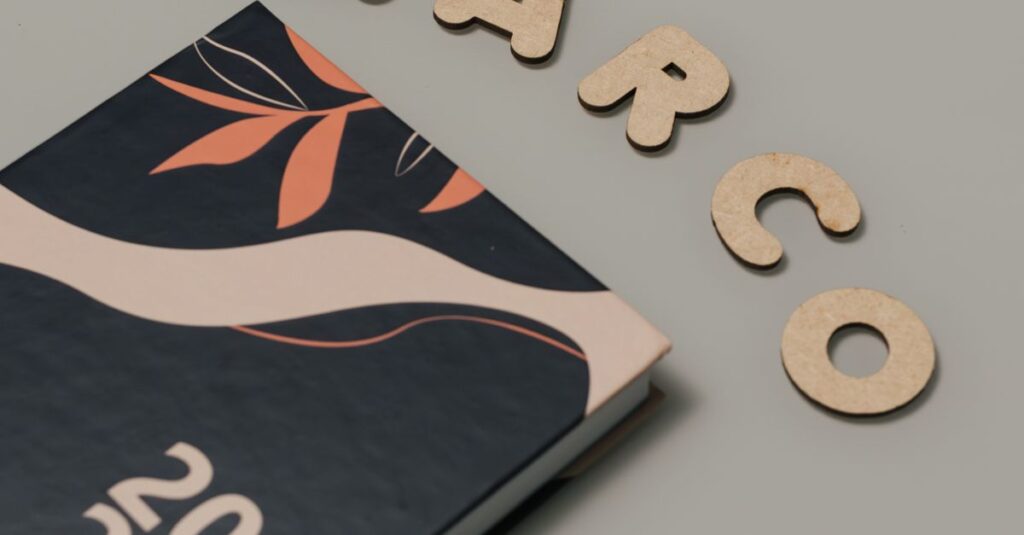
Yes, absolutely. Hardcover (perfect binding) corporate diaries are a standard bulk product. This involves different binding machinery and cover board materials, which a dedicated manufacturer will have. POD services rarely offer true hardcover options.
The Bottom Line
Print-on-demand is a tool. A useful, clever tool for small-scale, variable projects. But if your search for “print on” is driven by a need for hundreds or thousands of identical, high-quality notebooks for an institution, you’re looking at the wrong tool. You need the factory, not the kiosk. The cost, quality, and consistency demands of schools, corporations, and governments are simply on a different scale. I don’t think there’s one perfect answer for everyone. But if you’ve read this far, you already know which world your order lives in — you’re just figuring out who to call. If the bulk, traditional route is what you need, let’s talk specifics.