So, What Exactly Is a Classmate Note?
Right. Let’s clear this up. If you’re searching ‘classmate note’ — maybe you’re a procurement manager for a school district, or a business ordering branded stationery, or just someone trying to figure out what to buy in bulk — you’re probably not looking for a specific brand. You’re looking for the idea of it. The standard notebook. The one every student gets handed on the first day of class.
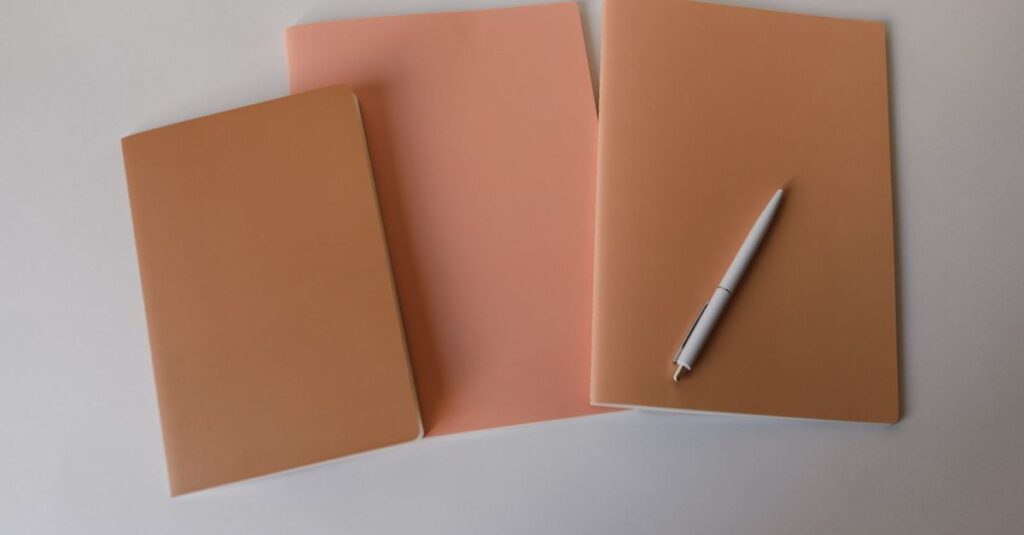
It’s not some fancy product. It’s the workhorse. That basic, single-ruled, 92-page notebook. You know the one. It’s probably A4 or Long size, with a stitched binding and a plain blue or green cover. It’s designed to be functional, affordable, and durable enough to survive a term’s worth of notes, doodles, and being shoved into a backpack. Most of the notebooks we’ve manufactured for schools over the last 40 years — honestly, they’re exactly that. If you’re sourcing them, you need to understand the specs behind that simple idea. It’s worth looking at the options.
The Anatomy of a Standard Student Notebook
Think about it this way. When a school says they need ‘classmate notes’, they’re giving you a blueprint without the technical drawings. Here’s what that blueprint actually means in factory terms.
Size is Everything (And Everyone Has an Opinion)
Three sizes dominate the classroom. Long size — that’s 27.2 cm by 17.1 cm. It’s the classic. Plenty of room for essays and diagrams. Then you have Short size, at 19.5 x 15.5 cm. Great for younger students or quick notes. And Crown size, which is 23.6 x 17.3 cm — a nice middle ground. A4 is the corporate favorite, but in schools? It’s usually Long or Crown. The choice isn’t random. It’s about desk space, backpack dimensions, and how much a 10-year-old can realistically carry.
I was talking to a school principal last month — in Visakhapatnam, actually — and she said something obvious that I’d never fully considered. “We order Short size for grades 1-5,” she told me. “Not just because their hands are smaller. Because their desks are smaller. A Long notebook hangs off the edge, gets bent, becomes a mess.” It’s a headache, honestly. But she’s right. The product has to fit the physical reality of the user.
Paper, Binding, and the Ghost of Past Mistakes
Paper quality is where bulk buyers get it wrong. Nine times out of ten. They see 54 GSM paper and think ‘lightweight, cheaper’. And it is. But standard 54 GSM writing paper is designed for a smooth writing experience without ink bleeding through. Go below that, and you get that awful see-through effect where writing on one side makes the other side useless. I’ve seen it. Schools hate it. Students hate it more.
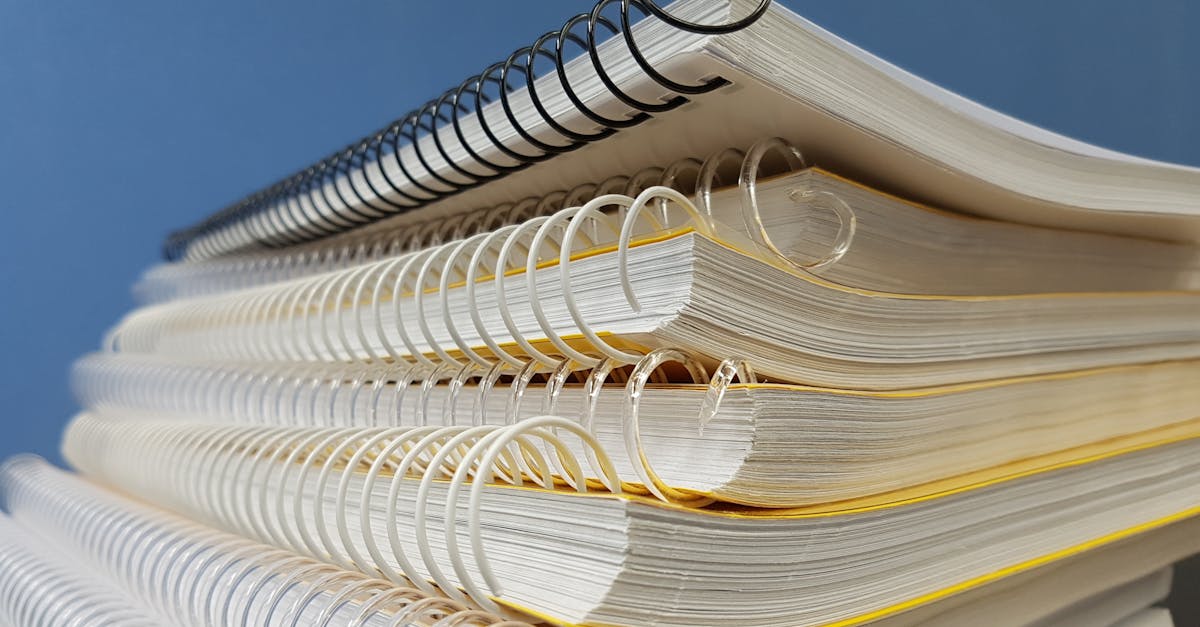
Binding is the other silent deal-breaker. Stitched binding is the go-to for a reason. It lies flat, pages don’t fall out, and it’s durable. Spiral binding is great for art books or things that need to fold back completely, but those metal coils get bent in a backpack. Perfect binding — the kind with glued spines like a paperback — looks neat but can crack if a notebook is forced open too wide. For the daily grind of student life? Stitched. Every time.
Beyond the Basics: Customizing the “Classmate”
This is where it gets interesting. Because once you understand the base model, you realize how many schools and businesses want to tweak it. And they should.
Logo on the Cover, Lesson Plan on the Inside
A blank cover is a missed opportunity. I think — and I could be wrong — that’s becoming the consensus. Schools put their emblem, their motto. Corporations print their logo for training sessions or conferences. It turns a commodity into something with identity. The cost? Minimal, especially in bulk. The effect? Huge.
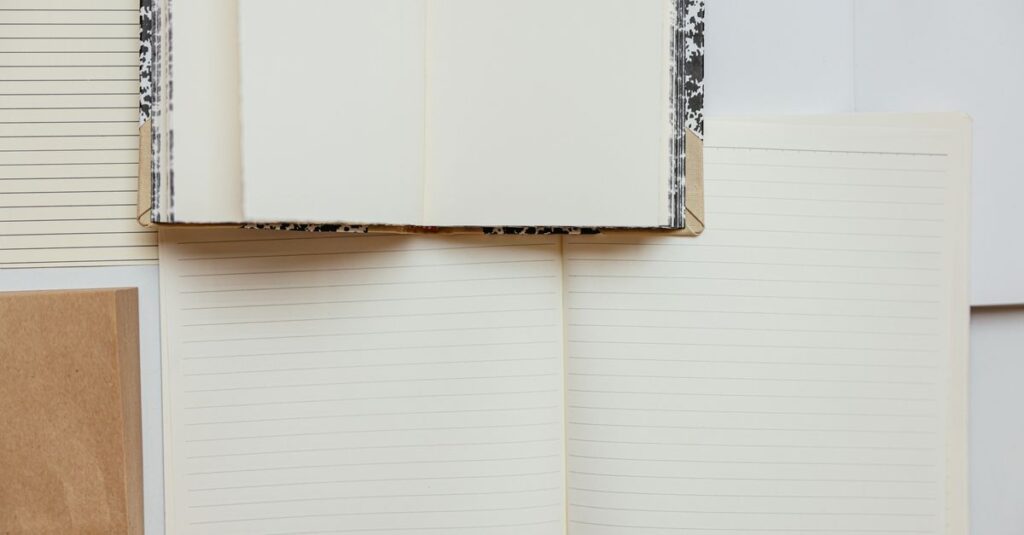
Then there’s the ruling. Single-ruled (SR) is the default. But what about Four-ruled (FR) for younger kids learning script? Or Unruled (UR) for drawing and diagrams? Cross-ruled (CR) for math or graphing? We printed a batch for an engineering college last year — custom graph paper on every page. They weren’t buying notebooks. They were buying tools. The question isn’t whether you need customization. It’s whether you’ve asked what the notebook actually needs to do.
Expert Insight
I was reading a procurement report last month and one line stuck with me. The analyst said something like — the most cost-effective order isn’t the cheapest per unit. It’s the one that matches the exact need, so nothing is wasted. Don’t quote me on that exact phrasing. But it’s true. Buying 10,000 single-ruled notebooks because they’re cheap, when 4,000 of your students need four-ruled, is a false economy. You just created waste and another purchase order.
A4 vs. Long Size: The Notebook Showdown
This debate comes up constantly. Corporate buyers love A4. Educational buyers often prefer Long size. Why? Let’s break it down.
| Feature | A4 Notebook | Long Size Notebook |
|---|---|---|
| Standard Dimensions | 21.0 cm × 29.7 cm | 27.2 cm × 17.1 cm |
| Primary Use Case | Office documents, reports, professional notes. | School essays, class notes, general student work. |
| Portability | Taller, fits well in folders and briefcases. | Wider, fits better in standard student backpacks. |
| Page Layout Feel | Portrait orientation, formal. | Landscape orientation, feels more spacious for writing. |
| Manufacturing Commonality | Global standard, easy to source. | Very common in Indian and Asian school systems. |
| Best For | Corporate branding, executive diaries, official use. | Bulk school supply, everyday student notes. |
Look, I’ll be direct. If you’re supplying an office, order A4. It’s what they expect. If you’re supplying a school, ask them. Most likely, they’ll say Long or Crown. It’s what their syllabus and desks are set up for. Trying to force one standard on the other is just creating friction for the end user. And the end user — the student or the employee — is the one who has to live with it.
How Bulk Notebook Manufacturing Actually Works
You see a notebook. I see a process. And understanding that process is the only thing that matters here if you’re placing an order for 5,000 units or more.
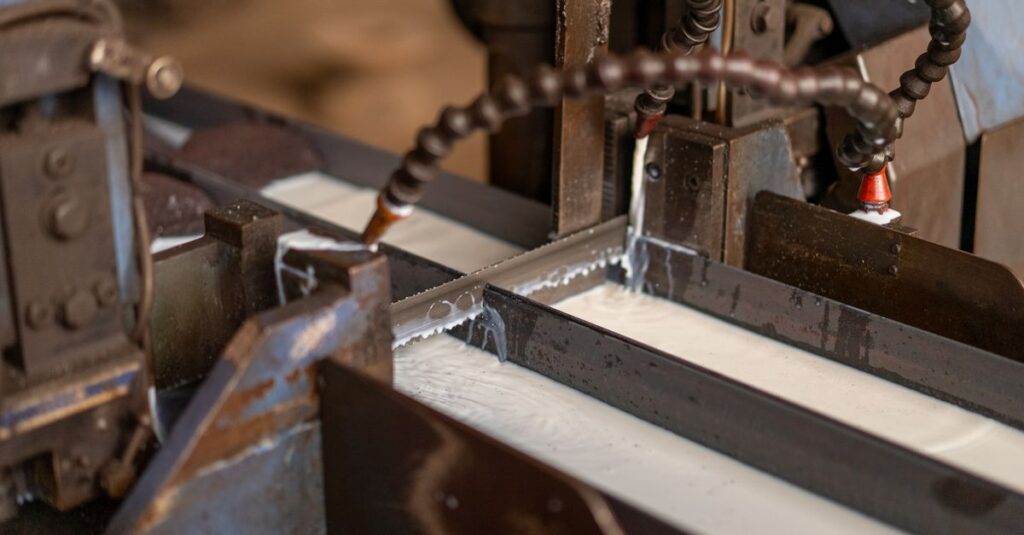
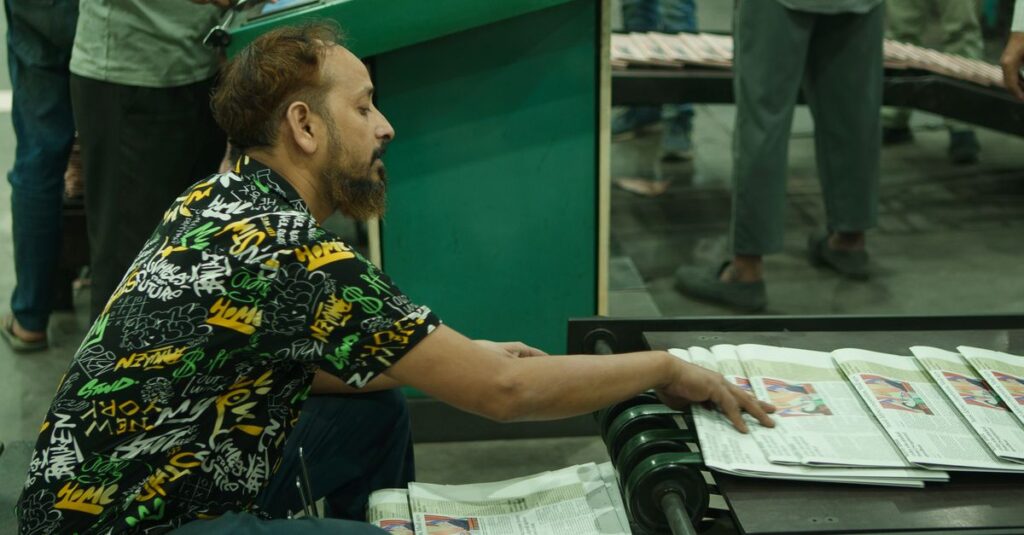
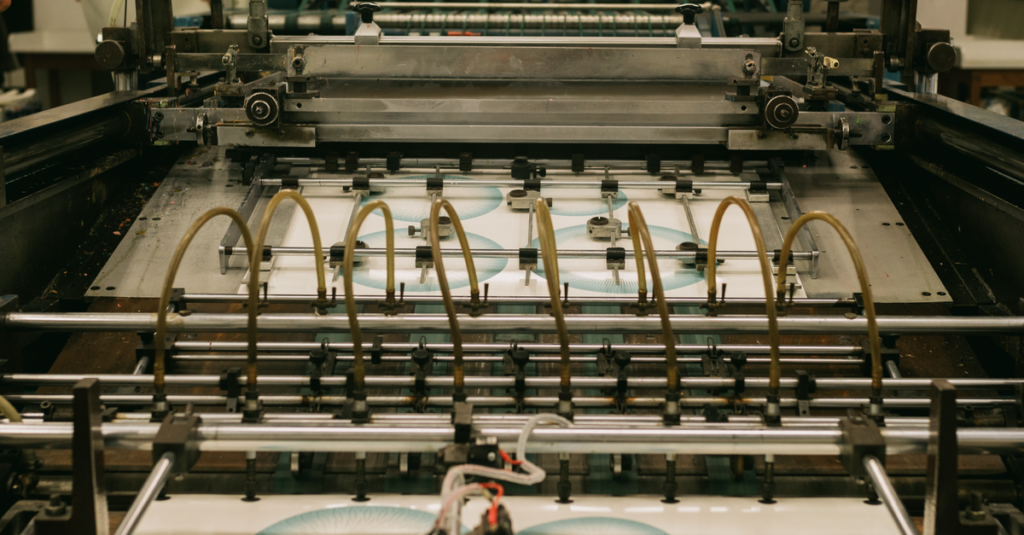
It starts with the paper ream. Huge sheets, printed with the ruling in one pass. Then they’re cut down to size — guillotine cutters slicing through stacks like butter. The covers are printed separately, often on thicker stock. Then the gathering: stacking the inner pages, adding the cover, aligning it all. The stitching machine is a beast — it threads through the entire spine in seconds, tying it off tightly. Then it’s trimmed again for a clean edge. Finally, packing. 10 notebooks to a bundle, 50 bundles to a carton.
Our factory can do 30,000 to 40,000 of these in a day. That scale is why bulk pricing works. But the real secret? Consistency. Making sure the 10,000th notebook is identical to the first. That’s what a real manufacturer provides. Not just product, but predictability.
The Real Cost of a “Cheap” Notebook
Here’s the thing. Everyone wants a good price. But a low price and a good price are different animals.
A cheap notebook might have 48 GSM paper that ghosts. The stitching might be loose, so pages come out in week three. The cover card might be so thin it curls in humidity. You save 2 rupees per unit. And then you get complaints. Teachers complain to the principal. The principal complains to you. You have to replace them, eat the cost, and damage the relationship. That 2-rupee saving just cost you a client.
What most people don’t realize is that the reliable, standard “classmate note” — the one that just works — is the result of four decades of refining those details. The paper weight, the thread strength, the glue quality. It’s boring. Until it’s not. And then it’s all anyone talks about.
Anyway. Where was I. The point is, sourcing isn’t about finding the cheapest supplier. It’s about finding the one who understands that a notebook isn’t just a stationery item. It’s a container for a year’s worth of learning. That needs a certain respect.
Frequently Asked Questions
What is the most common notebook size for students?
In India and many Asian school systems, the Long Size notebook (27.2 cm x 17.1 cm) is the most common. It offers a good balance of writing space and portability for school bags. The Crown Size (23.6 x 17.3 cm) is also very popular, especially for middle grades.
What does GSM mean in notebook paper?
GSM stands for Grams per Square Meter. It’s a measure of paper density and thickness. For standard student writing notebooks, 54 GSM is typical — it’s thick enough to prevent ink bleed-through but light enough to keep the notebook from being too heavy or costly. Lower GSM feels flimsy; higher GSM is used for premium or art notebooks.
What is the best binding for school notebooks?
For daily-use student notebooks, stitched binding is the most durable and practical. It allows the book to lie flat, holds pages securely, and withstands rough handling better than spiral or perfect binding. It’s the default for a reason.
Can I get custom logos printed on bulk notebook orders?
Absolutely. Most notebook manufacturers offer custom printing on covers. It’s a standard service for bulk orders from schools, corporations, or institutions. You provide the logo artwork, and they’ll print it on the cover card before binding. It adds branding without significantly increasing the per-unit cost on large orders.
How many pages should a standard classmate note have?
92 pages and 200 pages are the most common counts for a standard school exercise book. 92-page books are often for single-subject or shorter terms, while 200-page books are for main subjects meant to last a full academic year. It depends entirely on the school’s curriculum planning.
Wrapping It Up
So, a ‘classmate note’ isn’t a mystery. It’s a specification. The right size, the right paper, the right binding, made reliably at scale. For procurement managers, the job is to translate that general need into a precise order. Get the size wrong, and students struggle. Get the paper wrong, and work is ruined. Get the supplier wrong, and you’re dealing with fallout all year.
I don’t think there’s one perfect notebook for everyone. Probably there isn’t. But if you’ve read this far, you already know what matters — durability, functionality, and consistency. The rest is just figuring out which partner can deliver that, order after order. That’s the actual search. Maybe start there.