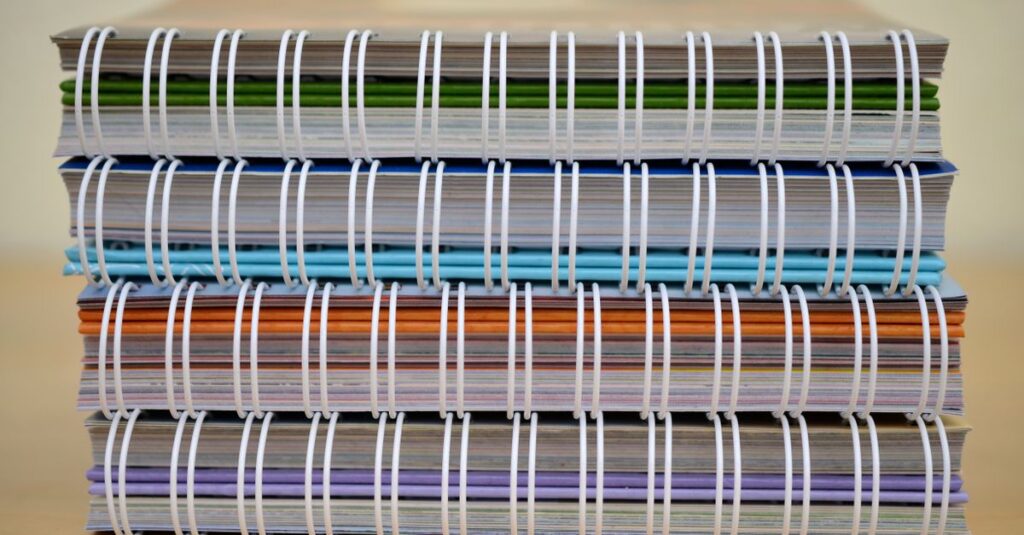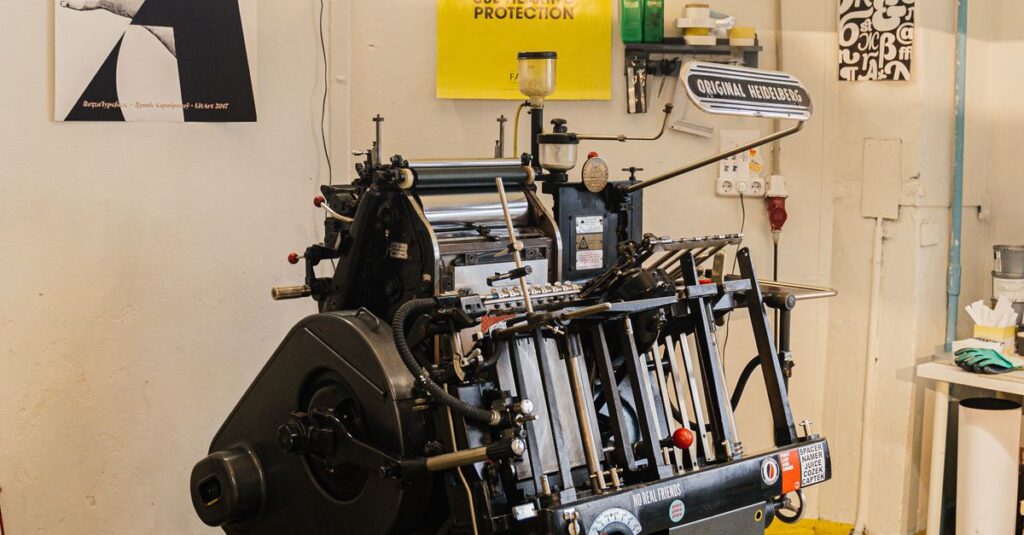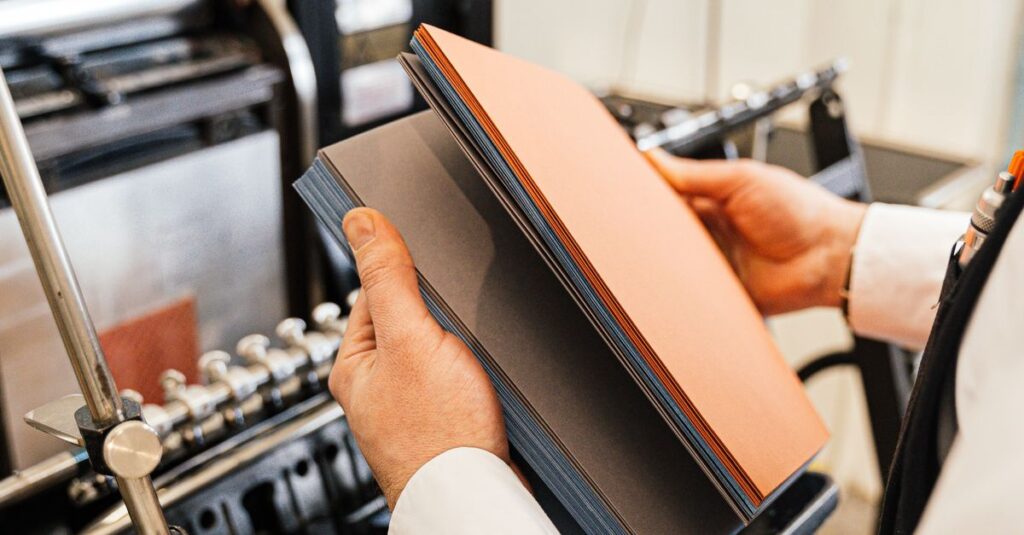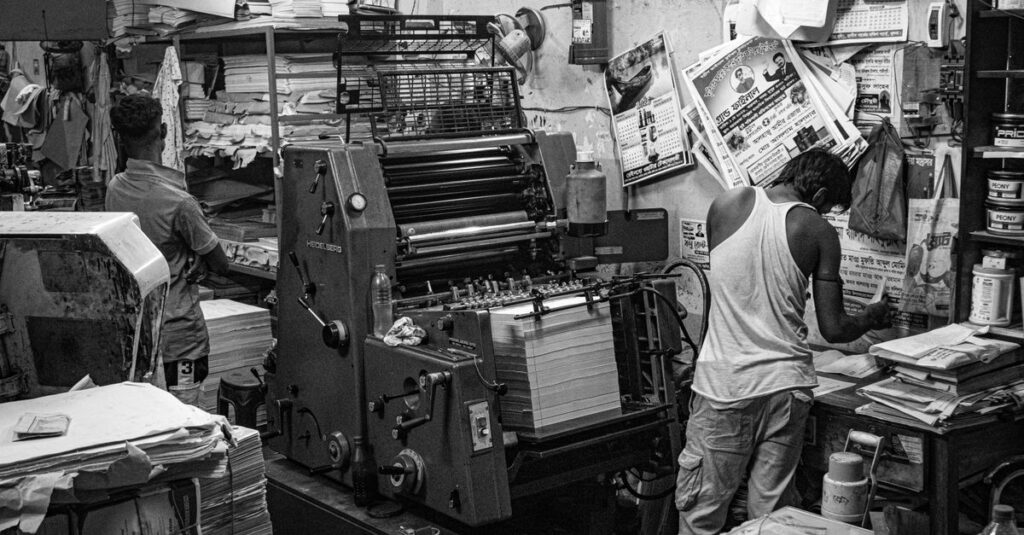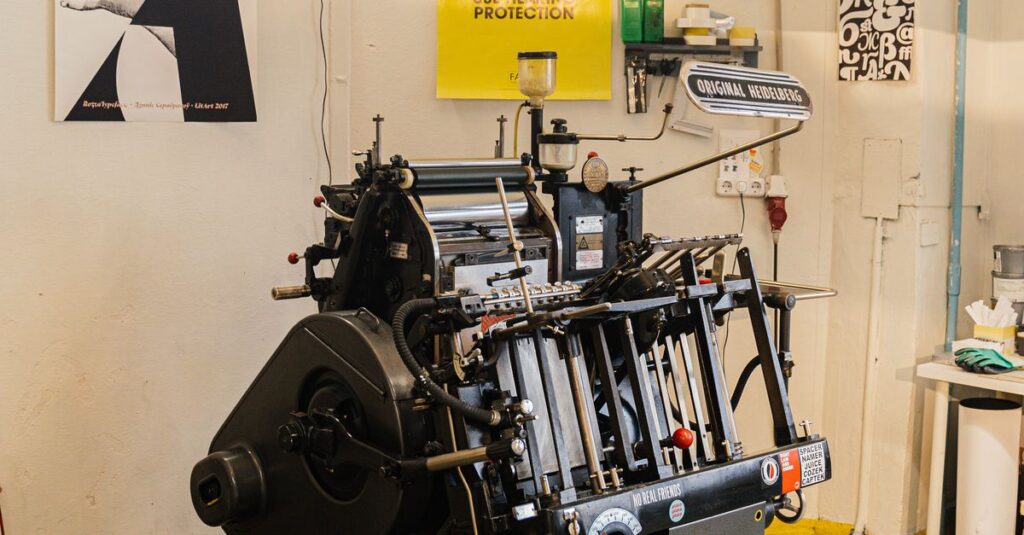


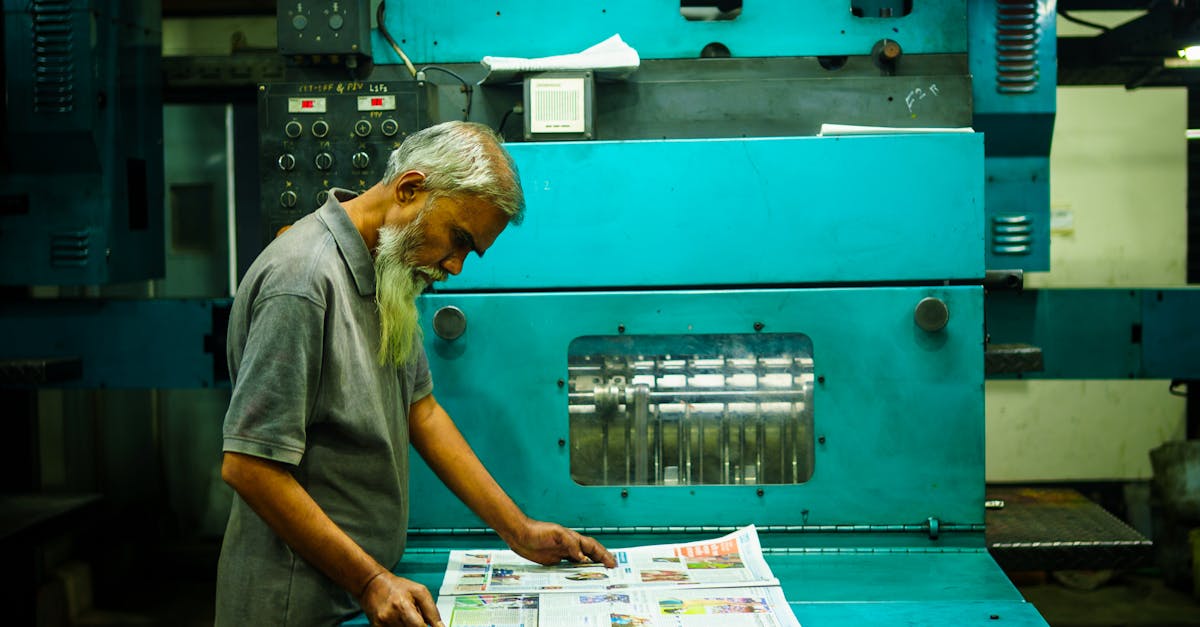
You’re sitting there with a purchase order for 5,000 custom notebooks, a deadline that’s starting to feel real, and a question that keeps popping up. Should you go with the big-name manufacturer a thousand miles away, or just find someone local? The thing is, nobody ever talks about the sheer relief of working with a nearby printing press. It’s not just about shipping costs or lead times, though that’s a huge part of it. It’s about control. It’s about being able to drive over and look at the paper samples yourself, on a Tuesday morning, before your third coffee.
If this sounds familiar — the pressure of a corporate order, the stress of a school supplies deadline, the need for a private label product that looks just right — finding a local partner might be your answer.
The Hidden Costs of Distance
It seems logical: find the cheapest quote, no matter where it’s from. But here’s the thing — cost isn’t just the price per notebook on an invoice. It’s the phone call you have to make at 2 AM because of a time zone difference to clarify a cover design. It’s the surprise freight charge that shows up three weeks into the process. It’s the shipment that gets held up at a port for customs you didn’t even know you had to deal with. I’ve talked to enough procurement managers over the years to know this is where budgets silently bleed. The cheapest quote can become the most expensive headache. Fast.
What most people don’t realize is how quickly communication breaks down over distance. An email thread with a 12-hour reply lag turns a simple question into a three-day ordeal. A blurry photo of a color proof doesn’t tell you if the red is fire-engine or maroon. And the real killer? Sampling. Getting a physical sample from a far-off factory can take weeks. When you have a local printing press, you can get a sample in your hands by the end of the week. That’s not logistics. That’s sanity.
Expert Insight
I was chatting with a client last year — a university administrator — and he said something that stuck with me. He told me about ordering lab manuals from a supplier overseas. The print was slightly off-register. Not enough to reject the whole order, but enough to annoy every student. He said, “If they were an hour’s drive away, I’d have been in their office that afternoon. Instead, I sent an angry email and waited. That’s the difference.” It's not about proximity; it's about accountability. When your supplier knows you can walk in, the quality tends to walk up. I don't have a cleaner way to put it than that.
It’s Not Just About Speed, It’s About Agility
Okay, let me rephrase that. It is about speed. But a specific kind of speed. It’s the ability to adapt. Picture this: You’ve ordered 10,000 A4 notebooks for a corporate training program. Halfway through production, the client calls. They’ve rebranded. The logo is different. The PMS color changed.
If your printer is in another state, or another country, what happens? Panic, usually. A long chain of emails, revised quotes, production delays, and likely a cancelled order. But if your printer is nearby? You get in the car. You sit across from their production manager with your laptop. You look at the press. You work it out. The run changes, maybe with a small fee, and life goes on. That agility — the ability to pivot without blowing up your entire project — is something you can’t put a price on. It's the difference between a successful project and a career-limiting story.
We see this all the time with school notebook orders. A principal will decide, last minute, to add a school motto or change the year on the cover. It’s a one-hour conversation for us, not a two-week international negotiation. That’s the local advantage, right there. It turns problems into conversations.
The Micro-Story: Rajesh and the Annual Diaries
Let me tell you about Rajesh. He’s 42, works as a procurement head for a mid-sized firm in Hyderabad. He used to order the company’s annual diaries from a big supplier up north. Every year, it was a dance: the samples would be late, the final delivery would be just a few days before the new year, and the packaging was always a gamble. Last year, he decided to try a local printing press near Rajahmundry. He drove down one morning. He saw the paper stock, felt the binding, approved the gold foil stamping right on the machine. The diaries arrived two weeks early, perfectly packed. He told me later, “I didn’t just buy diaries. I bought peace of mind.” He saved his company money, sure. But more importantly, he saved himself about a month’s worth of stress. He didn’t have to explain to his CEO why things were late. He just looked competent.
What to Actually Look For in a Local Printer
So you’re convinced that finding a printing press near you is the way to go. Great. Now, how do you pick one? It’s not just about Googling “nearby printing press” and clicking the first result. You need to know what you’re getting into. Here's what matters:
- Capability over Charm: A friendly salesperson is nice. A factory that can handle your specific order is essential. Need spiral-bound notebooks with custom tab dividers? Make sure they do that. Don’t assume.
- See the Press: This is the whole point of going local. Insist on a visit. See the machines. Is it a modern offset press, or are they still using methods from the 90s? Look at the bindery line. Is it organized, or is it chaos?
- Ask About Paper: Where do they source their paper? Do they keep stock of standard GSM papers (like 54 GSM for writing, 70+ for covers), or is everything a special order? This affects your lead time more than anything.
- Talk About Scale: Be honest about your volume. A small local shop might be perfect for 500 custom notebooks, but if you need 40,000 for a nationwide school program, can they handle it? Ask about their daily production capacity.
It boils down to trust, but trust built on evidence. Not promises.
Nearby Printing Press vs. Distant Manufacturer: The Real Breakdown
| Factor | Nearby Printing Press | Distant/Large Manufacturer |
|---|---|---|
| Communication & Revisions | Direct, immediate. Can visit in person. Changes are conversational. | Delayed, often via email only. Changes are formal, costly, and slow. |
| Sampling & Approval | Physical samples in days. Can approve color on press. | Sample shipping takes weeks. Approval is based on digital proofs. |
| Shipping & Logistics | Short, predictable, low-cost. Often single truckload. | Complex, multi-leg, high freight costs. Risk of port delays. |
| Problem-Solving | Face-to-face. Quick, collaborative fixes. | Impersonal. Blame-shifting and lengthy resolution processes. |
| Hidden Costs | Minimal. Fewer fees, no international tariffs. | High. Freight, customs, duties, currency fluctuations. |
| Order Flexibility | High. Can adjust mid-run for urgent changes. | Very low. Fixed schedules, rigid change policies. |
| Building a Relationship | Possible. They become a true partner. | Unlikely. You’re a PO number. |
The table makes it pretty clear, right? For businesses that value control, quality, and agility — schools, corporations, distributors — the local choice isn't just convenient. It's strategic.
The Bottom Line for Bulk Buyers
Look, I'll be direct. If you’re ordering standard, off-the-shelf items in massive, unchanging volumes, maybe a distant mega-factory makes sense. But if your work involves any of the following — customization, tight deadlines, brand-sensitive quality, or the potential for last-minute changes — then a nearby printing press isn’t an option. It’s a requirement.
Think about the last project that kept you up at night. Was it because the notebooks were perfect? Or was it because of some logistical nightmare you couldn’t control? A local partner takes half those variables off the table. They’re in the same time zone. They understand your market. They answer the phone.
Anyway. Where was I. The point isn’t that distant manufacturers are bad. It’s that for the core needs of most institutional buyers — reliability, communication, and flexibility — local wins. Every single time. It transforms a sourcing process from a high-stress gamble into a manageable, professional partnership. And honestly? Most people know this already. They just need someone to say it’s okay to prioritize peace of mind over the lowest per-unit price.
I don’t think there’s one answer here. Probably there isn’t. But if you’ve read this far, you already know what you’re looking for — you’re just figuring out if it’s okay to want it. Sometimes, the right supplier is closer than you think.
Frequently Asked Questions
What are the main advantages of using a nearby printing press for bulk notebook orders?
The biggest advantages are speed, control, and communication. You get samples faster, you can visit the facility to check quality personally, and you can solve problems face-to-face instead of through delayed emails. This drastically reduces the hidden costs and stress that come with long-distance logistics, especially for custom or time-sensitive orders.
How do I know if a local printing press has the capacity for my large order?
Just ask. Any reputable printing press will be transparent about their daily production capacity. For example, at Sri Rama Notebooks, we can produce 30,000 to 40,000 bound notebooks a day. During your site visit, ask to see their bindery line and stock levels for paper and covers. This will give you a clear, real-world sense of their scale.
Can a nearby printing press handle complex customizations like foiling or embossing?
Absolutely. In fact, that’s where they often excel. Complex custom work requires close collaboration. Being able to approve a foil stamp or embossed logo in person, directly on the machine, ensures the final product matches your brand perfectly. It removes the guesswork and costly reprints that can happen with remote approvals.
Is the quality from a local press comparable to large, well-known manufacturers?
Often, it’s better. Large factories prioritize volume and consistency over flexibility. A quality-focused local press, especially one with decades of experience, will use the same grade of paper and binding techniques but give far more personal attention to your job. The machinery is often the same; the care level is different.
I need notebooks shipped across India. Does using a local press complicate that?
Not at all. It simplifies it. A good local press will have established logistics partners for nationwide distribution. The key benefit is that the entire production is under one roof near you, so packaging and dispatch are coordinated seamlessly from the start, avoiding the multiple handoffs and potential damage that can occur in complex international or cross-country supply chains.