You’re Looking For a Supplier, Not a Shop
Let’s start with the uncomfortable truth. If you’re typing ‘near photocopy shop’ into Google, you’re not looking for a storefront. You’re a procurement manager, a school administrator, or a distributor, and you’ve been handed a massive headache: finding thousands of notebooks. Right now. You’re hoping there’s a reliable manufacturer tucked away somewhere — maybe near other businesses — that can handle your order without drama.
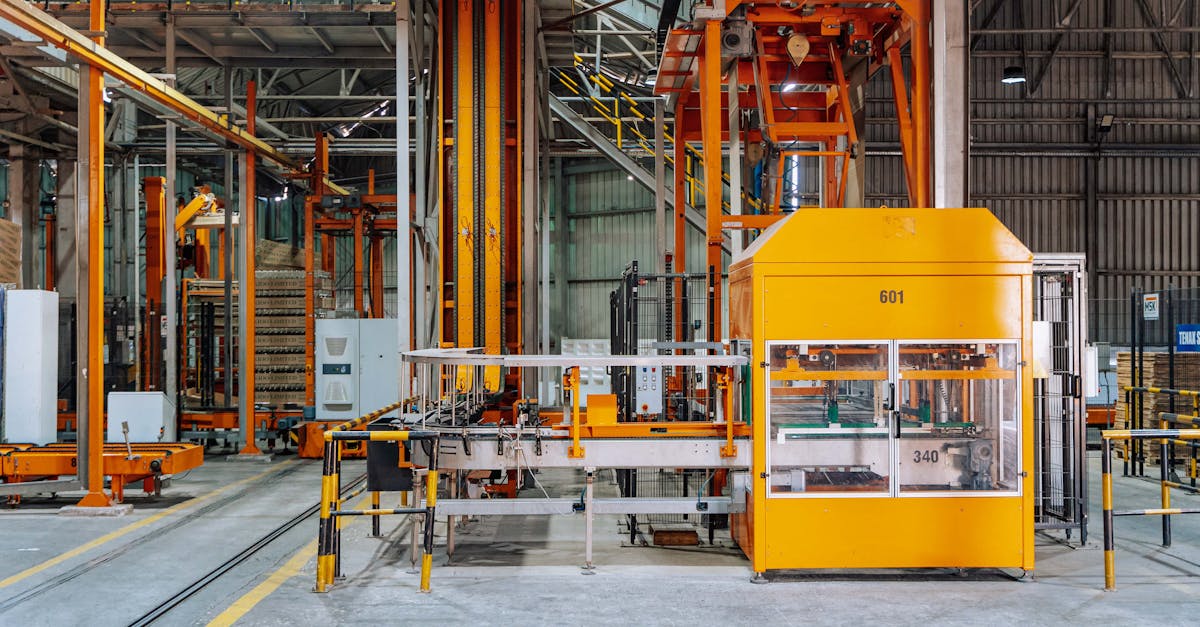
The phrase itself is a search shortcut. It’s shorthand for ‘industrial area’, ‘manufacturing hub’, or ‘supplier cluster’. It means you want someone who operates on a commercial scale, not someone selling single notebooks to students. And that makes perfect sense. If you’re ordering 5,000 notebooks for a corporate event or 10,000 for a school term, you need a factory, not a retail counter. You need logistics, not a salesperson. This is the problem we solve every day.
The Reality of Buying in Bulk
Here’s the thing — most people think bulk buying is just about getting a discount. It’s not. It’s about reliability. When you commit to an order that size, the entire process becomes a chain. One broken link — late paper delivery, a binding machine breakdown, a printing error — and your whole project stalls. Schools can’t start term. Corporates can’t launch their branded diaries. The pressure is real.
Three things happen when you go from buying 100 notebooks to 10,000: First, quality consistency becomes everything. You can’t have 200 notebooks with crooked stitching. Second, timelines become non-negotiable. ‘Maybe next week’ isn’t an option. Third, you start dealing with people who understand production, not just sales. They talk about GSM paper, stitching cycles, and pallet loading. It’s a different world.
A Real-Life Moment
I was talking to a procurement manager from a college in Hyderabad last month — over WhatsApp, actually, because that’s how most of these conversations happen now. He said his previous supplier, a small printer, had promised 8,000 notebooks in two weeks. The guy was near a photocopy shop, sure. But on day 10, the binding thread snapped. The entire batch was delayed. The college had to issue blank notebooks to students. It was a mess. He kept saying, ‘I just need someone who knows how to run a factory.’ Not a shop.
Which is… exactly what you’re searching for.
What ‘Near a Photocopy Shop’ Actually Signals
Okay, let’s decode this. When you search for that phrase, you’re probably thinking about a few things, even if you don’t say them out loud.
- Accessibility: You want a place you can visit, inspect, maybe even rush to if there’s a problem. A physical location matters.
- Industrial Context: A photocopy shop often exists in a commercial zone. You’re hoping the notebook maker is in a similar area — implying they have the space and setup for manufacturing, not just retail.
- Logistical Sense: If they’re near other businesses, they’re probably connected to decent roads, have loading areas, maybe even deal with couriers regularly.
- Peer Validation: Subconsciously, you think if they’re operating in a business area, other companies might know them. There’s a sense of established presence.
But the real signal is scale. You’re not looking for a boutique. You’re looking for a plant.
Manufacturing vs. Printing: The Critical Difference
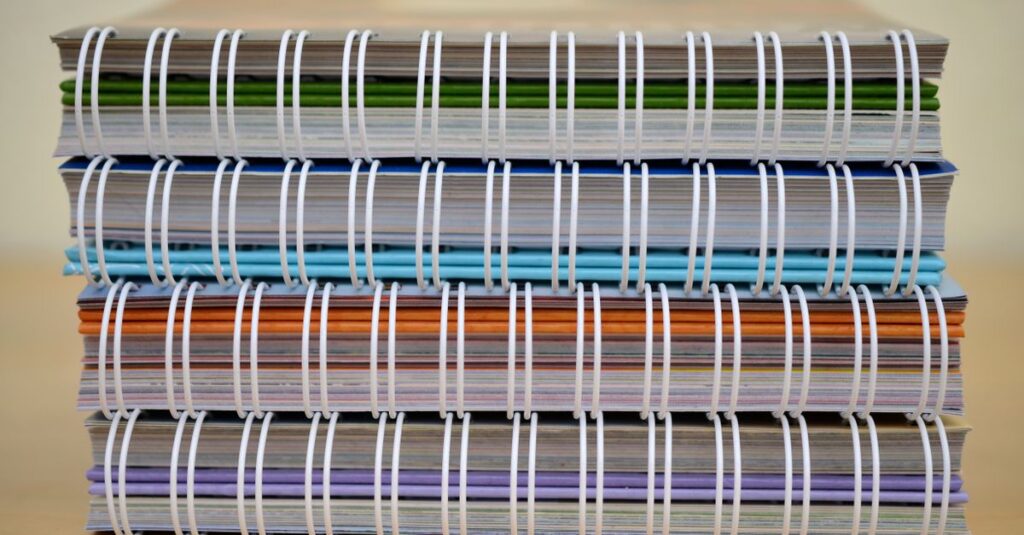
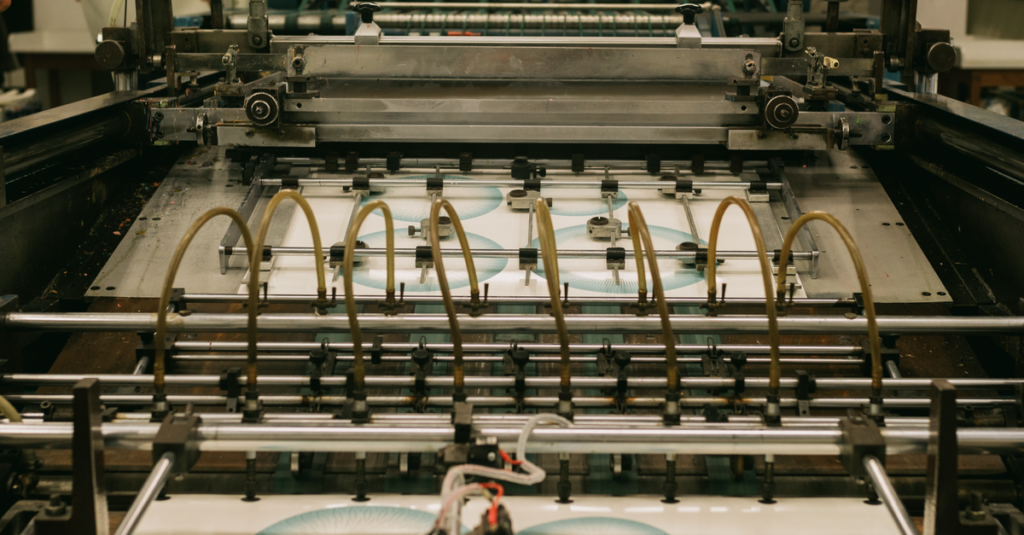
This is where most buyers get confused. A photocopy shop, or even a digital printing center, is about reproduction. They take a file and print it. A notebook manufacturer is about creation. They source paper, cut it, rule it, stitch or bind it, print covers, assemble, and pack. It’s a full cycle.
| Feature | A Local Printing Shop (Near a Photocopy Shop) | A Notebook Manufacturing Unit |
|---|---|---|
| Primary Service | Printing existing designs/files | Full production from raw paper to bound book |
| Scale Capacity | Usually small batches (100-500 units) | Industrial scale (1,000 to 40,000+ units daily) |
| Customization Depth | Surface-level: cover prints, maybe page headers | Deep: paper GSM, ruling type, binding method, page count, size, packaging |
| Supply Chain Control | Depends on external paper suppliers | Direct paper sourcing, own inventory, production control |
| Lead Time for Bulk | Unpredictable for large orders | Fixed, predictable production cycles |
| Problem Resolution | May need to outsource fixes | On-site correction, re-running batches internally |
Look, I’ll be direct. If your order is above 1,000 notebooks, you need the second column. Anything less is risking your deadline.
What to Look for (Beyond the Map)
So if ‘near a photocopy shop’ is your starting point, what should you actually verify? I think — and I could be wrong — that most buyers focus on location first and capability second. Flip that.
- Daily Output: Ask directly: ‘How many bound notebooks can you produce in a day?’ If the answer is under 5,000, they might struggle with a sudden 20,000-unit order.
- Binding Options: Can they do stitched, spiral, and perfect binding? Each has different uses. Schools often need stitched. Corporates prefer spiral for diaries.
- Paper Stock: Do they keep multiple GSM papers in inventory? 54 GSM is standard for writing, but drawing books need thicker. Delays happen when paper isn’t in stock.
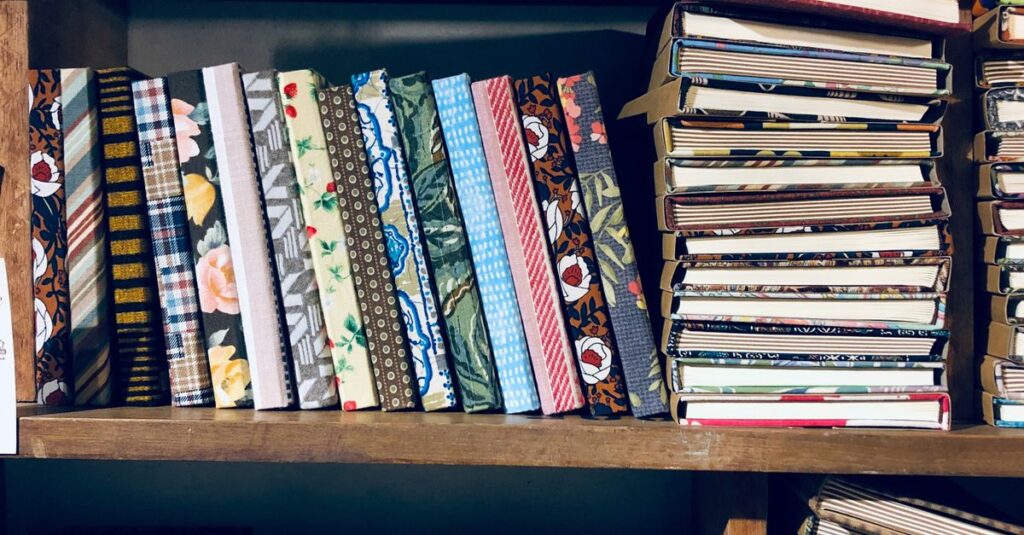
- Customization Proof: Ask for photos of previous custom jobs — not just covers, but inside pages with custom rulings, headers, logos.
- Export Experience: If you’re an international buyer, this matters. Have they packed and shipped containers? Do they understand export documentation?
Location matters for visitation and trust. But capacity matters for delivery. Prioritize capacity.
Expert Insight
I was reading an industry report last year and one line stuck with me. It said that in bulk stationery supply, the biggest point of failure isn’t quality — it’s timeline predictability. A supplier might make beautiful notebooks, but if they can’t tell you exactly which day each production stage happens, your entire procurement plan is built on guesswork. The report called it ‘schedule transparency’. I don’t have a cleaner way to put it than that. The good manufacturers give you a stage-by-stage calendar. The others just promise a final date.
The Hidden Cost of ‘Convenient’ Location
Let’s talk about trade-offs. A manufacturer in a prime commercial location — right next to a photocopy shop, in a busy market — might have higher overheads. That can mean higher prices, or worse, cramped production space limiting output. Sometimes, the better setup is in an industrial zone a few kilometers out, with larger floors, easier loading bays, and lower rental costs translating into better pricing for you.
Think about it this way: you need the notebooks delivered to your school, corporate warehouse, or port. Does the supplier’s exact street address matter if their logistics are solid? Often, not really. What matters is their ability to get the finished pallets to your doorstep reliably. Our own unit is in Rajahmundry, not in a market, but we ship across India and overseas every week. The location isn’t the point. The pipeline is.
How to Actually Find the Right Supplier
Most people start with Google maps. That’s fine. But then they call the first number. Don’t. Here’s a better way.
- Search for ‘notebook manufacturer’ not ‘notebook shop’: This changes your results from retailers to factories.
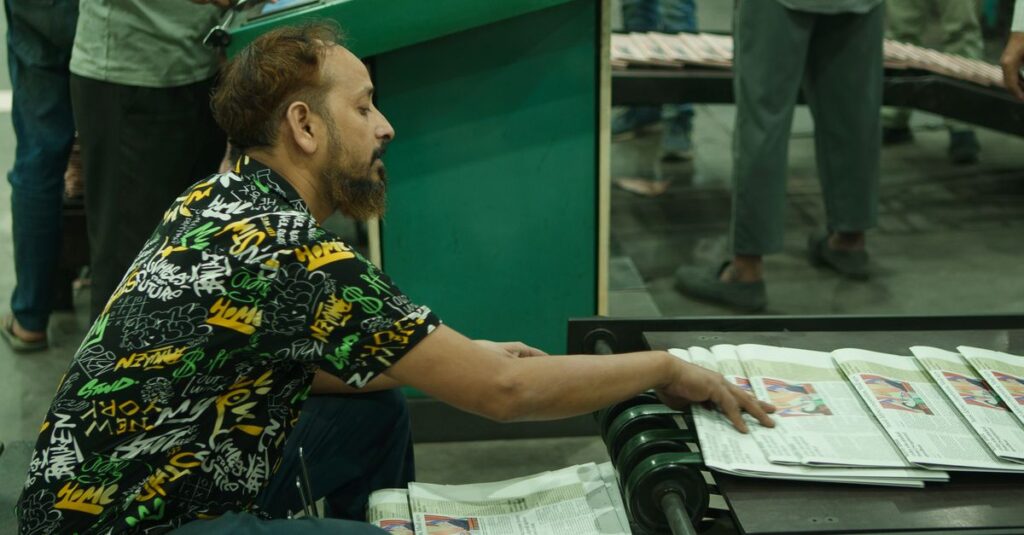
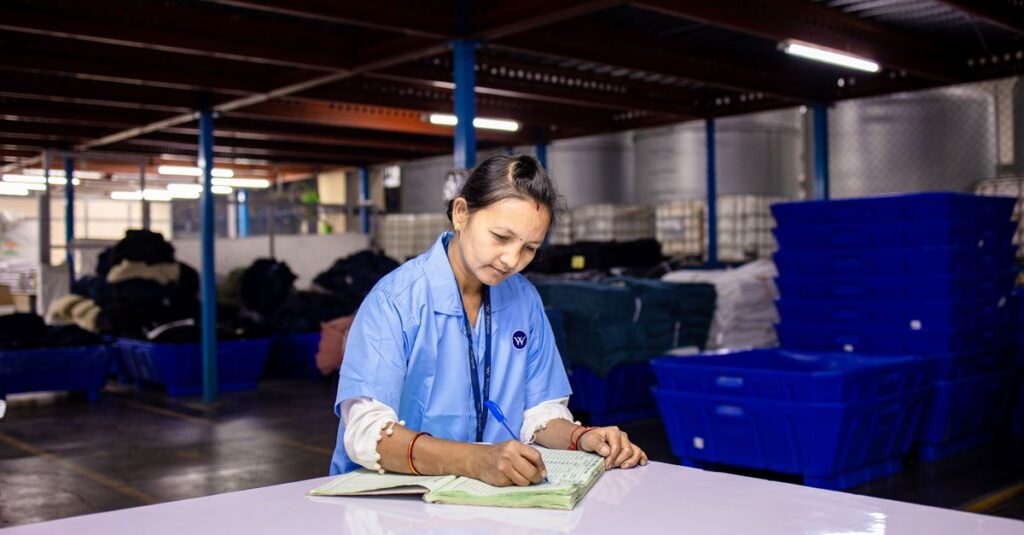
- Look for photos of the facility: Do they show production lines, binding machines, paper stacks? Retail shops show product displays.
- Ask for a production video: A simple WhatsApp request. A real manufacturer will often share a clip of their stitching line or printing press.
- Request a sample — but specify: Ask for a sample of the exact type you need: ‘Can you send a 200-page, spiral-bound, 70 GSM notebook?’ This tests their actual capability, not just their stock.
- Check their blog or content: Do they write about paper types, binding methods, ruling standards? That shows industry knowledge, not just sales talk.
And honestly? Nine times out of ten, the supplier who provides these details isn’t the one ‘near a photocopy shop’. They’re the one a bit further out, focused on making things, not selling things.
Frequently Asked Questions
Is a notebook manufacturer near a photocopy shop more reliable?
Not necessarily. Reliability comes from production capacity and process control, not location. A manufacturer in an industrial area with proper machinery is often more reliable for bulk orders than a smaller printer in a commercial complex.
Can a local printing shop near me handle 5,000 custom notebooks?
Probably not. Most local shops focus on small-scale printing and binding. Producing 5,000 custom notebooks requires paper sourcing, large-scale cutting, consistent ruling, and organized binding — a full manufacturing cycle they likely don’t have.
What should I ask a potential supplier near a photocopy shop?
Ask about daily output capacity, binding machine types, paper inventory, and lead time for a sample batch of 500 units. Their answers will tell you if they’re a manufacturer or just a printer.
Does location matter for delivery timelines?
Less than you think. A good manufacturer has logistics partners. Your notebooks are shipped from their warehouse, not their storefront. Focus on their shipping track record, not their street address.
How do I verify a manufacturer’s scale?
Request a video of their production floor, ask for their standard daily output number, and check if they list multiple binding and ruling options on their website. Scale is about capability, not shop size.
Final Thought
Your search isn’t really about geography. It’s about finding a partner who can turn your requirement — 2,000 corporate diaries, 10,000 school notebooks — into a delivered product without you having to worry every day. The phrase ‘near a photocopy shop’ is just a starting point, a way to feel like there’s a tangible place you can trust.
But the real trust comes from production schedules, quality samples, and clear communication. I don’t think there’s one perfect answer here. Probably there isn’t. But if you’ve read this far, you already know you need a manufacturer, not a retailer — you’re just figuring out how to find one. We’ve been that partner for over 40 years.