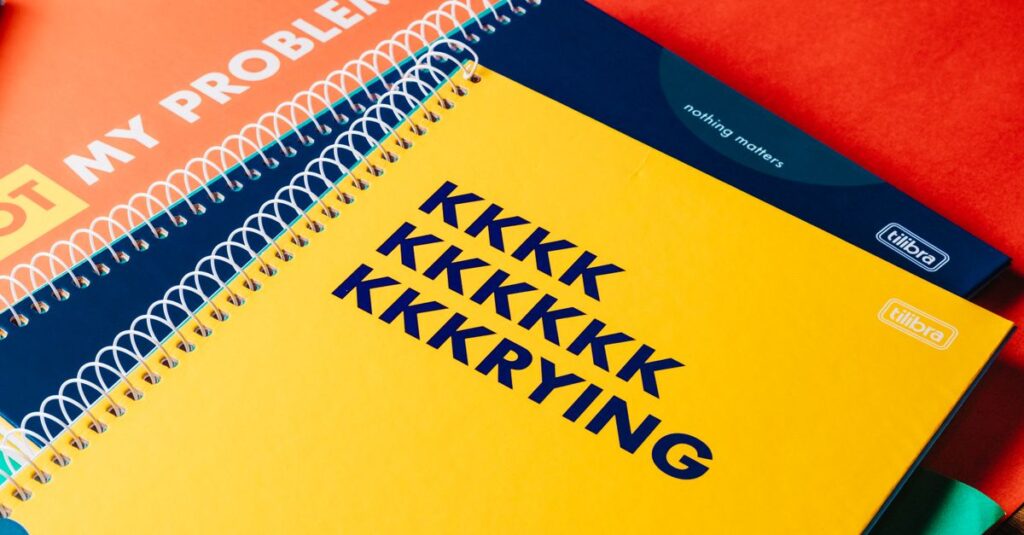
So you’re in charge of ordering notebooks for your school, your company, your next project. You’ve probably got a list. You’ve got a budget. And right now, you’re searching for a manufacturer. You see that term all the time: ‘near printing press.’ It sounds logical, sure — the factory’s right there, printing happens on-site. But what does that actually mean for you? It’s more than just geography. It’s about a single person — a procurement manager, a school admin, an entrepreneur with a brand idea — being responsible for getting thousands of these things made right, on time, and at a price that doesn’t get you fired. The anxiety is real. What if the paper feels cheap? What if the binding falls apart by mid-term? What if the custom logo looks blurry? That search for ‘near printing press’ is really a search for control. You want the shortest possible distance between your idea and the finished product in a box. No excuses. No middlemen. No ‘we’ll have to send it out.’ That’s the feeling. And I get it. If you’re looking for that kind of direct line, a place like ours is built on exactly that principle.
You See ‘Factory.’ I See a Symphony of Small Disasters.
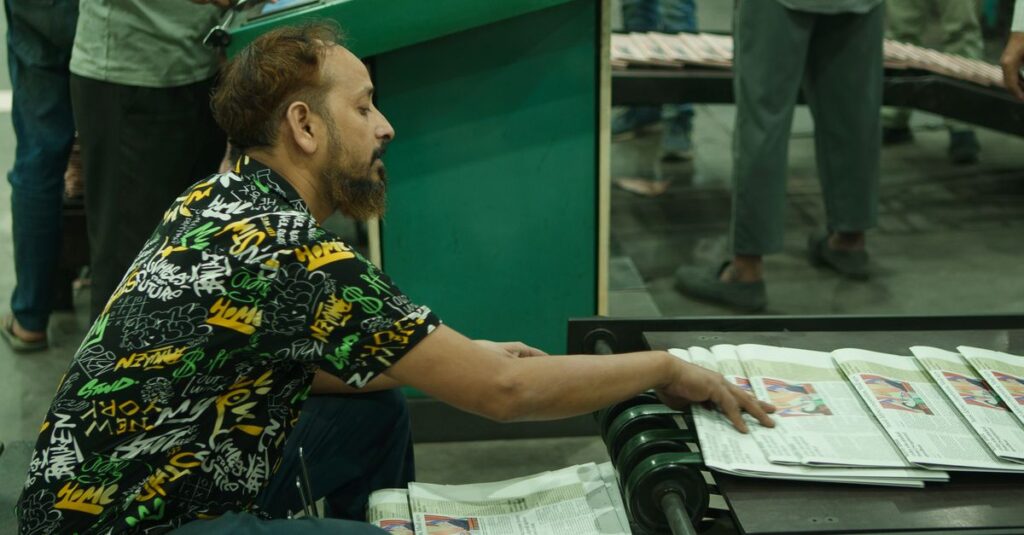
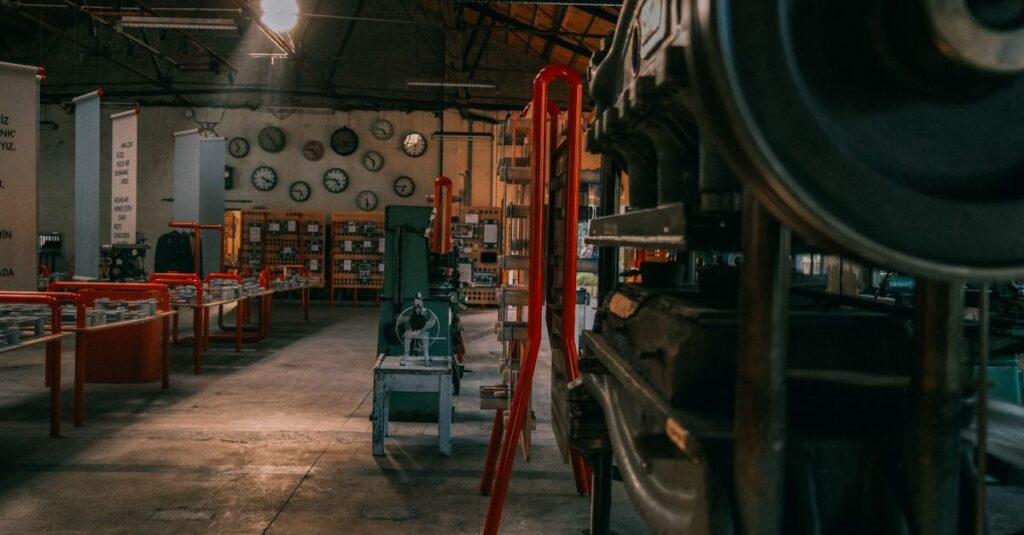
Right. ‘Manufacturer.’ It sounds clean. Efficient. Like a row of machines humming along. The reality is messier. And way more interesting. Think of it as a relay race where every handoff is a chance for something to go wrong. The paper arrives. It’s the wrong GSM. The printing plates get made. There’s a typo in the school’s motto. The binding wire snaps halfway through a run of 5,000 books. A place that’s truly integrated — where the printing press is literally in the next building, or better yet, the same hall — doesn’t just save on trucking costs. It saves on headaches. It means the guy running the cutter can walk thirty steps and yell at the printer about a misalignment. It means a sample can go from ‘sketch on a napkin’ to ‘physical prototype’ in an afternoon, not a week. That proximity kills the lag. It turns problems into conversations, not email chains. The big thing most people miss? It turns time from your enemy into your secret weapon.
The Anatomy of an Order: It’s Never Just Paper and Glue
Let’s say you’re ordering custom diaries for your corporate team. You think: cover, logo, pages, done. Here’s what actually has to happen in a factory that’s set up to handle it all under one roof, start to finish.
- The Paper Dance: It starts with the feel. 54 GSM, 70 GSM, 100 GSM? This isn’t just a number. It’s whether a pen will bleed through, whether the book will feel substantial or flimsy in a client’s hands. An integrated plant sources, stores, and tests this first.
- Printing’s Dirty Secret: Colour matching. Your brand’s exact Pantone blue cannot look different on the cover than on the header of page one. When printing and binding are separate entities, this is where fights happen. Under one roof, it’s one person’s job to make sure it’s consistent.
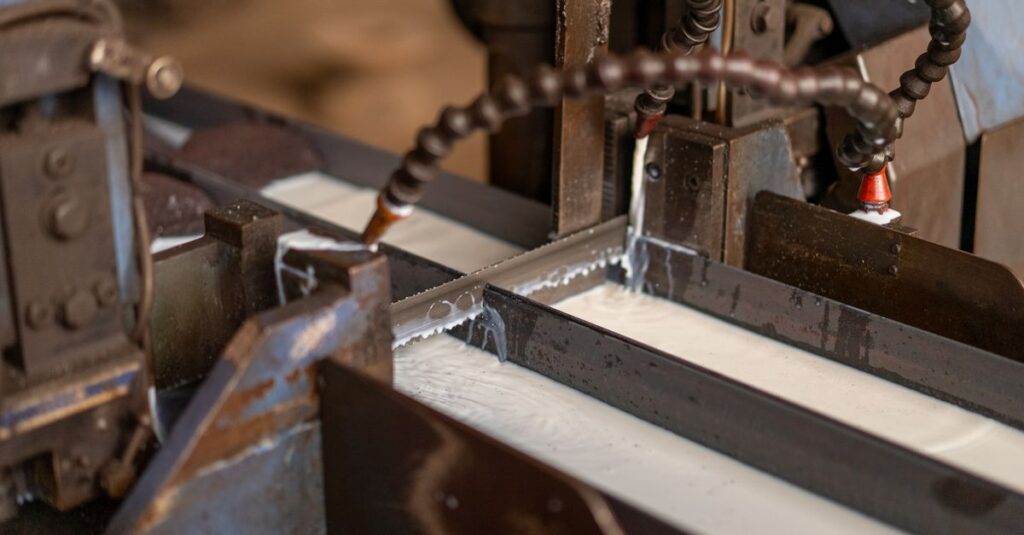
- The Binding Point of No Return: This is it. Once those pages are stitched, perfect-bound, or spiral-wound, there’s no going back. A flaw here means the whole thing is waste. A good manufacturer has this process physically and visually connected to printing, so a misaligned print sheet never even makes it to the binder.
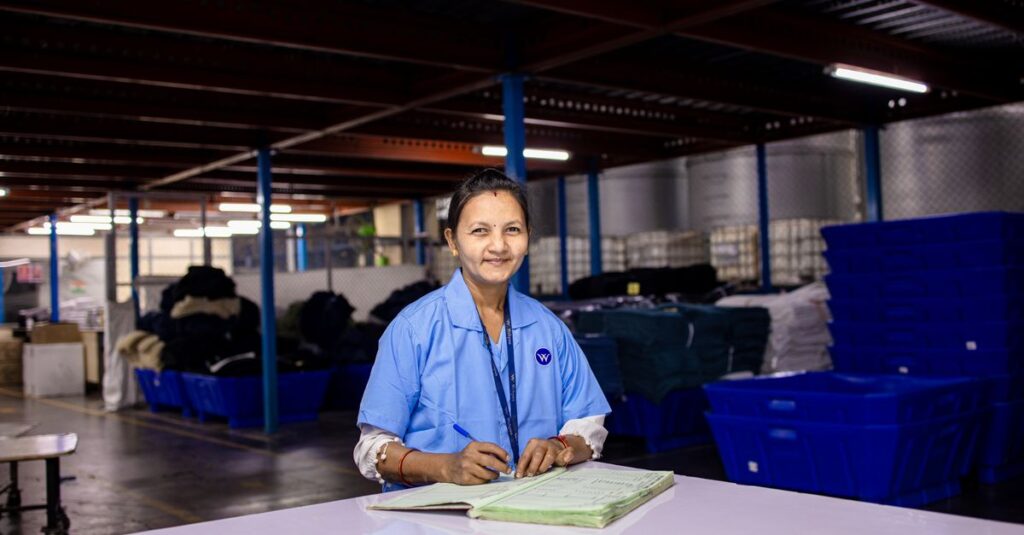
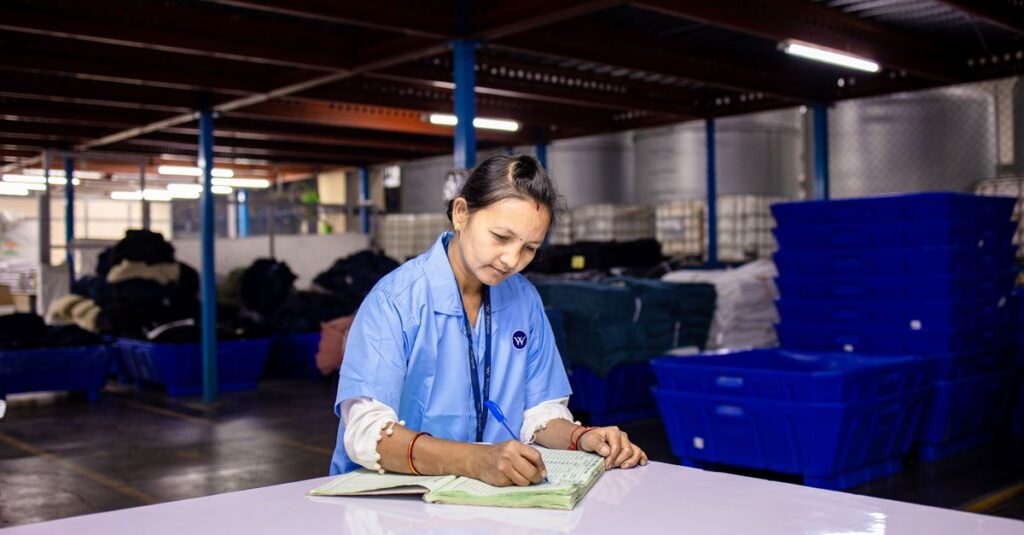
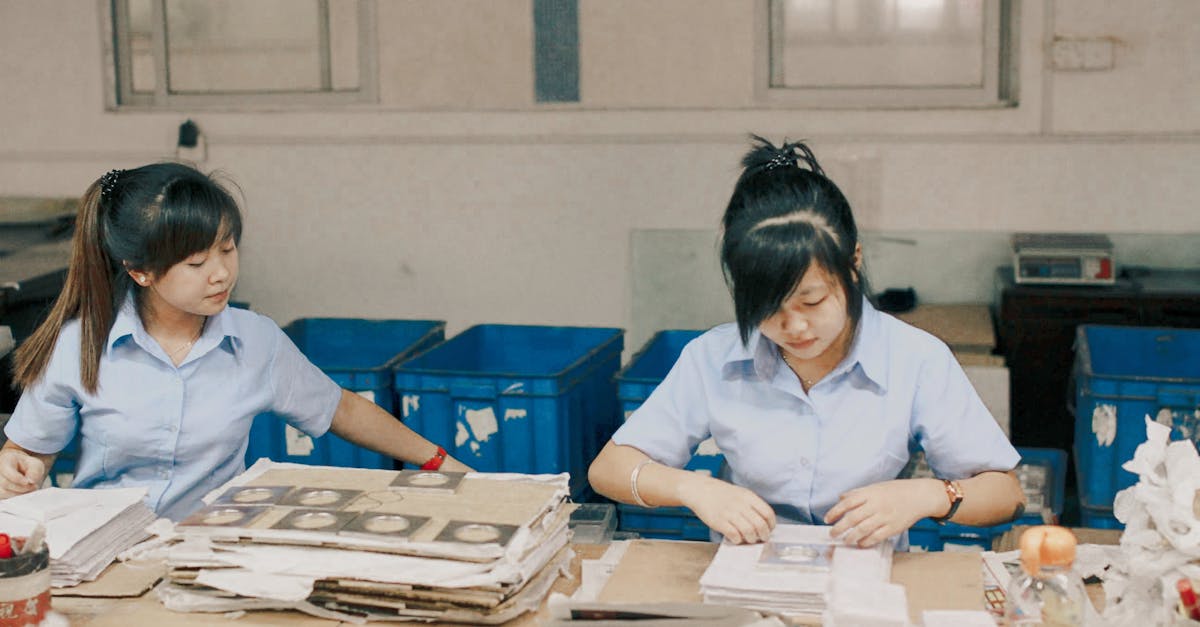
- Quality Check, The Human Layer: After the machines, someone picks up every tenth book, or fiftieth, and flips through it. They’re looking for the ghost errors machines miss: a faint streak of ink, a slightly off-center staple, a wrinkled page. This step is pure, expensive manpower. It’s the cost of giving a damn.
The difference between a supplier and a manufacturer? A supplier manages vendors. A manufacturer manages processes. And when all those processes are cheek-by-jowl, you get consistency. Or you get chaos. There’s rarely an in-between.
A Tuesday in Rajahmundry
(I was talking to someone about this last week — over coffee, actually — and he said something I keep thinking about.) He runs procurement for a chain of schools up north. He told me about the time he ordered 20,000 graph books from a ‘manufacturer’ who turned out to just be a broker. The ruling was supposed to be a precise 5mm grid. What arrived was a mess — lines faded in and out, some pages were nearly blank. The ‘manufacturer’ blamed the ‘printing partner.’ The printer blamed the paper supplier. He was left holding the box, literally. He said the stress of that, of facing a principal with a defective product, was worse than the financial loss. His search now always includes the words ‘in-house printing.’ He needs to know who to look in the eye.
Spiral vs. Perfect Binding: It’s a Philosophy, Not Just a Technique
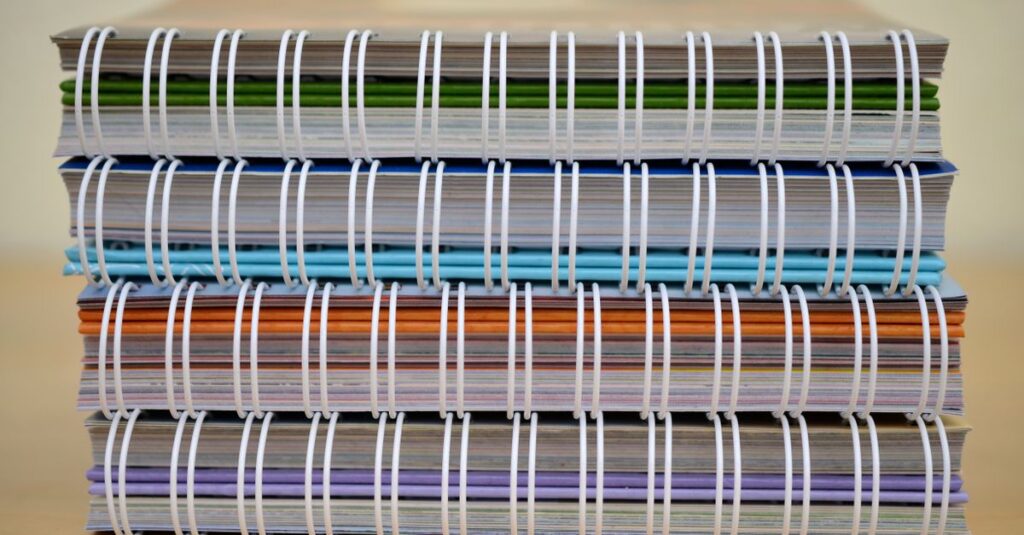
You need to choose a binding type. Here’s the brutal truth: it’s less about the ‘best’ one and more about what you’re willing to trade off. This table isn’t just specs; it’s about the life of the notebook.
| Consideration | Spiral / Coil Binding | Perfect / Gum Binding |
|---|---|---|
| Lay-Flat Ability | Lays completely flat, 360 degrees. Essential for sketching, lab books. | Lays reasonably flat, but has a stiff spine. Can crack with force. |
| Durability | The coil can bend or snag. Pages can tear out at the holes. | Extremely durable spine. Pages won’t fall out unless you rip them. |
| Professional Look | Feels more utilitarian, academic. Great for workbooks. | Sleek, clean, bookstore look. The choice for corporate diaries. |
| Page Count | Great for thick books (200+ pages). No limit from spine glue. | Has a sweet spot (92-240 pages). Too thin or too thick and it fails. |
| Cost at Scale | Generally cheaper per unit for massive school orders. | Can be more cost-effective for medium runs with standard specs. |
| The ‘Feel’ Test | Functional, flexible, student-friendly. | Substantial, premium, gift-worthy. |
Nine times out of ten, schools go spiral for practicality. Corporate clients go perfect for image. The question isn’t which is better. It’s which one serves the silent promise you’re making to the person who opens the book.
Customization: Where Your Brand Either Shines or Fades
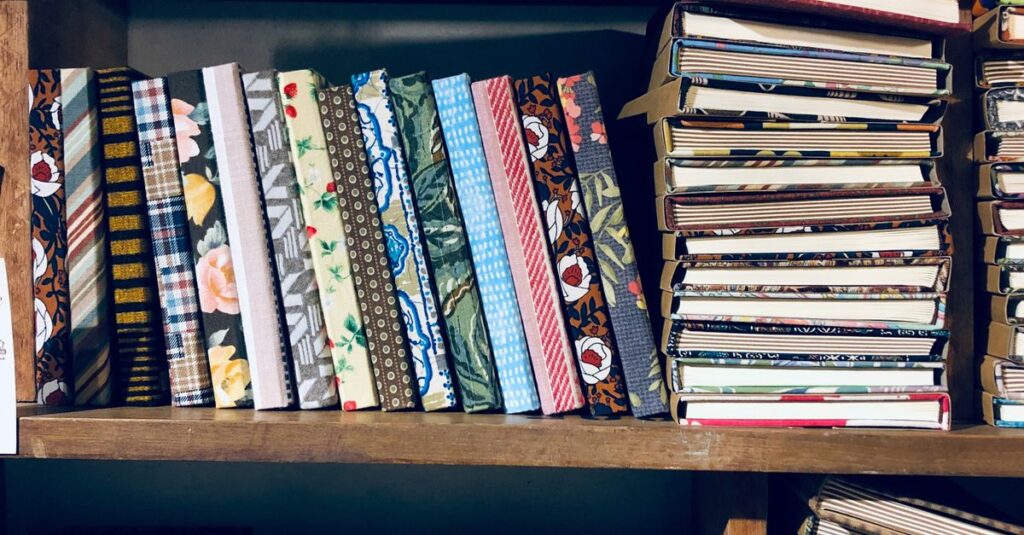
This is where being ‘near the printing press’ moves from a logistical benefit to a creative one. Private label isn’t just slapping a logo on a stock book. It’s creating a tactile piece of your brand. A good manufacturer sees themselves as an extension of your team. They’ll ask questions you haven’t thought of: Should the cover use a spot UV gloss just on the logo? Would a rounded corner prevent dog-earing for a field sales team? What Pantone red exactly matches your brand guidelines? The magic happens in the sample room. When you can brief a designer, and that designer can walk to the press operator and show them the file on screen, and they can run a test sheet while you wait… that’s when you get something unique. That loop — idea, proof, physical sample, tweak — needs to be tight. If it involves couriers and three-day delays, you’ll settle. And settling is what makes your branded notebook look ‘off-brand.’
Expert Insight
I was reading an industry piece last month and one line stuck with me. A production manager from a huge stationery firm said the biggest cost in manufacturing isn’t paper or labour — it’s time between stages. Every minute a printed sheet sits waiting to be bound, it’s drying out, it’s potentially warping, it’s taking up mental space. He argued that the most efficient factories aren’t the ones with the fastest machines, but the ones with the shortest distances between them. The more integrated the process, the less ‘management’ it needs. The product almost assembles itself. I don’t have a cleaner way to put it than that. It’s about flow, not force.
The Real Cost of ‘Cheap’ (It’s Never Just the Price Tag)
Look, I’ll be direct. Anyone can undercut on price. Always. The how is simple: thinner paper (they’ll call it ‘standard’), weaker binding glue, fewer quality checks, and outsourcing each step to the cheapest bidder. The result is a notebook that looks fine in the box but fails in the hand. The pages feather with ink. The cover delaminates in a humid monsoon month. The spirals pop open in a backpack. For a procurement manager, the true cost isn’t the invoice. It’s the complaint from a teacher about pages falling out. It’s the embarrassment of handing a sub-par diary to a board member. It’s the logistical nightmare of returns and re-orders mid-academic year. When you evaluate a manufacturer, you’re not buying a product. You’re buying predictability. You’re buying the certainty that the 10,000th book will be identical to the first sample you approved. That certainty comes from control. And control comes from integration. From having everything — every single step — under one roof, accountable to one standard.
So the next time you get a quote, don’t just look at the bottom line. Ask: Is your printing done in-house? Can I see the binding line? Where is your paper stored? The answers tell you everything.
Finding Your Fit: The Questions You’re Not Asking
Okay. You’re looking at options. Maybe you’re comparing us to a few others. Good. You should. Here are the quiet questions, the ones that separate the real partners from the order-takers. Ask them.
- “Can I visit the facility?” (If they hesitate, red flag. Transparency is confidence.)
- “Walk me through what happens if there’s a defect in the middle of my run.” (The answer should involve stopping the line, not making excuses.)
- “For a custom job, who is my single point of contact from design to delivery?” (You need one human, not a customer service roulette.)
- “What’s your lead time from final approval to dispatch?” Then ask, “And what’s the buffer for something going wrong?” Realists have a buffer. Optimists blow deadlines.
These questions aren’t aggressive. They’re the questions of someone who’s been burned before. And any manufacturer worth your time will have clear, calm answers. They’ll welcome them.
Frequently Asked Questions
What does ‘near printing press’ actually mean for my order?
It means the entire production process — from raw paper storage to printing to binding to packing — is coordinated within the same controlled environment. The biggest benefit to you is quality control and speed. There’s no shipping half-finished products between different vendors, which reduces errors and cuts down lead times significantly. Your order gets undivided attention from start to finish.
What’s the minimum order quantity for custom branded notebooks?
It varies, but for a true custom job (like a unique cover design and interior layout), most serious manufacturers need a run of at least 500-1000 units to make it viable. For simpler logo prints on standard notebook styles, you can sometimes start lower. It’s always best to discuss your specific project — sometimes we can fit smaller orders into existing production schedules. The key is clear communication from the start.
How long does it take to manufacture bulk notebooks?
For a standard bulk order (say, 10,000 units of a standard design), expect about 4-6 weeks from confirmed order to dispatch. This includes time for plate making, paper sourcing, production, and quality checks. Rush jobs are possible but cost more. Custom jobs with new designs need an extra 1-2 weeks for sampling and approvals. A good manufacturer will give you a realistic timeline upfront and stick to it.
What paper quality is best for school notebooks?
For everyday student use, 54-60 GSM paper is the standard sweet spot. It’s opaque enough to prevent serious see-through, strong enough to handle erasing, and smooth for writing, while keeping the overall book weight (and cost) manageable. For drawing books or premium corporate diaries, you’d go thicker (70-100 GSM). The ‘best’ is what’s fit-for-purpose and durable for the task.
Can you handle the export documentation for international orders?
Yes, absolutely. A manufacturer experienced in exports, like us, will typically handle all the necessary documentation — commercial invoices, packing lists, certificates of origin, and coordinating with the freight forwarder. We make sure the shipment is ready for customs at the destination port. This is a non-negotiable service for international buyers; you shouldn’t have to figure out Indian export paperwork yourself.
At the end of the day, it comes down to trust, doesn’t it? You’re not just buying notebooks. You’re buying the promise that your vision will materialize correctly, thousands of times over. The term ‘near printing press’ is a shorthand for that promise. It means fewer gaps for things to fall through. It means someone owns the entire process, so you only have one call to make. That’s the peace of mind you’re actually shopping for. And honestly? Most people know this already — they just need to hear it from someone who’s been on the factory floor. If you’re ready to move from a vague search to a real conversation about making your project tangible, let’s talk specifics.