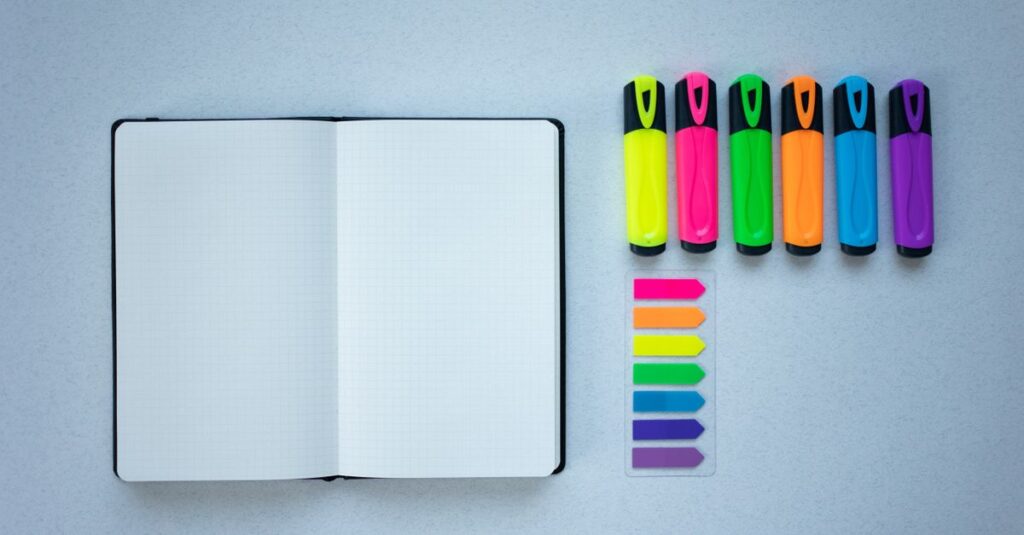
Look, Let's Talk About Rough Notebooks
You're here because you typed 'notebook rough' into a search bar. And if I had to guess, you're probably someone who needs to buy a lot of them. A procurement manager, a school administrator, maybe a business owner. And you're wondering — what even IS a rough notebook, exactly? Is it different from a normal one? Why does everyone from schools to offices keep ordering them by the pallet-load? The answer isn't just about paper. It's about function. About what people actually *do* with these things. A rough notebook is the workhorse of the stationery world — the place where ideas start messy, numbers get crunched, and things get figured out before they ever see a nice, clean page. It's the unsung hero, and it's what a huge chunk of bulk orders are made of. If this sounds like the kind of thing your organization goes through by the boxful, you might want to see how a manufacturer handles those orders.
Not Rough as in Bad. Rough as in Raw.
First thing — it's not a quality thing. 'Rough' doesn't mean poorly made. It’s a purpose thing. Think of it this way: you have your final report, your presentation notes, your official ledger. That's the fair copy. The rough notebook is everything that happens before that. The quick math on the cost of 500 student kits. The doodled layout for a new project. The scribbled phone number from a supplier. It’s disposable, but not unimportant. It's where the thinking happens, so the paper doesn't have to be premium 100gsm, but it does have to take a pencil, a ballpoint, maybe even a quick highlighter mark without bleeding through. The cover? Often simpler, more durable card stock, not fancy laminated art. It’s built for utility, not for show. I was talking to a college administrator in Vizag last month — we were finalizing an order for 10,000 units — and he put it perfectly: “The rough book is where the students aren't afraid to be wrong.” That’s it. That’s the whole point.
A Micro-Story: The Accountant in Kakinada
Let me give you a picture. Ravi, 42, runs a small auditing firm in Kakinada. His office goes through about two dozen 200-page account-ruled rough notebooks every quarter. Not for the final reports — those are digital. These are for the on-site work. He told me his team uses them to jot down initial figures from a client's dusty, physical ledgers, to make quick ratio calculations in the margins, to cross-reference invoice numbers. The notebook gets coffee stains, pages are torn out and paper-clipped to files, numbers are written in three different colored inks. By the end of a big audit, the book is a mess. A beautiful, functional mess. And then it's filed away as part of the working papers. That’s the life of a rough notebook. It's not pristine. It's evidence of work.
Why Bulk Buyers Are the Main Customers
Here's the thing you probably already know if you're reading this: nobody buys ONE rough notebook. You buy them in batches. In boxes. By the skid. The economics of it only make sense at scale. Schools need them for every student, for every subject that requires practice work — math, language, diagrams. Corporate training departments order them by the hundred for workshops and brainstorming sessions. Distributors stock them because they’re a fast-moving, essential item. The price per unit when you're buying 5,000 is a completely different conversation than buying 5. And the specifications matter more, because a flaw in 5,000 notebooks is a much bigger headache. You start caring about things you never thought about: Is the binding strong enough to survive a month in a school bag? Does the paper have a smooth enough finish for comfortable writing, but not so slick that pencil smudges? Is the GSM consistent throughout the entire print run? This is where working with an actual manufacturer, not just a reseller, changes the game. You’re not just buying a product off a shelf; you’re specifying a tool for a job. If you're evaluating options for a large institutional order, understanding the range of products and customizations available is step one.
The Anatomy of a (Good) Rough Notebook
So, what should you look for? Let’s break it down. This isn't marketing fluff — this is what our production team argues about over chai.
- Paper (The Heart of It): For rough work, 50-70 GSM paper is the sweet spot. Thick enough to prevent serious show-through, thin enough to keep the cost and weight down. The finish should be smooth for writing, but with a tiny bit of tooth for pencil. Acid-free is a plus for longevity, but not always critical for temporary work.
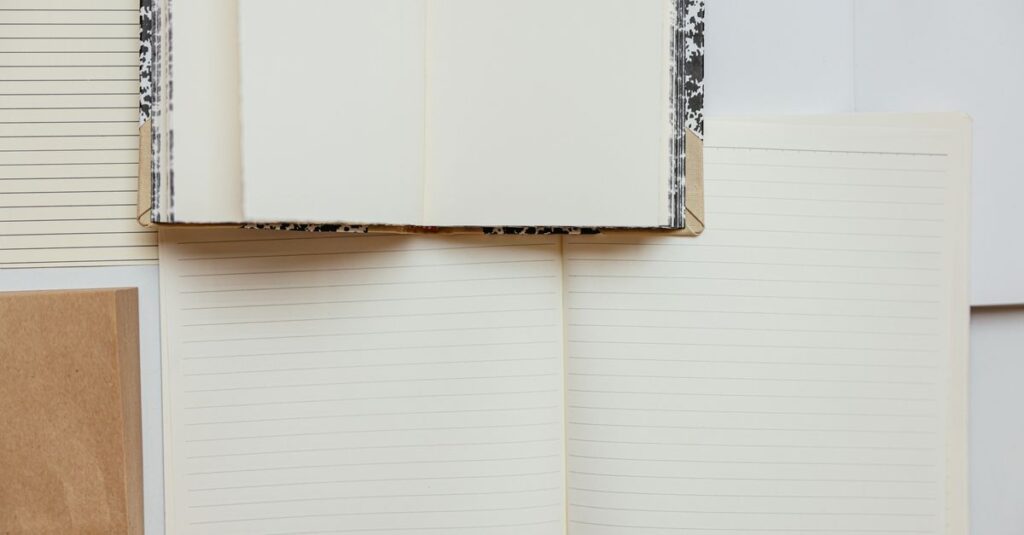
- Ruling (The Brain): This is where function dictates form. Single-ruled (SR) for general notes. Four-ruled (FR) or double-ruled (DR) for younger students learning script. Unruled (UR) or blank for diagrams, sketches, freeform thinking. Cross-ruled (CR) or graph for math, charts, technical drawings. You need to match the ruling to the task.
- Binding (The Backbone): Stitched binding is the classic workhorse — lies flat, durable. Spiral binding (wire-o or plastic) is great for tearing out pages cleanly. Perfect binding (glued spine) works for thicker, more formal “rough note” books. The binding must survive being tossed in a bag, opened and closed hundreds of times.
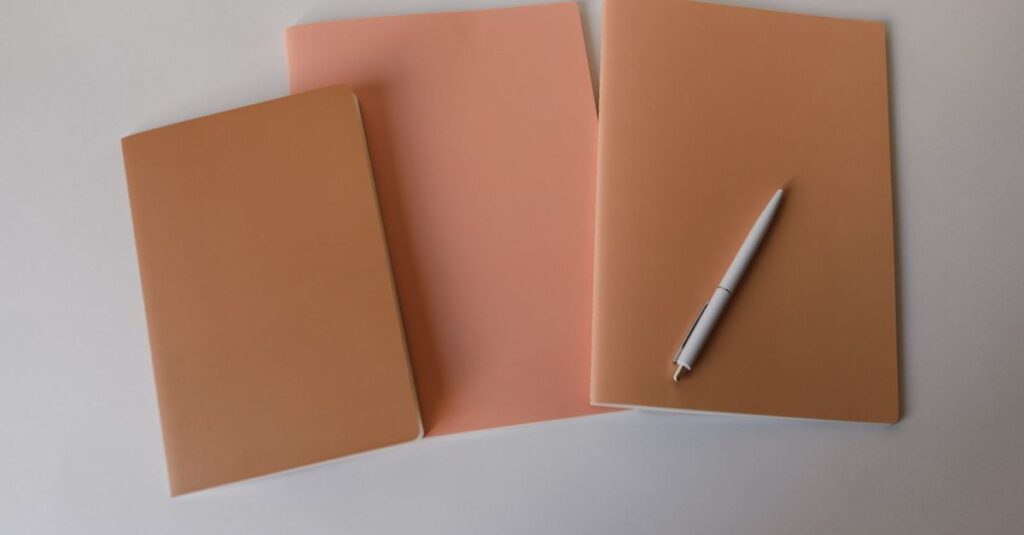
- Cover (The Skin): Usually a sturdy, 200-250 GSM card. Can be plain, colored, or with a simple printed logo/pattern. Lamination adds spill resistance and durability. For school books, bright colors help with subject identification.
- Page Count: This is about usage cycles. 92-page books for a short-term project. 200 or 240 pages for a semester. 700 pages for an annual master notebook. More pages = thicker book, so spine strength becomes crucial.
Get these elements right in your specification, and you've got a tool that disappears into the background and lets the work happen. Get it wrong, and you'll hear about it — from teachers, from employees, from anyone who has to use it.
Rough Notebook vs. Fair Notebook: The Side-by-Side
People get confused. They think a notebook is a notebook. Not true. For bulk purchasing, knowing the difference is how you optimize your budget and meet the right needs. Let's clear it up.
| Feature | Rough / Rough Note Notebook | Fair / Final Notebook |
|---|---|---|
| Primary Purpose | Practice, drafting, calculations, quick notes, messy work. | Final submissions, presentation, record-keeping, neat work. |
| Paper Quality | Standard 54-70 GSM; functional, cost-effective. | Higher 70-100 GSM; smoother, whiter, premium feel. |
| Cover Design | Simple, durable card; often plain or minimally printed. | Heavier stock, often laminated, with full-color designs, branding. |
| Perceived Value | Low-cost, disposable work tool. | Higher-value, “kept” item. |
| Bulk Order Driver | Volume consumption, replacement frequency. | Branding, presentation, permanence. |
| Customization Focus | Basic logo stamp, ruling type, page count. | Full cover design, internal branding, premium finishes. |
| Typical User | Students, trainees, engineers, accountants, brainstormers. | Executives, for final reports; students for final assignments. |
The table makes it obvious: you don't give a premium fair notebook to a 5th grader for daily math practice. And you don't hand out a simple rough notebook as a corporate gift. They are tools for different jobs.
Expert Insight: The Thing About Paper Weight
Expert Insight
I was on the factory floor last week, watching a run of 70 GSM paper being trimmed. The production head, a guy who's been doing this for 30 years, pointed at the reams flying by. “Everyone thinks heavier paper is better paper,” he said. “For a fancy diary, sure. For a rough book? Wrong. Thicker paper means a thicker, heavier book for the same page count. More expensive to ship. Harder for a kid to carry. And for scribbling? It's overkill.” He paused. “The skill isn't in using the best paper. It's in using the *right* paper.” I keep thinking about that. We get requests all the time for “upgrades” to thicker paper for school rough books. It sounds like an improvement. But it's often a mismatch — solving a problem that doesn't exist, while creating new ones in cost and portability. The right tool for the job.
How to Source Rough Notebooks in Bulk (Without the Headache)
If you need 500, or 5,000, or 50,000 units, your buying process changes. You're not shopping; you're procuring. Here's the playbook, from my experience watching hundreds of these orders take shape.
First, define the actual need. Is this for primary school students? Then maybe A5 size, 92 pages, brightly colored covers, four-ruled. Is it for corporate training? Maybe A4, unruled, with a company logo on the cover. Get specific on size, ruling, page count, and cover basics.
Second, ask for samples. Always. A good manufacturer will send you physical dummy copies. Feel the paper. Write on it with the pens you know your people will use. Try to tear a page out. Test the binding. A sample tells you more than any spec sheet.
Third, talk capacity and lead time. A small printer might promise the moon but buckle under a 20,000-unit order with a two-week deadline. You need to know their daily output, their raw material stock. This is where decades of manufacturing experience matters — it means they've seen the bottlenecks and know how to plan around them.
Fourth, understand the pricing structure. Bulk pricing isn't just “unit cost times quantity.” It includes tooling for custom covers, setup for specific rulings, packaging, and shipping. Get a breakdown. The cheapest unit price might come with hidden costs or quality compromises.
Finally, think about the next order. Is this supplier reliable? Consistent? Can they handle a repeat order in six months that matches the first batch perfectly? Your relationship with a manufacturer is what turns a one-time purchase into a seamless, ongoing supply chain. That's the real goal.
Frequently Asked Questions
Frequently Asked Questions
What is the difference between a rough notebook and a fair notebook?
A rough notebook is for draft work, practice, and quick notes. It uses standard, cost-effective paper and has a simple cover. A fair notebook is for final, neat work or presentation. It uses higher-quality, whiter paper and often has a more designed, durable cover. Think of rough as the workshop, fair as the showroom.
What GSM paper is best for rough notebooks?
For most rough work, 54 to 70 GSM paper is ideal. It's thick enough to prevent heavy ink bleed-through from the other side, but light enough to keep the book affordable and easy to carry. Going much higher increases cost and weight without adding real benefit for the intended use.
Can rough notebooks be customized for my school or company?
Absolutely. This is very common for bulk orders. You can typically customize the cover with your logo/school crest, choose the ruling (single, four-ruled, graph, etc.), select the page count (92, 200, 240 pages), and sometimes even specify the cover color. It makes the notebook feel专属 to your institution.
What is the most common size for school rough notebooks?
In India, the Long Size (approx. 27.2 cm x 17.1 cm) and the Crown Size (approx. 23.6 cm x 17.3 cm) are extremely common for student rough work. They offer a good balance of writing space and portability in a school bag. Short notebooks (approx. 19.5 cm x 15.5 cm) are also popular for younger children.
How many rough notebooks does a typical school student need per year?
It varies, but it's a lot. A middle or high school student might use one rough notebook per core subject (Math, Science, Languages) per term. That can easily be 4-6 books per term, or 8-12+ books per academic year. This is why schools are such large-volume buyers — they're provisioning for hundreds or thousands of students consuming at this rate.
The Real Cost Isn't Just the Price Tag
So, you're looking at a quote for 10,000 rough notebooks. The unit price is one number. But the real cost is in the frustration if the binding fails in week two. It's in the teacher complaints if the paper is too thin and ink smudges. It's in the logistics headache if the shipment is late or incomplete. When you buy in bulk, you're buying reliability. You're buying consistency. You're buying the peace of mind that comes from knowing the tool won't be the thing that fails. A rough notebook should be invisible. It should hold the thought, not break it. That’s what a good manufacturer understands. It's not about making the fanciest product on the market. It's about making the one that does its job, day after day, page after page, for the person using it. And getting that right, at scale, is the whole game. If your next bulk order needs to be that reliable, getting the specs right with someone who knows the craft is probably the next logical step.