Let’s be honest about what you’re buying
You’re looking at a search for ‘notes book’. But here’s the thing — you’re not just looking for a bunch of paper. You’re looking for something that won’t fall apart in a student’s backpack after a month. For something that makes a corporate logo look sharp, not cheap. For a product that you won’t get complaints about. I see this all the time with procurement managers and school admins. The search is simple, but the need underneath it is anything but.
You want durability. You want a good writing feel. You need it delivered on time, in the right quantities, and at a price that makes your budget person nod, not wince. If you’re ordering in bulk, the stakes are even higher. A bad batch isn’t just an annoyance; it’s a logistical headache and a reputation problem. I’ve been talking to buyers for years — over the phone, through endless emails, even in person when they visit the factory in Rajahmundry. The question is never just ‘where do I get notebooks’. It’s ‘where do I get good notebooks, reliably’. That’s the gap most people are trying to bridge.
So, what is a ‘notes book’ really?
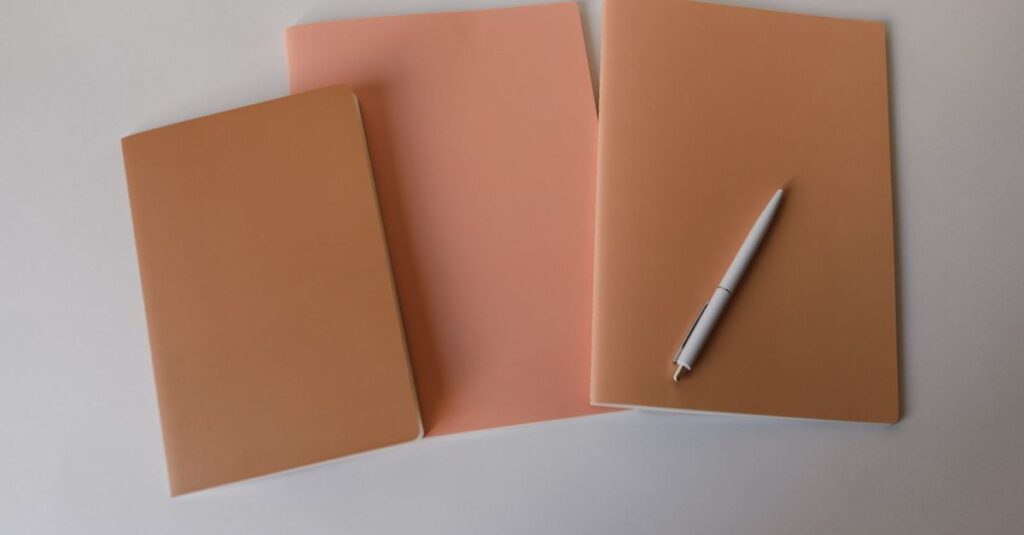
Okay, let’s break it down. Strip away the marketing. A notes book, in the industrial sense, is a bound collection of paper sheets, ruled or unruled, with a cover. That’s the skeleton. The soul of it is in the details you probably don’t think about until they go wrong.
It’s the GSM of the paper — that’s grams per square meter. Too low, and the ink bleeds through; the page feels flimsy. Too high, and it’s overkill, wasting money. For standard writing, around 54 GSM is that sweet spot. Smooth, but not cardstock.
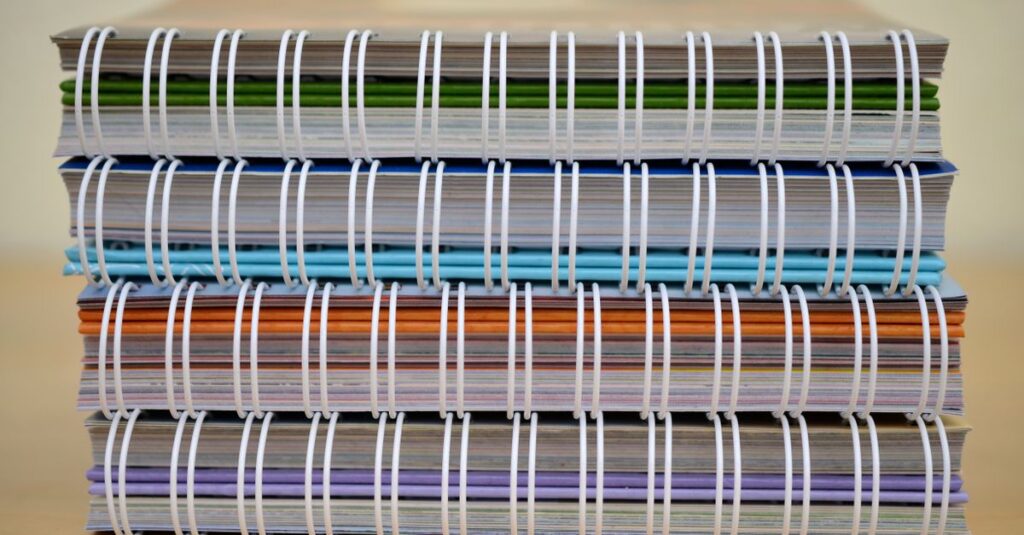
It’s the binding. Is it stitched? Spiral? Perfect-bound? Stitched notebooks are workhorses — they lay flat, they’re tough. Spiral binding is great for art books or things that need to fold right back on themselves. Perfect binding gives that clean, book-like spine, ideal for corporate diaries. Each one has a different production line, a different cost.
And the ruling — SR, DR, UR, FR. (Single Ruled, Double Ruled, Unruled, Four Ruled). It sounds like alphabet soup until you realize a primary school needs Four Ruled for handwriting practice, and an engineer might need Cross Ruled for graphs. The wrong ruling means the entire batch is useless for its purpose.
I was watching the line last week — the machine stitching crowns at a pace that’s almost hypnotic. One misalignment and the whole signature is off. That’s the reality. A notes book is a manufactured product, not a commodity. When you get that, you start asking better questions.
Expert Insight
I was reading an old trade journal once — the kind with paper stains on it — and it had a line from a factory manager that stuck with me. He said the most common mistake a buyer makes is specifying a page count without asking about paper weight. A 200-page notebook with 70 GSM paper is a different beast than one with 50 GSM. It’s thicker, heavier, more expensive. But it also feels substantial, professional. The point wasn’t about specs. It was about understanding that the numbers tell a story about the final object in someone’s hands. We forget that.
The people behind the purchase order
Let me tell you about Mrs. Reddy. Not her real name, but a composite of about a dozen school principals I’ve dealt with. She’s in her late 40s, runs a mid-sized private school in Vijayawada. Her order is for 5000 notebooks every May. She doesn’t care about industry jargon. She cares that the books survive a term of being shoved into desks, that the pages don’t tear when a kid erases too hard, that the covers don’t fade to grey in the Andhra sun. Her biggest fear? The delivery arriving a week after school starts. Parents notice. It looks disorganized.
Or take Arjun, a procurement manager for a new tech company in Hyderabad. He needs 1000 custom logo notebooks for a conference. His worry is brand perception. The notebook is a giveaway, a keepsake. If the cover print is pixelated, if the spiral binding snags on sleeves, it reflects poorly on the company. It’s not a notebook; it’s a brand ambassador.
These aren’t abstract ‘customers’. They’re people with very specific, very real problems that a box of notebooks can solve or create. When you’re sourcing, you’re solving for them.
Bulk buying: What nobody tells you upfront
Here’s where the conversation gets real. Ordering 10,000 notebooks is not the same as ordering 100. The economics flip. The logistics become a puzzle. And the quality control needs to be baked into the process, not an afterthought.
Three things happen when you scale up:
- The lead time matters more. A factory running at capacity can’t magic up your order in a week. A good manufacturer will tell you this straight. A desperate one will promise the moon and then fail.
- Customization becomes affordable. Suddenly, printing your school crest on the cover or having a specific margin layout isn’t a crazy premium. It’s built into the run. This is the secret power of bulk — you get a bespoke product at a near-commodity price.
- You have to trust the process. You can’t check every single notebook. You’re relying on the manufacturer’s systems. Are they checking paper grain direction? Is the glue in the binding the right temperature? Are the pallets wrapped properly so the bottom boxes don’t get crushed in transit? This is the unsexy, critical backend stuff.
Look, I’ll be direct. I’ve seen buyers get burned by chasing the lowest per-unit price without asking how that price is so low. Sometimes it’s efficiency. Sometimes it’s corners being cut on paper sourcing or skipping a quality check. The headache isn’t worth the savings. Understanding what goes into your product is the only real protection you have.
Custom notebooks vs. standard stock: A real comparison
This is the choice most institutional buyers face. Do you go with a standard, off-the-shelf ‘notes book’ or do you invest in a custom one? It’s not just about logos. It’s about function, identity, and sometimes, sheer practicality.
| Consideration | Standard Stock Notebooks | Custom Printed Notebooks |
|---|---|---|
| Cost Per Unit | Lower. Mass-produced, no setup costs. | Higher initially. Includes plate costs, design time. |
| Lead Time | Short. Often ready for immediate dispatch. | Longer. Requires production scheduling and approval cycles. |
| Branding Impact | None. It’s a generic product. | High. Becomes a branded asset, reinforces identity. |
| Flexibility | Limited. You choose from existing sizes/rulings. | High. Can specify paper, ruling, cover material, layout. |
| Minimum Order | Often flexible, can be lower. | Usually higher to amortize setup costs. |
| Best For | General distribution, internal use, tight budgets. | Corporate gifts, school identity, specialized use cases. |
The table makes it neat, but the decision is messy. It depends on your budget, your timeline, and what you’re trying to achieve. Is this just for note-taking in a training session? Standard is fine. Is this a gift for potential clients? Go custom.
The manufacturing floor view
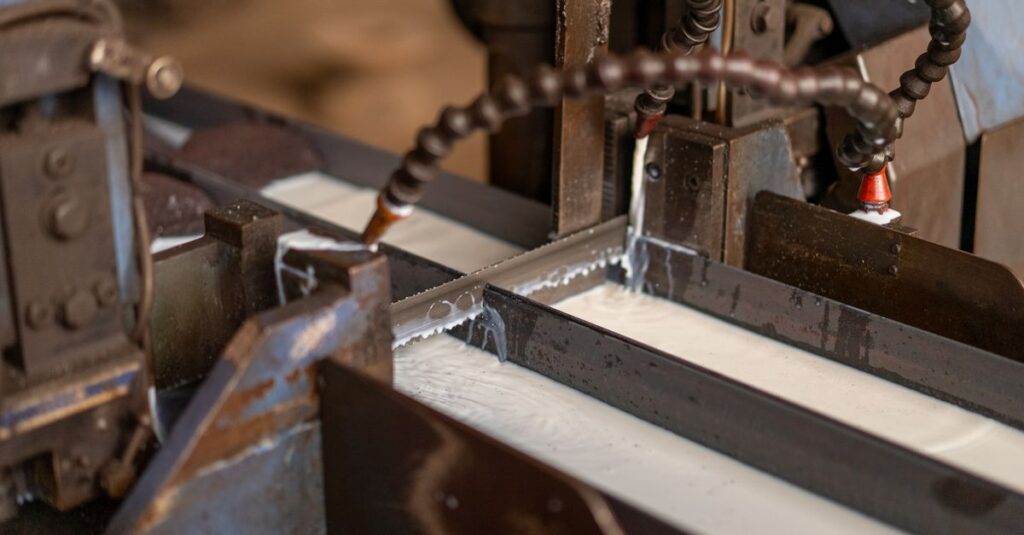
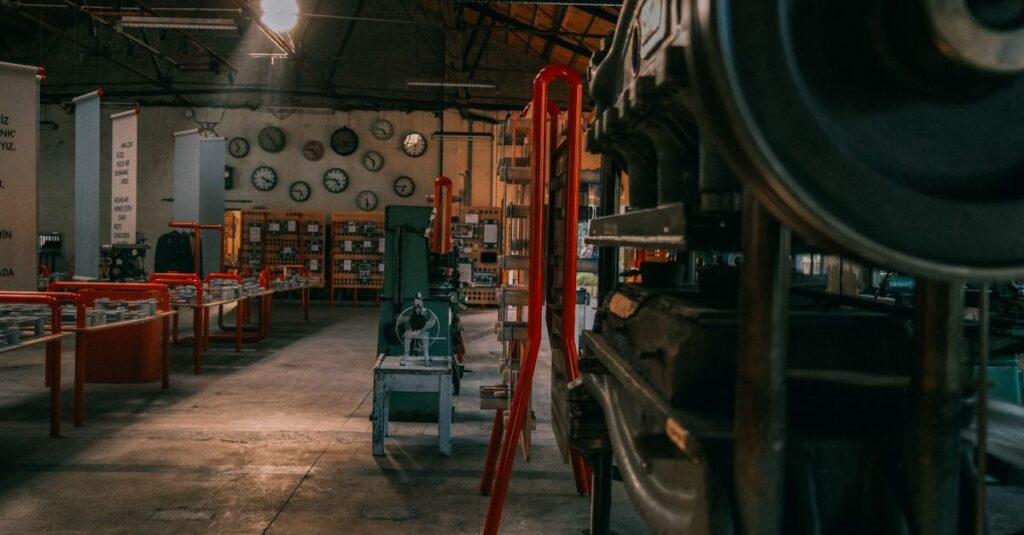
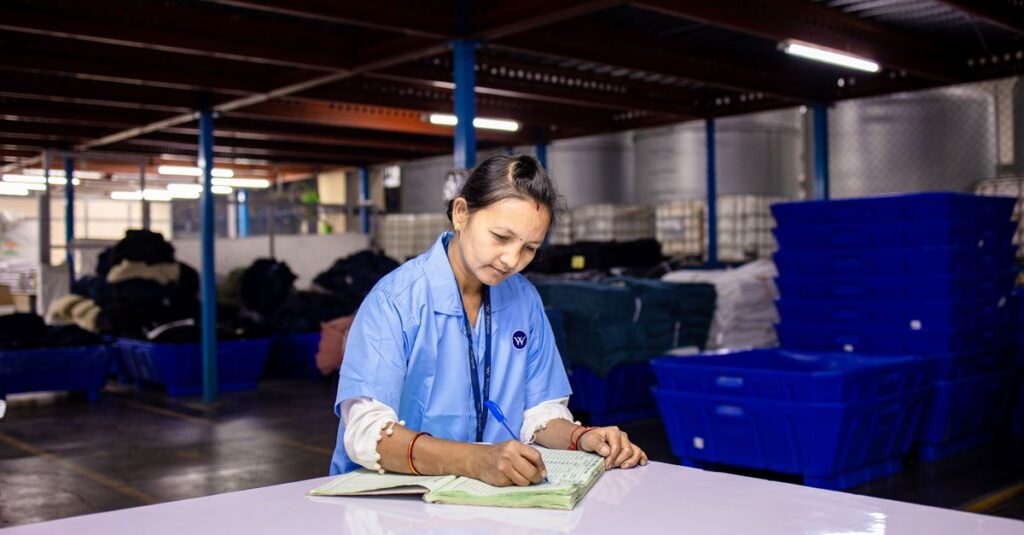
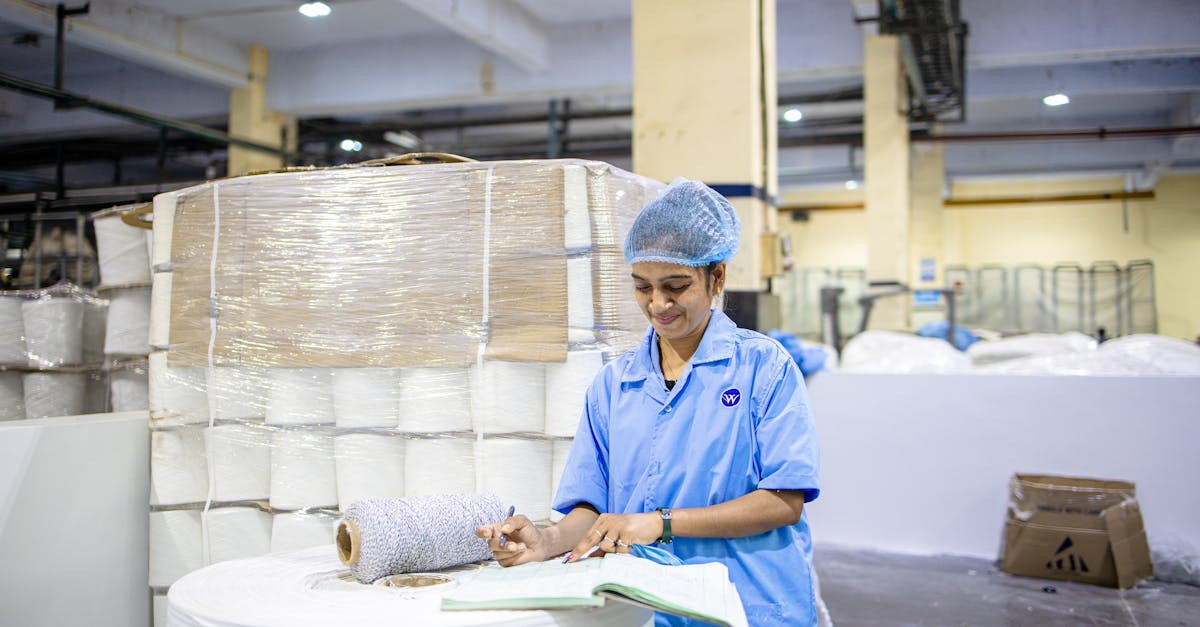
Let’s get technical for a minute — but in a human way. How does a ‘notes book’ actually come to be? It starts with reels of paper, huge things that get fed into a sheeter. Cut to size. Then, if it’s ruled, it goes through the ruling machine — lines printed with precision. Those sheets are collated into sections (signatures).
Binding. If it’s stitching, a machine like a giant sewing machine threads through the spine. If it’s spiral, a coil is wound and clipped. The cover — printed, laminated for durability, often with a slight curve (the ‘rounder’) so it lays better.
Then trimming. The final cut to clean up the edges. Quality check. Packing. Boxing. Palletizing.
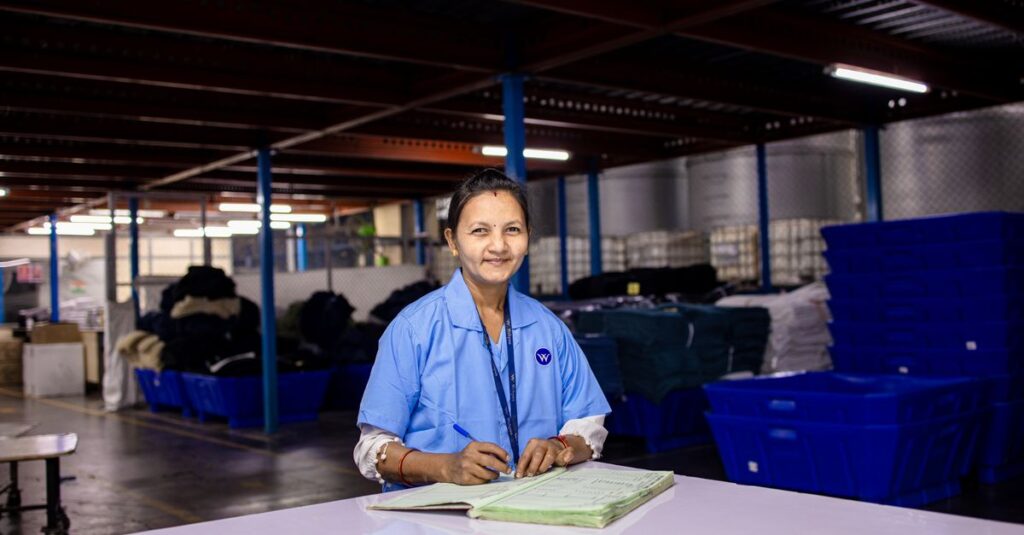
It’s a rhythm. When it works, it’s a kind of beautiful, organized chaos. One breakdown, though, and the whole dance stops. That’s why production capacity isn’t just a boastful number — ‘we can do 40,000 a day!’ — it’s a promise of redundancy, of maintenance schedules, of skilled operators who know the machine’s moods. A factory that’s been doing this since 1985 has seen every possible hiccup. There’s no substitute for that.
Which is… a lot to sit with. But it’s the backbone of getting what you paid for.
Frequently Asked Questions
What is the most durable type of notebook binding for school use?
For schools, stitched binding is the go-to. It's sewn through the spine, so pages don't fall out even with rough handling. Spiral binding is also durable, but the coil can get bent in backpacks. Perfect binding (glued spine) can crack if the book is forced flat. Stitched is the workhorse.
How do I choose the right paper GSM for a notes book?
Think about use. For everyday writing by students or office staff, 50-60 GSM is perfect — it's opaque enough to prevent show-through, but not bulky. For drawing or important documents where you want a premium feel, go 70-80 GSM. Always ask for a sample before ordering bulk. The feel in your hand tells you more than the number.
What’s the minimum order quantity for custom printed notebooks?
It varies wildly by manufacturer. Some might do 500 pieces, but the cost per unit is high. For truly economical custom work, think in thousands — 2,000 to 5,000 units is a common starting point. This covers the setup costs for printing plates and design. For large-scale custom notebook production, we often see orders of 10,000+.
Can I get different rulings within the same bulk order?
Yes, but it complicates production. Instead of running one paper type through the ruling machine, you now have two or three setups. This usually means a higher price and possibly a longer lead time. It's doable, especially for schools needing different books for different grades, but communicate it clearly upfront.
How long does it take to manufacture and deliver a bulk order?
For a standard stock order, 7-14 days is typical. For a custom order, allow 4-6 weeks minimum. This includes design approval, plate making, production, quality checks, and logistics. Rush jobs are possible, but they stress the system and can cost 20–30% more. Plan ahead.
Wrapping this up
A ‘notes book’ is a deceptively simple thing. It’s the end result of a hundred small decisions — paper, ruling, binding, glue, ink, laminate. When you’re the one ordering them by the pallet, those decisions become your responsibility by proxy.
The goal isn’t to become a manufacturing expert. It’s to know enough to have an informed conversation with your supplier. To ask about GSM, not just page count. To understand that stitched and spiral serve different purposes. To factor in lead time as part of your project plan, not an surprise.
I don’t think there’s one perfect notebook for everyone. Probably there isn’t. But if you’ve read this far, you’re not just looking for a product listing. You’re looking for a partner who gets that a box of notebooks is more than just a box. You’re figuring out who to trust with that. That’s the real question worth asking.