Here's What You Don't See in a Notebook
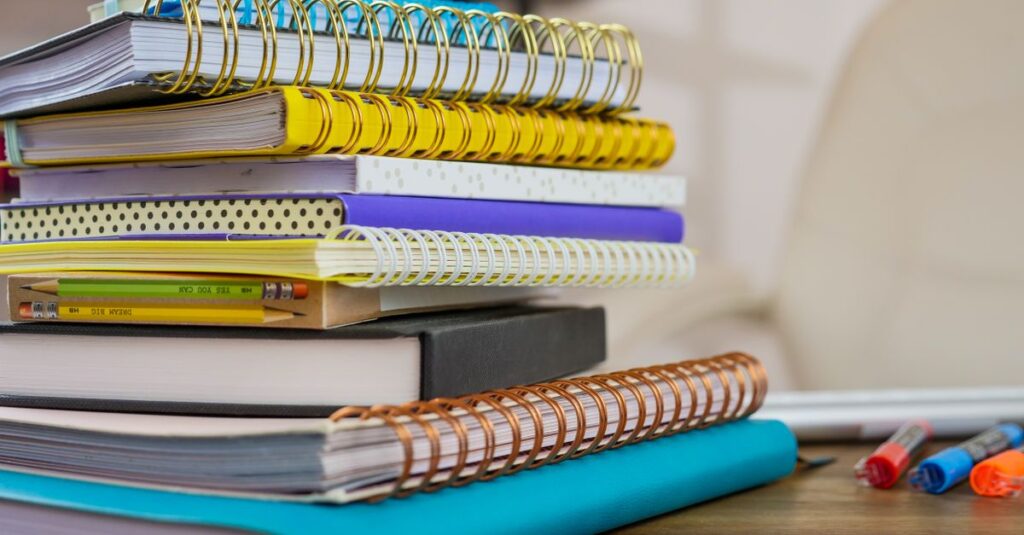
You pick one up. It's a stack of paper with a cover. The cost, maybe 25 rupees. Seems simple.
The headache starts when you need 50,000 of them. All the same. On time. With your logo. For a school opening next month or a corporate gift campaign that can't miss its date. That's when you realize notebooks aren't a product. They're a promise. A promise that every page will feel the same, every line will be straight, and every book in that massive box will survive being thrown in a bag, dropped on a floor, and written in for a year.
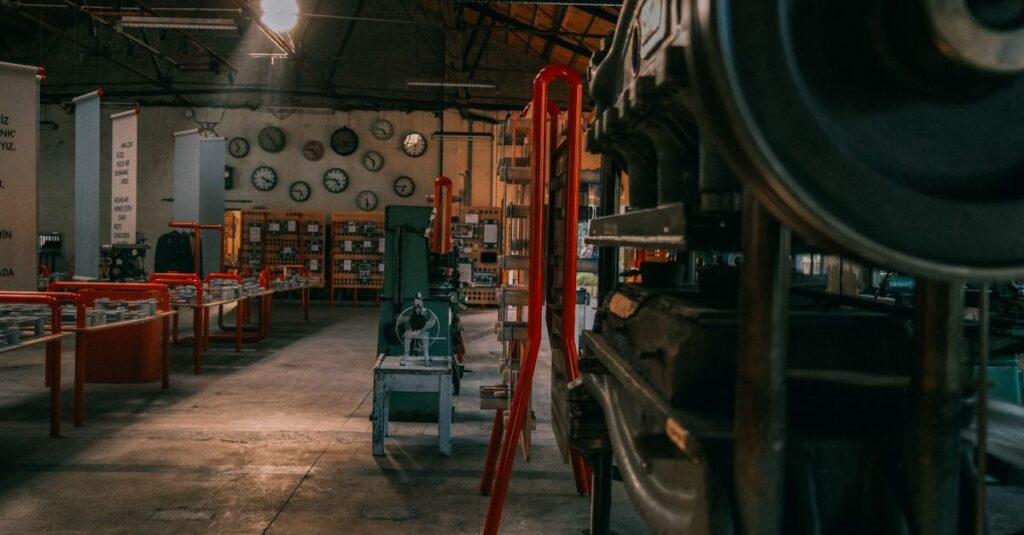
Print & press isn't just a phrase. It's the entire reality of making that promise real. It's the machinery, the timing, the paper stock that arrives on a Tuesday, the ink that dries by Wednesday, and the binding that has to hold until some student's final exam. If you're the person ordering — the procurement manager, the school principal, the distributor — your job depends on someone else's print and press working perfectly. And nobody really talks about what that looks like up close.
I've been in this world for decades. Let's pull back the curtain. If you're sourcing notebooks, this might be worth a look.
The Print: It’s Not Just Putting Ink on Paper
Right. So printing. You think of a big machine going brrrr and out comes a page. That’s about 10% of it.
The real work starts before the machine is even turned on. It starts with your file. A logo sent as a tiny JPG that looks fine on a screen but will pixelate on a cover. A Pantone color you absolutely need that costs three times more than standard cyan. A margin that’s 2mm off and means the spiral binding will punch through your text. I’ve seen corporate orders get delayed by weeks because someone didn’t send a print-ready PDF.
And then there’s the paper itself. 54 GSM writing paper — that’s our standard — has a specific feel. It’s smooth but not glossy. It takes ink without bleeding through to the other side. But if the humidity in Rajahmundry is high that week? The paper behaves differently. It can stretch. The print registration — where the colors line up — can shift. A millimeter here, a millimeter there. On one notebook, you’d never notice. On forty thousand lined up? It looks sloppy.
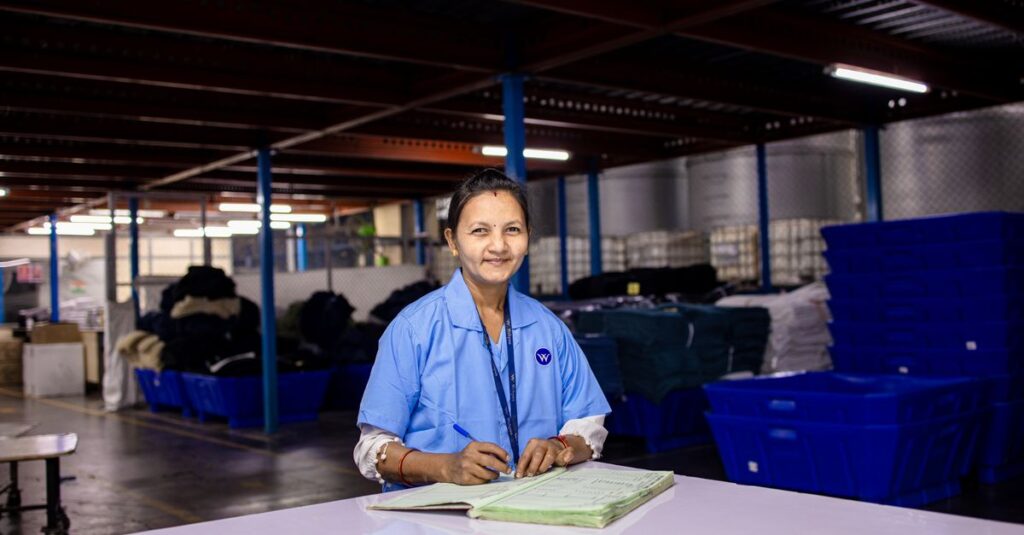
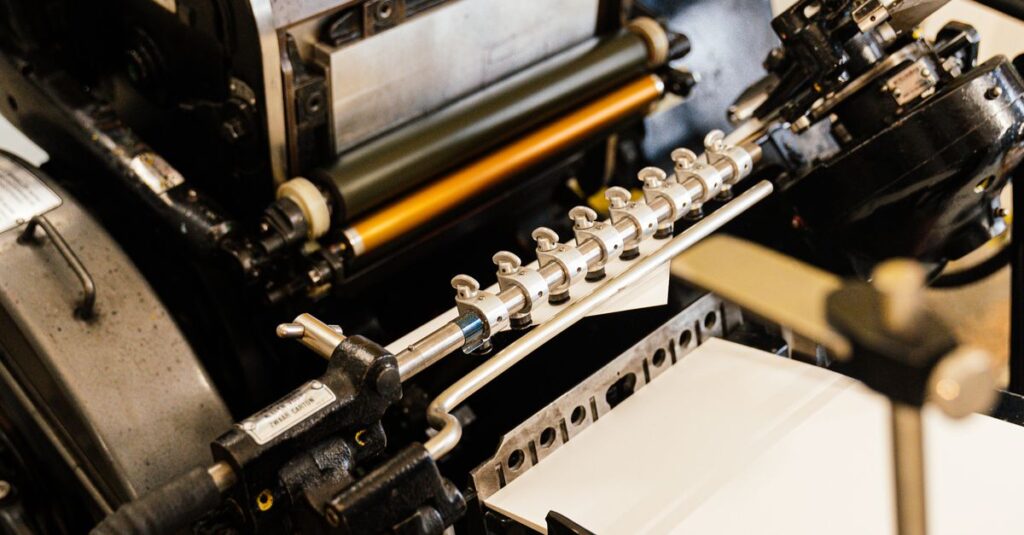
We use offset printing for bulk runs. The plates have to be made perfect. The ink viscosity has to be just right. It’s a chemistry experiment happening at high speed. And the pressman? His job is to watch for the slightest variation in color density, for hickeys (little specks of dust on the plate), for anything that means a sheet needs to be pulled. He makes more judgment calls before lunch than most people do all week.
Why does this matter to you? Because the print quality is the first thing your end-user sees. A fuzzy logo on a corporate diary says "we didn't care." Crooked lines in a school notebook say "this is cheap." The print has to be flawless, every single time. And that's a pressure most buyers never have to feel — but the manufacturer feels it with every order that rolls off the line.
Expert Insight
I was talking to a press operator who'd been doing this for thirty years. Over chai, obviously. He said something that stuck with me. "You know how you know a good notebook?" he asked. "You close it. The covers meet exactly. No gap. That means every step before it — the printing, the cutting, the stacking — was precise. If the covers don't meet, something went lazy." It's a tiny thing. But he checks every sample batch that way. First thing. Just closes it. I don't have a cleaner test than that.
The Press: Where Everything Comes Together Under Pressure
This is where the magic — and the stress — actually happens. "Press" in our world means binding. The moment loose, printed sheets become a book you can hold.
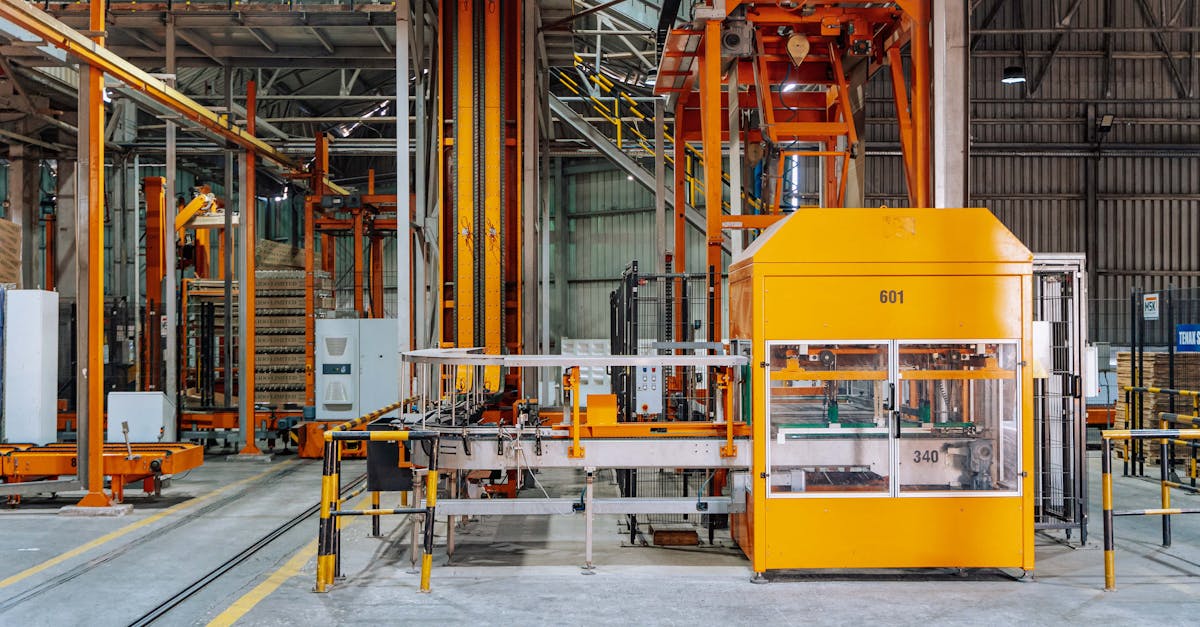
Think about a spiral binding. Seems straightforward: punch holes, insert coil. Now imagine doing that to 40,000 notebooks in a day. The punching heads have to be aligned within a fraction of a millimeter across millions of sheets. If they drift, the coil won't thread. The machine jams. You lose an hour. The entire production schedule, which is often timed down to the half-day for massive orders, gets thrown off.
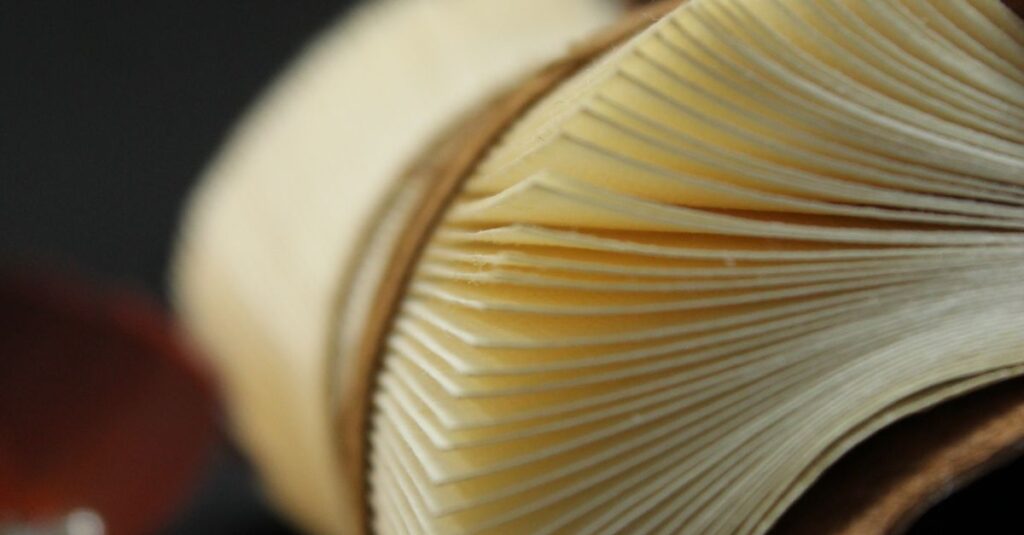
Perfect binding uses glue. Hot melt adhesive. The temperature has to be perfect. Too hot, it seeps into the pages. Too cool, it doesn't hold. And the paper grain — the direction the paper fibers run — has to be right for the binding type. Get it wrong, and the book won't lie flat. It'll fight the student trying to write in it.
Then there's stitched binding. The old-school, most durable method for thick account books or 700-page registers. It's literally sewing the signatures together. It's slower. It costs more. But when a ledger needs to last for years of daily use, it's the only way. The press here is the stitching machine, and the skill is in making sure the tension on every thread is consistent. Too tight, the paper rips over time. Too loose, the book feels floppy immediately.
Here's a real-life snapshot. Priya, 42, procurement manager for a chain of coaching institutes in Hyderabad. She needs 15,000 graph books for the new academic year. She got a "great price" from a new supplier last year. The books arrived. The spines were glued, but poorly. By October, pages were falling out in classrooms. Teachers were complaining. Students were frustrated. She spent more time managing that fallout than she did on her entire job. She told me, "I learned the hard way. The press isn't a step. It's the step."
The binding is the integrity of the product. It's the thing that fails last — or first. And when you're ordering in bulk, you can't afford for it to fail at all.
Custom Orders: Where Print & Press Gets Personal (and Complicated)
Okay. This is where most people get nervous.
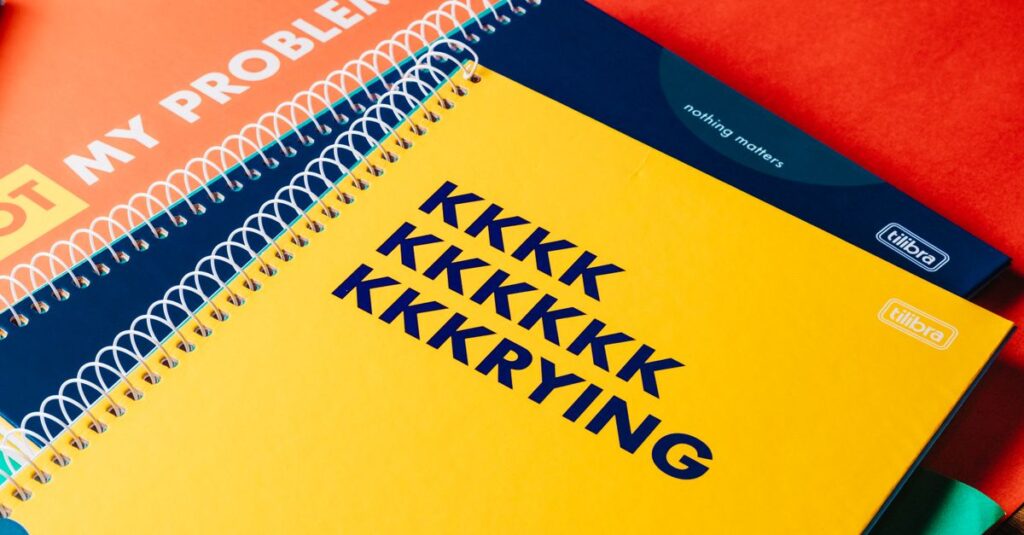
You want a custom notebook. Your company logo. Your school crest. A specific layout on the inside cover. Maybe even a custom page ruling. This is the part where a manufacturer either shows you what they're made of, or where they try to talk you into a standard option.
The complication isn't malice. It's physics and scheduling. A custom cover design means new printing plates. That's time and cost. A custom interior layout means stopping the standard ruling machines, adjusting them, running a test batch, getting your approval, and then hoping the adjustment holds for the entire 10,000-unit run. If it doesn't, you have waste.
Private label manufacturing — where we make the notebook and you put your brand on it — is our bread and butter. But it requires a different kind of trust. You're trusting us with your brand's physical representation. We're trusting you with clear specs and realistic timelines. The worst conversations happen when someone needs "50,000 custom diaries yesterday." It can't happen. The paper has to be sourced. The design has to be finalized. The plates have to be made. The press has to be scheduled.
The beautiful part? When it works. When a business gets its first batch of branded notebooks for a conference, and they look and feel premium. When a school gets its special-cover notebooks for the year, and the students actually like them. That's the payoff for navigating the complexity. Getting custom print & press right is an art, and it's one we've been practicing since the 80s.
Choosing a Partner: It's Not Just About Price Per Book
Look, I'll be direct. Everyone looks at the price first. I get it. You have a budget.
But the real cost of a notebook isn't the unit price. It's the cost of failure. The cost of delayed shipments that hold up your distribution. The cost of defective books that come back as returns. The cost of your reputation when you give a substandard product to your customers or students.
So how do you choose? Don't just ask for a quote. Ask questions.
- Ask about paper sourcing: Where does the paper come from? Is it consistent? Can they show you samples from different batches?
- Ask about lead times realistically: For 20,000 standard notebooks? For 5,000 custom ones? Add a week to whatever they say for safety.
- Ask for a physical sample: Always. Not a picture. A book you can hold, write in, bend, and check if the covers meet.
- Ask about their busy seasons: In India, school notebook production goes crazy from December to March. If you need something in February, you need to know if they're already swamped.
Nine times out of ten, the right partner is the one who answers these questions easily, without hesitation. The one who explains the constraints instead of just promising the moon. The one who has been through enough academic cycles and corporate gifting seasons to know what can go wrong. Experience matters here more than almost anything else. Because print and press is a physical, mechanical process. And machines, like people, have bad days. The good manufacturers have systems to catch the bad days before the product leaves the factory.
| Factor | Budget Supplier | Established Manufacturer |
|---|---|---|
| Paper Consistency | May vary between batches; cost-saving on raw material. | Standardized GSM & source; quality checks at receipt. |
| Binding Reliability | Higher risk of loose sheets or spine failure over time. | Durability-tested methods; consistent machine calibration. |
| Customization Flexibility | Limited options; often pushes standard products. | Structured process for custom cover, layout, & ruling. |
| Lead Time Honesty | Often optimistic; higher risk of delays. | Builds in buffer for machine maint., supply delays. |
| Problem Resolution | Difficult to reach; may dispute quality issues. | Direct lines (like our phone/WhatsApp); owns the issue. |
So, What Are You Really Buying?
You're not buying paper and ink.
You're buying precision at scale. You're buying the peace of mind that comes from a process that's been refined over 40,000 days. You're buying the result of a pressman's judgment call and a binder's attention to tension. For a corporate buyer, you're buying a tangible piece of your brand's image. For a school, you're buying a tool that won't let a child down in the middle of an exam.
Print & press is the engine. But trust is the fuel. I don't think there's one perfect way to do this. Probably there isn't. But if you've read this far, you already know what you need from a supplier — you're just figuring out who can actually deliver it.
When you're ready to talk specifics, we're here.
Frequently Asked Questions
What does GSM mean in notebook paper?
GSM stands for Grams per Square Meter. It's the weight of the paper. Higher GSM means thicker, heavier paper. Our standard writing paper is around 54 GSM — it's a sweet spot: durable enough not to tear easily, but thin enough to make a 200-page notebook a reasonable thickness and cost. Too low, and ink bleeds; too high, and the book gets bulky.
What is the most durable binding for heavy-use notebooks?
For things like account books or record books that get opened and closed constantly, stitched (or saddlestitched) binding is the most durable. It's literally sewn together. Spiral binding is great for laying completely flat, but the coil can get bent. Perfect binding (glued spine) is cost-effective for standard notebooks, but for a 700-page ledger that needs to last years, stitching is the way to go.
How far in advance should I place a bulk order for school notebooks?
As far in advance as you possibly can. Seriously. The ideal window is 8-12 weeks before you need delivery, especially for orders above 20,000 units. The peak season is Jan-March. If you need notebooks for a June school opening, you should be finalizing by March at the latest. This allows time for paper procurement, production scheduling, and any unexpected delays.
Can you print a full-color logo on a notebook cover?
Absolutely. That's a standard part of our print & press services for custom and private label orders. We use offset printing for bulk runs, which gives sharp, vibrant color reproduction. The key is you providing a high-resolution, print-ready file (like a PDF with bleed margins). A low-res image from a website won't work — it'll look blurry when printed.
What is the minimum order quantity for custom printed notebooks?
It varies, but for a custom print run to be economically viable for the setup involved (making plates, adjusting machines), we usually look at a minimum of 1,000 pieces for a standard size. For smaller quantities, digital printing might be an option, but the per-unit cost is higher. It's always best to discuss your specific needs — we try to be flexible.