Honestly, Most People Don’t Know What They’re Buying
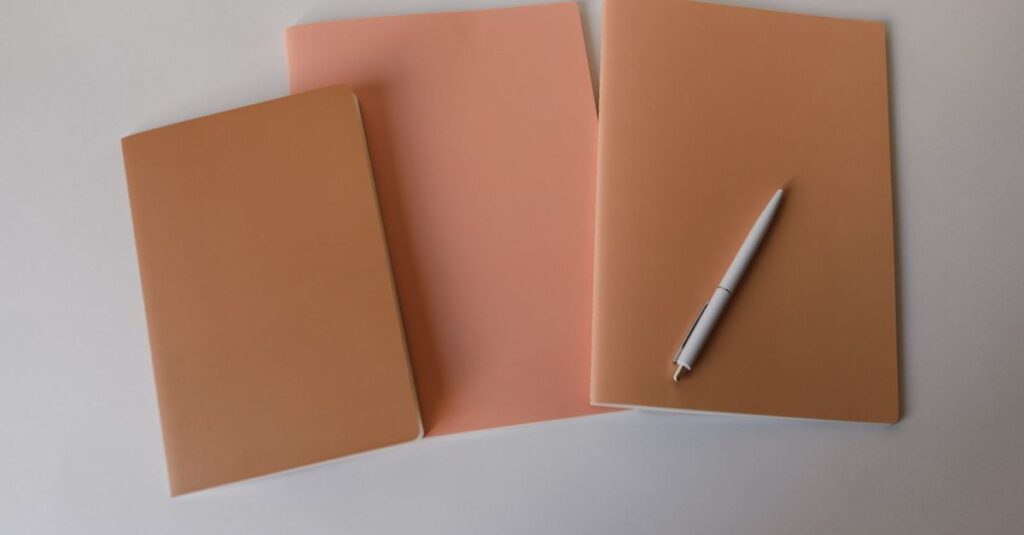
You order 500 corporate diaries. You tick the box for ‘PU Leather’. The notebooks arrive. They look good, they feel solid. But what did you actually pay for? A genuine leather product? Some weird plastic? Is it going to crack in six months? See, this is the part everybody skips. That feeling, right when the samples land on your desk. You tap the cover. Flip through the pages. You’re deciding based on a gut feeling, because the jargon didn’t actually tell you anything.
I’ve been in this business for nearly four decades now — making notebooks, binding them, shipping them to schools, corporates, distributors all over the world. And the number of times a client calls, slightly hesitant, to ask, “This PU material…” — they never finish the sentence. They mean: Is it good enough?
Here’s the thing. It’s not just good enough. For most of what you need, for bulk school notebooks or branded corporate diaries, it’s probably better. But you should know why. You should know what’s protecting all those pages you’re about to fill. So let’s talk about it. If you’re custom printing, this is where it starts.
So, What Is PU Material, Actually?
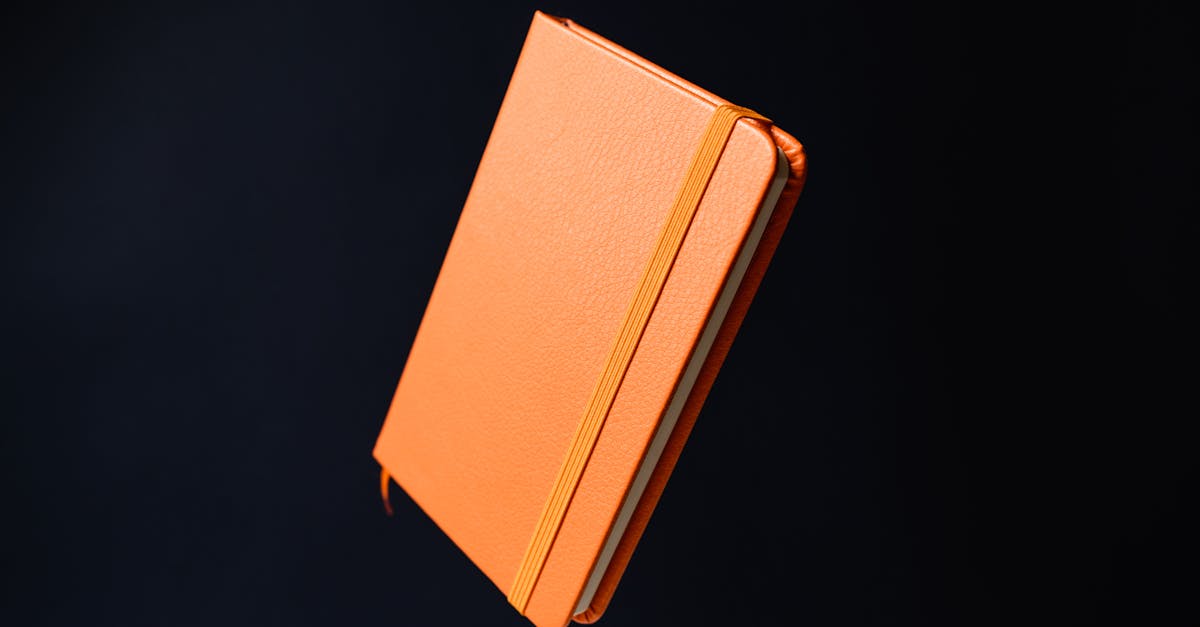
Let me strip away the marketing speak. PU stands for Polyurethane. It’s a polymer — a type of plastic, sure. But that word ‘plastic’ does it a massive disservice. Think of it less like a cheap water bottle and more like a high-tech skin. They take a fabric base — usually polyester — and coat it, layer by layer, with this polyurethane mix. The magic is in the finishing. They can emboss it to feel exactly like leather grain, make it matte or glossy, even give it a soft-touch finish that feels premium.
The big confusion is with ‘PVC’. Older, cheaper notebooks used PVC. That’s the stuff that feels stiff, has that chemical smell, and cracks over time. PU is the evolved, smarter cousin. It’s more flexible, way more breathable, and doesn’t have that off-gassing smell. It’s what you want.
Why does this matter? Because when you’re sourcing 10,000 notebooks for a school district or 2000 executive diaries for a bank, the cover material dictates the entire lifecycle of the product. A bad cover fails. A good one lasts. And nine times out of ten, the good one is PU. The question isn’t whether it’s real leather. It’s whether it will survive a year in a student’s backpack or on a manager’s desk.
The Real-World Test: A Distributor’s Warehouse in Hyderabad
Let me tell you about Ramesh. He’s a distributor I’ve worked with for 15 years, based in Secunderabad. His warehouse is, to put it mildly, not climate-controlled. It gets brutally hot and humid. A few years back, he took a chance on a cheaper notebook line with a synthetic cover — not PU, something else. They sat in boxes for eight months before the school term started.
When they opened the cartons, the covers had started to peel. A sticky residue had formed between them. It was a total loss. A massive headache. Money down the drain.
We switched him to our standard PU-bound notebooks after that. The next batch sat for over a year. Same warehouse. When they opened them, they were fine. A little dusty, but the covers were intact, supple, ready to use. THAT is the test. Not the brochure. Not the sample you get in an air-conditioned office. The warehouse. The monsoon humidity. The trunk of a salesperson’s car. PU material, done right, passes that test.
Expert Insight
I was talking to our head of production last month, going over a new client’s specs for custom diaries. He pointed at the PU sample and said something that stuck with me. “People think we choose this because it’s cheaper than leather. That’s true, but it’s not the reason. We choose it because it’s more consistent.” He’s right. With real leather, every hide is different. Thickness, grain, stretch. With PU, we can guarantee that notebook #1 and notebook #10,000 will have the exact same feel, the same colour depth, the same performance. For bulk institutional orders, that consistency isn’t a nice-to-have. It’s the only thing that matters here.
PU vs. The Alternatives: It’s Not Even Close
Most people are comparing three things: Real Leather, PU Material, and basic Paperboard or Laminated Covers. Let’s break it down plainly.
| Feature | Real Leather | PU Material |
|---|---|---|
| Cost | High. Very high for bulk. | Mid-range. Excellent value. |
| Durability | Long-lasting but can scratch, stain, dry out. | Highly durable, scratch-resistant, waterproof. |
| Consistency | Variable (natural product). | Perfectly uniform across thousands of units. |
| Weight | Heavy, premium feel. | Lighter than leather, still feels substantial. |
| Customization | Emboss/deboss only, limited colours. | Full-colour printing, foil stamping, embossing, any colour. |
| Maintenance | Needs conditioning, careful handling. | Wipes clean with a damp cloth. No maintenance. |
| Ethical/Environmental | Animal product, tanning process varies. | No animal products, but a synthetic polymer. |
See, for corporate gifting or school notebooks, leather is overkill — and a logistical nightmare for large orders. And paperboard? It feels cheap, bends easily, and offers zero protection. PU sits right in that sweet spot. It gives you the perceived value and physical protection of leather without the cost and inconsistency. For a notebook manufacturer, it’s the default choice for a reason.
How It’s Made: The Process That Makes It Tough
Okay, so how does a roll of polyester fabric become a notebook cover? It’s actually fascinating. The base cloth goes through a coating machine where liquid polyurethane is applied. It’s then cured — basically baked — to form that solid, flexible film. But the real step that matters for notebooks is the lamination. That PU-coated fabric gets laminated to a thick paperboard. This creates the rigid, yet slightly flexible, cover board we use.
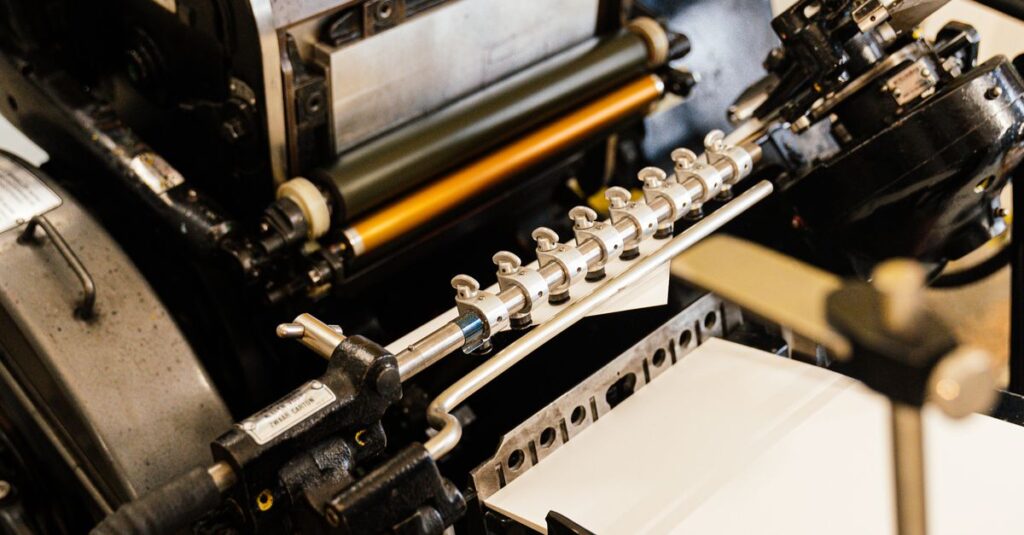
Then it’s cut to size. After that, it goes for printing or embossing. We can do full-colour offset printing directly onto the PU surface for vibrant custom designs. Or we can foil stamp a logo for a classic, elegant look. The material takes both beautifully. Finally, it’s precision-creased, folded, and bound to the notebook’s inner pages using stitching, spiral, or perfect binding.
The quality check here is simple, brutal. We fold a corner back on itself. We rub it aggressively with a cloth. We put a drop of water on it and leave it for an hour. If the colour transfers, if the surface clouds, if the lamination bubbles — it’s rejected. I think — and I could be wrong — that most complaints about PU come from people who got a batch that skipped these tests. The material itself is incredibly resilient when processed correctly.
Who Should (and Shouldn’t) Use PU Notebooks
PU material is a workhorse. It’s not a luxury statement, it’s a functional, professional one. So who’s it perfect for?
- Corporate Procurement Managers: You need 5000 branded diaries that look professional, survive a year of meetings and travel, and stay within budget. PU is your answer. It wipes clean, doesn’t scuff in a briefcase, and the branding looks sharp.
- Schools & Colleges: Bulk school notebooks need to be tough. Kids aren’t gentle. PU covers resist water spills, pen marks, and the general chaos of a school bag. They last the entire academic year.
- Stationery Distributors: You need a product that won’t degrade in storage or during transport. The moisture resistance and durability of PU mean fewer returns and happier retailers.
- Promotional Item Companies: Custom printed notebooks are a classic giveaway. PU gives that ‘premium’ feel that makes the promo item actually get used, not tossed.
Who might look elsewhere? Maybe a ultra-high-end luxury brand where only genuine calfskin will do for a limited edition. Or a niche eco-brand committed to 100% natural materials (though even then, there are debates). For the other 99% of the market — from government tenders to international exports — PU is the standard for a reason. It just works.
The Real Cost of Getting It Wrong
Look, I’ll be direct. Choosing the wrong cover material isn’t a small mistake. It’s a total rebranding risk. Imagine handing out beautiful corporate diaries at an annual conference. Three months later, the covers are peeling, the edges are fraying. That diary is on desks of your top clients. It’s not just a broken notebook. It subtly says something about your company’s attention to detail, your quality. It whispers “cut corners.”
Conversely, a well-made PU diary that lasts the year, that looks good on a desk, that feels solid in the hand? It becomes a daily reminder of your brand. It’s a utility and a marketing tool that actually earns its keep. The few extra rupees per unit for quality PU over a cheap alternative isn’t a cost. It’s insurance. Probably the biggest reason businesses come to us after a bad experience elsewhere isn’t price. It’s that they can’t afford that silent, daily failure sitting on someone’s desk.
Frequently Asked Questions
Is PU material real leather?
No. It’s a synthetic material, but it’s engineered to look, feel, and perform like leather. It’s often called “PU leather” or “synthetic leather” in the market. It’s more consistent and affordable than real leather for bulk orders.
Is PU material waterproof?
Yes, that’s one of its best features. A quality PU cover is highly water-resistant. Spills wipe right off without damaging the surface or the inner pages. This makes it ideal for school notebooks and travel diaries.
How durable is a PU notebook cover?
Extremely durable if it’s well-made. It resists scratches, scuffs, and cracking far better than cheaper PVC or laminated paper covers. We design them to survive a full academic year of student use or years of corporate carry.
Can you print on PU material?
Absolutely. That’s another huge advantage. We can do full-colour offset printing directly onto the PU surface for vibrant custom designs, logos, and graphics. You can also use foil stamping or embossing for a more classic look.
Is PU material eco-friendly?
It’s a complex answer. It’s not biodegradable like paper or leather. However, it’s extremely durable, which means products last longer, creating less waste. The industry is also developing more eco-friendly PU formulations. For now, its longevity is its main environmental benefit.
The Bottom Line: It’s About Trust, Not Just Material
So there it is. PU material isn’t a mystery. It’s a practical, high-performance choice for 99% of the notebooks and diaries the world uses. It balances cost, durability, and appearance in a way nothing else really does.
But I don’t think the real question is about the chemical makeup of polyurethane. The real question is whether you trust the people binding it to your pages. A great material in the hands of a sloppy manufacturer is still a bad notebook. The process, the quality checks, the binding — that’s what turns a sheet of PU into a product that lasts.
We’ve built our entire operation on that premise for 40 years. The material is just the starting point.
You’re likely looking for notebooks that won’t let your brand or your students down. You already know what you need — you’re just figuring out who can deliver it consistently, order after order. Sometimes, the easiest next step is just to ask the question directly.