Here's a question I hear all the time, usually after someone's been handed a huge quote for 10,000 custom notebooks: “What are we actually paying for?”
Because it looks simple. It's just paper and staples, right? You can buy a single notebook for next to nothing. But when you need a thousand — or ten thousand — with your logo, in specific sizes, to be delivered to five different schools by next month, the price jumps. And the first thing you think is, “Is this a rip-off?”
I get it. I've been on the other side of that conversation for nearly forty years at Sri Rama Notebooks, watching procurement managers and school principals do that mental math. The disconnect happens because most people see a finished product, not the process. They don't see the paper jams, the binding machines that break down on Tuesday afternoons, the smell of fresh print in a factory at 6 AM.
Book printing — especially for the notebooks, diaries, and account books that fill schools and offices — is a logistical ballet. It's not magic. But it's also not just stapling paper together. Let's pull back the curtain.
It Starts with the Paper, But Not How You Think
You think about weight and color. We think about humidity and tension.
When you order a batch of notebooks, the first real decision is the paper. Not the fancy cover — that comes later. The inside pages. Most standard school notebooks use around 54 GSM writing paper. That number — GSM, or grams per square meter — isn't just a fancy spec. It's the difference between a pen bleeding through and a page that can handle a fountain pen and a frustrated student erasing a mistake three times. It needs to be smooth enough to write on, but with enough tooth to feel right. Opacity matters, too. Nobody wants to see the math problem from page 32 ghosting through on page 33.
But here's the headache nobody talks about: paper is sensitive. It reacts to the weather in Rajahmundry. On a humid day, the sheets can expand slightly, which throws off the precision cutting later. The paper feeds into the printing press under tension — too tight, and it tears; too loose, and the print registration is off. The whole thing is a balancing act that happens at a speed that would make your head spin. Thousands of sheets an hour, each one needing to be perfect.
The Printing Press Isn’t a Big Office Printer
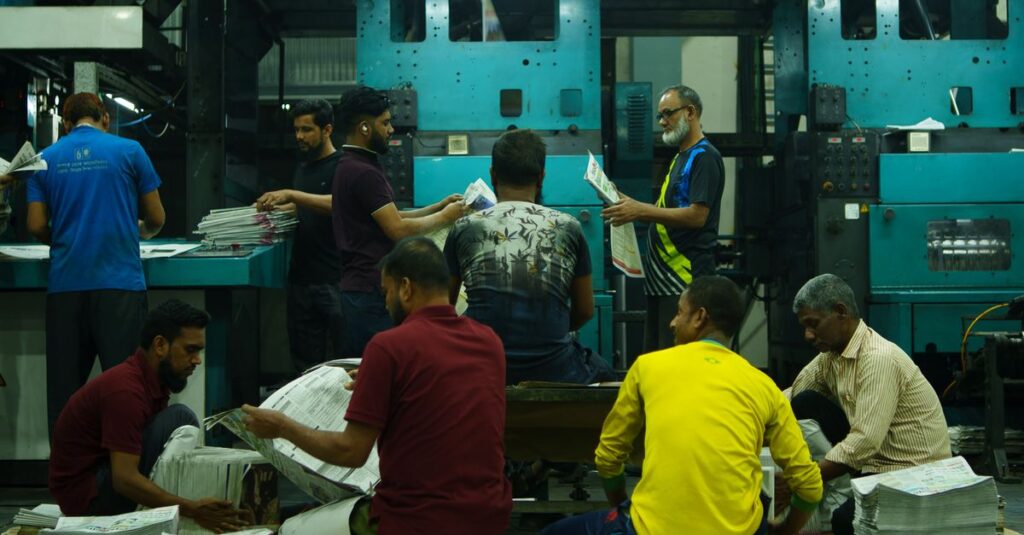
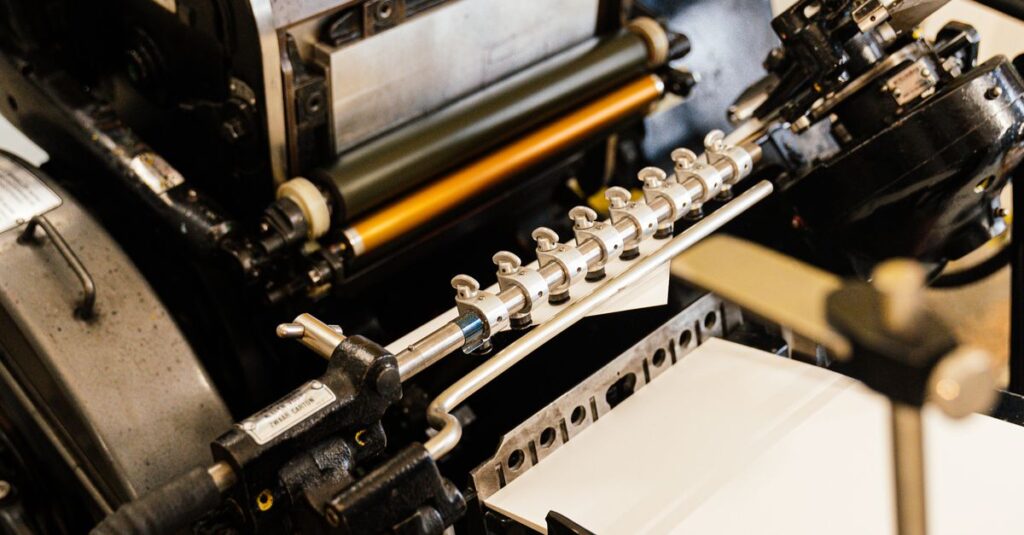
This is where the term “book printing” gets real. We're not talking about a laser printer churning out pages. For bulk orders, it's almost always offset printing.
I was explaining this to a corporate buyer from Hyderabad last month. He wanted branded diaries for his sales team. He was comparing our quote to the cost of printing flyers. It's a different world. In offset printing, your design isn't printed directly onto the paper. First, it's etched onto metal plates — one for each color (Cyan, Magenta, Yellow, and Black, or CMYK). These plates get mounted on a cylinder. They pick up ink and transfer it to a rubber blanket, which then rolls the image onto the paper. It sounds convoluted, but it's the only way to get sharp, consistent, cost-effective color across thousands of pages.
The setup is where the cost lives. Making those plates takes time and skill. Cleaning the press between jobs takes time. That's why the unit price drops so dramatically with volume. The first 100 notebooks are expensive. The next 9,900 are where the efficiency kicks in.
Real-Life Micro-Story: Priya's School Order
Priya, 42, is the procurement head for a chain of private schools in Visakhapatnam. She needed 15,000 customized notebooks for the new academic year — four different subjects, four different cover designs, two different ruling types (single and four-ruled). She got three quotes. The cheapest one promised delivery in two weeks. The most expensive one had a six-week timeline. She called me, confused. “The fast one is cheaper. Isn't that backwards?”
It is. The cheap quote was from a broker who was going to subcontract the printing, the ruling, and the binding to three different small shops. No single point of control. The timeline was a fantasy. Priya went with the realistic schedule. The notebooks arrived, perfectly sorted and palletized, on the morning of the fifth week. The teachers had them in the classrooms that afternoon. The cheap broker? He stopped answering his phone after week three.
The lesson wasn't about price. It was about process.
Binding: Where Your Notebook Becomes a Book
Printed sheets are just… sheets. Binding is what turns a stack of paper into something you can throw in a bag, drop, and have survive a school term.
There are a few main ways we do this, and the choice changes everything about the notebook's use and cost.
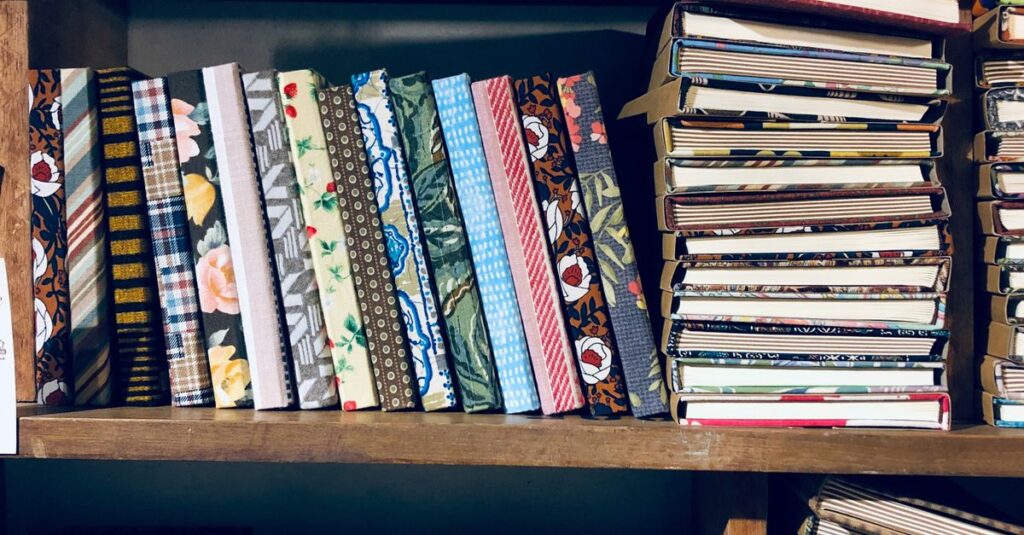
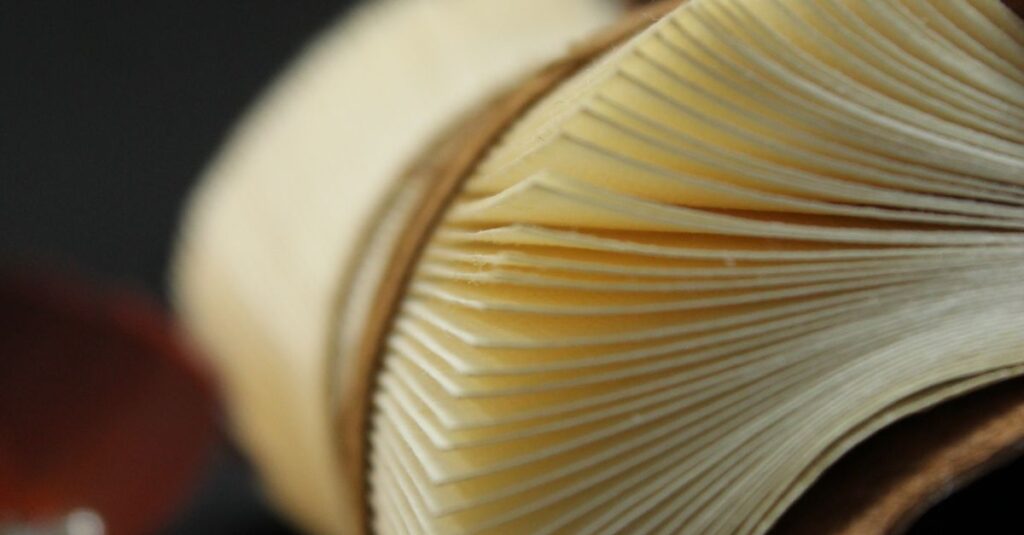
- Stitched Binding (Saddle Stitching): This is your classic school notebook. Sheets are folded in the middle, gathered into a “booklet,” and stapled through the fold along the spine. It's durable, lies flat, and is incredibly cost-effective for thinner notebooks (up to about 92 pages). This is the workhorse of the industry.
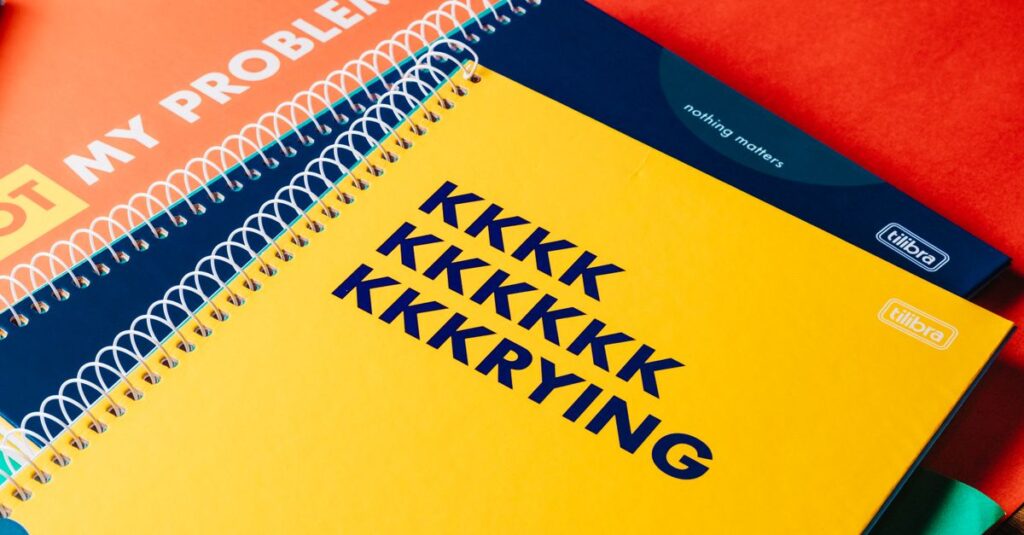
- Spiral Binding: Plastic or metal coil is punched through the pages. The big benefit? It lies perfectly flat, 360 degrees. Great for sketchbooks, lab notebooks, or anything that needs to be folded back on itself. The downside? The coils can get bent in a packed backpack.
- Perfect Binding: Think of a paperback novel. The pages are gathered, the spine edge is ground down a bit to rough it up, and then strong glue is applied. A cover is wrapped around. It gives a very clean, professional look — ideal for corporate diaries or premium notebooks. It feels substantial. But it doesn't always lie flat when new.
Choosing the right binding isn't an afterthought. It's a core part of the design brief. A student's rough-use math book needs stitches. An architect's presentation sketchbook needs a spiral. A CEO's desk diary needs perfect binding. Get it wrong, and the product fails in the user's hands.
Expert Insight
I was reading an old trade journal last month — one of those physical magazines that still shows up — and a line from a veteran binder stuck with me. He said the most common mistake buyers make is specifying a binding style because they saw it on a trendy notebook in a store, not because of how the notebook will actually be used. “They want the *feel* of quality,” he wrote, “not the *function* of it.” And function is what keeps a notebook from falling apart in Week 6 of a tough semester. That distinction, between feeling premium and being durable, is everything in bulk manufacturing. We're not making a fashion accessory. We're making a tool that has to survive.
The Customization Trap (And How to Avoid It)
Everyone wants their logo on the cover. That's the easy part. Customization goes much deeper, and that's where costs and complications hide.
You can customize almost anything: the cover material (paper, laminated, hardboard), the foil stamping color for your logo, the header on each page, the ruling type on the inside, even the page numbers. The trap is thinking all these changes are equal. They're not. Changing the ink color for a header on every page? That might mean a whole extra print run for the interiors, doubling the cost. Adding a special perforated tear-out section in the back? That's a manual assembly step that slows the binding line to a crawl.
The smartest buyers — the ones who get great quality at a fair price — start with a standard template and make one or two meaningful changes. Maybe it's your vibrant logo on a standard 200-page, stitch-bound notebook. Maybe it's a custom footer on every page of an account book. Pick the thing that matters most for your brand or your users, and let the rest be standard. This keeps the project on the efficient, automated production line. Stray too far, and you fall into “job shop” territory, where everything is done by hand. The price isn't just higher. The risk of error skyrockets.
That's why a clear conversation with your printing services partner is the most important step. Be honest about your budget and your non-negotiables. A good manufacturer will tell you how to get the most impact for your money.
| Feature | Standard Notebook (Bulk) | Fully Custom Notebook |
|---|---|---|
| Lead Time | 2-3 weeks | 6-8 weeks |
| Cost Driver | Volume of paper & speed of line | Setup time & manual processes |
| Flexibility | Low (choose from standard options) | Very High (design almost anything) |
| Best For | Large institutional orders (schools, basic corporate) | Premium branding, unique products, gifts |
| Risk of Error | Very Low (process is repeated daily) | Higher (new process each time) |
| Minimum Order | Can be lower (1,000+ units) | Usually higher (5,000+ units) |
What Bulk Buyers Need to Know (That Google Won’t Tell You)
Look, I'll be direct. If you're buying 5,000 notebooks for your company or 50,000 for a district of schools, you're not just buying stationery. You're buying a logistics and manufacturing outcome. Your checklist shouldn't just be about price per unit.
You need to ask about packaging. Are the notebooks bundled in 10s? 50s? Are they shrink-wrapped to protect against dust and moisture during shipping? How are they palletized? A poorly packed shipment can arrive damaged, making your “great deal” worthless.
You need to ask about the production schedule. Is the factory running your job all at once, or are they slotting it in between other jobs? The latter can cause inconsistencies in paper batch or ink color. Consistency is king in bulk orders.
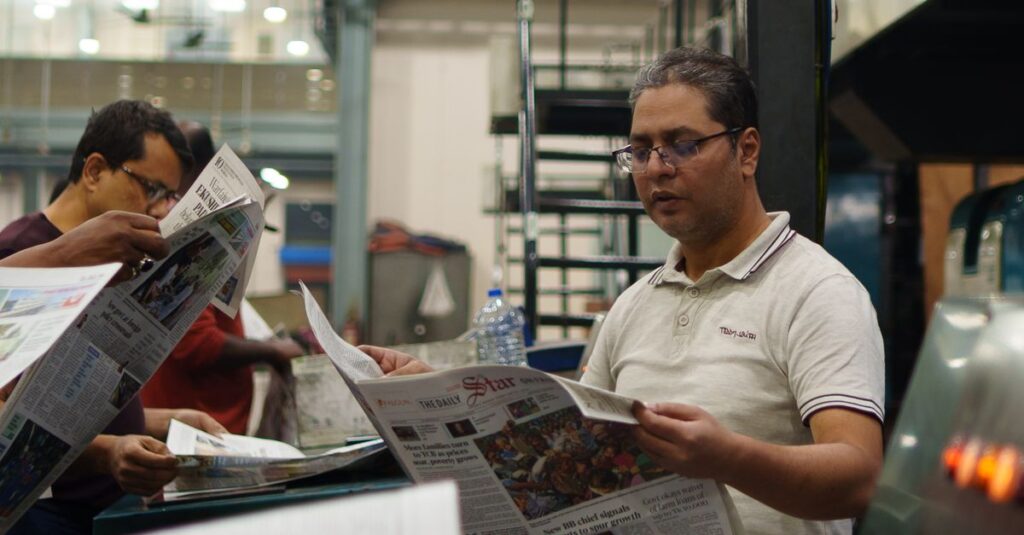
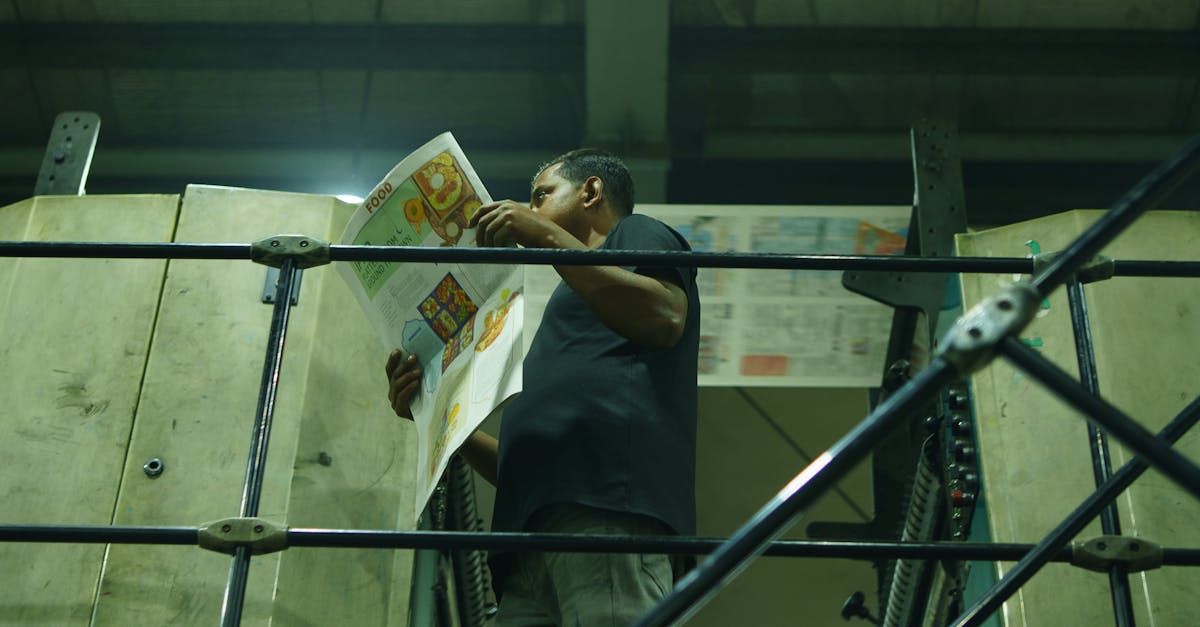
And you absolutely need to ask about quality checks. At our facility, there are checkpoints: when the paper is loaded, when the sheets come off the press, when the binding happens, and at final packing. Random notebooks are pulled and tested — the binding is tugged, the pages are fanned. This isn't something a small shop can do systematically. It's why working with an established notebook manufacturer matters. The process is baked in.
Anyway. The point is this. Your due diligence should be on the *process*, not just the product spec sheet.
Frequently Asked Questions
What’s the minimum order quantity for custom book printing?
It really depends on the level of customization. For simple logo printing on a standard notebook, you can sometimes start at 1,000 pieces. For a fully custom design with unique paper and binding, most reputable manufacturers will have a minimum of 3,000 to 5,000 units to make the setup and production time worthwhile. Always ask — it’s the first question we get.
How long does bulk notebook printing take?
For a standard bulk order with no complex custom features, plan on 3 to 4 weeks from approved design to shipped product. This includes prepress (making plates), printing, drying time, binding, and packing. Rush jobs are possible, but they often incur a 25-50% premium and can compromise quality checks. Don’t be fooled by unrealistic one-week promises.
What’s the difference between offset and digital printing for notebooks?
Offset is for bulk. It’s cheaper per unit at high volumes (think thousands) and gives sharper, more consistent color. Digital printing is fantastic for very short runs (like 50 or 100 books) or for personalization where every cover is different. For most school or corporate bulk orders, offset is the standard because of its quality and cost-effectiveness at scale.
Can you print notebooks for export to other countries?
Yes, absolutely. A key part of our business is manufacturing notebooks for international markets, especially in the Gulf, Africa, and Europe. The main considerations are ensuring the paper quality and binding meet the destination country’s standards, and that the packaging is extra robust for sea or air freight. Export orders are routine for established manufacturers.
What information do I need to provide to get a quote?
To get an accurate quote, you'll need to know: 1) Quantity, 2) Notebook size (e.g., A4, Long, Crown), 3) Page count, 4) Type of ruling (single, double, unruled), 5) Binding style, 6) Cover design specifics (logo file, colors), and 7) Your delivery deadline. The more specific you are, the more accurate the price and timeline will be.
So, what are you paying for when you order bulk notebooks? You’re paying for the paper, sure. But more than that, you’re paying for the precision, the machinery, the skilled people who know how to run it, and the decades of institutional knowledge that prevent a thousand small things from going wrong. You’re paying for the certainty that on a specific Tuesday in July, 30,000 identical, durable, useful tools will roll off a line, ready for a year of work.
I don’t think there’s one perfect way to manufacture a notebook. Probably there isn’t. But if you’ve read this far, you’re not just looking for a cheap price — you’re looking for a reliable outcome. And that’s a different kind of math entirely. If getting that outcome right matters for your school or business, it might be worth a conversation.