Look, Let’s Just Talk About Spirals
Okay. So you’re buying notebooks. Maybe a thousand of them for a school year, maybe ten thousand for a corporate event. And someone in procurement sends you a list that says ‘bound spiral’. You nod. But then you think — hang on. What does that actually mean? Is it just a fancy word for any coil? Is it better? Is it worse?
Right. That’s the spot most corporate buyers and school administrators get stuck in. You’re not looking for a PhD in bookbinding. You just need to know if this is the right thing to order, so you don’t end up with five pallets of notebooks that fall apart in a month. The jargon gets in the way of the job.
Here’s the thing — it’s not complicated. But the details matter. A lot. The binding determines if a student can fold the cover back without cracking the spine, or if a sales rep can stuff a diary in their bag for the hundredth time. It decides durability. And cost. I see people mess this up all the time, ordering the wrong binding because it sounded right. Let’s fix that. If you’re sourcing in bulk, knowing this stuff is your job.
What “Bound Spiral” Actually Means (It’s Not What You Think)
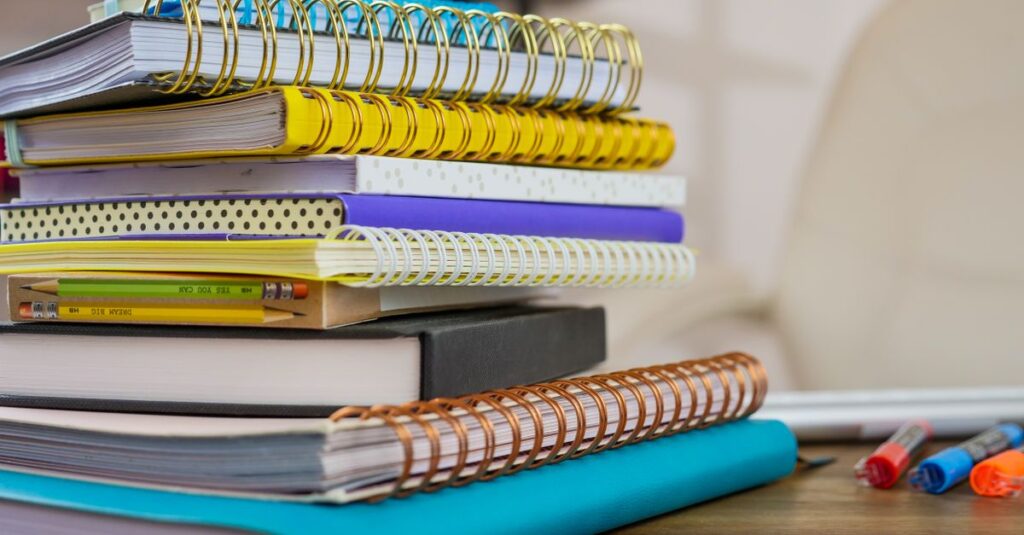
Most people hear ‘spiral’ and picture the cheap, silvery metal coil you used in school. That’s part of it. But ‘bound’ is the key word everyone skips. In notebook manufacturing, ‘binding’ is the process of holding the pages together permanently. So a ‘bound spiral’ notebook is one where the pages are first gathered into a complete, trimmed block, and then that entire block is punched and fitted with a spiral coil.
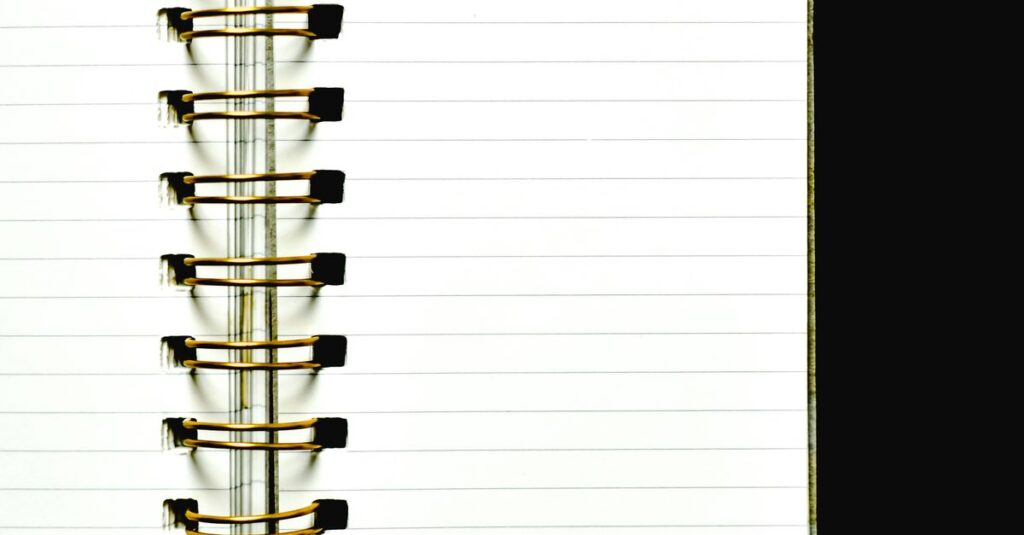
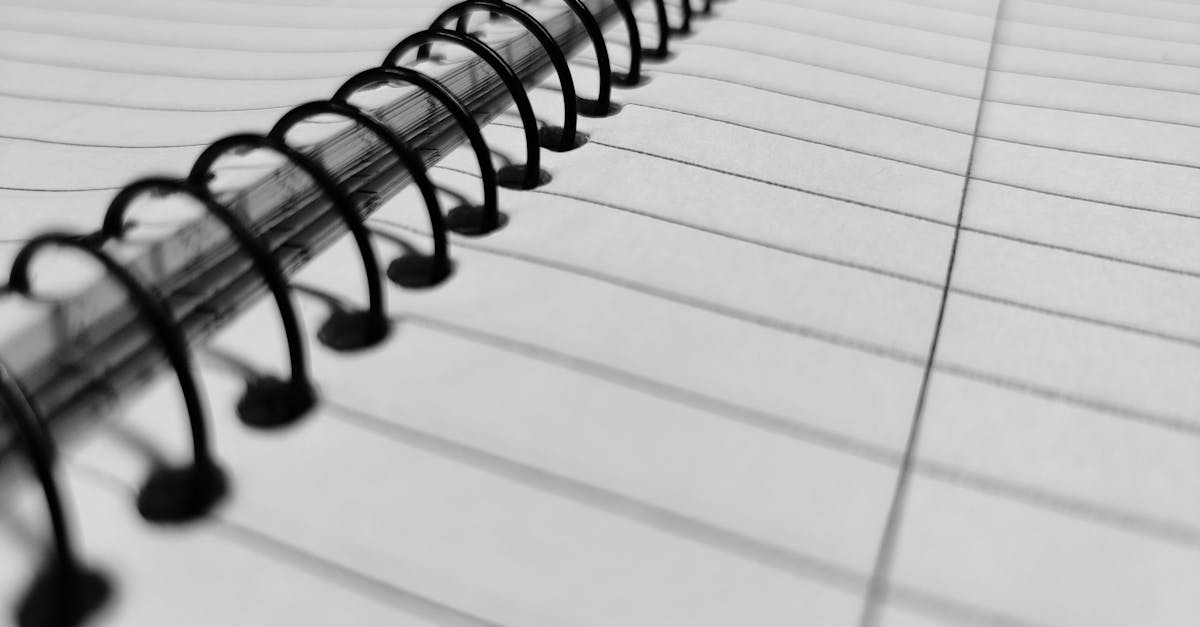
The coil — metal or plastic — is the binding agent. It’s what allows that 360-degree lay-flat function everyone loves. But the ‘bound’ part implies a finished, solid product. It’s not just pages loosely held by a wire. It’s a manufactured unit.
I was talking to a procurement manager for a chain of coaching institutes last month. He said they had a supplier who sent ‘spiral’ books where the pages weren’t properly bound at the edge before coiling. The result? Pages would slowly tear away from the punches with use. A total headache. That’s the difference right there. Bound properly, or not. The word matters because the process matters.
The Real-World Process: How We Make Them
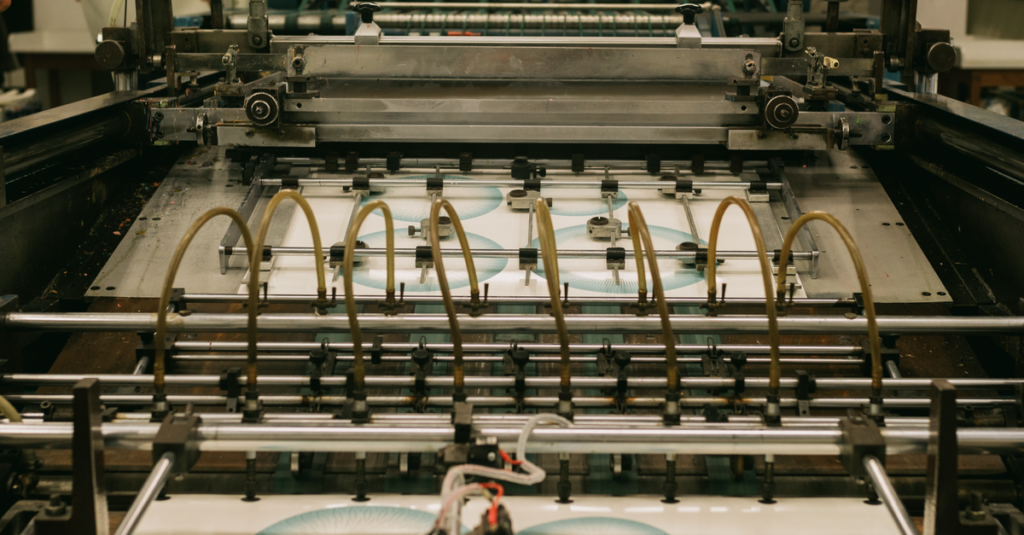
In our factory, it’s a specific line. The notebook guts — that’s the stacked, printed, and trimmed paper — move on a conveyor. A machine punches a line of square or round holes down the left edge (or top, for top-bound). Then, another machine spins a pre-cut length of PVC or metal coil through those holes, crimping the ends so it can’t come undone. That’s it. But the precision is in the punch alignment and the coil tension. Too loose, and the pages spin and sag. Too tight, and you can’t turn them without ripping. It’s a rhythm the machine operators get a feel for.
Three things happen when it’s done right: The book lies completely flat on a desk. You can fold the cover all the way back behind the book. And you can turn any page without wrestling with the ones next to it. It’s functional. Not fancy. Just reliable.
Why You’d Pick Spiral Binding (And When You Shouldn’t)
People love spirals for the lay-flat thing. Architects, students, note-takers in meetings — anyone who needs the whole page visible without holding the book down. It’s practical. But from a bulk buyer’s perspective, the reasons are more… logistical.
First, durability in active use. A spiral book gets thrown in bags, opened on laps, used in kitchens or workshops. The binding flexes. A perfect-bound book (glued spine) doesn’t flex; it cracks. Second, page security. When coiled properly, a page is physically locked in. It can’t just fall out. For a record book or an account ledger that needs to stay intact for years, that’s a big deal.
But. And this is a big but. Spiral binding adds cost. Not a huge amount per unit, but when you’re ordering 50,000 pieces, the extra machinery time and material (the coil itself) adds up. It’s also slightly bulkier for shipping and storage. And let’s be honest — it looks less ‘premium’ than a sleek, perfect-bound corporate diary. There’s a perception thing.
So when should you not pick it? When you need a super clean, professional shelf appearance (think boardroom presentation notebooks). Or when you’re on a razor-thin budget for a basic school exercise book where a stitched binding will do. Or for very high page counts (like 700-page manuals) — the spine becomes impractically thick with a coil. It’s about matching the binding to the book’s actual life.
Expert Insight
I was reading a trade magazine interview with a binder from Germany last year. He said something that stuck with me — ‘The binding is the handshake of the book. It’s the first real interaction the user has with your quality.’ I think about that a lot on the factory floor. A buyer might judge a book by its cover design, but the user judges it by how it feels to use. Does it fight them? Or does it work? The spiral, when done right, just works. It’s a humble, functional handshake. Not a power move.
Spiral vs. Everything Else: A No-BS Comparison
Look, you need to see this side-by-side. Here’s the real breakdown for someone who has to place an order.
| Feature | Spiral Bound | Perfect Bound (Glued) |
|---|---|---|
| Lay-Flat Ability | Perfect. Lies 100% flat, 360°. | Poor. Must be held open, cracks spine. |
| Durability (Flex) | Excellent. Coil flexes, doesn’t break. | Weak. Spine glue cracks with bending. |
| Page Security | Very High. Pages physically locked in. | Medium. Pages can detach from glue. |
| Cost (Bulk) | Moderate. Added material & labor. | Low. Very fast, automated process. |
| Professional Look | Casual/Functional. Seen as utilitarian. | High. Clean, finished spine looks premium. |
| Best For | Workbooks, manuals, sketchbooks, field notes. | Corporate diaries, journals, novels, catalogues. |
See? It’s not about one being better. It’s about what you need the notebook to do. Ordering a perfect-bound book for a lab technician who needs it to lie flat on a bench is a mistake. Ordering a fancy spiral for a CEO’s gift diary is probably also a mistake. Match the tool to the task.
The Real-Life Test: A Story from Rajahmundry
Let me give you an example. There’s a private polytechnic college here in Rajahmundry. They ordered 2,000 custom graph books for their engineering drawing classes. The first batch they got from another supplier was side-stitched. Nice and cheap. The students hated them. They couldn’t get the book flat enough to use their drawing boards properly. Pages ripped at the stitch lines.
The head of procurement, a guy named Arjun, called us. He was frustrated — budget spent, students complaining. We talked for ten minutes. I asked: ‘Are they at a desk, or on a tilted board?’ ‘Tilted board,’ he said. ‘And they need to turn pages fast during exercises.’ Right. That’s a spiral job. We ran him a batch of top-bound spiral books with 90gsm paper. The coil was heavy-duty plastic. He tested a sample, let a class use it. The feedback was simple: ‘Finally, it works.’
The lesson wasn’t that spiral is magic. It was that the use case dictated the binding. He didn’t need a cheaper book; he needed the right book. We see this constantly with custom printing jobs. The spec list comes in, and the binding is an afterthought. It shouldn’t be.
What to Ask Your Supplier (Before You Sign the PO)
Don’t just ask for ‘spiral bound’. That leaves too much room. Be specific. Here’s what actually matters:
- Coil Material: Is it metal or PVC plastic? Metal is more traditional but can bend out of shape. PVC is colorable (brand colors!) and more flexible.
- Coil Diameter: For a 200-page book, you need a thicker coil than for a 52-page book. Ask if the diameter matches the page count.
- Punch Shape: Square holes or round? Square holes grip the coil better, preventing spin. It’s a small detail with a big impact on quality.
- Edge Reinforcement: Are the outer pages (covers and first/last sheets) reinforced at the punch holes? This prevents tear-out.
- Can I See a Physical Sample? Always. Feel it. Fold it back. Try to tear a page out. A serious manufacturer will send you one without hesitation.
If they can’t answer these easily, that’s a red flag. You’re not being difficult; you’re being a competent buyer. This is your job. Getting clear answers is the first step to a product that won’t come back to haunt you.
Wrapping This Up
A bound spiral notebook is just a tool. A very good, very functional one for specific jobs. It’s the workhorse of the notebook world — not the show pony. The goal isn’t to overthink it, but to right-think it. Match the binding to the actual, physical life the book will have.
I don’t think there’s one perfect binding. Probably there isn’t. But if you’ve read this far, you’re not just ticking a box on a purchase order. You’re trying to get value, avoid complaints, and buy something that works. And honestly? That’s the whole game. The rest is just details about wires and glue. If you’re evaluating options and want to see what a properly made spiral book feels like, we can put a sample in your hands. No jargon, just the product.
Frequently Asked Questions
Are bound spiral notebooks durable for daily student use?
Yes, absolutely — that’s one of their best uses. The coil flexes with the rough-and-tumble of being shoved in a backpack, unlike glued spines which crack. The key is getting a good quality coil (thick enough PVC) and proper hole punching so pages don’t tear. For school notebooks, they’re a solid, practical choice.
What is the difference between spiral bound and wire bound?
Honestly, people use these terms interchangeably, but there’s a slight nuance. ‘Wire bound’ usually refers specifically to notebooks bound with a metal double-loop wire (like a twin-loop wire). ‘Spiral bound’ is the broader term covering both metal and continuous plastic/PVC coils. In practice, when you order, just specify the material you want.
Can you print custom logos on spiral bound notebooks?
Of course. The cover is fully printable, just like any other notebook. You can print your company logo, school crest, or event design on the front cover. The coil itself can also be color-matched to your brand if you use PVC plastic coils. Customization is the whole point of working with a manufacturer directly.
Which is cheaper in bulk: spiral or stitched notebooks?
Stitched binding (saddle-stitched) is almost always cheaper. It’s a faster, simpler process with less material (just thread vs. a plastic or metal coil). If budget is the absolute primary driver and lay-flat function isn’t critical, stitched is the way to go. Spiral offers more functionality for a moderate increase in cost.
What are the standard sizes for spiral bound notebooks?
The same as any notebook, really. Common ones we make are A4 (for reports), A5 (perfect for notepads), and the classic ‘Long’ and ‘Short’ sizes used in Indian schools. The binding doesn’t limit the size; we can apply a spiral to almost any dimension. You choose the page size first, then we bind it.