What Are Books Notepads Actually For?
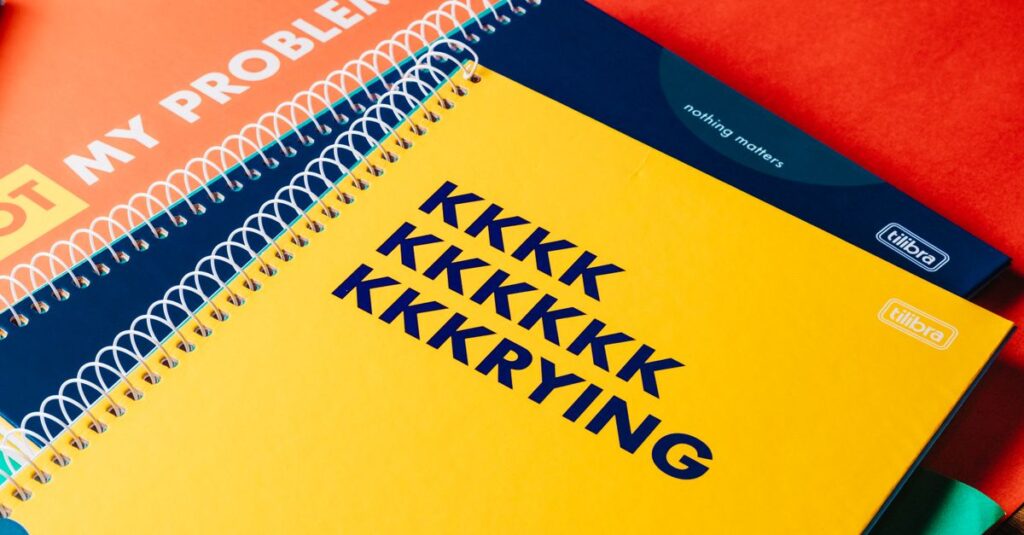
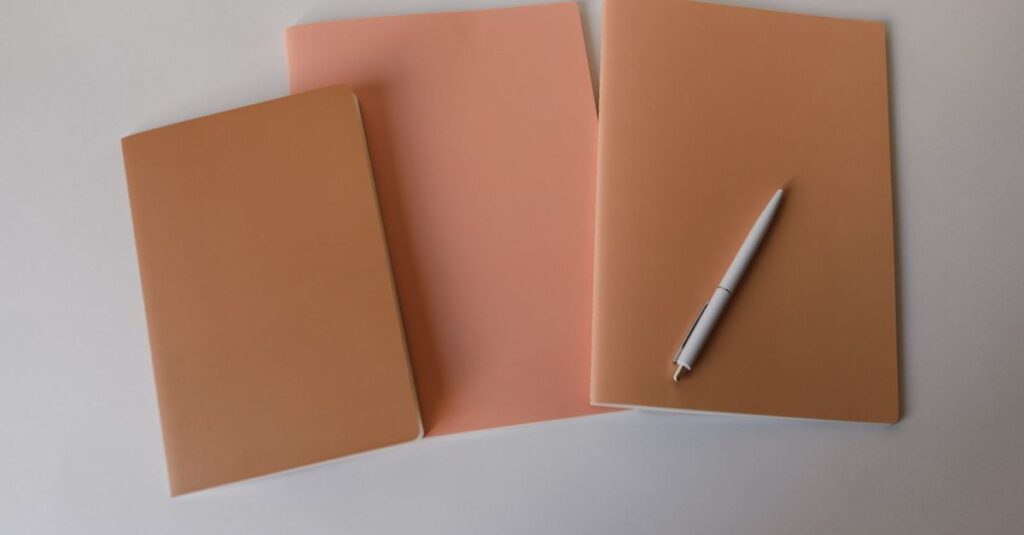
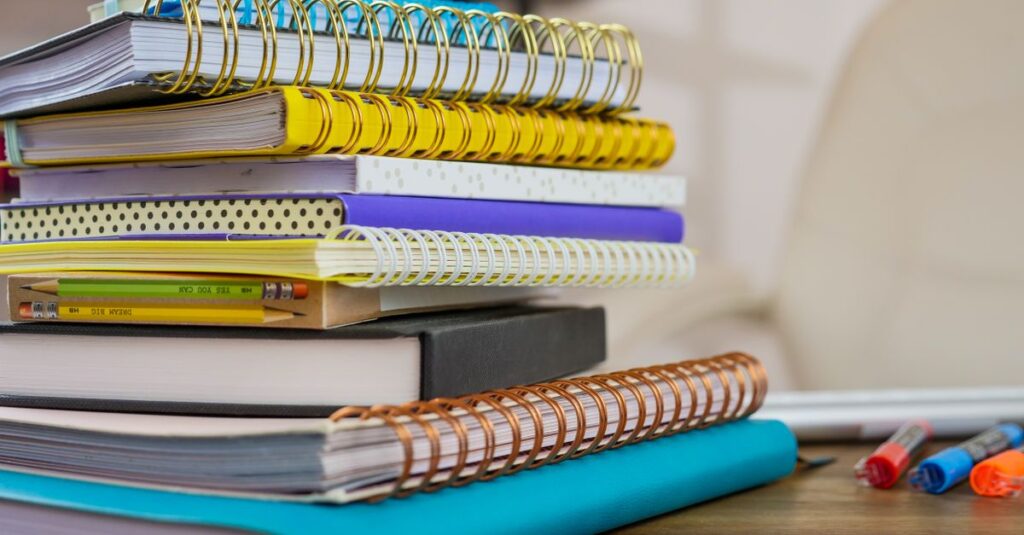
Right. Let’s start with the most obvious question. Because I’ve been doing this for forty years and people still get confused. A ‘books notepad’ isn’t one thing. It’s a category. It’s what you’re ordering when you need a stack of bound paper sheets for writing, but you don’t want a full, heavy book. You need a pad. A notepad.
Think about a procurement manager for a school district. They’re not buying one notebook for one kid. They’re ordering 10,000 units. They need them to be functional, durable, and cheap enough to fit the budget. They’re looking for ‘books notepads’ in bulk. Or a corporate office manager planning the next year’s branded stationery. They want diaries, sure, but also those sleek notepads for meeting rooms and new hires. That’s also ‘books notepads’. The search intent is commercial, but first, it’s informational. People want to know what they’re even looking at before they commit to buying 5,000 of them.
If this sounds like your world — the world of bulk orders and functional stationery — then this might be worth a look.
Beyond the Jotter: The Real-World Uses
Here’s the thing — it’s not just about scribbling a shopping list. That’s the retail mindset. In the B2B and institutional world, a notepad is a tool. A specific tool for a specific job.
Three things happen when you understand this:
- Schools & Colleges: This is the biggest chunk. Exercise notebooks, rough work pads, lab record books. They need to withstand a backpack, survive a semester, and take pencil, pen, and sometimes crayon. The paper can’t be too thin. The binding can’t fall apart. The cost per unit? That’s the number everyone stares at.
- Corporate Procurement: Branded notepads. Client meeting pads. Interview feedback forms. Here, the function blends with branding. It’s a marketing item that also needs to be useful. The cover quality matters more. The paper feels different. The ruling might be different — cleaner lines, maybe a header for the company logo.
- Government & Institutions: This is where durability and standardization are king. Record-keeping pads, inspection forms, ledger-style notebooks. They often need specific rulings (four-ruled for accounting, cross-ruled for graphs) and higher page counts. They get used hard and filed away for years.
I was talking to a distributor from Hyderabad last month — over chai, actually — and he said something that stuck. “My clients don’t buy ‘notepads’. They buy a solution to a paperwork problem.” He’s right. Which is… a lot to sit with.
The Anatomy of a Notepad: What You’re Actually Buying
When you type ‘books notepad’ into a search bar, you’re probably picturing something. Let me break down what that thing is made of, from a manufacturer’s perspective. Because the details are where your budget either works or gets blown.
You’re buying three components:
- The Paper: This is 80% of the cost and feel. ‘Books notepads’ typically use writing paper in the 54-70 GSM range. Lighter (like 40 GSM) feels flimsy and bleeds. Heavier (80+ GSM) starts to feel like premium drawing paper and costs more. Smoothness matters for writing feel. Whiteness/brightness affects how clean it looks.
- The Binding: How the sheets are held together. Not stitched binding like a book — that’s for higher-page-count notebooks. For pads, it’s usually perfect binding (a strong glue along one edge) or spiral binding (wire or plastic coil). Perfect binding is cheaper for bulk. Spiral lets it lie flat, which is a big deal for some users.
- The Cover: The protector. Can be a single, thicker sheet (280-350 GSM paper) laminated for durability, or a simple lighter card. Custom printing happens here — your logo, your design.
And honestly? Most people don’t realize the ruling type is a separate production line change. Single ruled? Double ruled? Unruled? Each one needs a different printing cylinder setup. Ordering 5,000 of one type is efficient. Ordering 1,000 of five different types? That’s a different price.
Books Notepad vs. Standard Notebook: A Quick Comparison
| Feature | Books Notepad | Standard Notebook |
|---|---|---|
| Primary Use | Short-term notes, rough work, forms, meetings. | Long-term records, subject study, journals. |
| Page Count | Usually lower (52, 92, 120 pages). | Usually higher (200, 240, 300+ pages). |
| Binding | Often perfect-bound or spiral; easier to tear sheets out. | Often stitched & glued; more permanent. |
| Perception | More disposable, functional. | More permanent, valuable. |
| Bulk Order Focus | Extremely high – schools, corporates buy thousands. | High, but often mixed with retail. |
| Customization Point | Cover is prime location for logo/branding. | Cover & sometimes header/footer on pages. |
THIS IS THE PART NOBODY SAYS OUT LOUD: For a bulk buyer, the notepad is often the better value workhorse. You’re paying for less paper, simpler binding. You get more units per rupee.
Expert Insight
I was reading an old trade journal once and a line from a stationery buyer stuck with me. She said, “A good notepad disappears. It does its job so quietly that no one complains about it.” I think about that a lot in our factory. The goal isn’t to make a beautiful object people admire (though that’s nice). The goal is to make a tool that doesn’t fail. The binding shouldn’t crack. The paper shouldn’t tear. The cover should protect. When it ‘disappears’, it means we did it right. That’s the real benchmark.
How Bulk Manufacturing Actually Works (The Inside View)
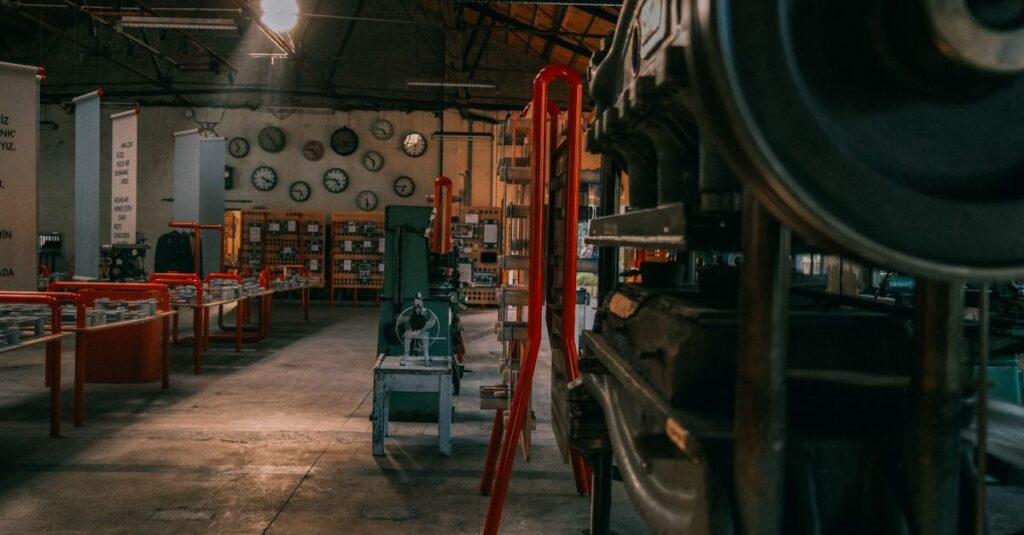
Okay, so you need 20,000 notepads for the new academic year. What happens after you send that PO? Let me pull back the curtain a bit. It’s not magic. It’s logistics and machinery.
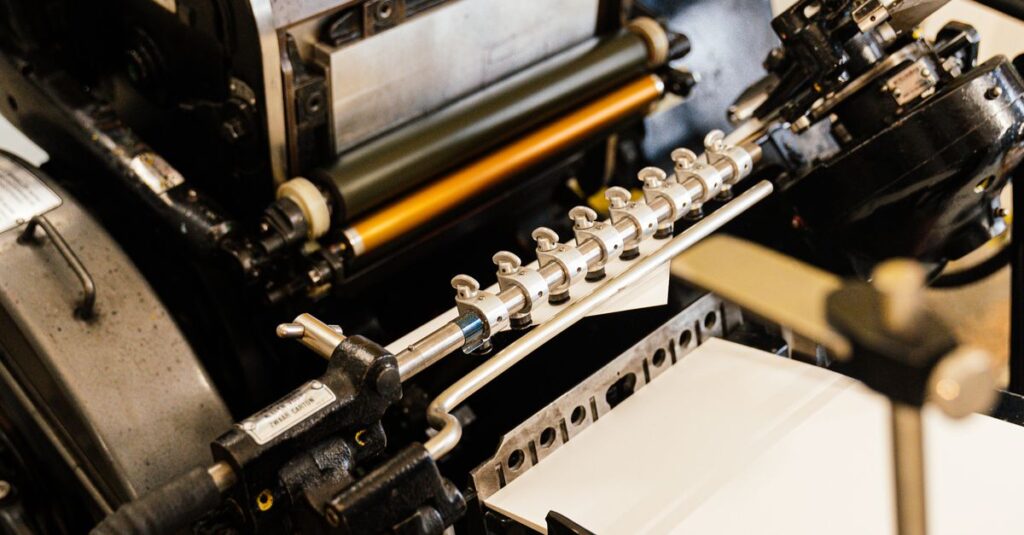
The process is basically: Paper Roll → Printing → Cutting → Binding → Cutting Again → Packing. But the scale changes everything. We run paper in massive rolls, not sheets. Printing the rulings (or covers) is an offset printing process — it’s fast and consistent, but you need to run a minimum to make it cost-effective. That’s why bulk pricing drops. Setting up the machine for your specific ‘broad ruled’ pattern takes time. Doing it for 50,000 sheets makes that setup cost negligible per pad.
The real bottleneck, nine times out of ten, is binding and finishing. Perfect binding machines are fast, but they need time for the glue to set properly. Spiral binding is slower, coil by coil. Then the final trim — making every pad the exact same size. That’s where quality control lives. A misaligned trim makes a pad look and feel cheap.
Right. Where was I. Production capacity. A factory like ours can do 30,000 to 40,000 bound units a day. But ‘a day’ assumes everything is set up for one type. Change the size, change the ruling, change the page count — each changeover eats hours. This is why manufacturers always ask for your full specs upfront. And why consolidating orders into fewer SKUs saves everyone money.
The Customization Game: Your Brand on a Pad
This is probably why you’re reading this. You’re not just buying a commodity. You’re buying a branded item. A ‘books notepad’ becomes a ‘YOUR COMPANY notepad’.
Customization happens in two places:
- The Cover: This is the prime real estate. Full-color logo, brand colors, tagline. We print this via offset for vibrancy and cost-effectiveness at scale. You provide the design, we handle the color matching and print.
- The Header/Footer: For corporate notepads, sometimes you want the company name or logo on every page, at the top or bottom. This is a bigger ask — it means printing that on every sheet during the ruling stage. It’s doable, but it adds a step and a cost.
Look, I’ll be direct. The most common mistake I see? Companies sending low-resolution logos from their website. It looks okay on a screen. It turns into a pixelated blob on a printed cover. We need vector files (like .ai or .eps) or very high-res PDFs. That’s the only way it looks sharp. Don’t quote me on this, but I’d say 60% of first-time custom orders have this issue. We catch it, but it delays things.
If you’re exploring this, our printing services page has more on the technical specs we need.
Finding the Right Supplier: What to Actually Ask
You’re a procurement manager. You’ve got five quotes for 10,000 notepads. Prices are all within 10%. How do you choose? It’s not just about the lowest number.
Ask these questions:
- Can I see physical samples of your standard quality? Don’t just trust a website image. Feel the paper. Try tearing a sheet. Write on it with different pens.
- What’s your lead time for a 10,000-unit order, from approved design to shipment? A realistic answer is 4-6 weeks for a custom job. Anyone promising 10 days is cutting corners or lying.
- What’s included in the price? Packaging? Palletizing? Domestic freight? These are hidden costs that pop up.
- What’s your minimum order quantity (MOQ) for customization? For a pad with your logo, it might be 1,000 pieces. For a fully unique design with special paper, it could be 5,000.
- Do you handle export documentation? If you’re an international buyer, this is the whole ballgame.
I think — and I could be wrong — that the supplier’s experience with your specific segment (schools vs. corporates vs. export) matters more than a slightly lower price. A school supplier knows about academic calendars and durability. A corporate supplier knows about brand aesthetics and faster turnarounds.
Frequently Asked Questions
What is the most common size for a bulk books notepad?
For schools in India, the Long Notebook size (27.2 cm x 17.1 cm) is the absolute workhorse. For corporate offices, A4 (roughly similar) and A5 are popular. It depends entirely on the end-use.
Can I get different rulings in the same notepad order?
Yes, but it affects pricing. Each ruling type (single ruled, unruled, four ruled) requires a separate print run. So, ordering 5,000 pads in one ruling is cheaper per pad than ordering 2,500 in two different rulings.
What paper quality is best for preventing ink bleed?
70 GSM and above is usually safe from bleed-through with standard ball pens. For gel pens or markers, you might want 80 GSM. Our standard 54 GSM is good for pencil and basic pen work, which covers most school and office uses.
What’s the difference between perfect binding and spiral binding for notepads?
Perfect binding uses strong glue. It’s very clean-looking and cost-effective for bulk. Spiral binding uses a metal or plastic coil. It lets the notepad lay perfectly flat, which is great for writing, but costs a bit more and the coils can get bent in transit.
Do you manufacture and export books notepads internationally?
Yes, we do. We supply to the Gulf, Africa, the USA, and other markets. We handle the export packaging, documentation, and can work with your freight forwarder or suggest one.
Wrapping Up
So, a ‘books notepad’ is really a utility product scaled for institutions. It’s about function, cost-per-unit, and durability. The choice comes down to understanding the specs — size, paper, ruling, binding — and matching them to the actual need of the end-user, whether that’s a student, an employee, or a clerk.
I don’t think there’s one perfect notepad. Probably there isn’t. But if you’ve read this far, you already know what your organization needs — you’re just figuring out how to get it made reliably and at scale. The rest is just details and finding a partner who gets it.
If you want to talk those details through with someone who’s been in the factory for four decades, that’s what we’re here for.