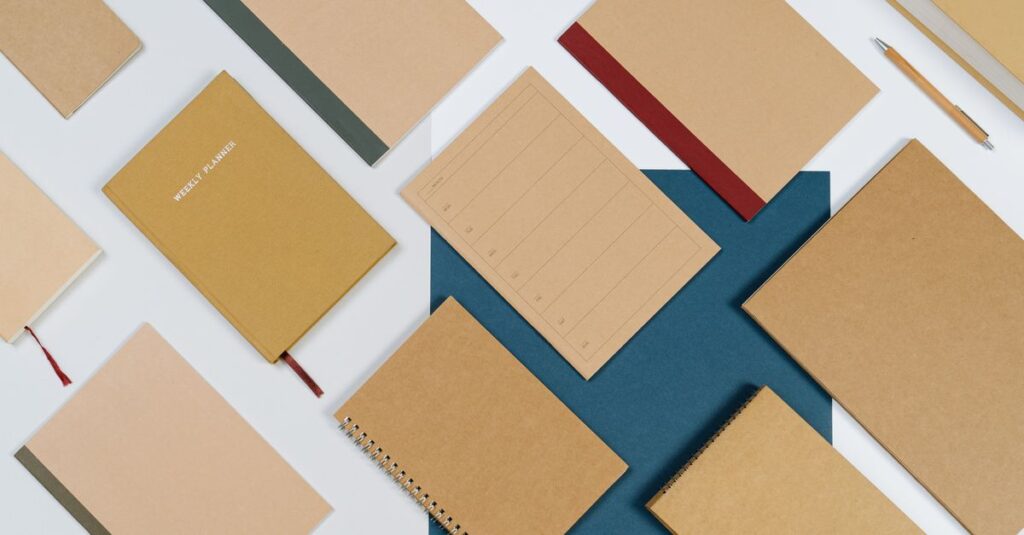
Day Diary Guide for Businesses: What It Is and How to Source It
Right. You’re probably a procurement manager, maybe a school administrator, sitting there with a purchase request form that just says “day diaries.” Fifty. A hundred. Five hundred units. And the budget looks… tight. You know you need to order them, but a tiny, annoying question pops up: What exactly is a day diary, and why does it matter which one I buy?
Look, I’ve seen this happen enough times to know the pattern. Someone higher up wants branded stationery. Or the new school year is starting. The order goes out, and a month later, you’re dealing with complaints. The binding is coming apart. The paper bleeds through. The logo looks pixelated. The real cost isn’t just the unit price; it’s the headache and the damaged professional image. It’s the silence that has weight when someone opens a flimsy diary with your company’s name on it. If this sounds familiar, our experience might be worth a look.
What a Day Diary Actually Is (And What It’s Not)
Let’s get this out of the way first. A day diary isn’t just a fancy notebook. In the stationery world — the manufacturing side, I mean — the term “day diary” usually refers to a specific type of diary. Think of it as a planner built around a single day per page, or sometimes two days. It’s structured. It has date headers, maybe time slots from 8 AM to 8 PM, sections for notes, to-do lists, that kind of thing.
It’s not a journal. A journal is for feelings, reflections, long-form writing. A day diary is a tool. Its job is to organise chaos. It’s for the corporate salesperson mapping out client calls, the project manager tracking milestones, the principal noting down meeting points. The design is functional first. But here’s the thing — that function is useless if the physical object fails. If the spine cracks after two months, if the pen digs into the next page, if it can’t survive a year in a briefcase or a desk drawer, you’ve bought a paperweight, not a tool.
Real-Life Micro-Story
I was talking to a guy last week — Ramesh, 42, runs procurement for a mid-sized logistics firm in Hyderabad. Over terrible office coffee, he told me about his last diary order. He went with the cheapest quote. The diaries arrived. Looked fine in the box. By March, the finance team was complaining. The gold foil logo was rubbing off. The pages were so thin you could see the next day’s appointments through them. “We looked sloppy,” he said. “And I had to explain that to the CFO. Over a few rupees saved per book.” He just stared into his cup. That was it.
The Corporate Machine’s Secret Weapon (That Nobody Talks About)
Why do companies still bother with physical diaries in 2025? I’ll be direct: it’s not about nostalgia. It’s about presence. A digital calendar reminder pops up and disappears. A branded day diary sits on a desk, in meetings, in hotel rooms. It’s a 365-day advertisement that also happens to be genuinely useful. It builds a subtle, tactile connection with clients and employees that a mouse click never will.
But this only works if the diary itself communicates quality. The heft of the cover. The crisp, clean sound of a page turning. The way the binding lays flat. These are silent salespeople. They say, “This company pays attention to detail.” A poorly made one says the opposite. It screams cost-cutting. It makes your brand feel temporary. And honestly? Most people know this already on some level. They just don’t always connect that feeling to the sourcing decision.
I think about this a lot. The disconnect between the person placing the order and the person using the thing. The procurement manager’s KPI is often cost per unit. The user’s experience is about daily friction. When those two things clash, the diary becomes a source of minor, daily frustration instead of a tool. Getting the printing and binding right isn’t just manufacturing, it’s psychology.
Navigating the Manufacturing Jungle: A Quick Survival Guide
So you need to source them. Here’s where most people get lost. You’ll get quotes that look identical but aren’t. The difference is in the things you can’t see in a PDF spec sheet.
- Paper GSM: This is the weight. For a day diary that might see pen, pencil, maybe a highlighter, you don’t want standard 50-54 GSM notebook paper. It’ll ghost. You need 70-80 GSM, minimum. It feels substantial. It doesn’t bleed.
- Binding: Perfect binding (glued) is cheaper, but for a book that’s opened and closed daily for a year? It’ll crease, pages might loosen. Thread-sewn or stitched binding is the only way. It’s more work, but the book will last. Spiral binding is another option — lays completely flat, but can look less formal.
- Cover: Art card? Laminated? Leatherette? Hardbound? This is about perceived value and actual durability. A client-facing gift needs a hardbound, laminated cover. Internal staff diaries can use a sturdy art card.
The factory’s capacity matters, too. A shop making 500 books a day can’t handle your 10,000-unit order in two weeks without cutting corners. You need to match your volume with their real, daily output. I’ve heard stories of orders being subcontracted to three different places to meet a deadline, and the consistency goes out the window.
Day Diary vs. Standard Notebook: The Real Breakdown
| Feature | Corporate Day Diary | Standard Bulk Notebook |
|---|---|---|
| Primary Purpose | Daily planning & brand representation | General note-taking, writing |
| Page Layout | Pre-printed with dates, times, sections | Usually just ruled or blank lines |
| Paper Quality | Higher GSM (70-80+) to prevent bleed-through | Standard writing paper (54-60 GSM) |
| Binding Priority | Durability for daily, year-long use | Cost-effectiveness for single-use or short-term |
| Customization Level | High: logo, cover design, internal layout, date printing | Low to Medium: cover logo, maybe page header |
| Cost Driver | Paper quality, complex binding, custom printing | Volume, basic materials, speed |
This isn’t to say one is better. They’re tools for different jobs. Ordering a day diary like it’s a bulk school notebook is where the problems start.
Expert Insight
I was reading an old industry report last month — one line stuck with me. A designer said something like: The more a physical object is meant to be used daily, the more its flaws become personal insults. I don’t have a cleaner way to put it than that. A cheap pen runs out of ink, you get annoyed and throw it away. A cheap diary fails, and you’re reminded of that failure every single time you try to use it. The resentment attaches to the brand on the cover. The goal of manufacturing isn’t just to make a thing, but to make a thing that disappears into its purpose. You shouldn’t be thinking about the binding. You should be thinking about your 3 PM meeting.
The “Customization” Trap (And How to Avoid It)
Everyone wants custom. It’s the point. But “custom” can mean anything from slapping a JPEG logo on a stock cover to designing a unique layout, choosing specific paper stock, and printing internal pages with unique dates and graphics. The price and timeline difference is massive.
Here’s a practical tip: always, always get a physical sample before you approve a bulk run. Not a PDF. Not a photo. A real, printed, bound sample. Check the colour match. Feel the paper. Try writing on it with the pen you normally use. Open and close it fifty times. Does the spine hold? This step catches 90% of quality issues before you’re stuck with 5,000 units of regret.
And talk to the manufacturer directly. Not just a sales rep. Ask about their binding line. Ask how they handle colour consistency across a large print run. Their answers — or their hesitation — will tell you everything. A good manufacturer isn’t just taking an order; they’re consulting on how to make the product work for its purpose. That shift from vendor to partner is the only thing that matters here.
Alright. So What Do You Actually Need?
Let’s wrap this up. When that “day diary” request lands on your desk, you need to ask a few questions back before you even start looking for suppliers.
- Who is it for? Clients, executives, staff? This dictates quality.
- What’s the real budget? Not per unit, but total. Sometimes spending 15% more per book doubles the perceived value.
- What’s the timeline? Rushed jobs cost more and risk quality. Good binding and drying takes time.
- What’s the expected lifespan? A one-year planner? A five-year corporate gift? The materials need to match.
Your job isn’t to find the cheapest diary. It’s to find the right diary for the right purpose at a fair price. The difference sounds semantic, but it changes how you source, who you talk to, and what you end up with on those desks.
Frequently Asked Questions
What is the standard page count for a corporate day diary?
There’s no single standard, but most yearly day diaries range from 200 to 240 pages to account for one page per weekday or a full 365 days. For businesses, 200 pages is common, allowing for weekends on a single page or dedicated notes sections. The key is ensuring the binding can handle that thickness for daily use.
How far in advance should I place a bulk order for custom day diaries?
Give yourself at least 8-10 weeks, minimum. Here’s why: design approval (1-2 weeks), material sourcing, printing, the actual binding and drying process (which can’t be rushed), and then quality checks and shipping. Rushing any of these steps is where quality gets sacrificed. For orders over 5,000 units, start talking to manufacturers 4-5 months out.
What’s the difference between spiral binding and stitched binding for a diary?
Spiral binding (wire or plastic coil) lets the book lay perfectly flat, which is great for writing. It’s durable but can look less formal and snag in bags. Stitched binding (thread-sewn signatures) is more traditional and professional. It’s very durable if done well, but may not lay completely flat when new. The choice depends on your audience’s use-case and the brand image you want.
Can I get a sample before placing a large day diary order?
You absolutely should, and any reputable manufacturer will provide one (sometimes for a small fee). Never approve a bulk custom print run based on a digital proof alone. A physical sample reveals paper feel, print quality, binding strength, and colour accuracy that a screen cannot.
What paper GSM is best for preventing ink bleed-through?
For a day diary that will see regular pen use, don’t go below 70 GSM. 80 GSM is ideal and feels premium. Standard 54-60 GSM notebook paper is too thin and will show heavy ink or marker on the other side. This is one of the most common complaints with cheap diaries, so specifying the paper weight is crucial.
Look. It’s Just Paper. Until It Isn’t.
I don’t think there’s one perfect answer for every business. Probably there isn’t. A day diary is a small thing, a line item. But it’s one of the few branded items people interact with daily. That makes it powerful, or damaging.
The goal isn’t to find a supplier. It’s to find a maker who understands that they’re not just putting ink on paper; they’re building a year-long handshake for your company. The rest — the sizes, the GSM, the binding types — are just details. Important details, but details. Get the intent right first. The right partner will help you with the rest. If you’re figuring out what that looks like for your next order, maybe start a conversation.