Here’s the thing about ordering custom notebooks.
It’s not just about paper. It’s about timing, and budgets, and that feeling you get when you hand out 500 notebooks to your team — and the company logo looks like it was printed by a kid with a rubber stamp. I’ve seen it. The disappointment. The ‘it’ll do’ shrug that nobody says out loud.
Right. So let’s talk digital printing service for notebooks. It’s the thing that makes small orders possible and large orders fast. And if you’re a procurement manager, a school administrator, or anyone trying to brand something physical without losing your mind — this is probably what you’ve been looking for. You’re just figuring out if it’s the real deal. This is worth a look if you’re in that spot.
What digital printing actually is (and what it isn’t).
People throw the term around. ‘Digital printing’. Sounds modern. But here’s the deal — it’s not magic. It’s a machine, basically a very high-end office printer on steroids, that puts ink directly onto paper from a digital file. No plates. No lengthy setup. You send a PDF, and it starts printing.
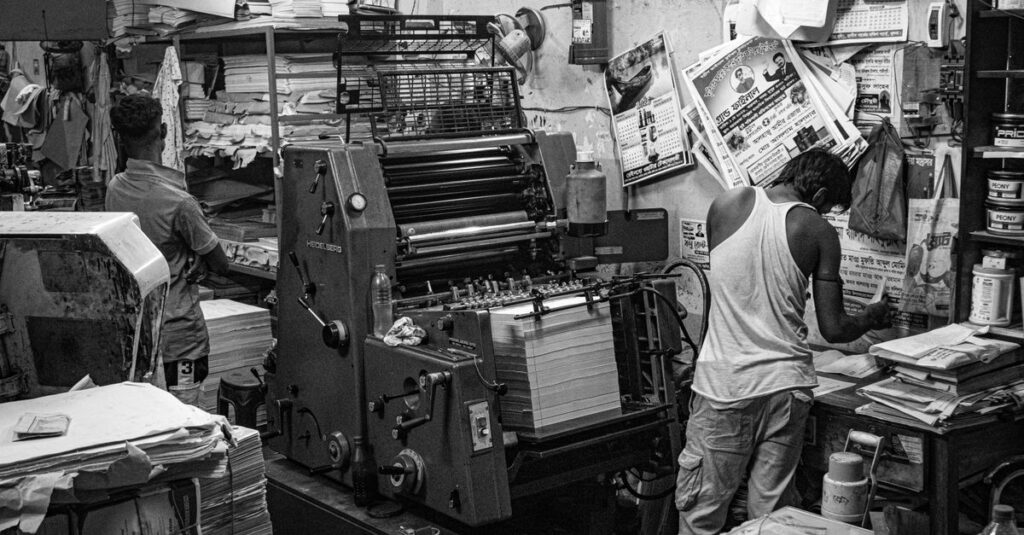
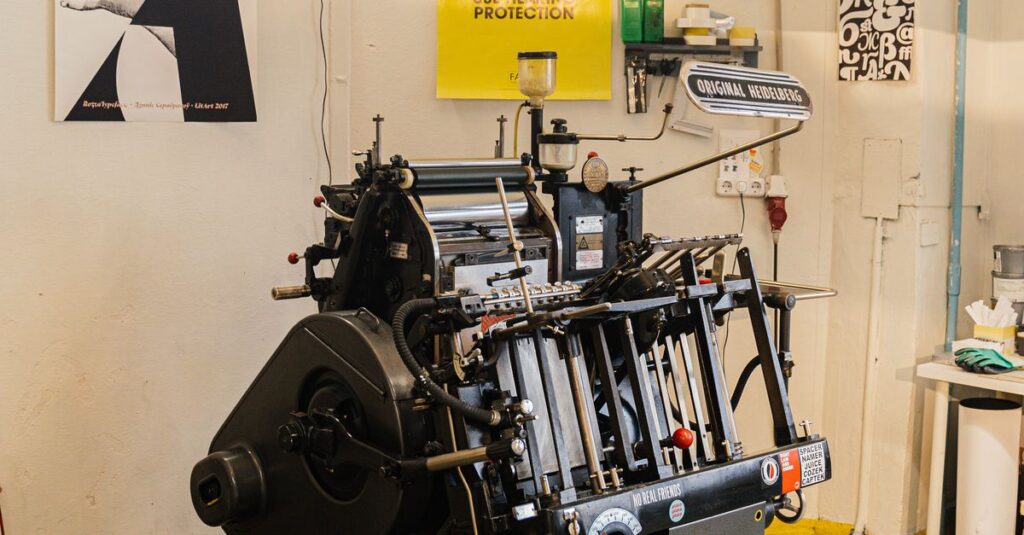
The big difference? Traditional offset printing needs metal plates made for each color. It’s brilliant for massive runs — think millions of pages — because once the plates are set, the cost per page plummets. But for a run of 1,000 custom notebooks for a corporate event? The plate cost alone kills your budget.
Digital printing takes that hurdle away. Which is why it’s changed everything for schools ordering branded exercise books or companies doing promotional diaries. The barrier to entry just vanished.
Why your last custom order was probably a headache.
Let me guess. You needed 200 logo-printed notebooks for a conference. You got three quotes. Two were astronomical because the manufacturer assumed you needed offset. One was cheap, but the print quality was… fuzzy. The colors were off. You settled. And you promised yourself next time you’d start earlier.
That’s the old way. The mismatch between what’s available and what you actually need. Digital printing fits in the middle — a sweet spot for orders from 50 units to about 5,000. It’s for the real-world orders, not the theoretical ones. The process is straightforward, which is a relief for anyone who just wants a thing done well.
- You finalize your design (logo, text, artwork).
- You choose your notebook specs — size, page count, paper.
- You send the file.
- The machine prints it. Directly. Then it gets bound.
No film. No plates. No week-long setup. It turns a 3-week lead time into maybe 5 days. I was talking to a college admin from Vizag last month — she’d ordered custom lab manuals for 300 students. Got them in a week. She said the relief was physical. Like she could finally breathe.
The real-world choice: Offset vs. Digital for your notebook run.
Everyone wants to know which is ‘better’. There isn’t a better. There’s a ‘right for this specific job’. Picking the wrong one is where budgets bleed and timelines explode.
| Consideration | Digital Printing | Offset Printing |
|---|---|---|
| Best For Quantity | Short to medium runs (50 – 5,000 units) | Very large runs (10,000+ units) |
| Setup Cost & Time | Virtually none. Start printing from a file. | High. Requires plate creation & calibration. |
| Cost Per Unit | Stays consistent; great for smaller batches. | Drops dramatically after high initial setup. |
| Turnaround Time | Fast. Days, not weeks. | Slower. Weeks for setup & production. |
| Customization | High. Each notebook can be different (variable data). | Low. Same image across the entire run. |
| Color Accuracy | Very good, but can vary slightly batch-to-batch. | Superior & perfectly consistent for brand colors. |
The question isn’t which technology is superior. It’s which one solves your problem today. Needing 800 branded notebooks for a new employee induction next month? Digital. Printing 50,000 standard maths notebooks for a statewide education department? Offset, every time. We use both, depending on what the client actually needs — not what’s easiest for us.
Expert Insight
I was reading an industry report a while back — can’t remember the publisher, but one line stuck. It said the shift to digital in small-scale manufacturing wasn’t about quality catching up to offset. It was about economics finally making sense for the buyer. The researcher called it ‘the democratization of customization’. Fancy term. What it means is you don’t need a Fortune 500 budget to get professional-looking branded materials anymore. That’s the real shift. The gate just opened.
Who actually uses this? (It’s more people than you think).
Think it’s just tech startups with fancy logos? Not even close. Here’s who’s ordering digitally printed notebooks right now, probably while you’re reading this.
- Corporate HR Teams: For onboarding kits. A notebook with the company values printed on the cover. It’s a simple thing that actually makes people feel part of something.
- Schools & Universities: Subject-specific notebooks for the new academic year. Lab manuals, project workbooks. They can’t wait 2 months; term starts on Monday.
- Event Managers: Conference giveaways. Much better than another plastic pen.
- Coaches & Consultants: Workbooks for their workshops. The content is their IP; the notebook makes it tangible.
- Government Departments: Tender documents, meeting minutes books. They need clear numbering, official seals, and a fast turnaround because someone higher up just announced a new initiative.
I think the stat was — I can’t remember exactly — something like over 60% of custom notebook orders under 2,000 units are now digital. Don’t quote me on that. But it’s high. Because the need is there.
A real-life example. Not a case study.
Anita, 38, procurement manager for a mid-sized insurance firm in Hyderabad. She had to source 1,500 premium diaries for top brokers. The old supplier (offset) needed 8 weeks. She had 3. She found a digital service. Got samples in 3 days. Approved. Full order delivered in 12 days. The diaries were perfect. The personalization — each broker’s name foil-stamped on the cover — was what sealed the deal. She told me the best part was the lack of panic. No daily follow-up calls. No excuses. ‘It just happened,’ she said. Which, in procurement, is the highest compliment.
That’s what it looks like when the process works. It becomes a background task, not a crisis.
What to look for in a digital printing partner. (The non-obvious stuff).
Okay, so you’re convinced. How do you pick someone? Price is a factor, but it’s the easiest one to compare. The real headaches come from the other stuff.
First, ask about paper. Digital presses can be picky. The wrong paper can cause jams, or worse, affect ink adhesion. A good manufacturer will guide you — they’ll know which 70 GSM or 54 GSM paper works smoothly in their machine. If they just say ‘we can print on anything’, be wary.
Second, proofing. How do you see a proof before the full run? With digital, a ‘proof’ can literally be one finished notebook pulled off the line. Insist on that. A PDF on a screen looks different to ink on paper. Every time.
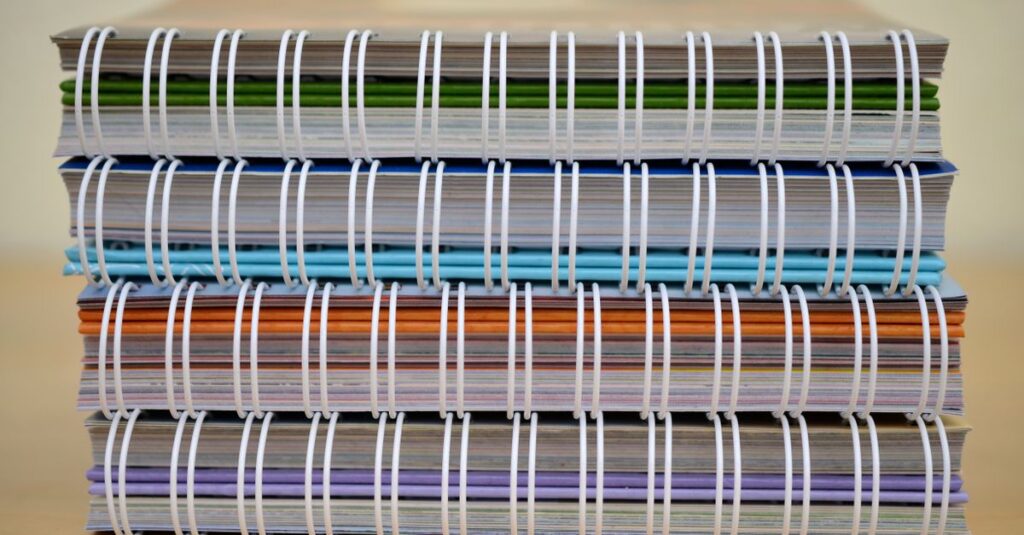
Third — and this is the big one — binding compatibility. Digital printing is just the printing. Your notebook still needs to be bound. Spiral, perfect, or stitched. Make sure your printer does both in-house, or has a tight partnership with a binder. Otherwise, your printed covers get shipped across town, get delayed, get lost… you know the story.
Look, I’ll be direct. The best partners are manufacturers, not just printers. People who handle the paper, the print, and the binding under one roof. It cuts out 90% of the coordination stress. That’s how we’ve always worked — because it’s simpler for everyone involved.
Common worries (and the truth behind them).
I hear the same doubts all the time. Let’s tackle them.
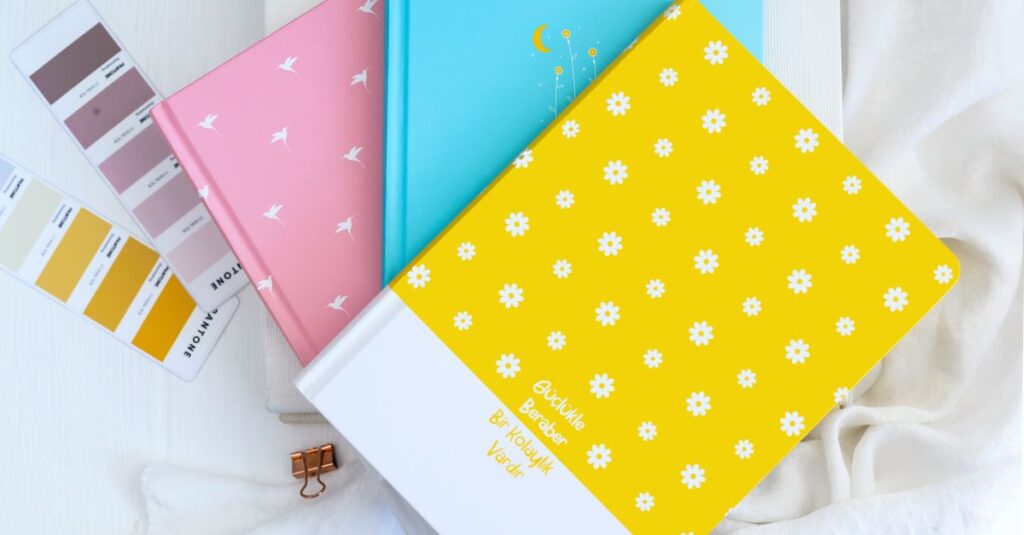
‘Isn’t digital printing lower quality?’ It was. A decade ago. Today? For most brand colors and logos, you cannot tell the difference with your naked eye. The technology caught up. The only time offset still clearly wins is for absolutely precise Pantone color matching on massive runs.
‘It’s more expensive per unit!’ Yes. And no. If you’re comparing the per-notebook cost for a run of 100, digital is cheaper because there’s zero setup fee. Offset has a huge setup cost amortized over the run. For 100 units, that setup fee per notebook is astronomical. Digital wins on total cost for short runs. Every time.
‘The colors might fade.’ Modern digital inks are UV-resistant and durable. They won’t fade on a shelf in a year. If you’re leaving notebooks in direct sunlight for months, maybe. But that’s not a normal use case. They’re notebooks, not billboards.
Earlier I said there’s no quality difference. That’s not quite fair — there’s a tiny difference a press operator might see. But for your purpose? For a logo on a diary that sits on a desk? It’s irrelevant. The quality is professional.
Where this is all going.
Digital printing isn’t the future anymore. It’s the present for on-demand, customized stuff. The next shift is integration — where you can literally go online, design your notebook cover, choose specs, and the file goes straight to the press without human intervention. We’re almost there.
The real impact is on waste. Offset runs often have ‘overage’ — you order 5,000, they print 5,200 to account for setup waste. Digital has almost no setup waste. You print what you need. That’s better for costs and, honestly, for the environment. It just makes sense.
Frequently Asked Questions
What is the minimum order quantity for digital printing of notebooks?
This is the best part — it can be as low as 50 notebooks. Because there are no plate costs, manufacturers can run tiny batches profitably. It’s perfect for testing a design or fulfilling a small, urgent order.
How long does digital printing for notebooks take?
Much faster than traditional methods. Once your design is approved, production can often start within 24 hours. A typical order of 1,000 custom notebooks can be printed, bound, and ready for dispatch in 5-7 working days.
Can you print full-color photos on notebooks with digital printing?
Absolutely. Digital printing excels at full-color, photorealistic images. It’s ideal for vibrant artwork, detailed logos, or photographic covers on journals and sketchbooks.
Is digital printing suitable for bulk school notebook orders?
Yes, but with a caveat. For orders of 2,000-5,000 identical notebooks, digital is fast and effective. For orders of 10,000+ of the same notebook, offset printing usually becomes more cost-effective per unit.
What file format do I need for digital notebook printing?
Print-ready PDFs are the standard. Ensure all fonts are embedded and images are high-resolution (at least 300 DPI). A good printing service will help you prepare your file correctly.
So, what’s the point of all this?
It’s about removing friction. Your job is hard enough — managing budgets, deadlines, expectations. Sourcing custom notebooks shouldn’t add gray hairs. Digital printing is the tool that takes one major variable — long, inflexible lead times — and shrinks it down to size.
The takeaway isn’t that digital is amazing and offset is dead. It’s that you finally have a real choice. For the right order size, digital printing gives you speed, flexibility, and quality without the traditional pain points. It solves the ‘I need it now’ problem that everyone has but nobody plans for.
I don’t think there’s one perfect answer for every order. Probably there isn’t. But if you’ve read this far, you already know what your next project needs — you’re just figuring out if a modern digital printing service can actually deliver. The only way to know is to ask for a quote.