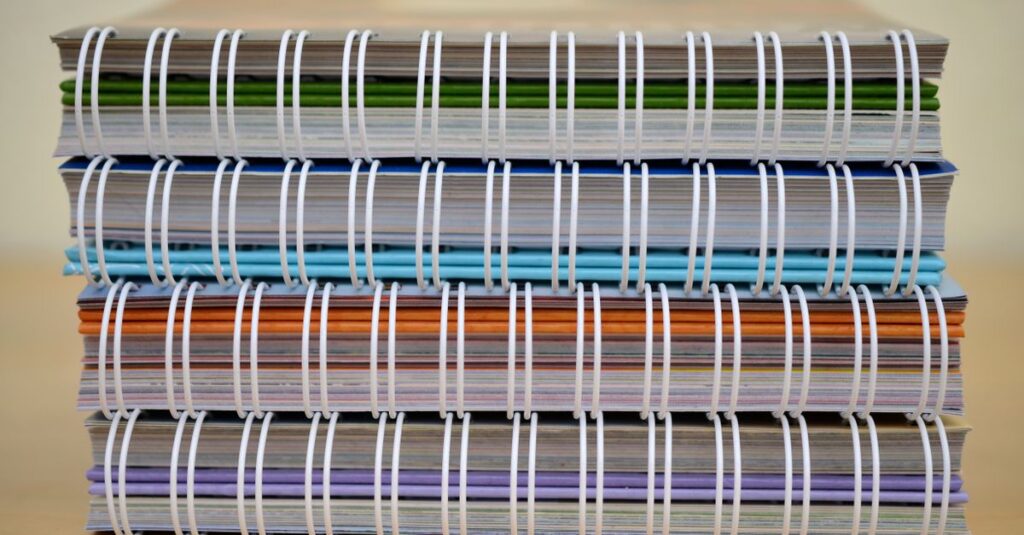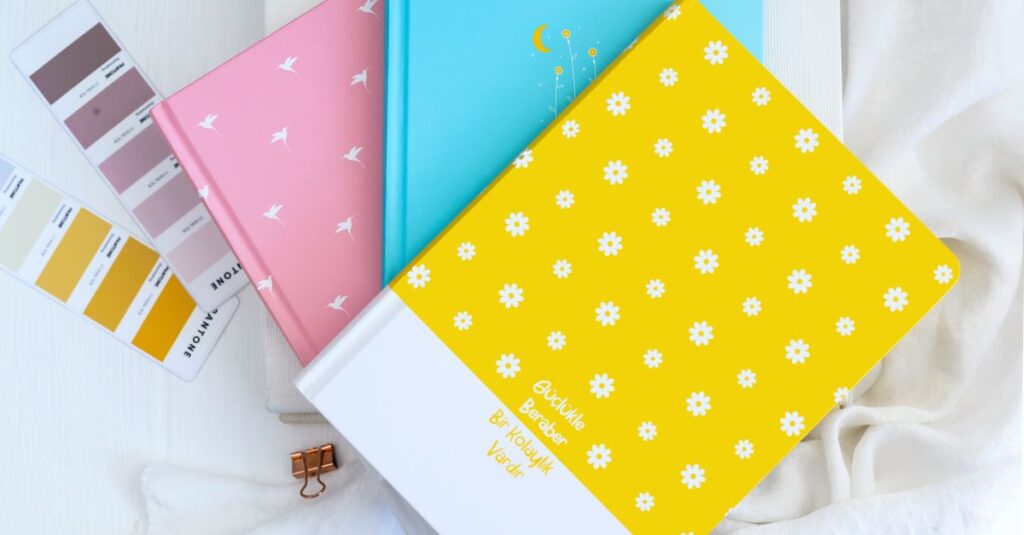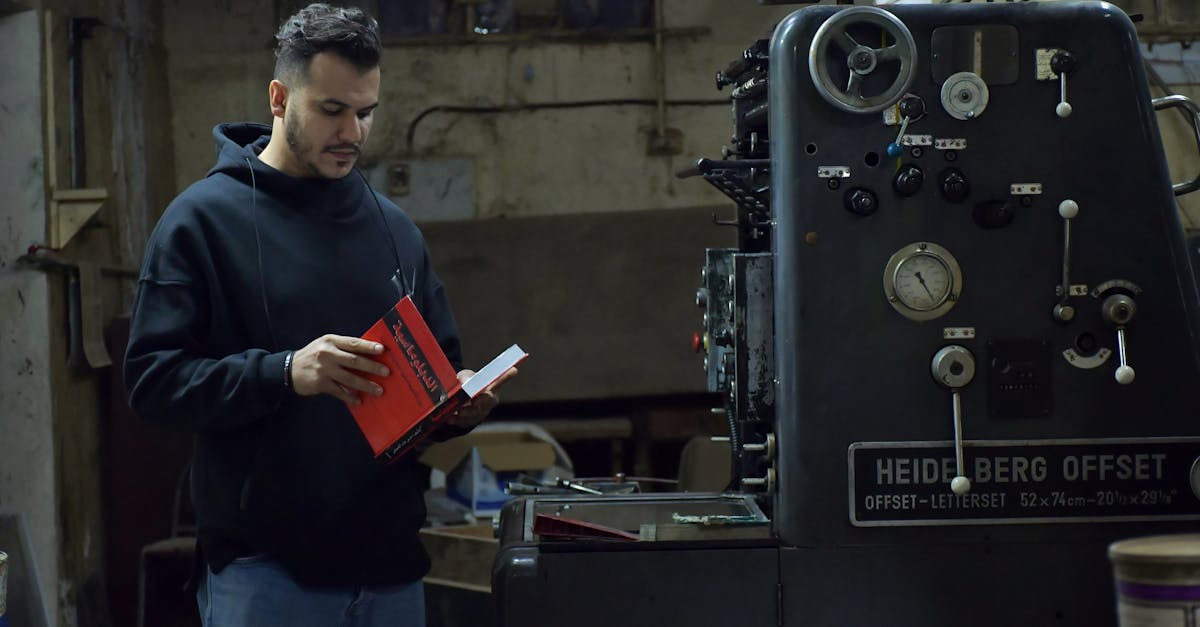
Let’s be honest. You’re not just buying notebooks.
You’re buying the first impression for your company, the logo that sits on a student’s desk all year, the brand feeling you hand over to a new client. And none of that happens by accident. It happens when someone who knows what they’re doing takes your design and puts it on the cover of a notebook that doesn’t fall apart. That’s graphic printing.
For the last few decades, my world has been notebooks. Manufacturing them, printing them, shipping them out by the truckload to schools, corporations, distributors. I’ve seen the full spectrum. The cheap, smudged logos that scream “we didn’t care” and the crisp, vibrant covers that make you want to open the book. The difference isn’t magic. It’s a very specific set of choices about graphic printing.
Three things happen when you get this right: your brand looks professional, the product feels premium, and people actually use the thing. Get it wrong, and it’s just another piece of clutter. If you’re looking for a notebook manufacturer who gets this, this might be worth a look.
It’s not just ink on paper. Here’s how graphic printing actually works.
The phrase itself is broad, right? Graphic printing. In our industry – notebooks, diaries, stationery – it narrows down to a critical question: how do we transfer your design onto a surface, at scale, so it looks and lasts the way you need it to?
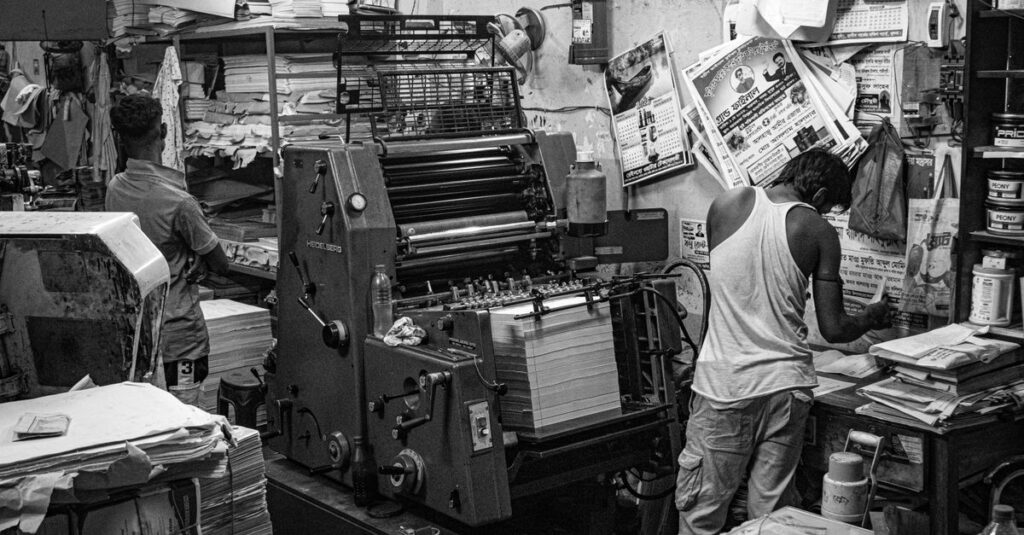
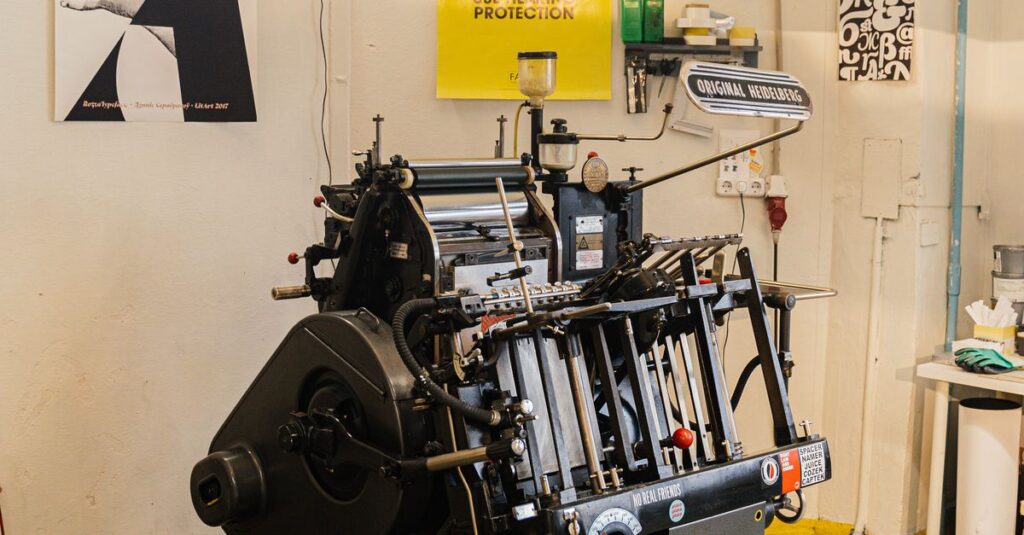
Think about the last custom notebook you held. The cover art, the logo, the text. That didn’t just appear. It went through a process. For bulk orders, which is what most of my conversations are about, we’re usually talking about two main heavy hitters: offset printing and digital printing.
Offset is the workhorse for runs of thousands. It uses plates, like intricate stamps for each color, and it’s incredibly cost-effective per unit when you’re doing volume. The color consistency from the first notebook to the ten-thousandth is remarkable. Digital is the agile newcomer. No plates needed. It’s brilliant for shorter runs, prototypes, or orders where every single notebook might have a different name on it. The setup is faster, but the per-unit cost is higher.
Then there’s the finish. A gloss laminate makes colors pop but can be slippery. A matte laminate feels sophisticated and reduces glare. You can spot-UV a logo for a subtle, raised texture. These aren’t just aesthetic choices – a laminated cover on a school notebook survives a year in a backpack. An uncoated one won’t. The silence has weight.
I was talking to a procurement manager for a tech startup last month. Over the phone, actually. He said, “We just want our blue to be our blue.” That’s it. That’s the entire goal of professional graphic printing for brands. Consistency. Predictability. No surprises when the pallets arrive.
The choice that makes or breaks your order: offset vs. digital.
This is where most institutional buyers get stuck. You have a budget, a timeline, and a quality expectation. Picking the wrong printing method blows all three.
Let me give you a real-life snapshot. Priya, 38, runs procurement for a chain of coaching institutes in Hyderabad. She needs 50,000 notebooks, each with the institute’s complex mascot and motto on the cover, for the new academic year. She got a quote for digital printing that made her gasp. Then she got one for offset that required a 6-week lead time she didn’t have. She was in a pure panic.
The table below isn’t just theory. It’s the cheat sheet I wish every buyer had before they start getting quotes.
| Consideration | Offset Printing | Digital Printing |
|---|---|---|
| Best For Quantity | Large runs (5,000+ units) | Short runs (50 – 2,000 units) |
| Cost Structure | High setup, very low cost per unit | Low/no setup, higher cost per unit |
| Turnaround Time | Longer (plates, setup, drying) | Faster (go straight from file to print) |
| Color Matching | Superior, consistent, uses Pantone libraries | Good, but can vary slightly between runs |
| Customization | Fixed design for entire run | Variable data possible (like individual names) |
| Paper Flexibility | Works on a wider range of paper stocks | More limited by machine specifications |
Look, I’ll be direct. If you’re a school, a corporation, or a distributor ordering in bulk, you’re almost certainly in offset territory. The economics just make sense. The only time you might pivot to digital is for a small batch of executive diaries or a pilot program where you’re testing a design. For everything else? Offset is your friend.
And honestly? Most people know this already. The real headache is finding a manufacturer who can execute it flawlessly and on time. That’s a different kind of search.
Why your paper choice is the secret ingredient.
Here’s a thing nobody tells you upfront: the best graphic printing in the world looks terrible on bad paper. You can have a 4-color, high-resolution print of a dazzling logo, but if the paper cover is thin, floppy, and absorbs ink like a sponge, you’ve wasted your money.
Paper GSM (grams per square meter) is the first number to argue about. For a durable notebook cover that needs graphics, I rarely go below 250 GSM. For premium corporate diaries, we’re talking 300 GSM or even art board. It’s the difference between a flimsy pamphlet and something with substance that sits flat on a desk.
Then there’s coating. An art paper with a gloss coating gives you that sharp, vibrant, almost wet look for photos. A matte-coated paper feels more tactile, more premium, and hides fingerprints. Uncoated paper has its place – it’s classic, it’s recyclable, it has a natural texture – but the colors will be softer, more muted.
Expert Insight
I was reading a trade journal last year, and a line from a print technician stuck with me. He said the most common mistake isn’t technical. It’s emotional. Buyers fall in love with a printed sample, but they don’t ask what paper it’s on. They just say \”make it like this.\” Then they get a quote for the required 300 GSM coated card and balk at the price. They don’t realize the sample they loved *is* the expensive paper. You can’t separate the graphic from the canvas. The more capable a design is, the more it demands the right foundation. I don’t have a cleaner way to put it than that.
So you need to think about the lifecycle. A school notebook printed on a decent 250 GSM paper with a laminate will last the academic year. A promotional notepad for a trade show might get away with less. It’s about matching the material to the mission.
Beyond the logo: how graphic printing builds (or breaks) trust.
This is the part nobody says out loud. When you hand someone a custom-printed notebook, you’re not giving them a tool. You’re giving them a token of your brand’s attention to detail. Or lack thereof.
Think about it this way. A procurement manager for a large corporation orders 10,000 branded notebooks for a national conference. They arrive. The color is off-brand. The edges of the print are fuzzy. The spines are inconsistent. What does that communicate to the employees who receive them? It whispers that quality control isn’t a priority. That corners were cut. It undermines the very message of unity and professionalism the conference is trying to send.
Conversely, when the print is crisp, the color is perfect, and the binding is straight, it sends a silent, powerful message: we pay attention. We do things properly. It builds subconscious trust in the brand before a single page is written on.
I’ve seen this play out with corporate clients and school boards for years. The ones who invest in proper graphic printing for their bulk orders get fewer complaints, higher perceived value, and they almost always come back. The ones who go for the absolute cheapest option are often back the next year, looking for a new supplier, because the product failed or, just as bad, made them look bad.
It’s not vanity. It’s pragmatism. Your branded stationery is an ambassador that works for you 24/7.
So, how do you actually get this done right?
Right. Let’s get practical. You have a design. You have a budget. You need 20,000 notebooks by a certain date. What are the steps that don’t lead to disaster?
First, your artwork. It needs to be print-ready. That means vector files (like .AI or .EPS) for logos, high-resolution images (300 DPI at least), and fonts outlined. Sending a low-res JPG from a website is asking for a blurry mess. This is probably the single biggest point of friction. We can often help tidy things up, but it adds time and cost.
Second, ask for physical proofs. Not just a PDF on a screen. Screens lie. A hard copy proof, printed on the actual paper stock you’ll use, shows you exactly what you’ll get. The color, the feel, the weight. Never skip this step for a bulk order. Ever.
Third, talk about logistics upfront. Where are these going? All to one warehouse? Directly to 100 different schools? Do they need shrink-wrapping in packs of 10? These details affect packaging, palletizing, and cost. A good manufacturer will ask these questions early. If they don’t, be worried.
And finally, build in time. Good graphic printing on a large scale isn’t instant. There’s prep, proofing, plate-making, the actual print run, drying, binding, finishing, packing. Rushing any part of it is the fastest way to get a mediocre product. I think the standard lead time is – I can’t remember exactly – something like 4-6 weeks for a complex bulk order. Don’t quote me on that. But it’s rarely less.
You’re not just buying a product. You’re buying a process. And you need to trust the people running it.
Frequently Asked Questions
What’s the minimum order quantity for custom graphic printing on notebooks?
It varies wildly. For digital printing, some places might do 50 or 100. For offset printing, which is what you want for real bulk quality, the MOQ usually starts around 1,000 to 2,000 pieces. It depends on the manufacturer’s setup. For true economy, you’re looking at 5,000+ units.
Can you match my brand’s exact Pantone color for graphic printing?
With offset printing, absolutely. That’s one of its biggest strengths. We use Pantone color libraries to mix the ink specifically to match your swatch. Digital printing can get very close, but it’s using a blend of standard CMYK inks, so it’s a simulation. For strict brand compliance, offset is the way to go.
How durable is the graphic printing on a notebook cover?
It depends on the finish. A printed cover with a laminated layer (gloss or matte) is very durable – resistant to scratches, water splashes, and general wear. An uncoated print will scuff and fade faster. Always specify lamination for notebooks that will see daily use.
What file format is best for providing our graphic design?
Print-ready PDFs are the gold standard. But the underlying artwork should be vector-based (Adobe Illustrator .AI or .EPS) for logos and text. For photos, high-resolution (300 DPI) TIFF or PSD files. Never send a Word doc or a low-res image from your website.
Can you print full-color photographs on notebook covers?
Yes, definitely. Both offset and digital printing can handle full-color process printing (CMYK), which is perfect for photographs. The key is starting with a high-quality image file and using a paper with a smooth, coated surface to get the best detail and color fidelity.
Look, it comes down to one question.
Do you want these notebooks to be disposable, or do you want them to represent something? That’s it. Graphic printing is the bridge between your idea and the physical object people hold. Getting it right requires understanding the methods, respecting the materials, and choosing a partner who sees the job as more than just filling an order.
The takeaways? Know the difference between offset and digital. Don’t cheap out on paper quality. Always get a physical proof. And build a relationship with a manufacturer who asks the right questions before they give you a price.
I don’t think there’s one perfect answer for every situation. Probably there isn’t. But if you’ve read this far, you’re not just looking for a supplier – you’re looking for a solution that doesn’t let your brand down. You’re just figuring out who you can trust to execute it. That’s the real search. If you want to talk specifics about a project, the conversation starts here.