So, What Are Journaling Papers, Actually?
Okay, let's start with the obvious thing nobody says out loud: when you hear “journaling papers,” you probably picture someone writing deep thoughts in a fancy notebook. Right? But if you're the one ordering 10,000 notebooks for a school district or 5,000 diaries for a corporate event, that image changes completely. Suddenly it's not about vibes. It's about binding that lasts a year, paper that doesn't bleed through with a ballpoint pen, and a unit cost that doesn't make your finance team wince.
Journaling paper, in our world — the manufacturing world — just means the writing paper inside a notebook or diary. That's it. The specific, functional sheet you put words on. But the choice of that paper? That's where everything gets real. Because the wrong GSM paper for double-ruled school notebooks means ink smudges and frustrated kids. The wrong finish for a corporate diary feels cheap in a manager's hands. This is the part nobody tells you when you're just looking at a catalog: the paper is the product. The cover just holds it together.
I was talking to a procurement manager from a college last week — over a very rushed phone call, actually — and she said something I keep thinking about: “We bought 20,000 units last year and by mid-term, the pages were falling out. The paper was fine, but the whole thing just… came apart.” The paper choice was only half the problem. The other half was assuming all binding is the same. It's not.
If you're looking for a notebook manufacturer who gets that the paper and the binding are one conversation, not two, that's probably where you need to start.
The Real-World Math of Paper GSM & Quality
Let's cut through the jargon. GSM stands for Grams per Square Meter. It's just the weight of the paper. Higher number = thicker, heavier sheet. But here's the headache, honestly: a 70 GSM paper from one mill can feel completely different from a 70 GSM paper from another. It's about the pulp, the coating, the opacity. A cheap, dense 70 GSM paper can still show ink ghosting. A good, smooth 60 GSM might feel more premium and handle fountain pens better.
Think about it this way. For school notebooks, you're balancing durability with cost. A 58-65 GSM woodfree paper is the sweet spot. It's thick enough to prevent bleed-through from pencils and ball pens, but light enough to keep the notebook from becoming a brick in a kid's backpack. For corporate diaries? You jump to 80-100 GSM. It needs to feel substantial. It needs to take a company logo imprint cleanly. It needs to say “quality” before anyone even opens it.
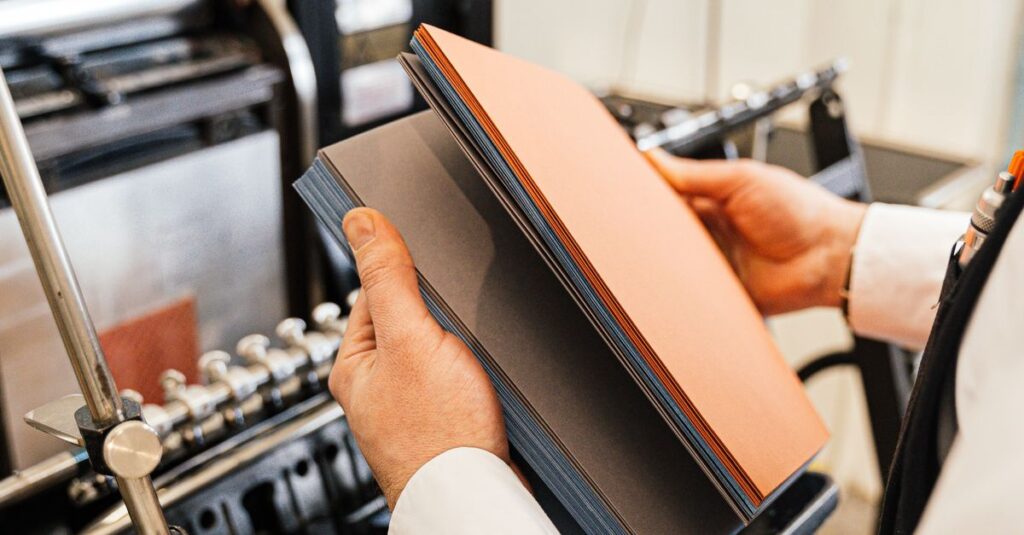
I remember walking a stationery distributor through our factory floor, showing him the reams. He pointed at two stacks that looked identical. “Same?” he asked. Not even close. One was for rough, daily scribbling pads. The other was for accounting books that need to withstand erasers and last for years. The difference wasn't just visible. You could feel it.
A Quick, Real-Life Story
Rohit, 42, runs procurement for a chain of private schools in Hyderabad. He switched suppliers last year to save 8% per unit. The notebooks arrived. The covers were fine. But the paper… it was like tissue. Pencil points poked right through. Parents complained. Teachers were frustrated. He had to re-order an emergency batch mid-year, which cost more than the original “savings” and burned all his goodwill. He told me, “I learned the hard way. You don't buy notebooks. You buy the writing experience inside them.” He's not wrong.
Binding: The Silent Partner Your Paper Can't Live Without
This is where most bulk buyers get tripped up. You can have the best 100 GSM paper in the world, but if it's bound with weak glue or flimsy wire, the whole product fails. The binding is what turns paper into a usable notebook. And the choice depends entirely on how that notebook will be used.
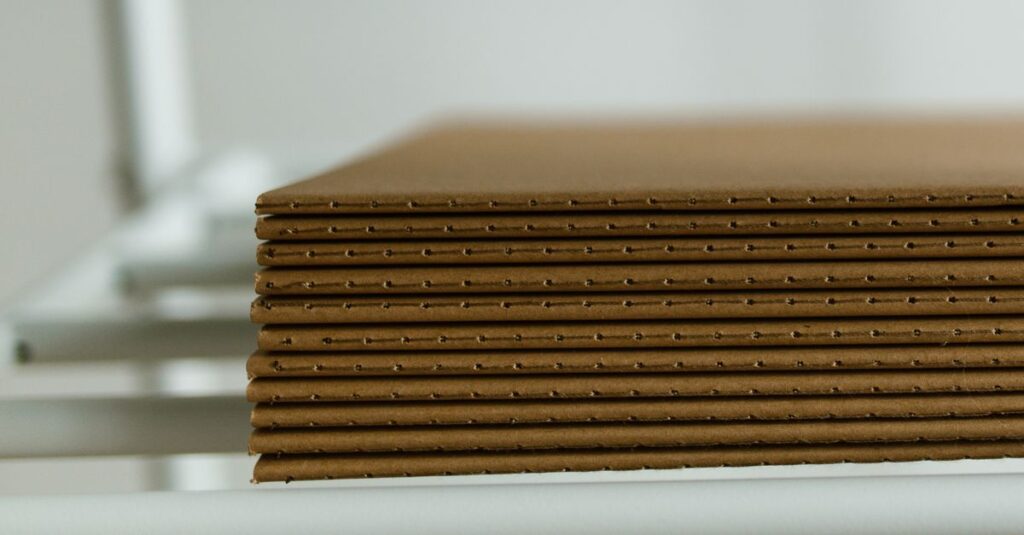
- Stitched Binding (Saddle Stitching): For standard school notebooks, exercise books. Staples through the spine. Simple, cheap, surprisingly durable for 52-100 page books. Lies flat-ish. This is the workhorse.
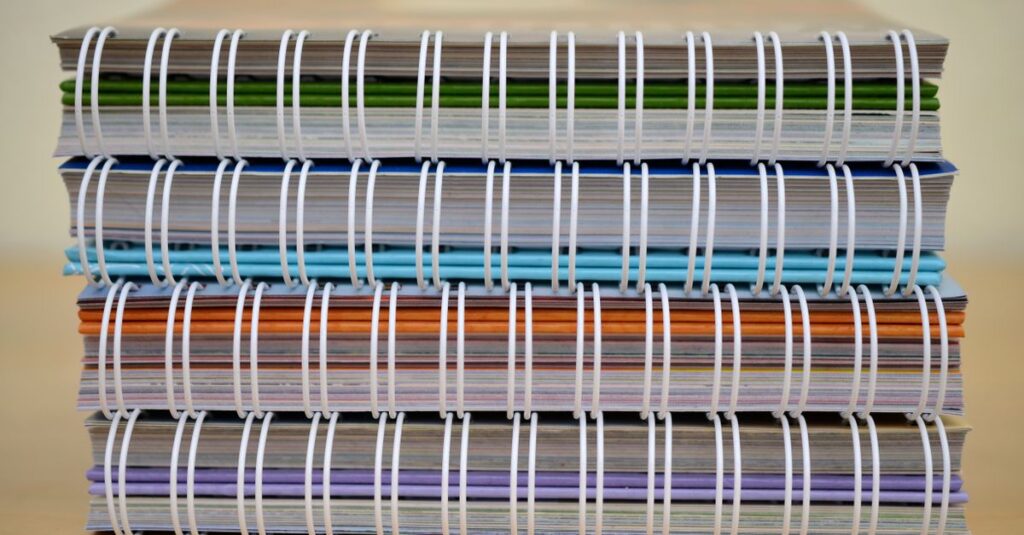
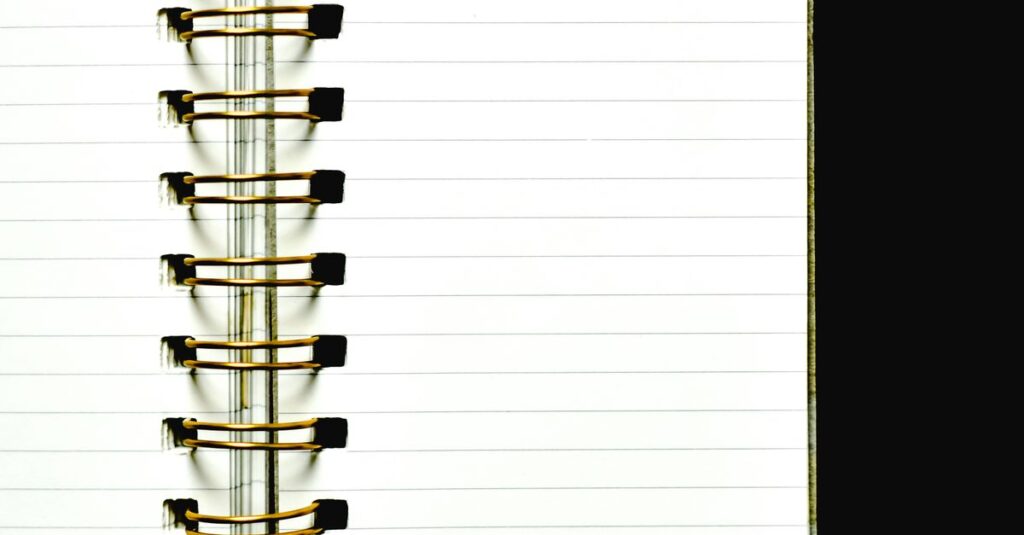
- Spiral Binding (Wire-O or Plastic): The king of lying completely flat. Perfect for sketchbooks, project notes, anything that needs to be folded back on itself. But the spirals can snag and bend in a packed bag. For corporate notepads or architect's logs, it's often the only choice.
- Perfect Binding: That smooth, squared-off spine you see on fancy journals and thick diaries. Glued edge. Looks professional, feels premium. The downside? It doesn't lay flat unless you really force it, and if the glue fails, entire chunks of pages fall out. For a 200+ page corporate diary that sits on a desk, it's ideal. For a mechanic's workshop logbook? Terrible idea.
The question isn't which binding is “best.” It's what's the daily torture test for this notebook? Will it be thrown in a toolbox? stuffed in a student's bag? placed neatly on a boardroom table? The answer tells you everything.
Journaling Paper vs. Standard Notebook Paper: A Side-by-Side Look
| Feature | Standard School/Office Notebook Paper | Premium “Journaling” Paper |
|---|---|---|
| Primary Purpose | Everyday writing, notes, exercises. Function over form. | Extended writing, diaries, archival notes. Experience matters. |
| Typical GSM Range | 54 – 70 GSM. Lightweight, cost-effective. | 80 – 120 GSM. Heavy, substantial, minimal show-through. |
| Surface Feel | Often slightly rough, optimized for ballpoint pens & pencils. | Smooth, sometimes coated. Designed for fountain pens, brush pens, smooth ink flow. |
| Opacity | Good, but some ghosting is common and acceptable. | High. Ink should not show through to the other side. |
| Cost Implication | Low. The biggest factor in bulk pricing. | High. Can double or triple the base material cost of a notebook. |
| Bulk Buyer's Consideration | Is it durable enough for the intended use at the lowest viable price? | Does the perceived value and user experience justify the significant cost increase? |
Look, I'll be direct. For 95% of bulk institutional orders — schools, basic corporate notepads, government forms — you want the left column. The right column is for specialty products: executive gifts, premium branded merchandise, high-end retail notebooks. Knowing the difference saves you from overspending on over-spec'd paper your users don't actually need.
How to Actually Specify Paper for a Bulk Order (Without Getting Lost)
When you're talking to a manufacturer, you need to speak their language. Vague requests get vague results. Here's a practical list of what to decide and what to ask for:
- Define the Use Case: “These are for 5th-grade math workbooks, used with pencils and erasable pens.” OR “These are client-facing meeting notebooks for our sales team, used with rollerball pens.”
- Specify the GSM: Don't just say “thick paper.” Say “We need 70 GSM woodfree paper with high opacity to prevent ghosting.”
- Choose the Ruling: Single-ruled (SR), double-ruled (DR), unruled (UR), quad ruled (CR). This is a huge one for schools. Get samples.
- Ask for Paper Samples: Any reputable manufacturer like us will send you physical swatches or sample notebooks. Test them. Write on them with the actual pens you'll use. Try to tear a page. Feel the spine.
- Clarify Binding: “Saddle-stitched with 2 staples for 92 pages.” “Spiral bound with 25mm diameter black plastic coil.” Be specific.
The biggest mistake I see? Procurement managers who skip the sample stage to “save time.” It always, always costs more time later. And money.
Expert Insight
I was reading an industry report last month, and one line stuck with me. A production manager for a huge European stationery brand said something like — the trend isn't toward fancier paper. It's toward appropriate paper. Sustainability pressures mean using exactly the right GSM and no more. Cost pressures mean optimizing the ruling layout to use less sheet area. The skill is in the precision, not the excess. I don't have a cleaner way to put it than that. We're all being pushed to waste less, which is a good thing, but it makes the initial specification work even more critical.
FAQs for Bulk Buyers on Journaling Papers
What is the best GSM for bulk school notebooks?
For most school exercises, 58-65 GSM woodfree paper is the standard. It balances cost, weight, and durability perfectly. It handles pencil, ballpoint, and erasable ink without significant bleed-through, and keeps the overall notebook light. Going heavier (70-80 GSM) is usually overkill and adds unnecessary cost and weight to the backpack.
Can we get different paper types in the same bulk order?
Yes, but it affects pricing. A manufacturer runs paper in large rolls. Changing paper type or GSM means stopping the machine, changing the roll, and recalibrating. For large runs (like 50,000+ units of one type), this is fine. For small mixed runs, it increases cost per unit. It's more efficient to place separate orders for different paper specs.
What does “woodfree” paper mean? Is it better?
“Woodfree” is a bit of a misnomer. It doesn't mean no wood pulp. It means the lignin (the acidic part of wood that makes paper yellow and brittle) has been chemically removed. So yes, it's better for writing papers. It's brighter, more opaque, and ages without yellowing quickly. For any notebook meant to last more than a year, insist on woodfree.
How does paper choice affect custom printing?
Massively. Heavier GSM (80+) papers hold detailed logo prints and solid ink coverage better without wrinkling or showing through. Lighter papers can appear translucent behind a printed cover. If your custom notebook design has heavy ink or a dark cover, you need to test the paper-and-print combination to avoid ghosting images onto the first writing page.
What's the lead time for a custom paper specification order?
It depends on the mill. Standard 60-70 GSM woodfree paper is often in stock. If you need a specific color, texture, or very high GSM, the manufacturer may need to order the paper roll from the mill first. This can add 2-4 weeks to the lead time. Always discuss paper availability before finalizing the design and timeline for your custom printed notebooks.
Wrapping This Up
At the end of all this, it comes down to one thing: alignment. The paper needs to align with the user's pen, the binding with the user's habit, and the cost with your budget. There's no single perfect journaling paper. There's only the right paper for this job.
And honestly? Most people know this already on some level. They've felt the flimsy notebook that falls apart. They've seen the ink bleed through. The trick is translating that gut feeling into a concrete specification before you order 10,000 units. It's not romantic. It's practical. But getting it right builds trust — with students, with employees, with your own bosses.
If you're figuring out specs for an upcoming bulk order and want to talk paper and binding with someone who's been doing it since 1985, that's a conversation we have every day. Reach out. The best starting point is always a sample.