So someone asked you to find a “notebook copy” supplier, right? Your boss maybe. Or a client. And you’re staring at it thinking — what does that even mean? I get it. We’ve been getting this exact query for years now — emailed, WhatsApped, you name it. It’s one of those industry terms that sounds straightforward but immediately gets confusing if you’re not sitting in a factory.
Look, I’ll just say it. “Notebook copy” is just a loose way of asking for a duplicate. A replica. But almost no one actually wants a carbon copy of some other notebook. What they really want is a bulk supply of blank notebooks, customized notebooks, or private label notebooks they can put their brand on. Schools want their logo on the cover. Corporations want diaries with their CEO’s message on page one. That’s the real ask hiding behind the phrase. If this sounds familiar, understanding what's actually possible is the first step.
Alright, Let’s Untangle This “Copy” Thing
Here’s the thing. The word “copy” in a manufacturing context almost never means photocopy. It means “manufactured product based on a sample or specification.” It’s a production run. When a school sends us a torn-out page from last year’s notebook and says “we need a copy of this,” they’re not asking for a Xerox. They’re asking us to manufacture 10,000 units of a notebook with that exact ruling, page count, and cover style – often with their updated logo.
This misunderstanding? It’s probably the biggest reason procurement gets headaches. The person requesting has a clear picture in their head. The person sourcing hears “copy” and starts looking for printing shops instead of integrated manufacturers. And the whole process stalls before it even starts.
The Three Real Things People Mean by “Notebook Copy”
In 95% of the calls we get, “notebook copy” breaks down into one of three actual requests. I’ve sorted enough of these to see the pattern.
- Bulk Replenishment: “We’re out of our standard school notebooks. We need a new batch, exactly the same as last year.” This is straightforward manufacturing, no custom design.
- Private Label / OEM Production: “We have a brand. We want notebooks with our name, our logo, our colors. You manufacture them for us.” This is where the real customization happens.
- Sample-Based Production: “Here’s a notebook we bought elsewhere. Can you make something like this, but cheaper/better/with more pages?” This is the trickiest one, because quality and cost are a direct negotiation with the factory.
See the common thread? It’s never about one notebook. It’s about hundreds. Or thousands. The scale is the whole point.
How Bulk Notebook Manufacturing Actually Works (The Messy Bits)
I was talking to a procurement manager from a college last week — over a very bad phone line, from Hyderabad — and he asked me the real question: “If it’s so simple, why does it take 4 weeks?”
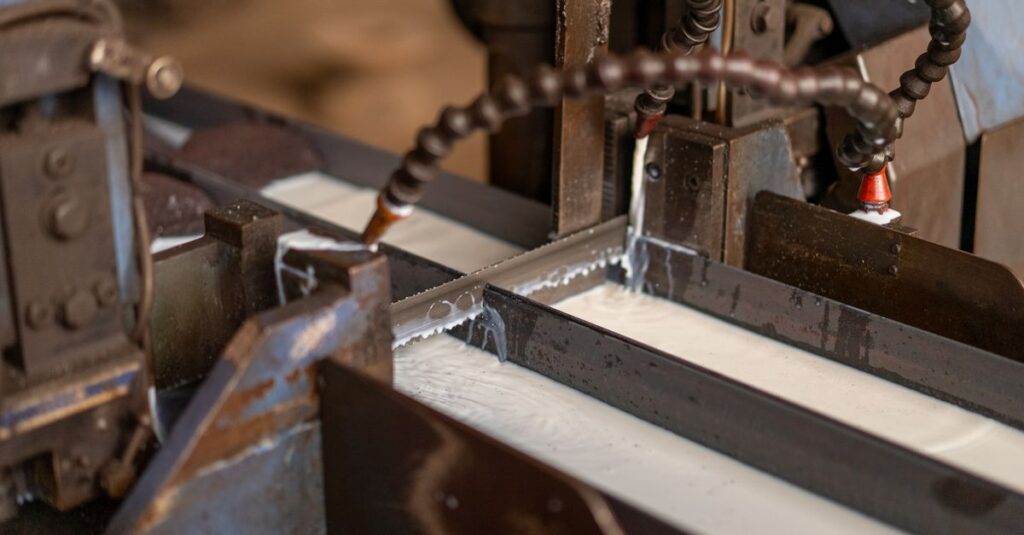
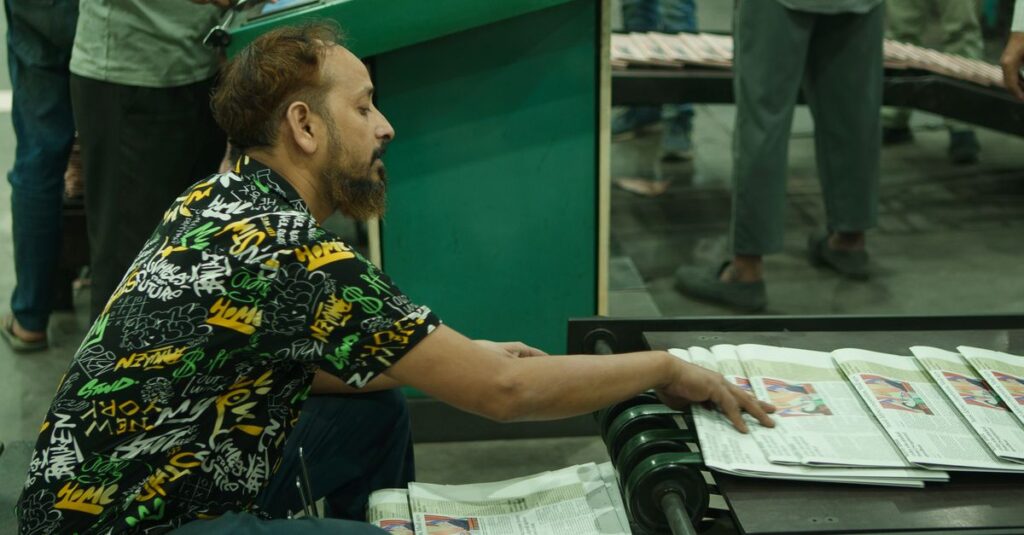
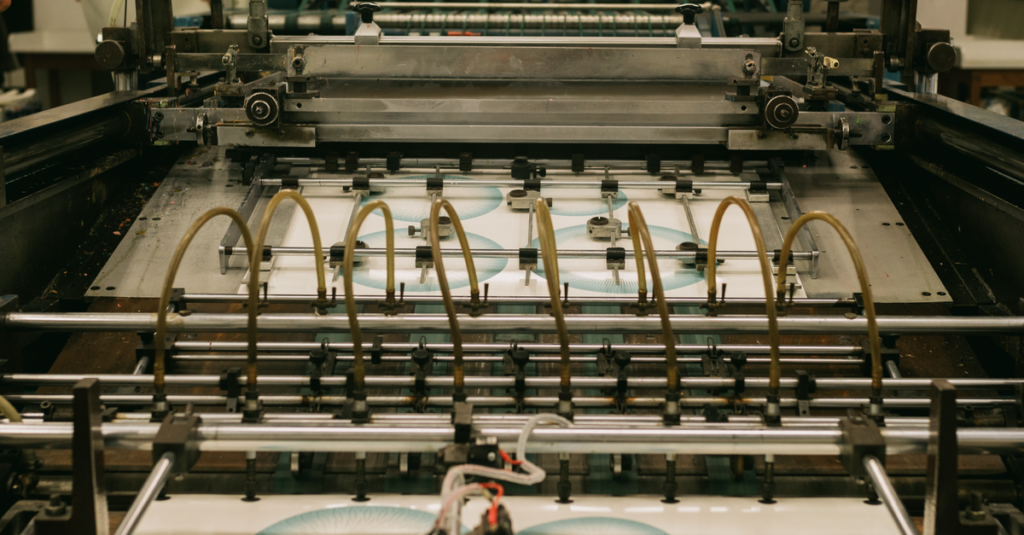
Right. So let’s pull back the curtain. It’s not just printing and stapling. An order for, say, 50,000 “copies” of a 200-page single-ruled notebook kicks off a chain. First, paper arrives on a truck in giant reels, not neat stacks. That paper gets trimmed, printed with those faint blue lines (the ruling), then cut again into notebook-page signatures. Those signatures get collated, folded, stitched or bound, then the cover — which was being printed on a separate machine this whole time — gets glued or wrapped on. Finally, they’re counted, packed in master cartons, and loaded. Every single step has a queue. And a potential hiccup. The paper grain might be wrong. The binding wire might run out. A humid day can slow down glue drying. Honestly? Four weeks is sometimes optimistic.
When you're evaluating a manufacturer, this behind-the-scenes capacity is the only thing that matters. Not their brochure. Not their website. Their daily output and their problem-solving loop. I think about this a lot.
A Quick, Real Story (Because Theory Is Boring)
Anita, 38, runs procurement for a chain of coaching centers in Bangalore. She needed 25,000 “copies” of a special notebook for their new curriculum — graph paper on the right, blank on the left for diagrams. She’d been given a shoddy sample from a previous vendor. The paper bled through. The spirals snagged on bags.
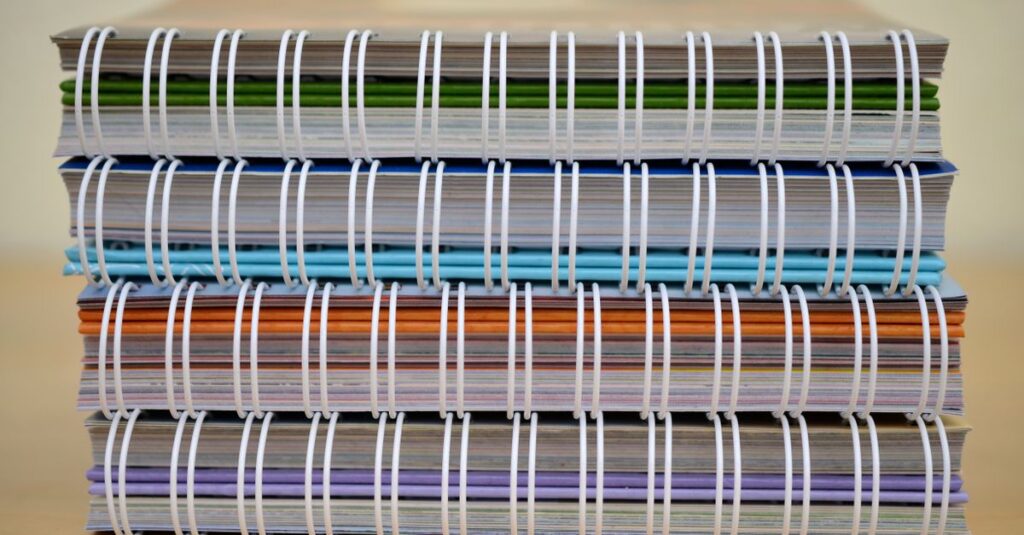
She called three places. Two quoted immediately, based on the sample. We asked her to send the sample, then called back to say: “The paper is 40 GSM. That’s why it bleeds. Your students are using gel pens. You need 60 GSM minimum. And that spiral is single-loop; it’ll deform. You need a double-loop binding.” She paused. Said, “Nobody else mentioned the paper weight.” That’s the difference. It’s not about making a copy. It’s about understanding what the copy is for.
We got the order. Because she wasn’t just buying notebooks; she was buying a solution to a problem she hadn’t fully articulated. Most good procurement is like that.
Expert Insight
I was reading something last month and one line stuck with me. A production head from a giant stationery conglomerate said — the most expensive part of a notebook isn’t the paper or the ink. It’s the assumption. Assuming the ruling is correct. Assuming the GSM is sufficient. Assuming the binding will hold for a year in a student’s backpack. I don’t have a cleaner way to put it than that. Every “copy” order is a transfer of those assumptions from buyer to factory. If the assumptions are wrong, the notebooks fail. And the factory gets the blame, even if the spec was vague. Which it usually is.
Custom Notebook vs. Standard Notebook: A Practical Look
This is where most people get stuck. Should you order a custom “copy” or just buy standard notebooks in bulk and stamp them? It’s not as simple as price. It’s about control.
| Factor | Custom Notebook (Your “Copy”) | Bulk Standard Notebook |
|---|---|---|
| Paper Quality | You choose the exact GSM, brightness, and finish. You control bleed-through. | You get the manufacturer's default (often 52-54 GSM). Few options. |
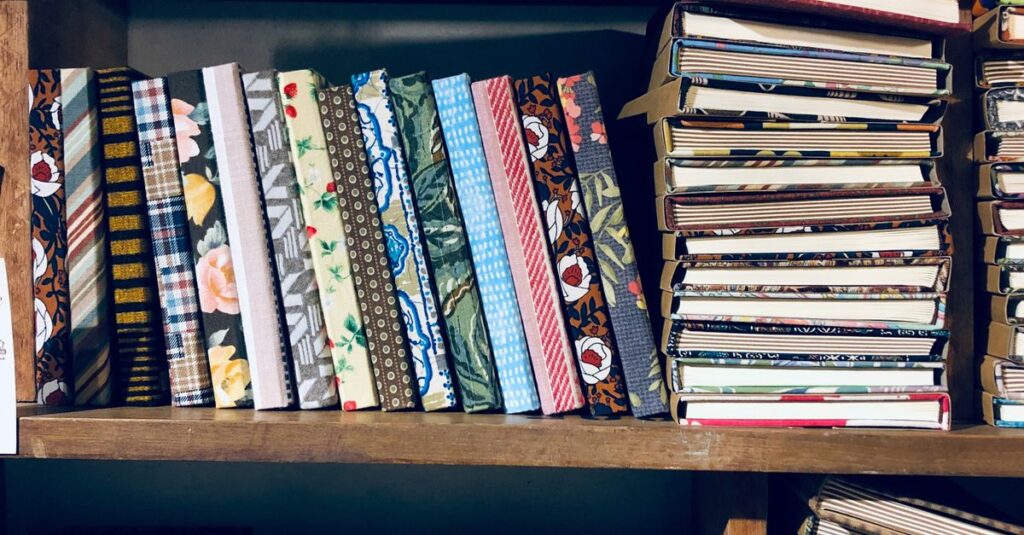
| Cover Design | Full-color, branded, laminated. Your logo, your artwork, your messaging. | Generic, pre-printed designs. Maybe a small stamping area for your logo. |
| Internal Layout | Mix and match rulings (single, double, graph, blank) within one book. | One ruling type per notebook. You buy different books for different needs. |
| Minimum Order (MOQ) | Higher. Usually 1,000 – 5,000 units depending on complexity. | Lower. Can be as low as 100-200 packs for standard items. |
| Lead Time | Longer (3-6 weeks). Includes design approval, sample-making, full production run. | Shorter (1-3 weeks). Often from ready stock or standard running batches. |
| Cost Per Unit | Higher upfront, but brand value and perfect utility can offset it. | Lower upfront. But you compromise on brand cohesion and specific features. |
Look at that table and ask one question: Is my “notebook copy” request about saving money, or building a durable brand asset? Your answer decides the column.
Okay, So You Need a “Copy” – What Now?
If you’ve read this far, you’re probably holding some kind of requirement. An email from your management. A budget line. Here’s what you actually need to do before you call any manufacturer — and I mean this, it’ll save you two weeks of back-and-forth.
One: Get a physical sample. The actual notebook you want to “copy” or use as a reference. If it doesn’t exist yet, make a mock-up. Staple some pages together. Draw on it. Two: Define the non-negotiables. Is it the page count? The specific green of the cover? The fact that it must lie flat when open? Three: Know your numbers. Not just “a lot,” but a real, ballpark quantity. Is it 5,000? 50,000? The machine setup changes completely.
Armed with those three things, you stop being someone asking for a “copy.” You become a client with a project. The conversation shifts from “Can you?” to “How will you?” And that’s where you want to be. Honestly? Most people skip this. They send a blurry photo and ask for a quote. And then they wonder why the quotes are all over the place and the samples are wrong.
Actually, maybe that’s the point. Clarity is the most undervalued raw material in this whole process. Getting clear on what you need is half the job done.
Frequently Asked Questions
What do people actually mean when they ask for a “notebook copy”?
Nine times out of ten, they mean a bulk order of notebooks, either identical to a previous batch or customized to their brand. It's a manufacturing request, not a photocopying request. They want hundreds or thousands of units produced.
What's the minimum order quantity (MOQ) for custom notebook copies?
It varies wildly. For simple stamped branding on standard notebooks, MOQ can be as low as 500 pieces. For fully custom jobs with unique paper, ruling, and covers, most serious manufacturers need at least 1,000 to 3,000 units to make the setup and run cost-effective.
How long does it take to manufacture bulk notebook copies?
From final approved design to delivery? Typically 4 to 6 weeks. This includes paper sourcing, multiple print and bindery steps, quality checks, and packing. Rush jobs are possible but cost more and stress the production line — which can affect quality. Don't quote me on a two-week timeline unless you've seen the factory's schedule.
Can I get a single sample notebook copy made first?
Yes, any reputable manufacturer should provide a physical sample for approval before the full production run. This “proto sample” is crucial. It lets you feel the paper, test the binding, and check colors. Never approve a bulk order based on a digital PDF proof alone.
What information should I give a manufacturer for a notebook copy quote?
Give them the physical sample or a detailed spec sheet: exact dimensions (in cm), page count, paper GSM/type, ruling style, cover material (art card, laminated), binding type (stitched, spiral, perfect), quantity, and your deadline. The more specific you are, the more accurate and comparable the quote will be.
The Bottom Line: It's Not a Copy, It's a Commitment
Let’s wrap this up. “Notebook copy” is a fuzzy term for a very concrete process. It’s the doorway into bulk manufacturing and private label production for schools, corporations, and distributors. The success of it hinges on moving from a vague idea to a precise specification. On trusting a manufacturer not just to press ‘print’, but to advise you on paper weight, binding durability, and cost-saving design tweaks you didn’t know were possible.
I don’t think there’s one perfect way to do it. Probably there isn’t. But if you’ve read this far, you already know what you’re looking for — you’re just figuring out how to ask for it in a way that gets you the right result, not just a box of paper. And maybe that’s the point. Your next step is pretty simple: get that sample in your hand, write down your three non-negotiables, and start a real conversation. We’ve had that conversation a thousand times, and it always starts with clarity.