Introduction
You know what nobody ever tells you about buying notebooks for an entire school? It’s not just picking the cheapest one. It’s about the thing that drives you crazy three weeks into the term — the pages falling out because the binding’s weak, the ink bleeding through the paper, the student complaints. I’ve been talking to procurement managers for decades, and the story’s always the same. They started with a low quote, and then they spend the rest of the year dealing with the mess it created. Notebooks for students seem simple, but get it wrong, and you’re buying them twice. Which defeats the whole point of bulk purchasing.
If you’re ordering for a school, a college, or a distributor, you’re looking for value. But value isn’t the lowest price; it’s the cost per month of use without drama. And honestly? That starts with understanding what you’re actually buying. I’ve seen schools try to save ten rupees per notebook and end up spending fifty more in replacement costs and staff time. Sri Rama Notebooks was founded on that exact frustration back in ’85 — making notebooks that last the whole academic year, not just the first semester.
The Real Cost of a Cheap Notebook
Let’s talk about paper GSM first. GSM is grams per square meter, and for student writing, you need paper that doesn’t ghost or tear. The standard in India for a decent student notebook is around 54 GSM. Go below that, and the paper feels like tissue — a pencil eraser will rip a hole in it, and a ballpoint pen will show through to the other side. It’s unusable for the back page. I think the stat was — I can’t remember exactly — something like 60% of student complaints about notebooks are about paper quality. Don’t quote me on that. But it’s high.
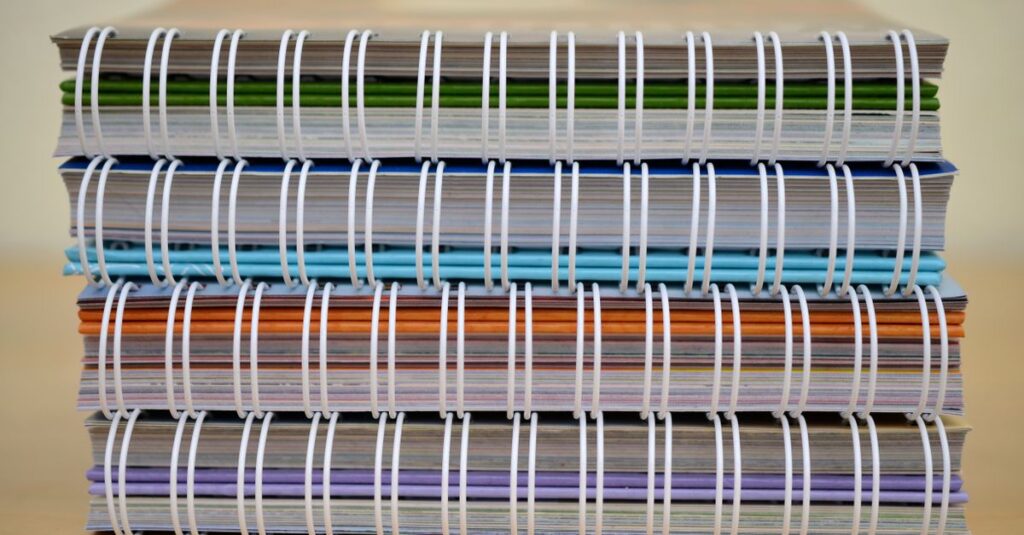
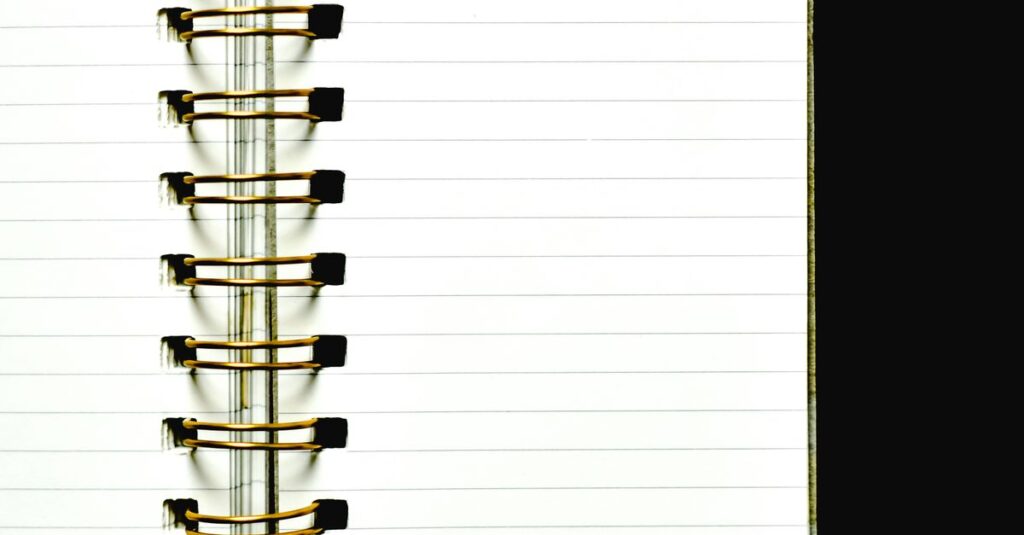
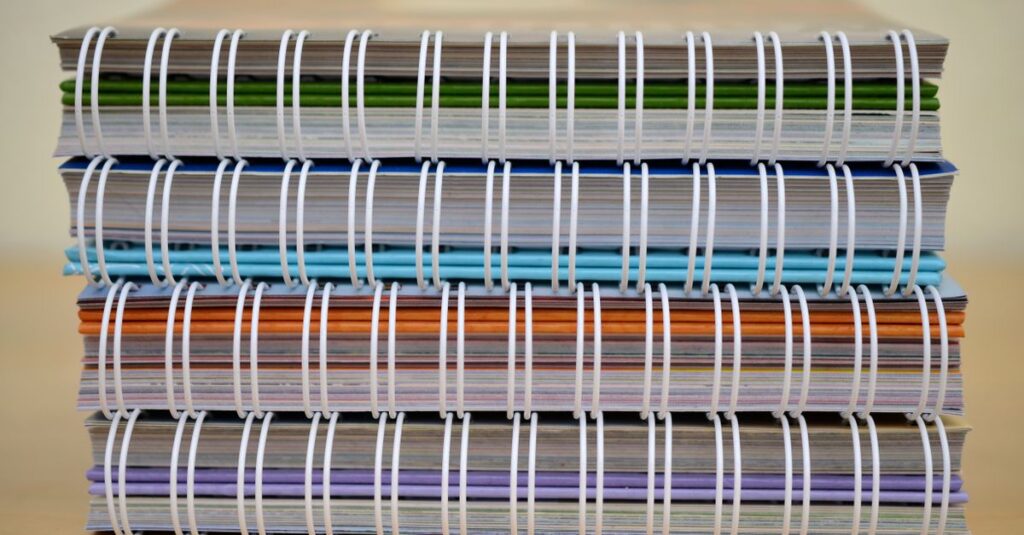
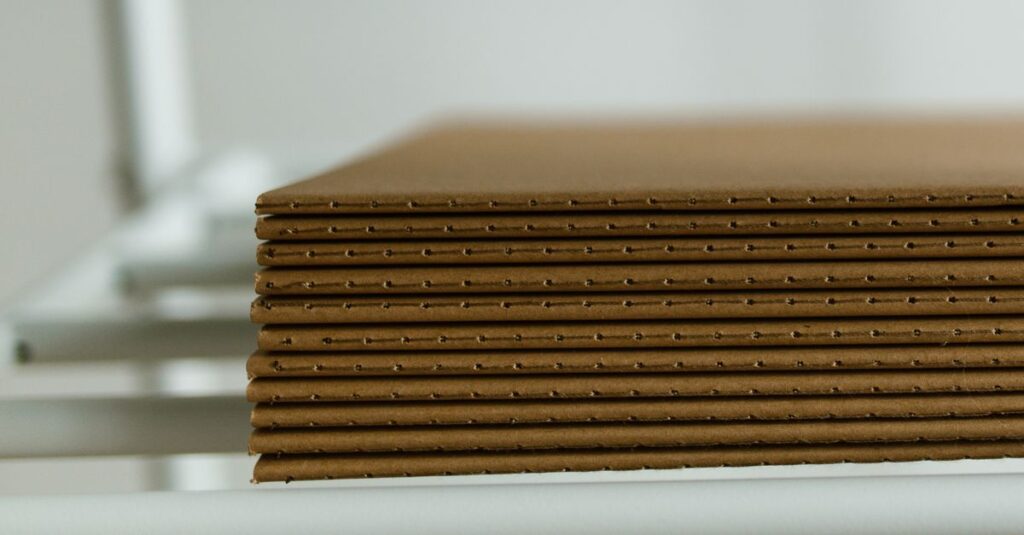
Then there’s the binding. Schools love spiral bindings because they lie flat. But not all spirals are equal. A weak spiral wire will deform the first time a heavy textbook sits on top of it in a backpack. Stitched binding is more durable for standard exercise books, but if the thread quality is poor, the whole signature comes loose. You end up with a pile of loose leaf paper and a frustrated kid. I was visiting a school in Visakhapatnam last year, and the principal showed me a storeroom full of “barely used” notebooks that had disintegrated. The real cost wasn’t the invoice; it was the wasted time and the lost trust.
Real-Life Micro-Story
Kavitha, 42, runs procurement for a chain of private schools in Hyderabad. She switched suppliers last year based on a tempting price cut. The notebooks arrived, looked fine. By mid-October, her office was flooded with requests from teachers. The covers were peeling, the pages in the 200-page account books were coming unglued, and the ruling was so faint it was hard to read. She had to emergency-order a whole new batch, blowing her annual budget. We talked over chai in her office — the sample notebooks from the first order were still in a corner, a quiet monument to a bad decision. She didn’t need to explain the stress; it was all over her desk.
Notebook Size and Ruling: It’s Not One-Size-Fits-All
This is where most bulk buyers make their second mistake. They order one type of notebook for every class. But a Class 3 student learning cursive needs a different ruling than a Class 10 student solving math problems. Single Ruled (SR) is for general writing. Four Ruled (FR) is for younger kids learning letter proportions. Double Ruled (DR) helps with handwriting practice. Cross Ruled (CR) or graph paper is non-negotiable for math and science.
And size! A Long Notebook (27.2 cm x 17.1 cm) is perfect for essay writing. A Short Notebook (19.5 cm x 15.5 cm) is great for younger students or subject-specific notes. Crown size is a popular intermediate. Picking the wrong size means students run out of space or carry unnecessary weight. You have to match the tool to the task. The question isn’t what’s cheapest per unit; it’s what gets the job done properly for each grade.
The Durability Test: Binding, Covers, and Page Count
Think about the life of a student’s notebook. It goes from bag to desk, gets shoved in lockers, survives monsoons in a backpack, gets pulled out dozens of times a day. The cover material matters. A flimsy paper cover won’t last a month. A good quality laminated cover, with reinforced edges, can last the whole year. It’s the difference between a notebook that looks ragged in December and one that’s still intact.
Page count is another thing. A 52-page notebook is fine for a short-term project. But for a main subject notebook, you need 92, 200, or even 240 pages. You don’t want students needing a second book for the same subject in March. It’s disruptive and, again, more cost in the long run. When we plan bulk orders at Sri Rama Notebooks, we always ask: “What is this notebook’s job?” Is it a primary exercise book, a rough work pad, or a final record book? That decides everything.
Expert Insight
I was reading an industry report last month, and one line stuck with me. A paper technologist said something like — the stress on a notebook’s spine during daily use is comparable to bending a book 5,000 times. Most cheap bindings fail at under 1,000 bends. I don’t have a cleaner way to put it than that. It’s not about looking good on day one. It’s about surviving until the final exam.
Customization: More Than Just a Logo
For schools and institutions, customization isn’t a luxury; it’s a practical tool. A notebook with the school’s name, emblem, and maybe even a house system or code of conduct on the back cover creates a sense of belonging. It reduces loss — a personalized notebook is more likely to be returned if found. And for corporate orders, like diaries or training manuals, it’s branding.
But here’s the thing. Customization has to be done right. The printing shouldn’t smudge. The colors should be consistent across the entire order. The placement of the logo matters for aesthetics and durability. We’ve done everything from simple one-color school crests to full-color, complex designs for corporate diary printing. The goal is to make the notebook feel like an official part of the institution, not a cheap afterthought.
Bulk Notebook Buying: A Comparison Table
| Feature | Budget Notebook (Lowest Cost) | Quality Student Notebook (Value Focus) |
|---|---|---|
| Paper GSM | 48-50 GSM. Thin, high show-through. | 54-60 GSM. Opaque, minimal ghosting. |
| Binding | Weak adhesive or thin spiral wire. Prone to failure. | Stitched or reinforced spiral binding. Durable spine. |
| Cover | Thin paper, unlaminated. Tears easily. | Laminated card, reinforced corners. Survives handling. |
| Ruling Clarity | Faint, inconsistent lines. Difficult to write on. | Sharp, consistent ruling. Guides writing properly. |
| Customization | Basic, often smudged logo printing. | Crisp, durable printing. Options for full design. |
| Long-Term Cost | High. Frequent replacements needed. | Low. Lasts the full academic year. |
| Supplier Reliability | May vary batch-to-batch. | Consistent quality, reliable bulk supply. |
Look, I’ll be direct. The left column is what you buy when you only look at the invoice. The right column is what you buy when you look at the total cost of ownership. For schools and businesses, the right column almost always wins.
The Checklist for Your Next Bulk Order
So, you’re ready to order. Don’t just ask for a price list. Ask for samples. Here’s what to do with them:
- Bend Test: Open the notebook to the middle, bend the cover back. Does the spine crack or the glue give way?
- Write Test: Use a ballpoint pen and a pencil. Write on the first and last page. Does the ink bleed or show through?
- Tear Test: Try to gently tear a page from the middle of the book. Does it come out cleanly (bad binding) or does it resist?
- Check the Details: Is the ruling straight? Are the page counts accurate? Are the corners of the cover already peeling?
And then, talk to the manufacturer. A good one, like us, will ask you questions: What grades are these for? What subjects? How will they be used? How will they be distributed? That conversation tells you more about their expertise than any brochure. Anyway. Where was I.
Right. The final step. Think about the logistics. Can they deliver the entire order on time, packed properly for easy distribution to classrooms? Delayed notebooks at the start of a term are a logistical nightmare. It’s one of the biggest headaches for procurement managers I know.
Conclusion
Choosing the right notebooks for students isn’t about stationery. It’s about buying a tool that works quietly, reliably, for months. It’s about avoiding the mid-year crisis, the complaint calls, the wasted money. The best notebook is the one you don’t have to think about again after you’ve ordered it.
I don’t think there’s one perfect spec for every school. Probably there isn’t. But if you’ve read this far, you already know the problems you want to avoid — you’re just figuring out if it’s possible to avoid them without blowing the budget. It is. It just takes asking the right questions from the start. If you’re planning a bulk order and want to see what a difference the right specs make, we can walk you through some samples. No pressure, just a look at what actually lasts.
Frequently Asked Questions
What is the best paper GSM for student notebooks?
For daily use in schools, 54 GSM to 60 GSM writing paper is the sweet spot. It’s thick enough to prevent ink bleed-through from pens and strong enough to handle erasing, but still lightweight and cost-effective for bulk orders. Thinner paper might save money upfront but leads to torn pages and frustration.
What’s the most durable binding for school notebooks?
It depends on use. For standard exercise books that get heavy use, stitched binding is incredibly durable and lies flat. For art books or notebooks that need to fold right back, a double-wire spiral binding is better. Avoid cheap adhesive binding (“perfect binding”) for student notebooks — it’s the first to fail.
How far in advance should I place a bulk order for school notebooks?
Give yourself at least 4-6 weeks for a standard order, and 8-10 weeks if you need custom printing (like school logos). This allows time for production, quality checks, and shipping. Last-minute orders often mean compromising on quality or paying a premium.
Can I get different rulings in the same bulk order?
Absolutely. A good manufacturer will split your order into different rulings (Single Ruled, Four Ruled, Graph) and sizes. This is standard practice. You’ll provide the quantities for each type, and they’re produced and packed accordingly. This lets you tailor notebooks to specific grades or subjects.
What should I look for in a notebook manufacturer for schools?
Look for experience with institutional clients, consistent quality (ask for samples from previous bulk orders), reliable on-time delivery, and the ability to customize. Transparency about paper source and binding methods is a good sign. A manufacturer that asks you detailed questions about your needs is usually more reliable than one that just sends a price list.