Yeah, About That Whole ‘Paper and Company’ Thing
You go to a search bar. You type in ‘paper and company’ or ‘paper company.’ You’re not some stationery superfan looking for a scrapbooking tutorial.
You’re a procurement manager. Or a school admin. Or a wholesaler. And you’ve got a job to do: you need notebooks. A lot of them. Consistently. On budget. And you need them to not fall apart when a kid shoves one into a bag. You’re looking for the company that knows what to do with the paper. The real one.
Most of what you find online is either an ecommerce site selling one pretty journal, or some slick corporate page that talks about ‘commitment to quality’ without ever showing you a bindery machine. It’s frustrating.
Look — when we talk about paper and company in this business, we’re talking about a relationship. It’s about the factory floor smell of paper dust and glue. It’s about a delivery truck showing up on a Tuesday morning because that’s what was promised. It’s not glamorous. But if you’ve ever had to explain to a principal why 3000 notebooks are late, you know it’s the only thing that actually matters.
If that’s the level you’re buying at, then this is what a manufacturer looks like when they’ve been doing it for 40 years.
It’s Not Just Paper. It’s the Right Paper.
Here’s the first mistake a lot of new buyers make: they focus on price first, paper second. They get a quote, see a rate for a 52-page notebook, and think the job is done.
Stop. Three things happen when you do that.
You might end up with paper so thin (low GSM) that ink bleeds through, making both sides of the page unusable. You’ll get paper that tears at the perforation the first time a page is pulled out. You’ll get a ‘notebook’ that feels flimsy — the kind students, or even employees, treat as disposable and don’t value.
Let me be direct. The real question isn’t just ‘What paper do you use?’ It’s ‘What paper do you use for this specific job?’
- For everyday school notebooks? Around 54 GSM writing paper. Not too heavy, not too light. It’s smooth enough for pencils, but holds fountain pen ink without a puddle.
- For a premium corporate diary? The weight jumps. 70, 80, maybe even 100 GSM. It has to feel substantial. It’s a tactile thing.
- For a student drawing book? That’s a different texture altogether. More tooth to it, to hold graphite and charcoal.
What most people don’t realize is that a manufacturer buys paper in massive rolls, called parent reels. The decision on which paper to source for which product is made months before a single notebook is bound. The ‘company’ part of ‘paper and company’ is really about that foresight. It is the only thing that matters here.
The Binding: The Most Important Part You Never Think About
I could tell you about our stitching machines, or the perfect binding glue we import. That’s fine. But I’ll tell you what we talk about more.
Suman is one of our bindery supervisors. He’s been with us twenty-two years. He can walk past a machine and tell you, just by the sound, if the tension on the wire stitch is half a millimeter off. He’ll stop the line, adjust it, and keep walking.
That’s what you’re buying when you pick the right manufacturer.
You’re buying Suman’s twenty-two years. You’re buying the difference between a notebook that survives a semester and one that sheds pages in a month. You think I’m exaggerating? Open a cheap notebook at the center pages. See how the pages are attached. If it looks messy, if the glue is globbed or the staples are crooked, that’s a factory where no one stopped the line. No one cared enough.
Binding isn’t a feature. It’s the foundation.
Stitched vs. Spiral vs. Perfect: A Quick Reality Check
You need to know this. So does every school or office manager I’ve ever met.
| Type | How It Works | Best For | The Real-World Catch |
|---|---|---|---|
| Stitched (Saddle Stitched) | Metal staples through the spine fold. Classic, simple. | Standard school notebooks, memo pads, thinner books. | Page count is limited. Try a 700-page book with this and it’s a brick that won’t open flat. |
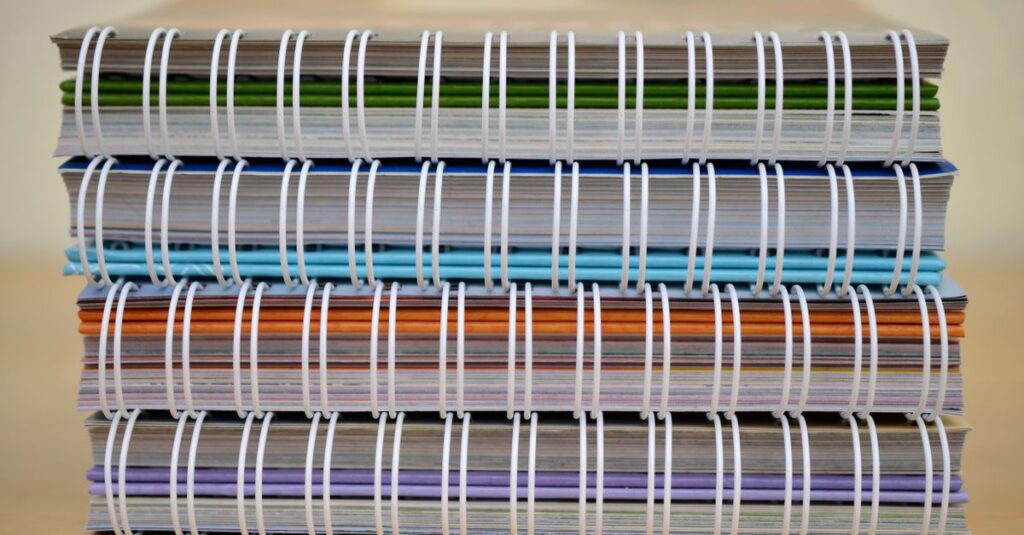
| Spiral / Wire-O | Plastic or metal coil is threaded through holes along the side. | Notebooks that need to lie completely flat (artists, lab books). | The coil can get bent in a bag, then you can’t turn pages. It’s also the most expensive binding style to produce. |
| Perfect Binding | Pages are glued together at the spine with a strong adhesive. | Thicker books, premium corporate diaries, catalogues. | If the glue is cheap or the application isn’t perfect, the whole cover can detach. This is where a manufacturer’s reputation is made or broken. |
Anyway. Where was I. Oh, right — the point is, the binding type dictates the notebook’s entire life. You have to match it to the job.
That ‘Company’ Part? It Means You’re Buying a System.
When a school in Hyderabad orders 50,000 notebooks or a corporate office in Bangalore wants 5,000 custom-branded diaries, they aren’t just buying a product. They’re plugging into a system.
We get this call all the time: ‘Can you do notebooks with our logo? In a specific color? And have them by the 15th?’
The answer is almost always yes, because that system is what we’ve spent four decades building. But here’s what’s happening behind your request.
- The Design Check. Your logo file. Is it high-res? Is it vector art? If it’s a blurry JPEG, someone (probably us) has to redraw it. It takes time. Nine times out of ten, we end up helping with this.
- The Paper Run. This isn’t pulling sheets from a shelf. It’s scheduling the paper reel for the right day on the printing press so it matches the binding schedule. A single delay here wrecks everything.
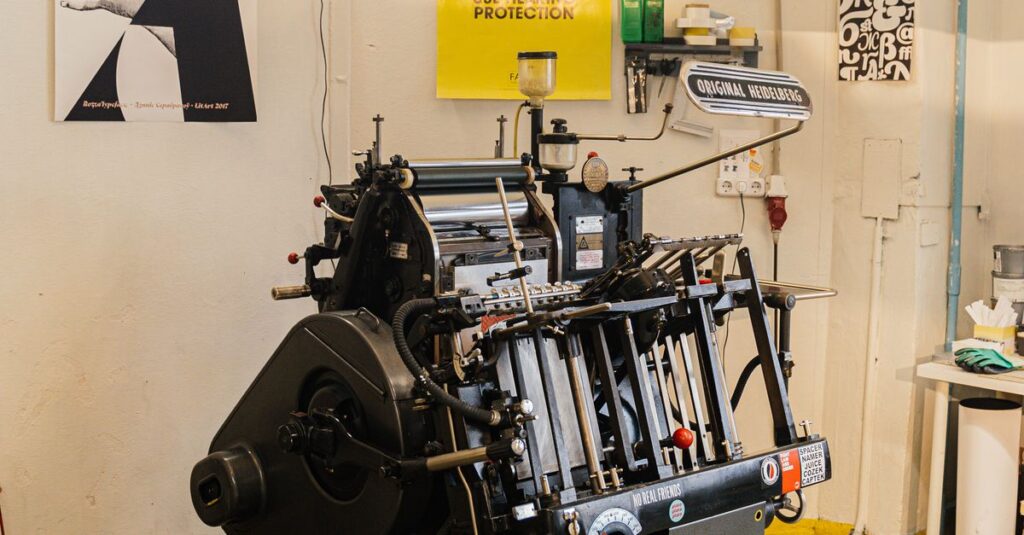
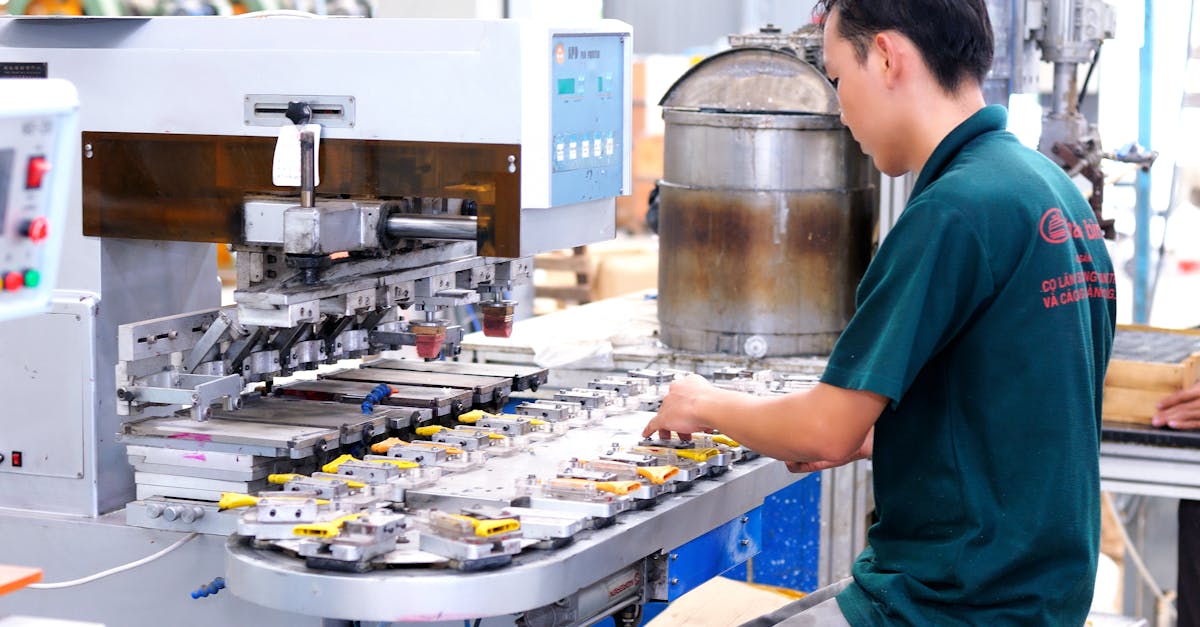
- The Press Check. Printing isn’t magic. It’s about ink viscosity and plate alignment. The first few sheets off the press get checked. Colour matches? Registration sharp? If not, we wash the plates and start over. We do not run 10,000 copies of a blurry logo. Period.
- The Binding Queue. The printed, cut sheets go into a queue for the right binding machine. Wire stitching today? Perfect binding tomorrow? This is factory logistics, pure and simple.
- Packing & The Truck. How are 50,000 notebooks packed? In boxes of 10? 50? On pallets? Labelled how? This detail decides whether your warehouse team has an easy day or a miserable one.
That’s the company.
It’s boring. It’s systematic. And it’s what gets you exactly what you ordered, on time. You are not just buying paper. You’re buying the clockwork.
Expert Insight
I was talking to a procurement head for a large university consortium last month. Over the phone, actually. He’d been burned by a ‘manufacturer’ who was really just a middleman. He said something I keep thinking about: ‘The moment I knew we had the right partner wasn’t when we got the samples. It was when their production manager called me to confirm a minor detail on the packing slip that we had messed up. They caught our mistake.’
That’s it. The difference isn’t in the marketing brochure. It’s in who catches the mistake on the packing slip.
The ‘Bulk’ in Bulk Manufacturing
People throw around ‘bulk’ like it just means ‘a big number.’ It doesn’t. In our world, bulk means predictability.
Our factory can run 30,000 to 40,000 bound notebooks a day. That sounds like a big, impressive number, right? But the real story is in how that number is built.
An order for 100,000 uniform short notebooks for a state education board is a different kind of bulk than an order for 10,000 mixed notebooks (some ruled, some graph, some drawing) for a private school chain.
The education board order is about relentless consistency. Every single notebook has to be identical. The paper has to be the same shade of white from batch one to batch one hundred. The ruling lines have to be the same density of blue. That’s a marathon.
The private school order is about flexibility. It’s about changing ruling styles and cover colours on the fly. That’s a series of sprints.
A manufacturer built for bulk needs to be able to run both races. That means having the machine flexibility — and more importantly, the team coordination — to switch modes without dropping the ball.
Look, I’ll just say it. A lot of places can handle the giant, single-SKU order. Far fewer can handle the complex, varied order with the same level of reliability.
Which is… something you only find out after you’ve placed the order.
So, What Do You Actually Look For?
Right. How do you, the person responsible for spending the budget and getting the goods, make a choice?
Forget the website for a second.
- Ask to see their factory. A video call tour is fine. If they hesitate, that’s your answer. A real manufacturer is proud of their floor.
- Ask about their paper mills. Where do they source from? They should know. If they say ‘we get it locally’ and can’t name the mill or the brand, that’s a red flag.
- Ask for a physical sample kit. Not a PDF. A box of actual notebooks. Different papers, different bindings. Feel them. Write in them. Try to tear a page out. Does the binding hold? Does the paper feel good?
- Ask for a reference. Specifically, ask to talk to a client who had a complex, custom order. Not the one who just bought standard notebooks. The one with the tricky specs.
- Check their process for proofing. How do they handle corrections on a custom design? Do they send you a digital proof? A physical one? Who pays for corrections if they make an error vs. if you do?
This isn’t about being difficult. It’s about being a partner. A good manufacturer wants these questions. It shows you’re serious, and that you care about what you’re putting your name (or your institution’s name) on.
Because at the end of the day, when someone uses that notebook, they aren’t thinking about your procurement process. They’re just thinking ‘This is a good notebook’ or ‘This is a cheap piece of junk.’
And that judgement lands on you.
Frequently Asked Questions
What’s the difference between a paper company and a notebook manufacturer?
A paper company (like a mill) typically just produces and sells the raw paper material in sheets or rolls. A notebook manufacturer is a paper and company operation — we buy that paper, then design, print, cut, bind, and finish it into the final notebook product. We’re the ones who handle the entire transformation.
How do I know if the paper quality is good for bulk school notebooks?
Ask for the GSM (grams per square meter). For standard student use, aim for around 54 GSM as a reliable benchmark. Then, get a sample and do the ‘bleed test’: write on it with a fountain pen or a marker. If you can’t see through to the other side easily, and the paper doesn’t tear, you’re on the right track.
What’s the lead time for a bulk custom notebook order?
It depends massively on the complexity, but a good rule of thumb for an established manufacturer is 4-6 weeks from final sign-off on design. Simpler reorders of existing designs are faster. The key is to ask upfront and get it in writing — any reputable company will give you a realistic schedule, not just a hopeful guess.
Can you produce notebooks for export markets with specific standards?
Yes, a manufacturer with export experience will be familiar with different regional standards. For example, notebooks for the Gulf often need specific rulings or layouts, while European markets might prioritize certain environmental certifications. Always specify your destination country early in the discussion so we can advise on compliance.
What’s the minimum order quantity (MOQ) for custom printed notebooks?
This varies, but for a custom print run to be economical, most manufacturers need at least 500 to 1000 units per design. For smaller volumes, ask about stock notebooks that can be privately labeled with a simple stamp or sticker. It’s about finding the most cost-effective solution for your quantity.
Anyway. What It Comes Down To.
I don’t think there’s one perfect manufacturer for everyone. Probably there isn’t.
But after forty years in Rajahmundry, watching this industry, the pattern is clear. The buyers who get what they need — who avoid the headaches and the late deliveries and the quality complaints — are the ones who look past the shiny brochure.
They ask about the paper source. They care about the binding. They ask to see the system.
They understand that ‘paper and company’ is a partnership, not just a purchase order.
You’re not just buying an object. You’re buying the result of thousands of small, correct decisions made by people who know what they’re doing. That’s the whole game.
If that’s what you’re looking for, maybe we should talk. Our printing and customisation process is built for that exact kind of partnership.