Let’s Cut Through the Printing Jargon
Here’s the thing. You’re probably looking at a quote or a spec sheet for notebooks. You see the term ‘PRI’ somewhere near the price per unit, and your brain just sort of… skips over it. It happens. You assume it’s some technical thing you don’t need to worry about.
But that line item — that’s where your real cost is hiding. And whether you’re ordering for 500 students or 50,000 corporate diaries, that cost matters.
PRI printing is one of those foundational pieces of bulk notebook manufacturing that nobody really explains in plain English. It’s not glamorous. It’s the workhorse. So let’s talk about what it actually is, why it’s probably on your quote, and what you should know before you sign that PO. Because in my 40 years in this business, watching procurement managers in Rajahmundry and Dubai, the biggest budget surprises always come from the technical details you didn’t ask about.
If you’re sourcing notebooks in bulk, this is one detail you need to understand.
What PRI Printing Actually Is (Not What Salespeople Say)
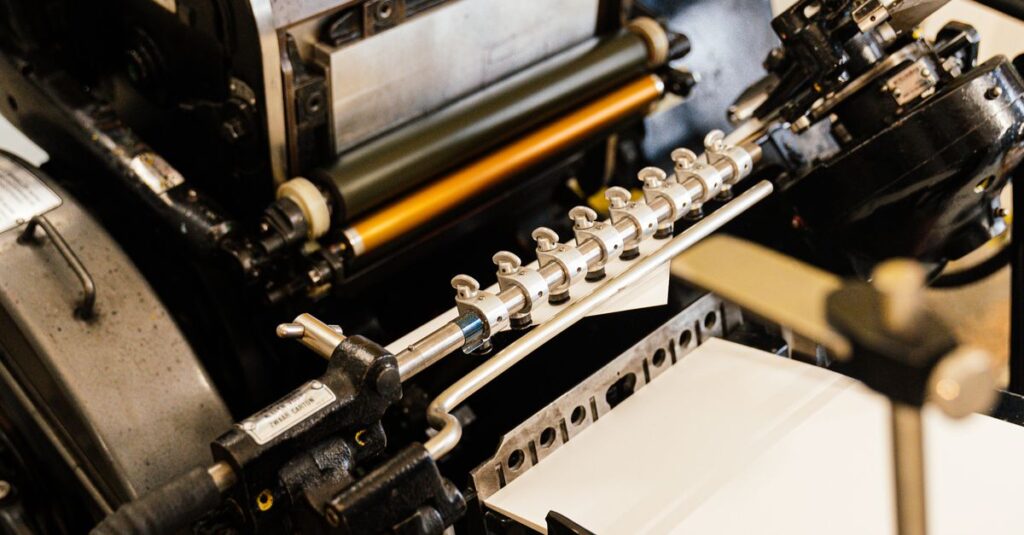
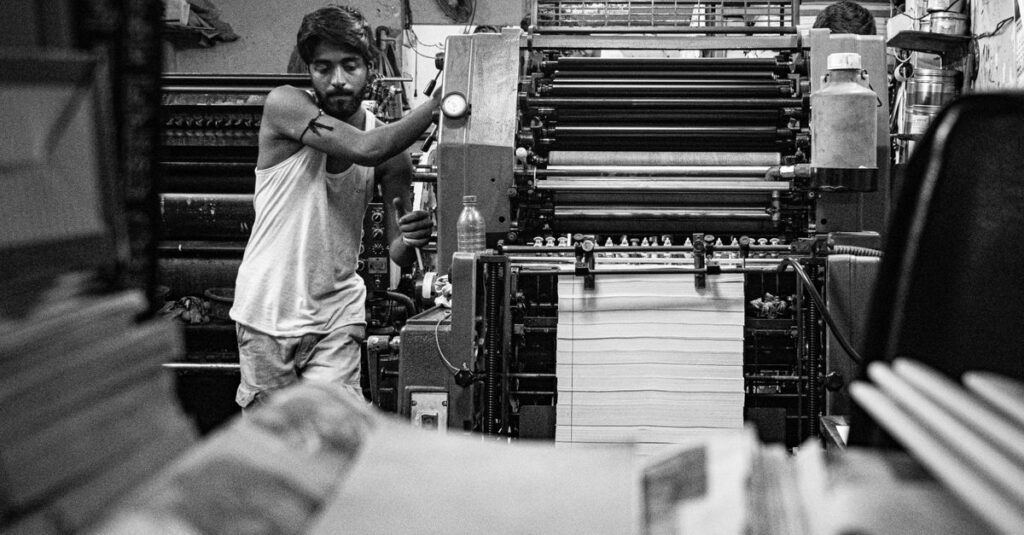
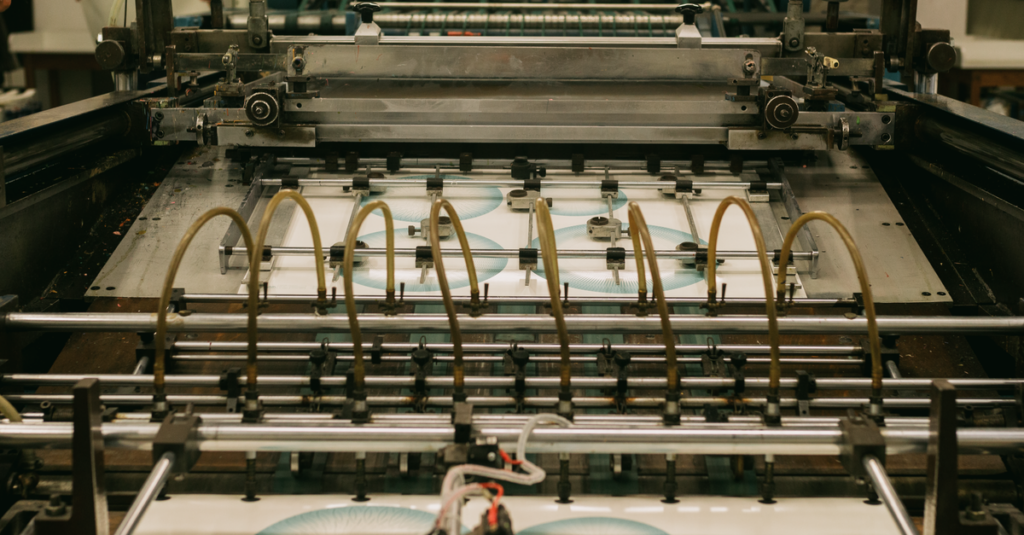
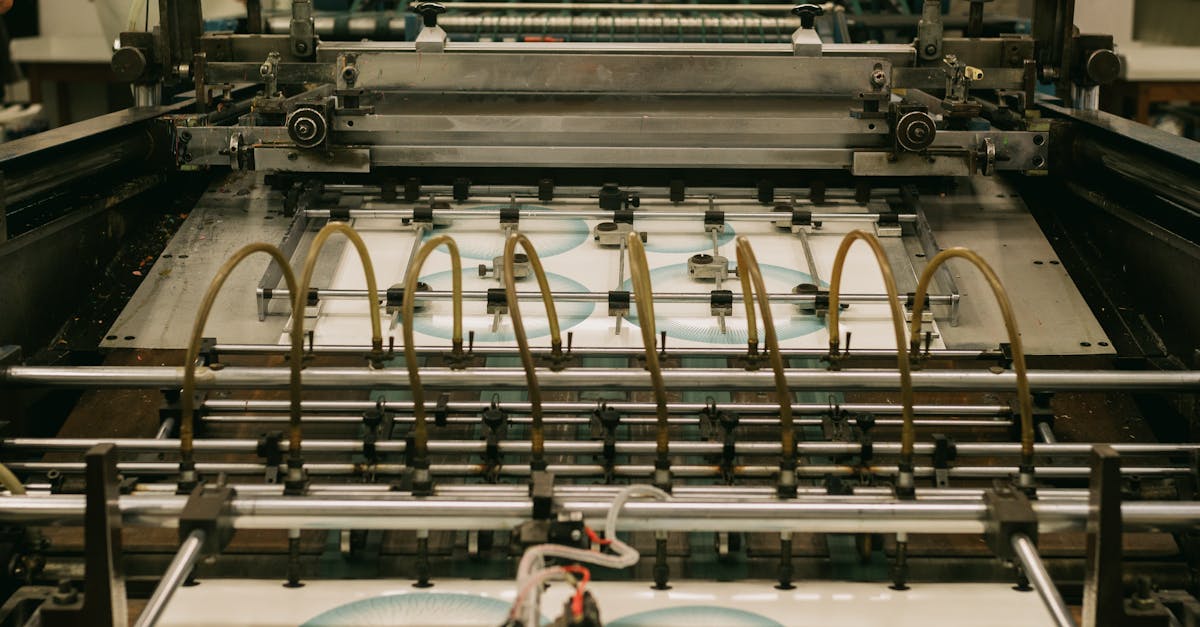
Okay, let’s define it. PRI stands for ‘Printing, Ruling, and Imposition.’ It’s not one machine, it’s the entire first stage of making the inside of your notebook. The part that turns a giant, blank roll of paper into organized, ready-to-bind pages.
Think of it this way. If a notebook was a house, the binding is the framing and the cover is the paint. PRI is the plumbing, wiring, and drywall. You never see it directly when you look at the finished product, but if it’s done wrong, the whole thing is useless.
Here’s the step-by-step breakdown:
- Printing: This is where your custom content goes on the page. School crests, corporate logos, page numbers, chapter headers, terms and conditions for diaries. It’s the first layer of ink.
- Ruling: The lines. Single-ruled, double-ruled, four-ruled for account books, grid patterns, margins. This is printed over the base layer (if there is one) in a second pass.
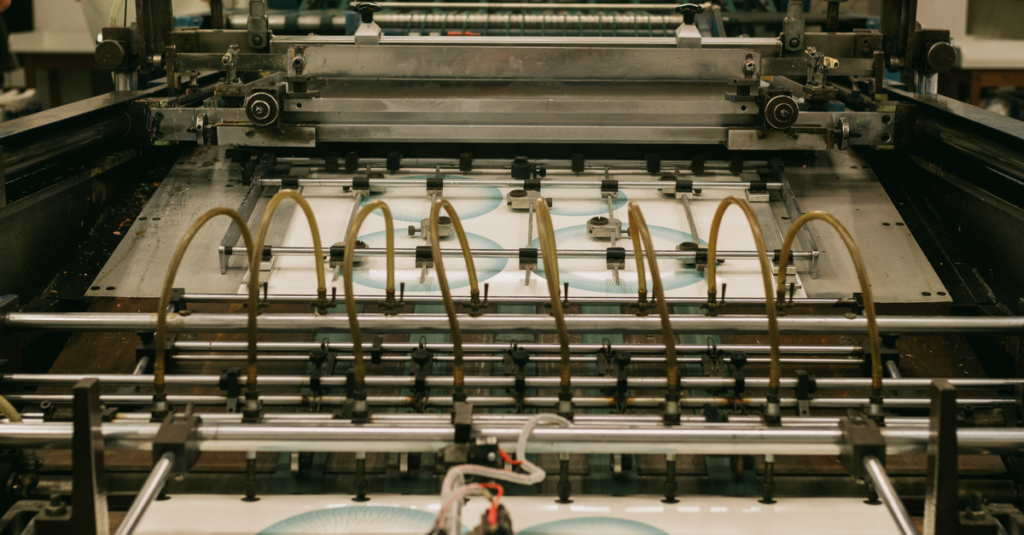
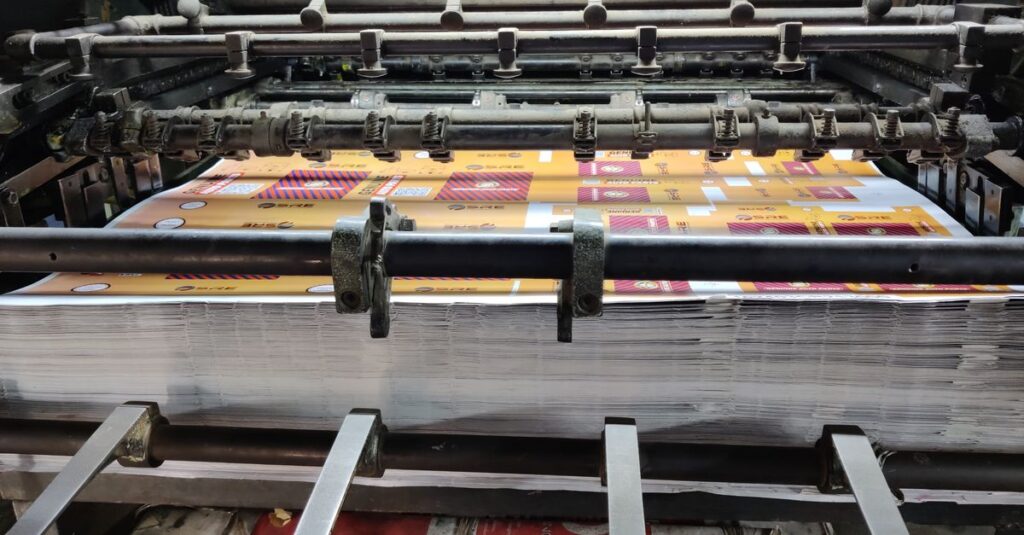
- Imposition: The real magic trick. This is where the printer arranges all the individual pages onto a large sheet of paper in a specific order, so that when it’s folded and cut, the pages appear in the correct sequence. Mess this up and your notebook has page 54 next to page 12.
The whole process has a specific weight to it, a logistical hum. I think the hardest part for buyers to grasp isn’t the ‘how’, but the ‘why’ it affects their price so much.
Why Your Quote Depends On It (And Where Costs Hide)
I was talking to a distributor last month — over chai, actually — and he was frustrated. His quote for 20,000 long notebooks jumped 18% from his last order. Same specs, he thought. Paper quality, binding, cover. All identical.
The problem? He’d changed the ruling from single-ruled to a complex center-broad pattern for a new client. That extra ruling pass? That’s a PRI cost. The imposition setup for a new page count? That’s a PRI cost. He hadn’t asked. So let’s talk about what drives the price.
The real cost drivers in PRI printing are:
- Complexity: More colors on your custom printing? More cost. Switching from standard lines to a custom grid? More cost. Each element needs a separate plate or digital setup.
- Paper Size & Format: Imposing pages for a Crown Size notebook is different from an A4 account book. The machine setup changes, the sheet layout changes.
- Volume: This is the big one. The PRI process has a high fixed setup cost. Spreading that cost over 5,000 notebooks versus 50,000 notebooks changes the per-unit price dramatically. Bulk is cheaper for a reason.
And honestly? Most people assume the cover is the expensive part. Nine times out of ten, it’s the inside work — the PRI — that eats the budget if you’re not paying attention.
Expert Insight
I was reading an industry journal a while back and one line stuck with me. It said something like — in commodity manufacturing, the value is in the material. In custom manufacturing, the value is in the preparation. I don’t have a cleaner way to put it than that. PRI is all preparation. It’s the unseen, meticulous work that makes the final product feel seamless. You’re not paying for ink on paper; you’re paying for the guarantee that every single page, in every single book, will be exactly where it’s supposed to be.
PRI vs. Digital Printing: Choosing What’s Right for Your Order
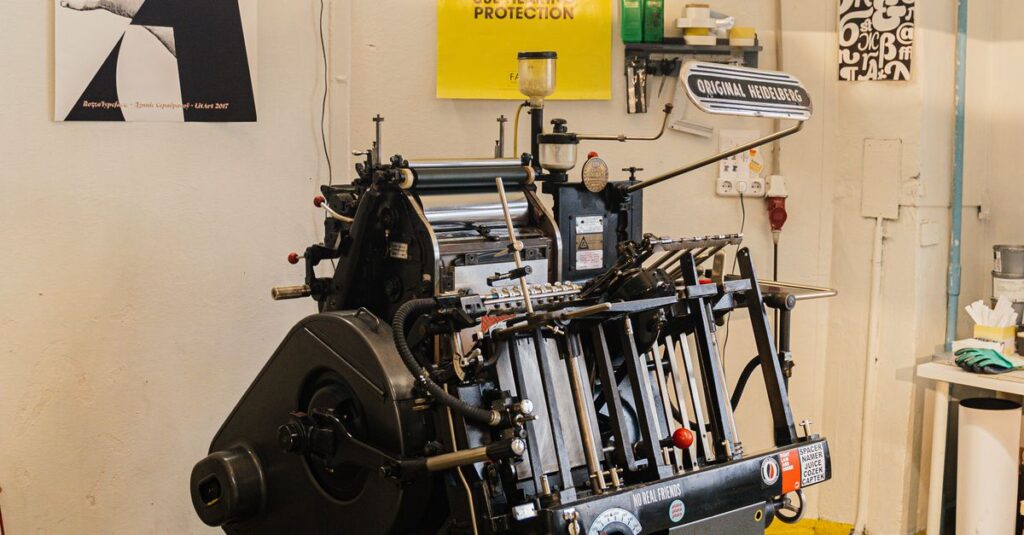
Now, here’s where it gets interesting — and where a lot of buyers get tripped up. PRI is traditionally an offset printing process. But what about digital printing for notebooks? Isn’t that easier?
Earlier I said PRI is the default. That’s not quite fair — it’s more that PRI is the default for runs above a certain size. Let’s compare, because this is probably the most important decision you’ll make for a custom notebook run.
| Factor | PRI (Offset) Printing | Digital Printing |
|---|---|---|
| Best For Quantity | Bulk orders (5,000+ units) | Small batches (50 – 2,000 units) |
| Setup Cost & Time | High. Needs plates and precise imposition. | Very low. No physical plates. |
| Cost Per Unit | Drops steeply with volume. Cheaper at scale. | Fairly constant. Doesn’t get much cheaper. |
| Customization Flexibility | Low per unit. Every book in a run is identical. | High. Can print variable data (names, codes). |
| Color Consistency | Excellent and uniform across the entire run. | Can vary slightly between sheets or runs. |
| Turnaround Time | Longer lead time due to setup. | Faster start, as there’s minimal setup. |
The question isn’t which technology is better. It’s about the size of your order and what you need. Need 50,000 identical notebooks for a national school program? PRI is your only sane option. Need 500 personalized diaries for a sales team? Digital might save your sanity and your budget. You need to match the tool to the job.
A Real-World Scenario: How This Plays Out for Buyers
Let me give you a picture. Anjali, 42, is a procurement manager for a chain of private schools in Hyderabad. She needs notebooks for the upcoming academic year. Her spec: 25,000 Long Notebooks, 92 pages, single-ruled, with the school’s motto printed on the header of every page.
She gets three quotes. One is suspiciously low. When she digs, she finds the vendor plans to use a lower GSM paper (it feels flimsy) and skip the header printing on inner sections to ‘save cost’. That’s a PRI compromise. Another quote is high, but includes a detailed breakdown showing the separate costs for printing the motto, the ruling, and the imposition. The third quote is in the middle, but vague.
Anjali goes with the detailed quote. Not because it was the cheapest, but because she could see exactly what she was paying for at each stage — the PRI line items were clear. She knew her cost was in the preparation, and she was willing to pay for the guarantee of consistency across 25,000 books. She got home at 8 pm that day, tired. But it was the good kind of tired. The kind where you know you’ve prevented a thousand tiny headaches for teachers and students down the line.
That’s the choice. Clarity over guesswork.
Looking for that kind of clarity in your custom printing project? It starts with asking the right questions.
Questions You Must Ask Your Manufacturer About PRI
Look, I’ll be direct. Most suppliers won’t volunteer this information unless you ask. Their default is to give you a bottom-line price. Your job is to understand what’s inside that price. So here’s your cheat sheet for the next conversation.
- “Is this quote based on PRI printing or digital?” This sets the stage. It tells them you know there’s a difference.
- “Can you break down the PRI cost separately?” Ask for the cost of printing, ruling, and imposition. A good manufacturer can do this.
- “What’s included in the ‘printing’ part of PRI?” Is it just black ink? Two colors? Does it include my custom logo on every page, or just the cover?
- “How will the imposition be handled for my page count?” This is technical, but asking it shows you’re serious. It forces them to confirm they’ve planned for it.
- “Are there any PRI setup fees, and are they amortized into the unit price?” This is the big one. You need to know if you’re paying a $500 setup fee once, or if it’s spread across each book.
Asking these questions changes the dynamic. It moves you from being a price-shopper to being a project partner. And in my experience, that’s when you start getting the real best prices — and the real best quality.
Frequently Asked Questions
Is PRI printing more expensive than regular printing?
It’s not more expensive, it’s just more defined. ‘Regular’ printing is vague. PRI is the specific, industrial process used for mass-producing notebook interiors. For bulk orders (think thousands of units), it’s almost always the most cost-effective method because the high setup cost gets divided across many books.
Can I get different colored rulings with PRI printing?
Absolutely. That’s a standard part of the ‘Ruling’ stage. Standard is blue or black, but red lines for margin rules, green for grids — it’s all possible. Just remember: each additional color or ruling style typically adds a step (and a small cost) to the process.
What’s the minimum order quantity for PRI printing?
This varies by manufacturer. For us, PRI becomes viable around 2,000-3,000 notebooks of the same spec. Below that, the setup costs make the per-unit price too high, and digital printing is usually a better fit. It’s always worth asking your supplier for their threshold.
Does PRI printing work for all notebook sizes?
Yes. The imposition process is specifically designed around the final trimmed size of the notebook — whether it’s a Short Notebook (19.5 x 15.5 cm) or a large Account Book (33.9 x 21 cm). The machines and plates are adjusted for each size format.
How does PRI affect the lead time for my order?
It adds time upfront. Creating the printing plates and planning the imposition is a precision task that can take a few days. Once that’s done, the actual production is very fast. So while a digital print job might start faster, a large PRI-based order will often catch up and surpass it in total output speed.
The Real Takeaway
So here’s what I think you should remember. PRI printing isn’t a mystery or a scam. It’s just the professional term for building the guts of a notebook correctly. The cost isn’t in the ink — it’s in the certainty.
When you’re buying in bulk for a school, a corporation, or for resale, that certainty is the only thing that matters. A 2% cheaper unit price means nothing if 10% of the books have misprinted pages. The headache isn’t worth the savings.
I don’t think there’s one perfect way to buy notebooks. Probably there isn’t. But if you’ve read this far, you already know that the details matter. You’re just figuring out which details are worth your focus.
Want to talk specifics about your next notebook order? We’ve been navigating these details for over four decades. Let’s have a direct conversation.