You hear “digital print printing” and think — isn’t that just digital printing?
Here’s the thing. In my experience, the person typing those words into Google is usually a corporate procurement manager or a school administrator. They’re not in the printing industry. They’re trying to figure out if this is the right choice for their 5,000 custom diaries or their next bulk order of student notebooks. The phrase itself feels redundant — and it kind of is — but the confusion behind it is real. I see it all the time.
It usually means one of two things: either they’ve heard about digital printing but are fuzzy on the details, or they’ve been quoted for both “digital” and “print” services and don’t know why they need both. They’re sitting at their desk, staring at a supplier list, and just need someone to cut through the jargon.
So let’s do that. Digital printing is the method. Printing is the action. When people mash them together, they’re usually asking: how does this whole modern, on-demand printing thing actually work for something as basic as a notebook? And more importantly, is it right for my order? If that sounds like the exact headache you’re dealing with right now, you’re in the right place.
The Real Difference Between Digital and “Normal” Printing
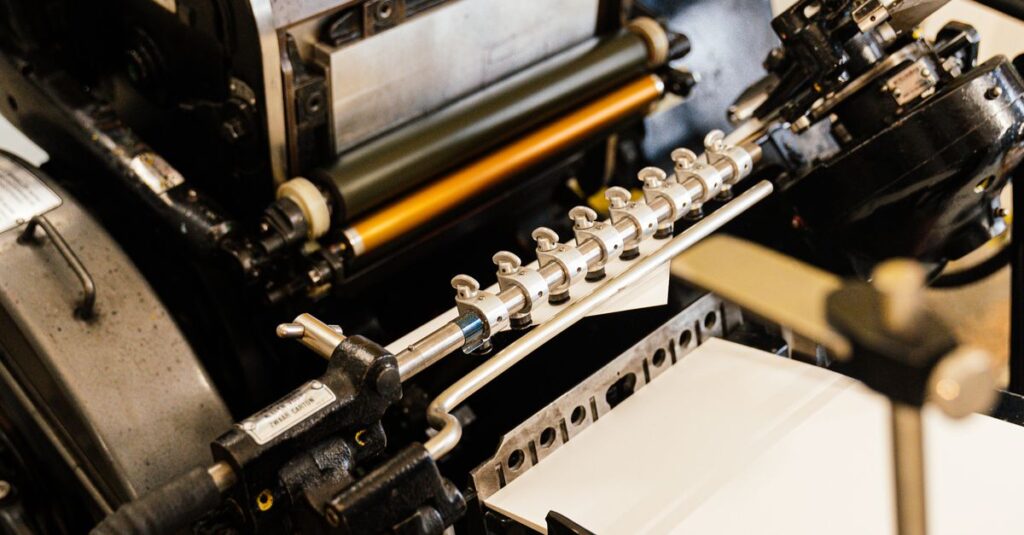
Okay, let me break this down without the textbook definitions. Think of it this way. Traditional offset printing — the “normal” kind — is like a giant, heavy-duty rubber stamp. You have to carve the design into a plate first. It’s a whole production. The setup takes time and costs money. This is perfect when you’re making 50,000 identical notebooks. The cost per unit plummets. But it makes zero sense for 500.
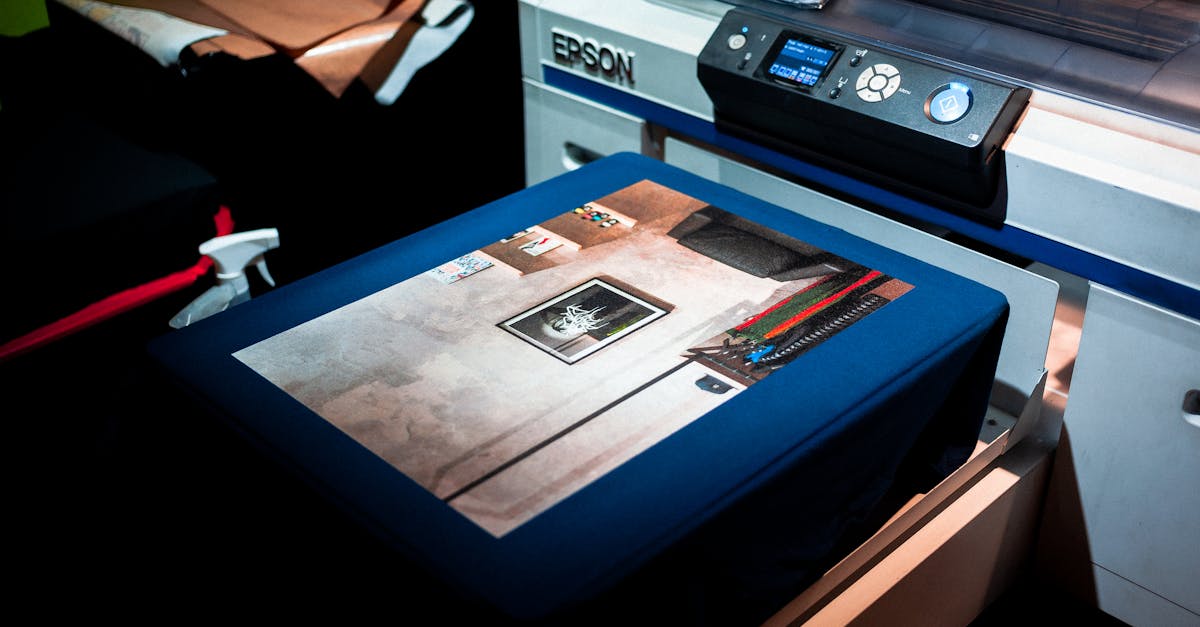
Digital printing? It’s more like your office printer, just industrial-sized and way smarter. It takes a digital file — your logo, a custom cover design — and prints it directly onto paper or a cover. No plates. No massive setup. This is the part that throws people. They see “digital” and think it’s just for photos or brochures. They don’t realize it’s revolutionized small-batch and custom notebook manufacturing.
The biggest confusion I hear — and honestly, it comes up in almost every conversation with a new client — is about quality. There’s this idea that digital means lower quality. That was true maybe 15 years ago. It’s not anymore. The machines now are incredible. The color matching is precise. The finish is professional.
The actual question isn’t about quality. It’s about economics and flexibility. Which one makes your budget and your deadline breathe easier?
When Digital Print Printing Makes Sense (And When It Doesn’t)
Let’s talk real orders. I was talking to a client last week — a university admin from Hyderabad — and she was ordering branded notebooks for a new department. She needed 1,200 units, each with a slightly different course code on the cover. That’s a textbook case for digital. With offset, changing the design for each batch is a nightmare. With digital, the machine just pulls the next file. Easy.
Most people I’ve spoken to in procurement hit a wall when they try to apply old rules to new needs. Here’s where digital printing for notebooks really shines:
- Short Runs & Testing: Need 200 custom diaries for a corporate leadership retreat? Digital.
- Personalization: Each notebook has a different employee name or student ID? Only digital can do that cost-effectively.
- Fast Turnaround: You forgot about the annual conference and need 800 notebooks in two weeks. Digital can often save you.
- Design Revisions: You’re not 100% sure about the cover color and want to see a few samples first. Digital lets you prototype cheaply.
But — and this is a big but — it’s not always the right tool. If you’re a stationery distributor ordering 40,000 standard ruled notebooks for the back-to-school season, you go offset. The cost per book will be significantly lower. The quality for solid, consistent colors (like a deep blue school crest) can be more vibrant. The silence when I explain this to a bulk buyer tells me they finally get it. It’s not better or worse. It’s fit for purpose.
I think the stat was — I can’t remember exactly — something like 70% of our custom corporate diary orders under 2,500 units now go digital. Don’t quote me on that. But it’s high. The shift happened quietly, while everyone was still arguing about ink vs. toner.
Expert Insight
I was reading an industry report last month and one line stuck with me. It said the future of printed stationery isn’t in mass production, but in mass customization. The ability to make every single notebook in an order unique without tanking your budget. That’s the real power of digital they were talking about. It turns a commodity into a tailored product. I don’t have a cleaner way to put it than that. It means a small business can have notebooks that look as bespoke as a multinational’s, for a fraction of the old cost.
A Day in the Life: How This Actually Works in a Factory
Right. Let me pull back the curtain for a second. This isn’t magic. It’s logistics.
Meet Anjali. She’s 38, a procurement manager for a mid-sized IT firm in Bangalore. Her office is in one of those glass buildings off Outer Ring Road. She’s in charge of ordering corporate gifts for the new financial year. This year, the VP wants premium, leather-look diaries with each senior manager’s name embossed on the cover. 150 people. All different names. She has three weeks.
Five years ago, this request would have made her blood run cold. The quotes would have been astronomical, the minimums insane. Now, she sends one email with a spreadsheet of names and a PDF of the base design. The file gets loaded into a digital press. The machine prints the common design elements, then pauses to swap the name variable for each cover. The printed sheets go for binding. The entire job — from her email to packed boxes — might take 10 days. She doesn’t think about plates or ink mixing. She thinks about delivery dates. That’s the shift.
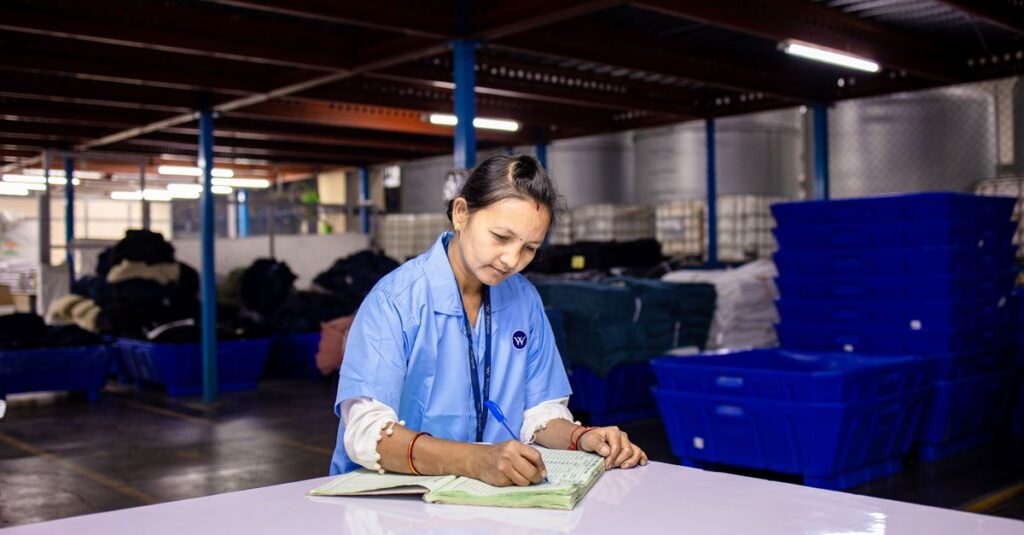
In our factory, the digital press hums in a different rhythm than the offset machines. It’s quieter, for one. It handles shorter queues but more variety. The operator isn’t just a pressman; he’s checking files, managing a digital dashboard, ensuring the variable data pulls through correctly. It’s a different skill. The whole process feels more… connected to the final user, somehow. Even if that user is just someone getting a notebook with their name on it.
Anyway. The point is, the “how” has changed. And most buyers’ requests have changed with it, even if their vocabulary hasn’t quite caught up.
| Feature | Digital Printing for Notebooks | Offset Printing for Notebooks |
|---|---|---|
| Best For Order Size | Small to medium batches (1 – 5,000 units) | Large, bulk batches (5,000+ units) |
| Setup Cost & Time | Very low / Almost none | High / Takes significant time |
| Cost Per Unit Trend | Stays fairly constant | Drops dramatically with volume |
| Customization & Variables | Excellent. Easy to change text, images, numbers per item. | Very poor. The entire run must be identical. |
| Turnaround Time (for ready-to-print files) | Much faster. Can often start same-day. | Slower, due to plate creation and setup. |
| Color Brilliance & Consistency | Very good, especially for photos & gradients. | Often superior for solid, flat colors. |
What to Ask Your Notebook Supplier About Their Digital Printing
Look, I’ll be direct. Any manufacturer worth their salt offers digital printing now. The question is how they offer it. When you’re evaluating suppliers — whether for corporate diaries or school notebooks — drill down on these points. They separate the talkers from the doers.
First, ask about their file prep. Do they have a designer who can clean up your logo if it’s a low-res JPG from 2005? Or do they just throw it on the press and hope for the best? Bad file prep is the #1 reason for disappointing digital print results. I’ve seen it tank an otherwise perfect order.
Second, ask about paper compatibility. Not all notebook paper handles digital ink the same way. Some lower GSM papers can warp or show through. A good supplier will know which of their stock papers — like our standard 54 GSM writing paper — works perfectly with their digital presses and will guide you away from what doesn’t. They should sound confident, not vague.
Third — and this is the real test — ask for samples of a previous variable data job. Anyone can show you a nice flat print. Ask to see a notebook where every cover has a different serial number or name. Look at the registration. Is it sharp? Consistent? That’s where you see the machine’s (and the operator’s) true quality.
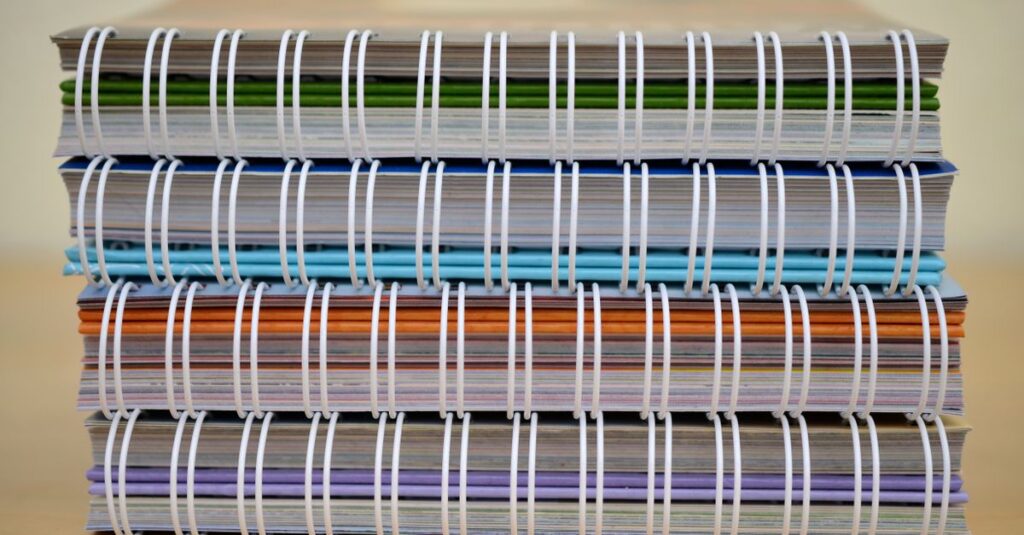
Finally, talk bindings. Digital printing opens up options. Can they do perfect binding on a short run of 100 custom reports? What about spiral binding for personalized training manuals? The printing is just the first step. The binding has to match the use case. The best conversations I have are when a client describes how the notebook will be used, and we work backwards from there. It’s not just manufacturing. It’s problem-solving.
And honestly? Most suppliers will give you a generic yes to all of this. Push for details. The good ones will have them.
Common Myths (That We Need to Stop Believing)
Earlier I said digital quality is now excellent. That’s true. But it’s not quite fair to leave it there. There are still nuances, and pretending otherwise helps nobody.
Myth 1: “Digital printing is more expensive.” For bulk? Absolutely. For short runs with customization? It’s almost always cheaper. You’re not paying for plates and setup. The math flips based on quantity.
Myth 2: “The colors will fade.” Modern digital inks and toners are UV-resistant and incredibly durable. For a notebook that will sit on a desk or in a backpack, they’ll last the lifetime of the product. The fading worry is a ghost from the early 2000s.
Myth 3: “I can’t get special finishes.” This one is partly true. Heavy spot UV, foil stamping, complex embossing — these are usually separate, traditional processes. But a digital print can be topped with a laminate or a light aqueous coating for protection and a nice feel. So you can get a premium finish, just maybe not every single type of finish.
The biggest myth, though, is that this is all too technical for the buyer to understand. It’s not. You don’t need to know how the laser writes to the drum. You need to know what it can do for your order, your budget, and your deadline. That’s it. The rest is just noise between you and a box of well-made notebooks.
Frequently Asked Questions
What is the main advantage of digital print printing for notebooks?
The main advantage is flexibility without huge cost penalties. It lets you order small batches, personalize individual items (like adding names), and make last-minute design changes. It turns custom notebook printing from a major, expensive project into a straightforward, accessible service for businesses and institutions.
Is digital printing good for bulk school notebook orders?
Usually, no. For truly bulk orders of identical school notebooks (think 10,000+ units), traditional offset printing is almost always more cost-effective. Digital shines for shorter runs, custom covers for specific schools, or adding variable data like a school emblem and student class.
Can I print full-color photos on notebook covers with digital printing?
Yes, absolutely. In fact, digital printing is excellent for full-color photographic images and complex gradients. It handles color variations smoothly, making it a great choice for vibrant, detailed cover art on custom diaries or premium notebooks.
How long does a typical digital print job for notebooks take?
From approved final file to shipped product, a typical short-run digital print job for notebooks can take 7-14 working days. The actual printing is fast; most of the time is for binding, quality checks, and logistics. It’s significantly faster than offset for comparable custom jobs.
What file format do I need to provide for digital printing?
You should provide a print-ready PDF with all fonts embedded and images at high resolution (300 DPI). Most reputable manufacturers, like us at Sri Rama Notebooks, have design guidelines and can help prepare your file if needed.
The Bottom Line on Digital Print Printing
So here’s what it all comes down to. When someone searches “digital print printing,” they’re not looking for a dictionary. They’re looking for a solution. They have a need — branded notebooks for an event, personalized diaries for a team, a test run of a new product line — and they’re trying to figure out if this technology is their way out of the old, expensive, inflexible ways of doing things.
For most of the buyers I talk to — the corporate managers, the school admins, the distributors — the answer is increasingly yes. It democratizes quality. It respects smaller budgets. It meets tighter deadlines.
I don’t think there’s one perfect answer here. Probably there isn’t. The right choice between digital and offset always depends on your specific numbers and needs. But if you’ve read this far, you already know what you’re looking for — you’re just figuring out if a manufacturer can actually deliver it for you. That’s the real question, right?
The good news is, now you know what to ask. You know where the myths are. You know what to look for in a sample. That puts you miles ahead. The next step is just a conversation with a supplier who speaks your language. If you want to see what this looks like in practice for your next order, we should talk.