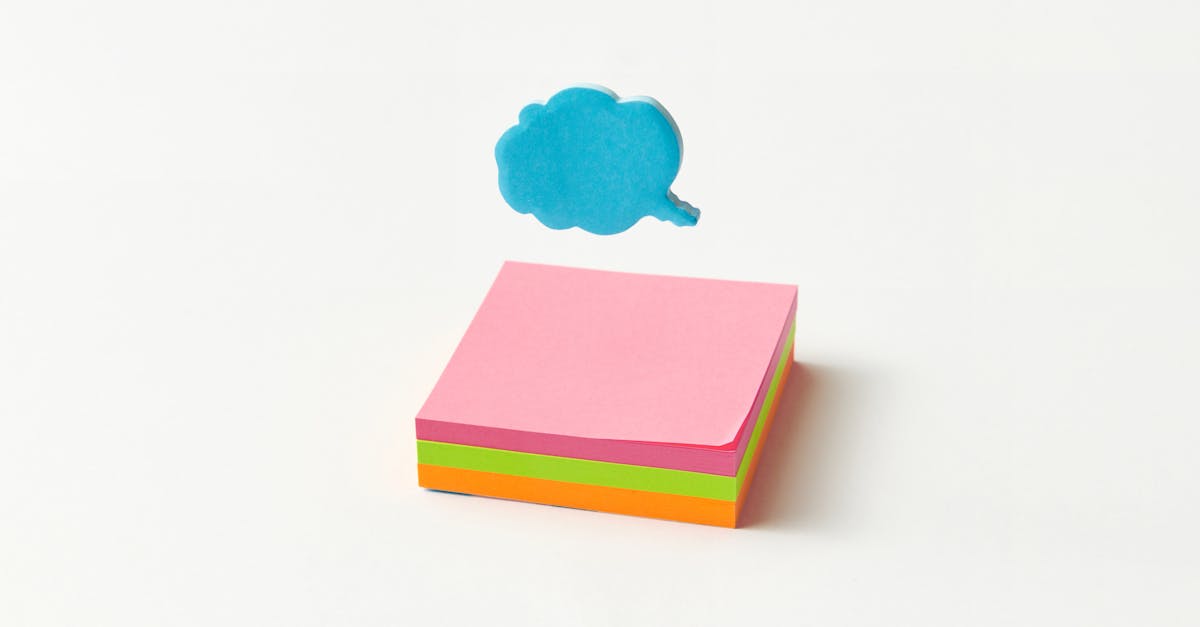
Note Pads Aren’t Just Notebooks. They’re a Different Animal.
You order notebooks. You order diaries. And then you get a request for 10,000 ‘note pads’. You nod — sure, notebooks. Right?
Wrong. It’s not the same thing. I’ve seen procurement managers at schools and corporate offices get this mixed up, and it leads to the wrong product arriving. A note pad is a specific tool, designed for a specific job. If you’re buying bulk for an institution or reselling as a wholesaler, knowing this difference isn’t just trivia. It’s what keeps your order from being useless.
So what are they, really? Think short-term, disposable, single-task. A notebook is for keeping. A note pad is for using, then tossing. It’s the scrap paper of organized work. And bulk buyers — schools, offices, warehouses — use them in volumes that surprise people who haven’t been in the industry. If this sounds like the kind of detail your procurement team needs to know, our guide on notebook and pad products might be worth a look.
The Real Definition: What Exactly is a Note Pad?
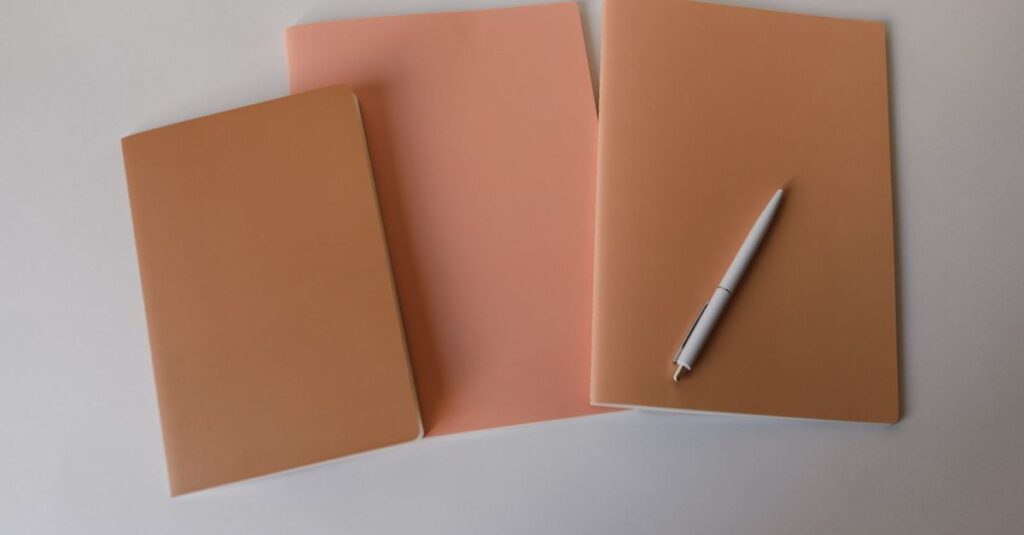
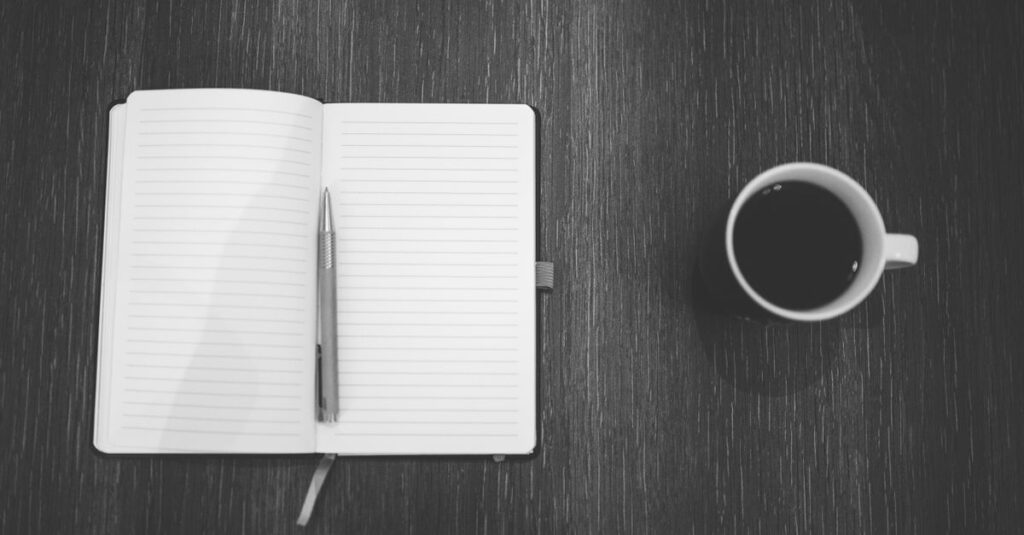
Let’s get straight to it. A note pad, in the manufacturing world, is usually a bound set of paper sheets — but lightly bound. The binding is temporary. The cover is often thinner. The whole point is to be a temporary writing surface.
Three things define it:
- It’s for immediate, short-term notes. Phone messages, meeting points, quick calculations.
- It’s often smaller in page count. 50 sheets, 100 sheets — not 200 or 300.
- The paper can be simpler. Sometimes it’s even recycled or lower GSM, because you’re not archiving it.
You see them on reception desks, in factory control rooms, stacked next to school lab equipment. They’re not for student notes or client records. They’re for the in-between stuff that needs a physical placeholder for five minutes. And that’s the key. The function dictates the form.
How Bulk Buyers Actually Use Them
I was talking to a procurement manager from a large college in Hyderabad last week — over a really bad coffee, actually — and he broke it down. They order three main types of paper products: textbooks, student notebooks, and what they call ‘utility paper’. Note pads fall into the last category.
Here’s how it plays out:
- Schools buy them for labs and administrative offices. A chemistry teacher needs to jot down a measurement, rips off the sheet, tapes it to a sample. The pad stays in the lab.
- Corporate offices, especially back-office and warehouse teams, use them for transaction logs. One pad per day, per process. At the end of the day, the sheets are collected for data entry, the empty pad is discarded.
- Distributors and wholesalers sell them as low-cost, high-volume consumables. They move fast because they’re cheap and everyone needs them, but nobody thinks about them until they run out.
The demand is steady, silent, and massive. You don’t think about it. But when you need 5,000 pads for a new branch opening, you suddenly realize you’ve never sourced them before. That’s where the headache starts.
The Types You’ll Actually Need to Order
Not all pads are the same. If you’re procuring in bulk, you need to match the type to the use. Getting this wrong means wasted money and annoyed staff.
The main categories:
- Scribbling Pads: Usually unruled (UR), sometimes with a very light margin. Paper around 50-55 GSM. Perfect for quick diagrams, math, raw notes. These are the generic ones you see everywhere.
- Message Pads: Often have a pre-printed header like ‘Message for:’, ‘Telephone Call:’, or ‘Visitor’. They’re ruled, sometimes with checkboxes. This is a custom printing job, and bulk orders for offices love them.
- Log Pads: Used in warehouses, hospitals, transport. Often have column rulings — time, item, quantity, signature. These move into the ‘customized register’ space, but they’re still pads because they’re temporary records.
- Perforated Pads: Each sheet is perforated for easy tearing. This is a big one. If the sheets need to be removed and distributed — like in a manufacturing line — perforation is non-negotiable.
Then there’s binding. Stitched binding is common for cheap, bulk pads. Spiral binding is for pads that need to lie flat on a desk — think architects, designers. Perfect binding (glued edge) gives a cleaner look for corporate reception areas.
And the paper? It’s not about luxury. It’s about functionality. Too thick, and it’s wasteful. Too thin, and it tears when ripped. The sweet spot is 54-60 GSM for most bulk applications. It’s durable enough for a pen, but doesn’t feel precious.
A Common Mix-Up: Notebooks vs. Note Pads
Most people think they’re the same. They’re not. And for bulk buying, this confusion can cost you.
| Feature | Note Pad | Notebook |
|---|---|---|
| Primary Purpose | Temporary, disposable recording | Permanent record keeping |
| Page Count | Low (52-100 pages) | High (200-700 pages) |
| Paper Quality | Standard 54-60 GSM | Higher quality (60-70 GSM+) |
| Binding | Light (stitched, cheap spiral) | Durable (stitched, hardcover) |
| Cover | Light card or paper | Thick card, laminated, hardcover |
| Customization | Simple header prints | Full cover branding, inside layouts |
| Bulk Use Case | Schools (labs), Offices (desks), Warehouses (logs) | Schools (students), Corporates (diaries), Institutions (records) |
The table makes it obvious, but the real difference is in the mindset. You buy notebooks to give to someone — a student, an employee. You buy pads to place somewhere — a desk, a station, a point of use.
I’ve seen orders go wrong because a school asked for ‘lab notebooks’ and got beautiful 200-page bound books. The teacher just needed cheap pads to tear sheets from. The entire order was useless. That kind of mistake happens when you don’t specify.
Real-Life Use: A Micro-Story
Anita, 42, procurement officer for a chain of private schools in Bangalore. She’s ordering supplies for the new academic year. Her list: textbooks, art paper, science notebooks, and ‘lab pads’.
She calls a supplier, says she needs 5000 lab pads. The supplier sends a quote for premium 92-page notebooks. She approves it, because the price seems okay. The pads arrive. They’re beautiful. Sturdy covers, nice paper.
The science lab head calls her. “What are these? We can’t tear sheets from these. They’re too thick. The binding is too strong. We need cheap pads we can rip pages from and throw the stub away.”
Anita now has 5000 beautiful notebooks sitting in storage, useless for the lab. And she needs to place a rush order for the actual pads. It cost her time, extra money, and a bit of embarrassment. All because the word ‘pad’ was assumed, not defined.
That’s the kind of detail that keeps procurement managers up at night.
Expert Insight
I was reading an old industry procurement manual last month — one of those dusty pdfs nobody opens — and one line stuck with me. It said something like: “In bulk stationery buying, the cost of a wrong specification is never just the unit price. It’s the cost of the entire process stopping.”
Don’t quote me on the exact phrasing. But the idea is right. If you buy the wrong product in bulk, you don’t just lose money on the product. You lose time. You disrupt workflows. You have to re-order, rush-ship, and explain to everyone why their expected supplies aren’t there.
The manual called it ‘specification debt’. You incur debt when you don’t define exactly what you need. And you pay it later with interest. In my experience, that’s true for pads more than anything else. Because they’re so simple, people assume they’re all the same. They’re not.
How to Source Them Right (Especially in Bulk)
If you’re buying 5,000, 10,000, or 50,000 pads, you can’t just pick a catalog item. You need to match the specs to the actual use. Here’s a blunt way to do it.
First, ask the end-user — not the admin, but the person who will tear the sheets — three questions:
- How many sheets do you need per pad? (52, 92, 100?)
- Do you need to tear sheets out cleanly? (Perforation?)
- Is there any pre-printed text on each sheet? (Header, columns?)
Second, decide on binding. Stitched is cheapest, spiral lets it lie flat, perfect binding looks neat but can be harder to tear from.
Third, paper GSM. For most bulk utility pads, 54 GSM is fine. It handles pencil and pen, tears easily, and keeps cost low. If you need durability for carbon copies or heavy ink, go 60-70 GSM.
And fourth — this is the big one — find a manufacturer who understands bulk utility products, not just fancy notebooks. Some factories specialize in high-end diaries. Others, like ours, run lines specifically for high-volume, cost-effective pads. The machines, the paper stock, the binding style — it’s all tuned for volume. You can see our manufacturing capabilities to get a sense of that scale.
The right supplier doesn’t just sell you pads. They ask you those four questions before giving a quote.
Why Custom Printed Pads Matter for Corporates
Here’s a thing most businesses miss. A plain pad is a tool. A pad with your logo, or a pre-printed header like ‘Customer Feedback’ or ‘Daily Production Log’, is a system.
It directs the use. It standardizes the information collected. It becomes part of a workflow.
I’ve seen factories use custom pads for quality checks. Each sheet has printed columns for batch number, defect type, inspector sign-off. At the end of the shift, the sheets are collected, data entered, the pad stub discarded. The pad itself becomes a data capture device.
For offices, pads printed with ‘Call for:’ or ‘Visitor:’ at the top mean the receptionist doesn’t scribble differently each time. The information is structured.
Custom printing isn’t just branding. It’s process control. And in bulk, the cost adder is minimal compared to the efficiency gain. If you’re ordering for a corporate or institution, at least consider a simple header print. It changes how the pad is used.
The Manufacturing Angle: How Pads Are Made at Scale
From the factory floor — pads are simpler than notebooks, but speed is everything. The process is about volume.
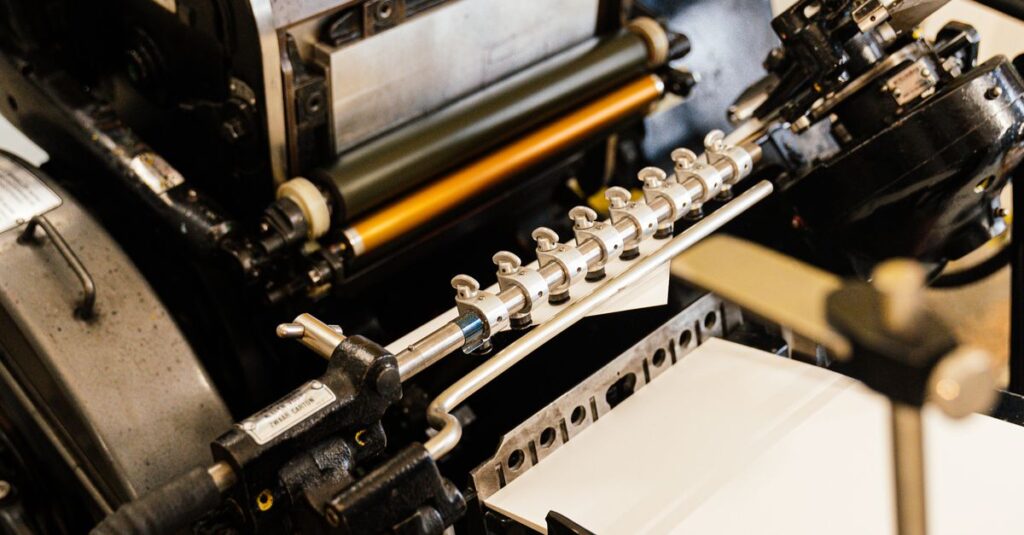
Paper is cut to size — usually crown size or smaller. It’s ruled if needed (SR, UR, DR). Then it’s collated into sets of 52 or 92 sheets. The cover, a lighter card, is printed (or plain). Then binding: for stitched pads, it’s a simple stitch through the spine. For spiral, a machine inserts the plastic coil. Then trimming, packing.
The line is fast. At our facility, we can run 40,000 bound units a day when we’re on pad production. The trick is having the paper stock ready, the binding machines dedicated, and the packing streamlined.
For custom printed pads, the cover print is done first, or if it’s header printing on each sheet, that’s done before collating. That adds a step, but not much time if the print is simple.
The real constraint isn’t machinery. It’s paper supply. For bulk pad orders, you need a steady inflow of the right GSM paper. And that’s where long-term suppliers matter. We’ve been sourcing paper for decades, so that flow is reliable. For a new buyer, paper sourcing can be a hidden bottleneck.
Frequently Asked Questions
What’s the typical GSM paper used for bulk note pads?
For most bulk utility pads — schools, offices, warehouses — 54 GSM paper is standard. It’s smooth enough for writing, thin enough to tear easily, and cost-effective for large orders. If you need more durability (like for carbon copies or heavy ink), you might go to 60 or 70 GSM, but that increases the price.
Can note pads be custom printed with a company logo?
Absolutely. That’s actually a common request from corporate buyers. You can print your logo on the cover, or even pre-print headers on each sheet (like ‘Message for:’, ‘Quality Check’). It adds a small cost, but turns a generic pad into a branded tool. We do this regularly for bulk orders.
What’s the difference between a scribbling pad and a message pad?
A scribbling pad is usually blank/unruled, for any quick note. A message pad has a pre-printed format — often with lines for ‘To’, ‘From’, ‘Message’, ‘Time’. Message pads are used in offices for structured communication. Scribbling pads are for free-form notes, calculations, diagrams.
How many pages should a standard bulk note pad have?
For bulk orders, the most common page counts are 52 and 92 pages. 52-page pads are cheaper and used where pads are consumed quickly. 92-page pads offer more sheets per pad, reducing replacement frequency. The choice depends on how quickly the end-users will use up the pad.
Is spiral binding better than stitched binding for note pads?
It depends on use. Spiral binding lets the pad lie completely flat, which is great for desks where someone is writing constantly. Stitched binding is cheaper and holds sheets securely, but doesn’t lie flat. For most bulk utility uses (like warehouse logs), stitched is fine. For office desks where aesthetics matter, spiral is preferred.
Wrap Up: It’s About Function, Not Form
At the end of the day, a note pad is a tool. Its value isn’t in how pretty it looks on a shelf. It’s in how seamlessly it disappears into a workflow, gets used up, and gets replaced.
For bulk buyers, that means matching the specs to the actual job. Paper GSM, page count, binding, print — each choice should come from asking the person who’ll tear the last sheet. Not from a catalog assumption.
I don’t think there’s one perfect pad for everyone. Probably there isn’t. But if you’re sourcing in volume, you already know what your people need — you’re just figuring out how to translate that into a manufacturing spec without overpaying or under-specifying.
If you’re looking at a large order and want to talk specifics — paper, binding, print, timelines — getting a direct conversation with the factory helps. You can reach out to us at Sri Rama Notebooks to discuss bulk pad production.