Look, you’ve got a list. A long one. Probably from your procurement department, or maybe you’re the one creating it for the school board meeting next week. “Notebooks, bulk order.” And right there in the specs: A4 size. You nod, because it sounds familiar. Standard. But then you pause. Because what is A4, exactly? Is it just the paper? Is it the same as that printer paper? And why does one supplier’s A4 notebook feel flimsy while another’s lasts the whole school year?
This is the part nobody tells you when you’re ordering in bulk. The difference between a spec on paper and a product that doesn’t fall apart in a kid’s backpack. Or one that makes your corporate gift look cheap. It’s not just about dimensions — it’s about everything that happens between those two covers. And if you’re sourcing for a business, a school, or a government tender, getting this wrong costs you more than just money. It costs trust.
I’ve been in this industry for decades, talking to procurement managers just like you. The confusion around A4 size? It comes up more than you’d think. Let’s break it down.
What Actually Is A4 Size? (It’s Not What You Think)
Okay, let’s start with the basic fact that everyone gets wrong. A4 isn’t a random measurement. It’s part of a system — the ISO 216 standard. Think of it like a family tree for paper. You start with a big sheet (A0), and every time you cut it perfectly in half along the long side, you get the next size. A1, A2, A3… and then A4.
The magic number is 210 mm x 297 mm. That’s 8.27 inches by 11.69 inches. For anyone used to US Letter size (8.5″ x 11″), it’s a bit taller and a touch narrower. But here’s the thing most suppliers won’t mention: the aspect ratio. It’s √2:1. Why does that matter? Because it means you can scale an A4 page up to A3 or down to A5 perfectly, without cropping or weird stretching. It’s a designer’s dream for consistency across brochures, reports, you name it.
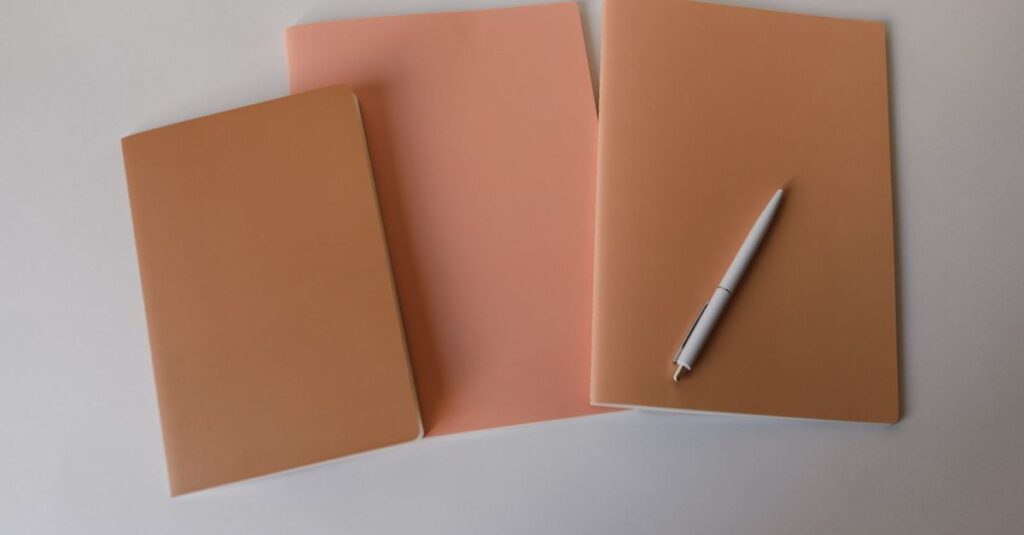
But — and this is a big but — when a manufacturer says “A4 size notebook,” they might just mean the cover. The actual writing pages inside? They can be a gamble. Some use true A4 paper. Others use paper that’s close but trimmed differently to save costs. You need to ask. Don’t assume.
The Real-Life Test
I was on a factory floor last month in Rajahmundry. Hot, humid, the smell of paper and glue in the air. The foreman showed me two notebooks, both labelled A4. One had pages that lined up flush with the cover. The other had a 2mm lip all the way around — the pages were smaller. “It saves a few paise per book,” he shrugged. That few paise is the difference between a notebook that feels premium and one that feels like an afterthought. Which one would you want your company logo on?
Right.
Why Everyone From Schools to Corporates Wants A4 Notebooks
It’s not an accident that this size dominates institutional orders. Think about the use case. A student needs space for diagrams in a science notebook, or margins for a teacher’s corrections. An accountant needs room for ledger entries. A project manager needs to sketch out timelines. The A4 page gives you that real estate without being unwieldy like an A3 ledger.
For bulk buyers, the standardization is the killer feature. You’re not mixing and matching different page sizes. Your storage, your packaging, your distribution — it all flows from having one consistent dimension. It simplifies your life in a way that few things in procurement actually do.
But the demand creates a problem. Because everyone wants them, every factory makes them. And quality… well, it slips. You get paper so thin you can see the next page’s writing ghosting through. You get binding that gives up after a month. The search becomes less about finding an A4 notebook and more about finding one that doesn’t embarrass you when you hand it over.
Honestly? Most of the complaints I hear aren’t about size. They’re about everything else that comes with it. Which is why the next part matters more.
The Hidden Specs That Matter More Than The Size
If you only look at the dimensions, you’re buying blind. Here’s what you should be asking for, every single time.
- Paper GSM (Grams per Square Meter): This is thickness. For a decent A4 notebook that won’t bleed ink, you want at least 70 GSM writing paper. 80 GSM is better. I’ve seen schools try to save money with 60 GSM and the pages tear, the writing shows through. It’s a false economy.
- Binding Type: This is how it holds together. Spiral binding is great for lying flat but can snag in bags. Perfect binding (glued spine) looks clean but can crack if you force it open too wide. Stitched binding (saddle-stitched) is durable for everyday use. For a school notebook that gets thrown around, I’d lean towards stitched every time.
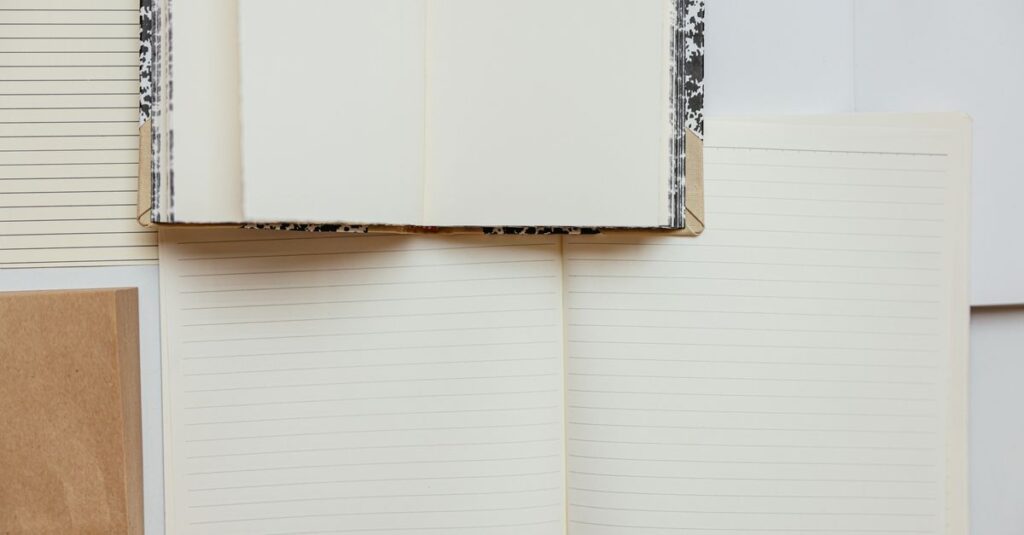
- Ruling: Single ruled? Double ruled? Broad for younger kids, college ruled for older? This seems small, but it dictates the notebook’s entire function. Order the wrong ruling and the whole batch is useless.
- Cover Stock: A flimsy card cover bends in the backpack. A 250 GSM+ art paper cover with lamination will last the term. It’s the first thing people touch. It sets the expectation.
I think the biggest mistake buyers make is treating these specs as a checklist. They’re not. They’re a story about how the notebook will be used. A corporate diary needs a heavier cover and maybe a ribbon bookmark. A student’s rough book needs tougher paper. A4 is just the stage; everything else is the performance.
Seeing the full range of options in one place makes this comparison a lot easier, trust me.
A4 Notebook vs. Other Common Sizes (The Real Comparison)
Let’s get practical. You’re choosing notebooks for an institution. Is A4 always the right call? Here’s a blunt breakdown.
| Feature | A4 Size (210×297 mm) | Long Size (272×171 mm) | Account Book (339×210 mm) |
|---|---|---|---|
| Primary Use | General purpose, reports, student notes, office work | Note-taking, portability, school essays | Ledgers, financial records, large spreadsheets |
| Bulk Order Fit | Excellent. Standardized for easy storage & packing. | Good, but varied dimensions can complicate pallets. | Poor. Large & awkward, requires special handling. |
| Cost Per Unit | Moderate. High demand keeps prices competitive. | Often lower (less paper). Common for budget school orders. | Higher. More paper, specialized ruling increases cost. |
| Perceived Value | High. Feels substantial, professional. | Standard. The “default” notebook feel. | Specialized. Signals a specific, important use. |
| Customization Ease | Very High. Printers & manufacturers are set up for it. | High. Common size for branded notebooks. | Lower. Less common, may involve setup fees. |
The table makes it obvious, right? A4 wins on flexibility. It’s the workhorse. The long size is the commuter car — gets you there. The account book is the truck — you only need it for heavy lifting. For most institutional buyers covering multiple needs, A4 is the safest, most scalable choice. It’s the one size that rarely gets sent back with a “why did you order this?” note attached.
Expert Insight
I was reading an old trade journal recently — one of those thick, dusty things from the 90s. There was a quote from a stationery wholesaler in Chennai that stuck with me. He said, “We don’t sell paper and binding. We sell confidence. A teacher needs confidence the pages won’t fall out. A manager needs confidence the notes won’t fade. A buyer needs confidence the order will be right.” I don’t have a cleaner way to put it than that. The A4 size is just the container for that confidence. If the container is poorly made, the confidence leaks out. Fast.
How Bulk A4 Notebooks Are Actually Made (And Where It Can Go Wrong)
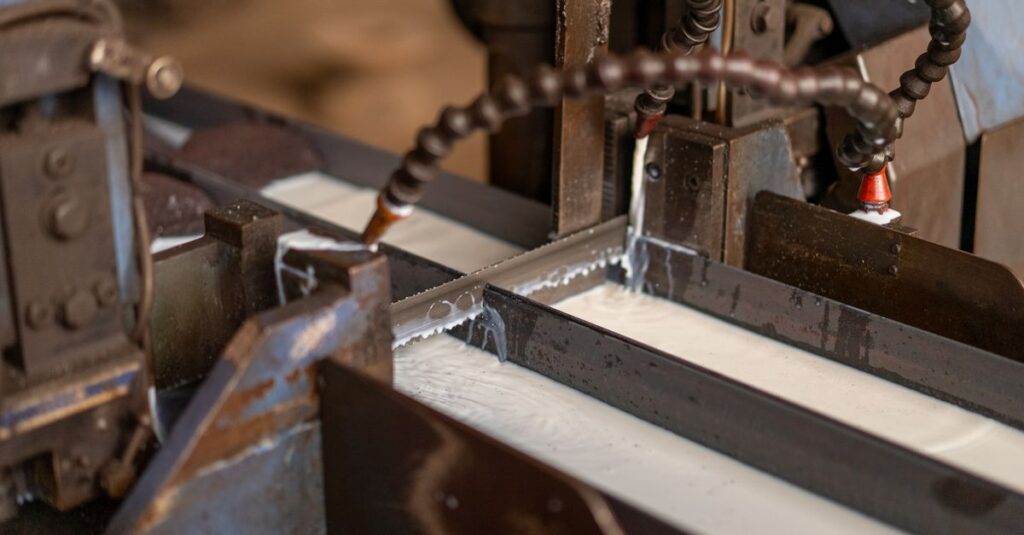
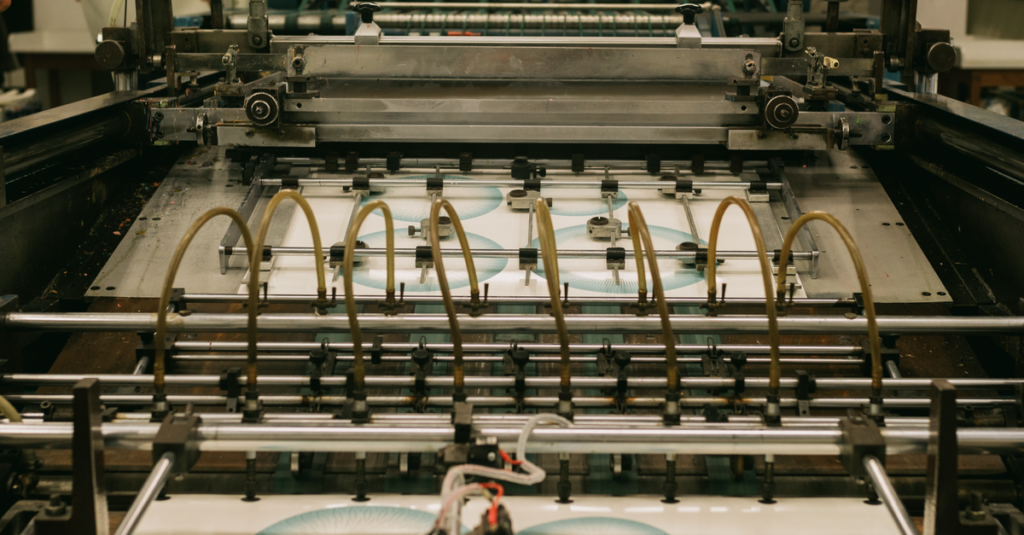
People picture a simple process: cut paper, staple, add cover. It’s not. For a proper A4 notebook, the paper reels come in specific widths to minimize waste when cutting to 210mm. The sheets are collated, folded, stitched, then trimmed on three sides. That final trim is critical — it’s what gives you that clean, flush edge. A cheap manufacturer will skip steps here. They’ll use poorly aligned cutting blades, resulting in ragged edges or inconsistent sizing.
The binding. This is where most bulk notebooks fail prematurely. For a run of 10,000 books, the stitching machine has to be calibrated perfectly. Tension too loose? The stitch pops. Too tight? It cuts the paper. I’ve seen batches where the stitching thread was subpar polyester that degraded in humid monsoon weather. By October, the books were shedding pages.
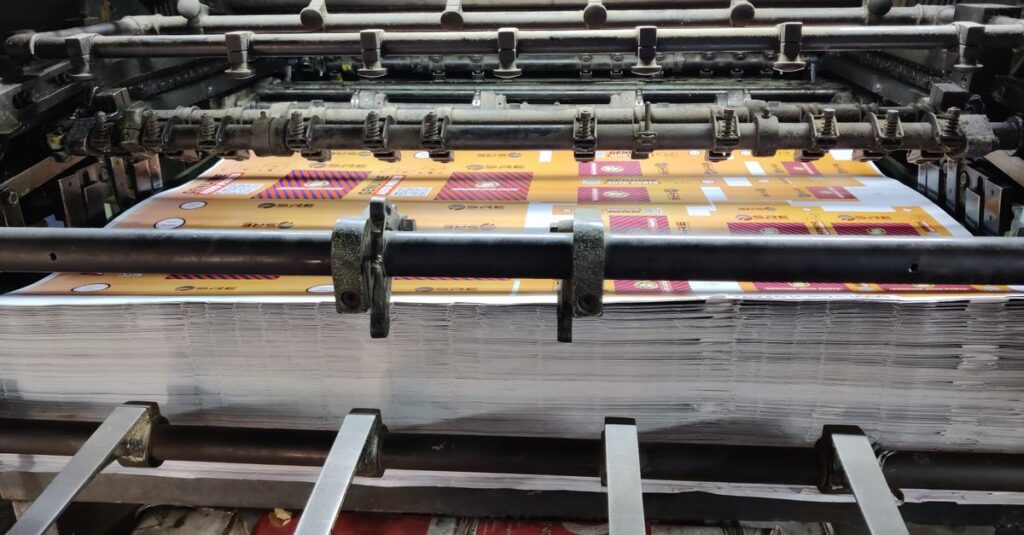
And the cover printing? If you’re doing custom logos for a corporate order, the print registration has to be spot-on. A blurred logo or off-center text makes your whole company look sloppy. A good manufacturer will do a press check, running a few samples to get the alignment and color perfect before the full run. A bad one just hits print.
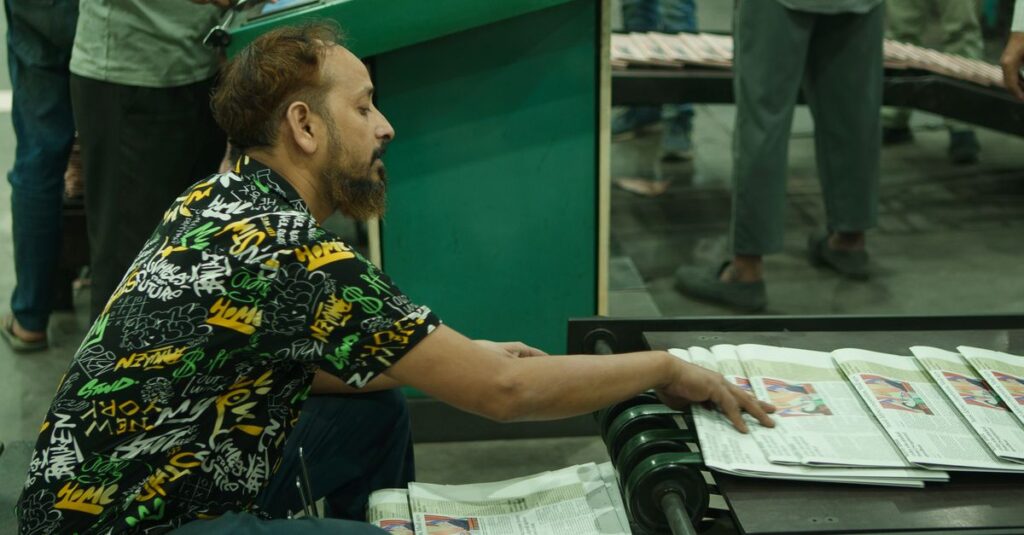
This is the part you never see in a product catalog. The difference between a factory that cares and one that just wants to move units. You can’t tell from a price quote. You have to ask about their process, or better yet, see who’s been doing it long enough to have it down to a science.
Finding the Right A4 Notebook Supplier (Not Just the Cheapest)
Your checklist shouldn’t just be price and delivery time. Here’s what to actually vet:
- Ask for physical samples. Not just a photo. Feel the paper. Try to tear a page from the middle. Open it flat. Does the spine crack?
- Request a manufacturing capacity report. Can they handle your order volume without outsourcing? Outsourcing means less quality control.
- Inquire about paper sourcing. Do they use certified paper mills? This matters for consistency and for tenders with environmental criteria.
- Check their customization capability. If you need your school crest on the cover in two colors, can they do it cleanly? Ask to see previous work.
- Talk about packaging. How will 5000 notebooks be packed for shipment? In sturdy boxes, or just shrink-wrapped on a pallet? Damage in transit is your loss.
Look, procurement is about risk mitigation. The cheapest supplier carries the highest risk of something going wrong — delayed shipment, wrong specs, quality rejects. Your job is to find the supplier whose risk of messing up is lowest. That usually isn’t the guy with the rock-bottom price. It’s the one who can explain his process, show you his factory, and has been around long enough to have fixed his mistakes already.
Anyway. The point isn’t to make this seem complicated. It’s to give you the questions so you don’t end up with the complicated problem of 10,000 unusable notebooks sitting in your warehouse.
Frequently Asked Questions
Is A4 the same as foolscap size?
No, they’re different. Foolscap is an older British paper size, roughly 203mm x 330mm. It’s taller and narrower than A4 (210mm x 297mm). Most Indian manufacturers have shifted to the ISO A-series (A4, A5) as the standard, so you’ll find more options and better bulk pricing on true A4 size notebooks.
What is the best paper GSM for an A4 school notebook?
For everyday school use, 70-75 GSM paper is the sweet spot. It’s thick enough to prevent ink bleed-through from pens or markers, durable enough to handle erasers, but not so heavy that it makes the notebook bulky or overly expensive. For rough work or drawing, you might go up to 100 GSM.
Can I get A4 notebooks with custom covers for my business?
Absolutely. Most reputable manufacturers, especially those exporting or working with corporates, offer full custom A4 notebook printing. This includes your logo, brand colors, and even custom interior layouts (like specific header/footer designs). Always order a physical proof before the full production run to check colors and alignment.
What’s the minimum order quantity (MOQ) for custom A4 notebooks?
It varies wildly. For standard A4 notebooks with a simple one-color logo print, MOQs can start at 500 pieces. For more complex multi-color covers or unique rulings, expect MOQs of 1000-2000 pieces. For truly bespoke projects (unique size trims, special paper), it could be 5000+. Always ask upfront.
Are A4 notebooks suitable for legal or official documentation?
Yes, in many contexts. A4 is the standard business and administrative paper size across most of the world (except North America). For official minutes, reports, or contracts, A4 notebooks with numbered pages and hardbound covers are commonly used. Just ensure the paper is acid-free for long-term archiving if needed.
So, What Now?
You started with a simple question: what is A4 size? But you were never really just asking for dimensions, were you? You were asking how to buy the right thing. How to avoid the headache of a bad bulk order. How to get something that reflects well on your school or your company.
The answer isn’t in the millimeter. It’s in the GSM, the stitching, the supplier’s reputation, and the sample you hold in your hands before you sign anything. A4 is just the box. You need to know what’s reliably packed inside it.
I don’t think there’s one perfect supplier for everyone. Probably there isn’t. But if you’ve read this far, you already know the red flags and the right questions to ask. You’re just figuring out who has the answers that don’t sound like a sales pitch.
The next step is the easiest one: start conversations with the people who make the things. Ask them the hard questions. Their answers will tell you everything.