You need notebooks. Maybe a thousand of them. Maybe ten thousand. And you need them fast.
You’re on the phone with a supplier, trying to explain the logo placement, and they’re talking about ‘plates’ and ‘minimum runs’ and a lead time that makes your calendar weep. I’ve been that person on the other end of the line, trust me. For forty years, we’ve been making notebooks at Sri Rama Notebooks, and the question I get asked more and more isn’t just “Can you make these?” It’s “How fast can you make them?” And that’s where digital printing walks into the room.
Look, in the notebook world, there are two main ways to get ink on paper: the old-school way (offset printing) and this newer, faster kid on the block (digital printing). Digital printing is the tech that lets you print directly from a computer file onto your notebook cover — no physical plates, no massive setup. It’s a game-changer for certain orders, and a total headache for others. If you’re a procurement manager for a corporation, a school administrator, or someone looking for private label notebooks, you need to know the difference. Because getting it wrong costs you time, money, and a lot of headaches. If this sounds like your last vendor meeting, keep reading.
So, What Exactly IS Digital Printing for Notebooks?
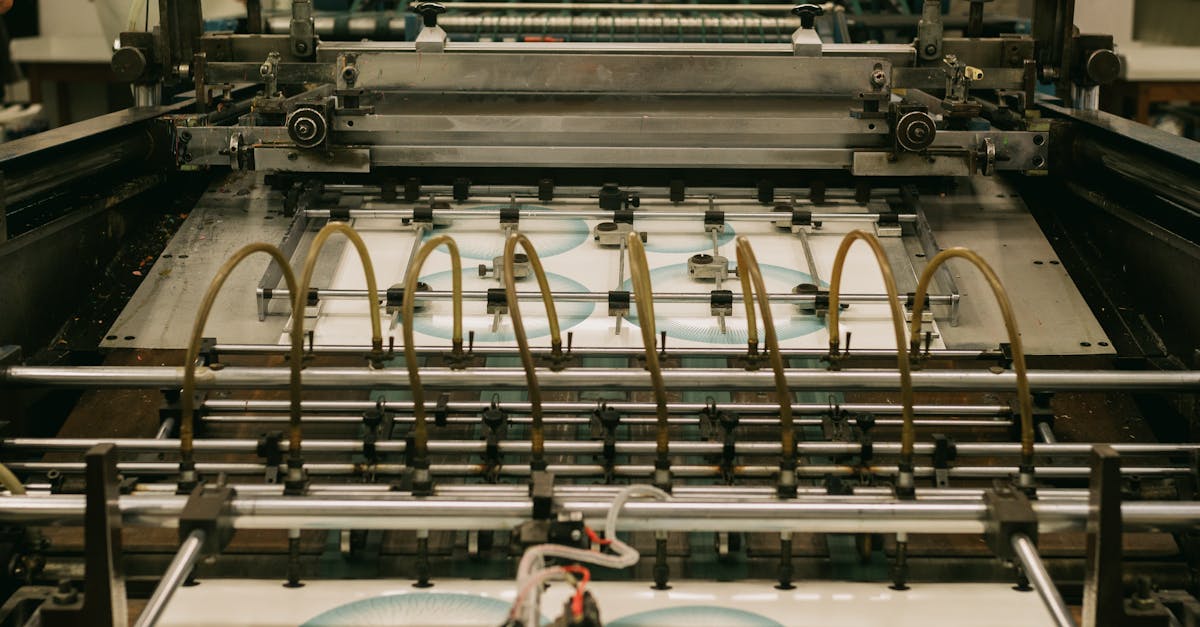
Forget the machinery for a second. Think of it this way: you have a design file on your laptop. A corporate logo, a school mascot, some fancy graphics for a brand launch. With digital printing, that file goes straight to the printer, which is basically a highly sophisticated, industrial-grade version of your office printer. It uses toner or liquid ink, applies it directly to the paper or cover material, and bam — your custom cover is done.
The biggest thing? There are no plates. In offset printing, you need to create a physical metal plate for every single color in your design. It’s precise, it’s beautiful for huge runs, but setting it up is slow and expensive. Digital skips that step entirely. The real advantage here isn’t just speed — it’s flexibility. Need to change the serial number on each diary in a batch? You can. Want to print 50 completely different designs for a test market? No problem. The machine doesn’t care; it just prints what the file tells it to, one after the other.
It’s perfect for the world we live in now, where campaigns launch overnight and inventory needs to be lean. But — and this is a huge but — it’s not magic fairy dust for every single job.
The Real-World Trade-Off: Speed vs. Cost Per Unit
Here’s where most people get tripped up. They hear “fast and flexible” and think it must be cheaper. Nine times out of ten, it’s not. Not for the actual printing cost per notebook.
Think of it like taking a taxi versus a bus. The taxi (digital) picks you up right now, takes your exact route, and gets you there fast. But mile for mile, it costs more. The bus (offset) has a fixed route and a schedule, but once it’s rolling and full of people (or notebooks), the cost per person plummets. Digital printing’s cost per page is relatively fixed, whether you print one or one thousand. Offset has a high upfront cost for those plates and setup, but once that’s paid, churning out ten thousand more notebooks costs pennies.
I was talking to a stationery distributor from Hyderabad last month — over coffee, actually — and he was furious. His previous supplier had used digital for a 20,000-unit school notebook order. The quote looked okay initially, but the final bill was a shock. The per-notebook cost was astronomical compared to what he was used to. He didn’t know to ask. That’s the part nobody says out loud: your supplier might default to digital because it’s easier for *them*, not because it’s better for *you*.
A Quick, Real Person
Priya, 38, handles procurement for a chain of coaching institutes in Bangalore. She needed 5,000 custom notebooks for a new course launch in three weeks. Each batch needed a different subject code on the cover. Her old manufacturer said “impossible” with their offset setup. She found us, we ran it digital, and she had the notebooks in 12 days. She didn’t need a million copies; she needed specificity, fast. That’s the sweet spot.
Digital vs. Offset: The Notebook Showdown
Okay, let’s make this crystal clear. You’re deciding between two technologies. Here’s how they stack up, side-by-side.
| Factor | Digital Printing | Offset Printing |
|---|---|---|
| Best For Quantity | Short runs (1 – 5,000 units) | Long runs (5,000+ units) |
| Setup Time & Cost | Very low. Print directly from file. | High. Requires plate creation. |
| Cost Per Unit | Higher, stays consistent. | Lower for large quantities. |
| Turnaround Time | Very fast (days). | Slower (weeks), due to setup. |
| Customization | Excellent. Variable data (names, codes) is easy. | Poor. Fixed design for the whole run. |
| Color Brilliance & Consistency | Good, but can vary slightly. | Superior, extremely consistent. |
| Paper/Finish Flexibility | More limited on paper types and special finishes. | High. Works on any paper, with foiling, embossing, etc. |
The table tells the story, but the plot twist is in your project brief. Are you doing a one-time corporate gift for 500 employees? Digital. Are you supplying a government tender for 100,000 standard student notebooks? Offset, no question.
When Digital Printing Is Your Best Friend (And When It’s Not)
Let’s get practical. Based on the types of buyers I talk to every single day, here’s who should be leaning into digital printing for their notebooks.
- Corporate Buyers with Tight Deadlines: You have a quarterly meeting, a product launch, a conference. You need 500-2000 branded diaries or notebooks with your new theme, and you needed them yesterday. Digital is your lifeline.
- Schools & Colleges Testing New Designs: Want to pilot a new notebook style with a special cover for one grade before committing to a full year’s order? Print a few hundred digitally, get feedback, then go offset for the big order.
- Startups and Brands Doing Private Label: You’re building your brand. Your first order might be small — 1,000 to 3,000 notebooks to stock your online store. You can’t commit to 20,000 units. Digital lets you start small without huge upfront costs.
- Any Order Requiring Personalization: This is the killer app. Award notebooks with each student’s name. Sales team diaries with individual targets printed on the cover. Digital handles this effortlessly; offset simply can’t.
Now, when should you run the other way? When you need absolute, rock-bottom lowest cost per unit on a giant order. When you require special metallic inks, spot UV, or embossing. When color matching across a decade of re-orders is non-negotiable. For that, you go offset. It’s about using the right tool for the job, and after four decades, we’ve learned you need both tools in your shed.
Expert Insight
I was reading an industry journal last month and one line stuck with me. A production manager from a big press said something like — the shift to digital isn’t about replacing offset; it’s about filling the gaps that offset can’t. It’s turning printing from a manufacturing problem into an information problem. I don’t have a cleaner way to put it than that. The constraint is no longer the machine; it’s the clarity of your digital file and the specificity of your need. Which is… a lot more responsibility for the buyer, honestly.
FAQs: Digital Printing for Notebooks
Frequently Asked Questions
What’s the minimum order quantity (MOQ) for digital printing on notebooks?
This is the best part. With digital, MOQs can be as low as 100 notebooks, sometimes even less. It’s perfect for testing a market, small corporate gifts, or a startup’s first run. The barrier to entry is much lower than traditional offset printing.
Is the print quality from digital printing durable?
Yes, modern industrial digital printers use toners or inks that are fused into the paper with heat. They’re smudge-resistant and durable for everyday use. However, for a notebook that will get thrown in a backpack daily for a year, a laminated cover (which we can do over the digital print) is always a good idea for extra protection.
Can I print full-color photographs on notebook covers with digital?
Absolutely. Digital printing excels at full-color, photorealistic images. This is a huge advantage for brand storytelling, portfolio covers, or any design that uses complex gradients and detailed imagery. Offset can do it too, but the setup is more involved.
How do I prepare my design file for digital printing?
You’ll need a high-resolution PDF, usually 300 DPI (dots per inch), with all fonts outlined and images embedded. Most manufacturers will have a template with bleed and safe zones for your specific notebook size. The key is to ask your supplier for their exact specs before you finalize the design. It saves everyone time.
My order is 8,000 notebooks. Should I use digital or offset?
This is the grey zone. At 8,000 units, you need to get a quote for both methods. Offset will likely have a lower per-unit cost, but a longer lead time and higher setup fee. Digital will be faster but with a higher per-unit cost. The deciding factors are your timeline and budget. Always ask for both quotes.
Look, It’s Not About The Tech. It’s About Your Problem.
At the end of the day — and I see this all the time — people get obsessed with the ‘how’ before they’ve nailed the ‘what’. What do you actually need? Is it speed? Is it the lowest possible cost on a massive scale? Is it the ability to make every single item slightly different?
Digital printing is a tool. A really, really good one for certain jobs. It’s broken open the market for small, custom, urgent orders. But it hasn’t made offset printing obsolete, not by a long shot. The real skill now, whether you’re buying or manufacturing, is knowing which lever to pull and when. I don’t think there’s one answer here. Probably there isn’t. But if you’ve read this far, you already know the shape of your problem — you’re just figuring out which solution fits it without breaking the bank or the calendar.
If you’re trying to match a need to a method right now, that’s the conversation we should be having. Bring your numbers, your deadline, and your design. We’ll figure out the how.