You Googled “Photocopy Near Me.” Let’s Talk About What You Actually Need
Right. So your office needs a hundred training manuals. Or the college needs five thousand exam booklets. The first thought that hits you — maybe the only one — is to find a photocopy shop nearby.
You pull out your phone. You type those words.
But here’s the thing nobody at the shop tells you: when your order crosses a certain number, the economics shift. Suddenly, paying per copy for binding, for paper, for cover pages… it adds up in a way that feels almost silly. You’re not buying a few copies of a report; you’re commissioning a product.
If you’re ordering in bulk for a school, a corporation, or a government tender, the “photocopy near me” route starts to look less like a solution and more like a headache. That, actually, is what most of our corporate clients realize right before they call us. They need notebooks. Not copies. If that sounds familiar, this might be a better starting point.
Why Your Brain Goes Straight to ‘Photocopy Shop’
I get it. It’s familiar, it’s local, it seems fast. There’s a guy. He has a machine. You give him a file. You get a stack of paper.
But I want you to think about what that process doesn’t give you.
It doesn’t give you control over paper quality — you get whatever 70 GSM stock he has that day. It doesn’t give you binding that lasts more than a semester. And it definitely doesn’t give you a cover that looks anything but cheap and generic. For internal memos? Fine. For a corporate training program you want to look polished? For branded school merchandise? Not a chance.
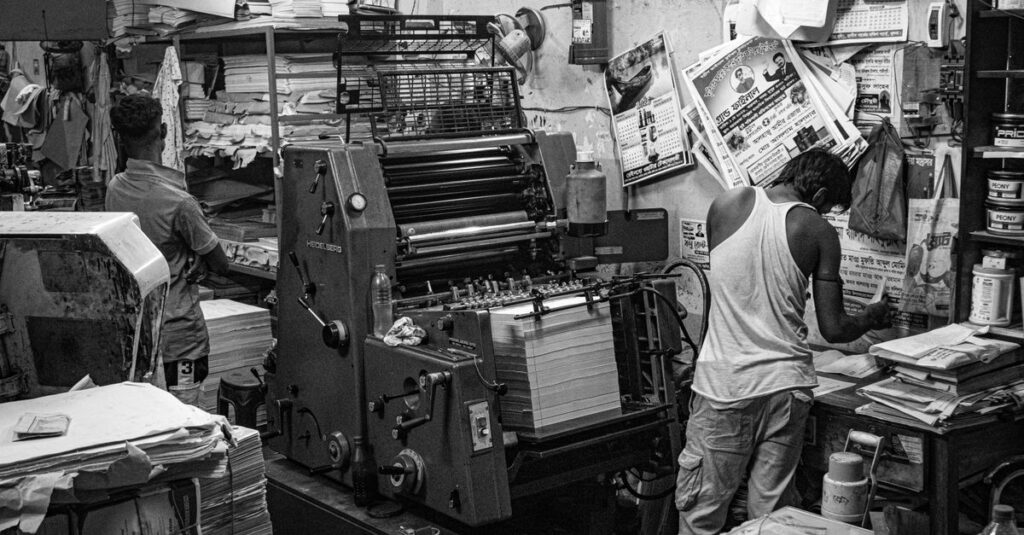
You know what the biggest red flag is? When you ask for 500 copies and the guy behind the counter winces. That’s the signal. He’s thinking about his machine’s toner, his binding coil, his time. He’s a retail service, not a manufacturer. His costs go up linearly with every page. Ours don’t. Not in the same way.
Anyway. The point isn’t that photocopy shops are bad. They serve a purpose. But their purpose and your purpose for bulk needs have probably just diverged.
The Real Cost: The Math That Nobody Shows You
Let’s put some rough numbers to it. It’s messy, but it’s real.
Imagine you need 1,000 copies of a 100-page manual. At a typical commercial photocopy shop in a city, you might pay around ₹3-4 per page for volume printing and basic spiral binding. That’s ₹3,00,000 to ₹4,00,000 just for the production. The paper is standard, the cover is a flimsy plastic sheet, and the binding is the same grade used for college project reports.
Now, the same 1,000 units, manufactured as proper A4 notebooks? With stitched binding for durability, a custom-printed glossy cover with your logo, and higher GSM paper that doesn’t bleed? The unit cost drops significantly because we’re not operating a retail machine. We’re running an assembly line designed for this exact thing.
The difference isn’t just in the invoice total. It’s in what lands on the user’s desk. One feels disposable. The other feels deliberate. Which impression are you paying for? A better unit price often comes with a better product, if you know where to look.
Quick Example: A Real Choice
Rahul, 42, procurement manager for a mid-sized tech firm in Hyderabad. Needed 800 workshop notebooks for a new hire batch. Got a quote from a big photocopy chain: ₹3.5 lakhs, 10-day turnaround. The samples looked… fine. Generic.
Paused. Emailed us instead. We quoted 30% less for a better build. Custom front cover with the company’s branding, better paper, stitched binding. He was confused at first. “I just need copies of this template.” We explained we’d manufacture the notebook with his template as the interior page design. He got it. The notebooks were a hit. He told me later the Finance head actually complimented them. That never happens.
Simple shift. Big difference.
When It’s a Photocopy Job vs. a Manufacturing Job
So how do you know which camp you’re in? It’s not just about quantity, though that’s a huge part. It’s about intent.
- Photocopy Job: You need 5, 10, maybe 50 copies of an existing document right now. The content is unique to that moment (a report, a proposal). The binding and cover are an afterthought. Disposability is acceptable.
- Manufacturing Job: You need 200, 1000, 10,000 units of a standardized notebook. The interior layout (ruled, unruled, graph) is fixed and will be used repeatedly. You want durability. You care about the cover’s appearance and branding. You want a reliable unit cost for repeat orders.
If your project fits the second list, searching for a photocopy near me is sending you down the wrong path. You need a manufacturer. Not a copier.
Expert Insight
I was talking to a procurement head from a large Bangalore university last month. He said something that stuck. He told me his budget for “photocopying and printing” had ballooned over five years, but he couldn’t figure out why. We looked at a single line item: “5,000 Exam Booklets.”
Every year, they’d redesign the cover page in Word, print 5,000 copies on a laser printer in the admin office, and then pay students to staple them to blank page bundles. The labor, the toner, the paper waste, the inconsistency… it was a hidden factory of inefficiency. “We weren’t buying a product,” he said. “We were buying a hundred small headaches and calling it a process.” They switched to ordering pre-manufactured, custom-printed exam booklets from us. The cost per unit dropped, the quality shot up, and his annual “photocopy” budget? It actually made sense now.
Manufacturing 101: What You’re Actually Buying
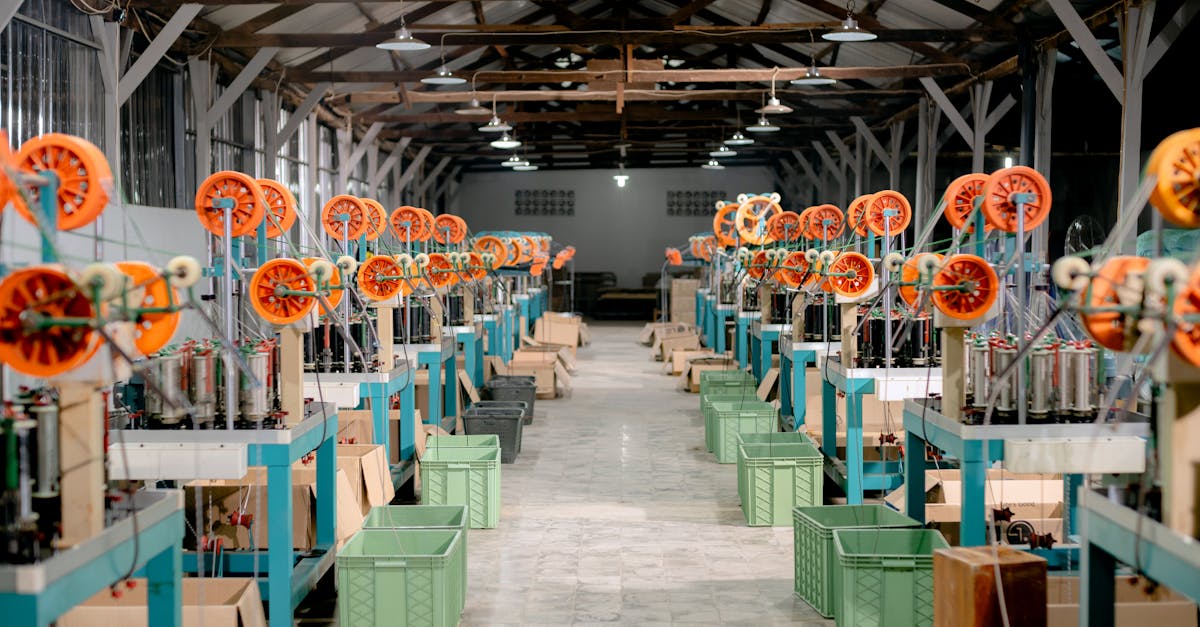
Let me break down what happens here that doesn’t happen at a copy shop. I think a lot of people imagine a giant photocopier. It’s not that.
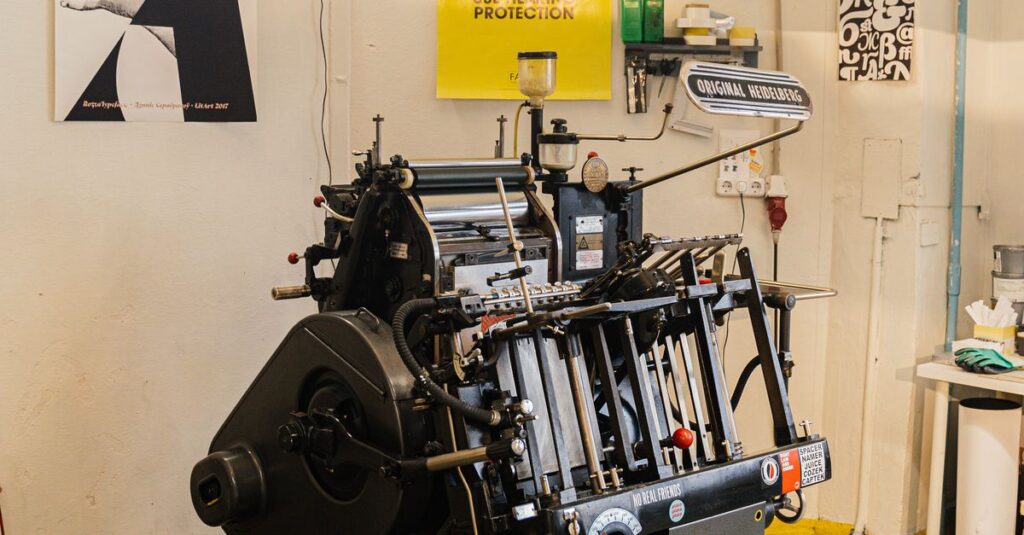
We start with massive rolls of paper — like, industrial-scale rolls. They’re fed into a web press for the interiors, printing 16, 32 pages at a time in one go. The ruling (lines, grids) is often printed as part of this. Then it’s folded, gathered into sections (called “signatures”), and stitched together with thread. This is stitched binding — it’s what makes a notebook lie flat and not shed pages. The cover is printed separately, often on thicker card, and then wrapped and glued.
A photocopy machine is taking your pre-printed single sheet, duplicating it, and then mechanically punching and coiling it. Every step costs per page. Our process is about throughput. The cost structure is completely different. The outcome is a notebook, not a bound stack of copies.
This also means we can offer things a copy shop can’t: different paper GSM weights (like our smooth 54gsm writing paper), specific rulings (single, double, four-ruled for kids), page counts (52, 92, 200, 240… ), and binding types (stitched, spiral, perfect). Once you see the options, you stop thinking in terms of ‘copies.’
Photocopy vs. Manufactured Notebook: A Side-by-Side
| Feature | Commercial Photocopy Service | Bulk Notebook Manufacturer |
|---|---|---|
| Best For | Urgent, small-batch, one-time documents | Standardized, high-volume, repeatable notebook needs |
| Cost Model | Cost per page / per copy. High per-unit cost for bulk. | Cost per finished unit. Price drops significantly with volume. |
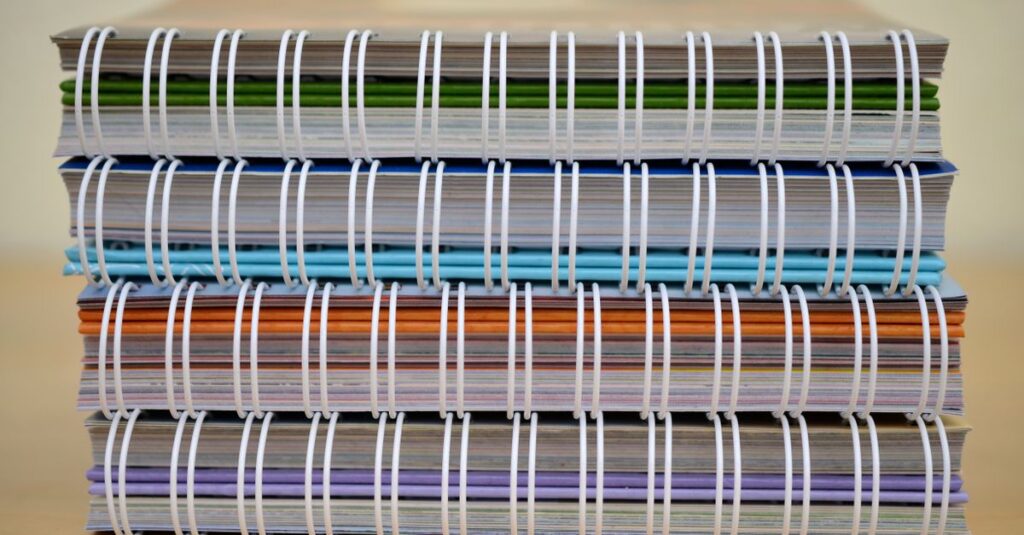
| Binding Durability | Basic spiral/comb or staple. Can snag, pages tear out. | Thread-stitched or perfect binding. Lies flat, lasts years. |
| Paper & Cover Quality | Limited, standard stock. Thin covers. | Choice of GSM, opacity, finish. Thick, custom-printed covers. |
| Customization & Branding | Minimal. Usually just a printed first page. | Full custom cover design, logo, interior layout, page rulings. |
| Scale | Machine-limited. 1000s of copies is a major job. | Factory-scale. 30,000-40,000 units/day is standard capacity. |
| Environmental Impact | High. Often uses single-sheet paper, more energy per page. | Lower per unit. Uses large paper rolls, efficient high-speed printing. |
The Hidden Question in “Photocopy Near Me”
Look, I’ll be direct. When a business, school, or institution searches for that phrase for a bulk need, they’re usually asking the wrong question.
They’re not looking for a location on a map. They’re looking for a solution to a problem: “I need many professional, consistent, durable copies of this thing.”
And the solution to that problem, past a certain scale, is almost never a photocopy service. It’s a manufacturing partner. The shift is mental. You’re not ordering a service; you’re procuring a product. You move from reactive (“We need this next week!”) to strategic (“We need 5,000 of these every quarter”).
I’ve had this conversation hundreds of times. The relief is palpable when people realize there’s a different way that saves money, looks better, and is less stressful to manage. The real work is recognizing which side of the line you’re on before you spend the budget.
Frequently Asked Questions
Frequently Asked Questions
At what quantity does manufacturing become cheaper than photocopying?
It depends on page count and specs, but as a rough rule, if you need more than 200-300 identical units (like training manuals or exam booklets), manufacturing almost always wins on price and quality. For simple 50-page notebooks, the crossover point can be as low as 100 units.
Can you print custom content inside each manufactured notebook, or is it only ruled pages?
Absolutely we can. That’s a common mix-up. We’re not just selling blank notebooks. We can print any custom content — text, logos, forms, training material — as the interior pages. You send us the PDF, we treat it as the master for the entire print run. It’s more efficient and higher quality than photocopying each one.
What’s the main benefit of stitched binding over spiral binding from a copy shop?
Durability and professionalism. Spiral/comb binding from a copy shop uses plastic or wire that can bend, snag, and pop out. Thread stitching is inside the spine, so it’s protected. The book lies perfectly flat, pages don’t fall out, and it just feels more substantial. It’s the standard for quality notebooks for a reason.
We need notebooks with our company logo. Can you do that?
That’s our specialty. We do private label and OEM manufacturing all the time. Your logo can be printed on the cover, on every page header, anywhere. We handle the full custom cover design and printing as part of the manufacturing process, so it looks seamless and professional, not like a sticker or a last-minute add-on.
How long does it take to manufacture bulk notebooks vs. getting them photocopied?
For a rush job of 50 copies, the photocopy shop is faster. For an order of 1,000+, manufacturing is often more reliable on timeline. A big photocopy job clogs their retail machine; it’s a headache for them. For us, it’s a standard production run with a set schedule. Typical lead time for a bulk custom order is 2-3 weeks, which is usually comparable to or better than a large copy shop scrambling to fulfill a huge order.
So What Now?
If you read this far, you probably aren’t just looking for a photocopy shop. You’re looking for a result.
The takeaway is simple: there are two different tools for two different jobs. The photocopier is for the one-off, the urgent, the temporary. The manufacturing line is for the standard, the bulk, the branded, the thing you want to last.
I don’t think there’s one perfect answer for every single order. But there is a smarter choice for most of the big, repetitive ones. The frustration of per-page pricing, of flimsy binding, of generic looks… it’s optional. You just have to stop thinking like you’re ordering copies, and start thinking like you’re building a product.
If your next bulk order is looming, maybe it’s worth a five-minute chat about what manufacturing it could look like. It might change how you see the whole thing.