Let’s Get Real About That Local Search
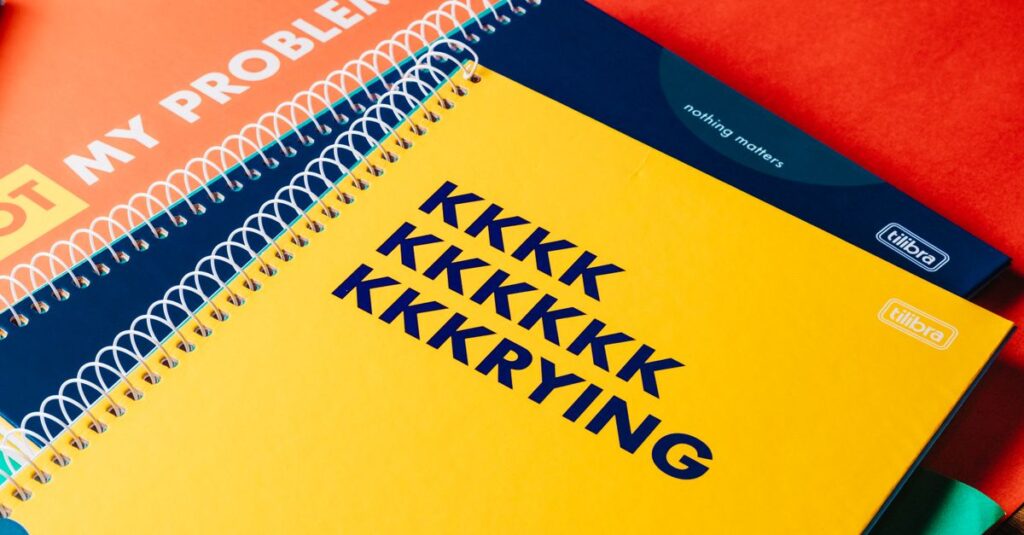
You sit there, deadline looming, coffee cold. The procurement dashboard is glaring at you. You need custom notebooks. Branded. Durable. For the upcoming conference, or the school year. Your brain does what everyone’s does: you type “press printing near me” into Google.
It feels right. Short lines of communication. Maybe you can even drive over and see the presses. Quick turnarounds, right? Support local business. All of that rings true. But here’s the thing a lot of procurement managers don’t say out loud — after 40 years in this game, I’ve seen it — local isn’t always a solution. Sometimes it’s just a comfort blanket. And that blanket can unravel when you’re dealing with 10,000 units, complex ruling specs, and a paper supply chain that’s global.
It’s not about distance. It’s about capability. The real question isn’t “who’s close?” It’s “who can deliver a perfect product, on time, without giving me a three-month headache?” If that sounds closer to your actual problem, this might be worth a look.
The Local Shop vs. The Factory Floor: What You’re Actually Getting
Okay. So you find a place. A print shop a few miles away. They have a nice website, maybe a digital press. You send them your logo. They send you back a quote for 500 spiral-bound notebooks. The price per unit makes you wince a little, but hey — they’re close. You can check on them.
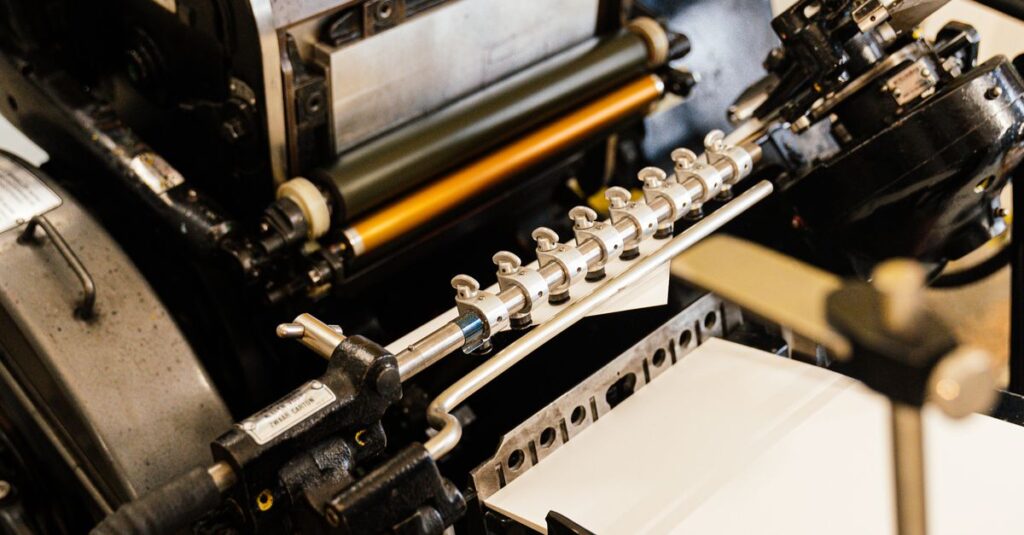
Here’s what most people I’ve spoken to don’t realize. That shop? They’re almost certainly a reseller. They don’t manufacture notebooks. They outsource the blank notebooks, then run your cover through a digital printer, bind it, and hand it to you. The paper quality? It’s whatever they could source that month. The binding? Probably fine for 500. For 5,000? The machine might struggle. The uniformity goes out the window. I’ve seen the samples — the tenth notebook feels different from the first.
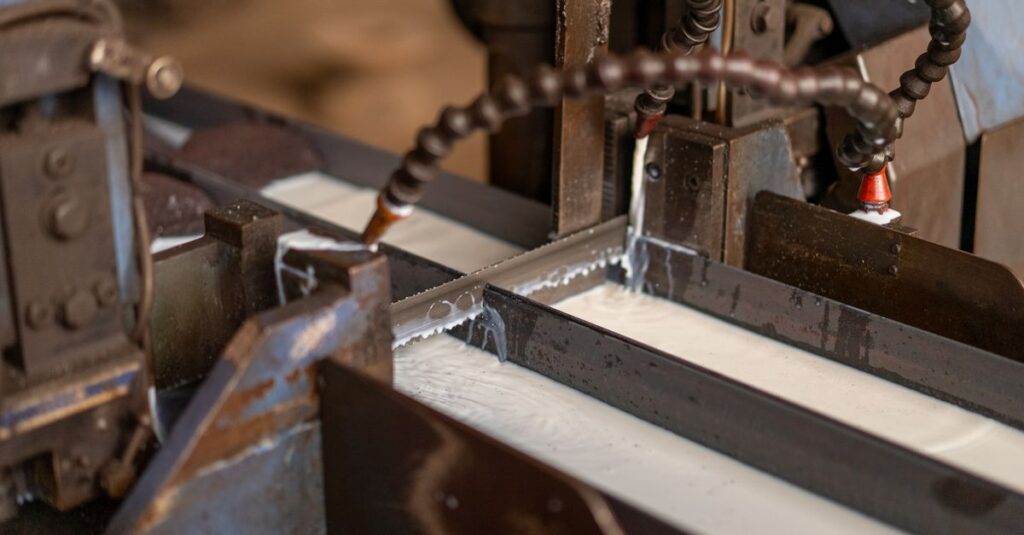
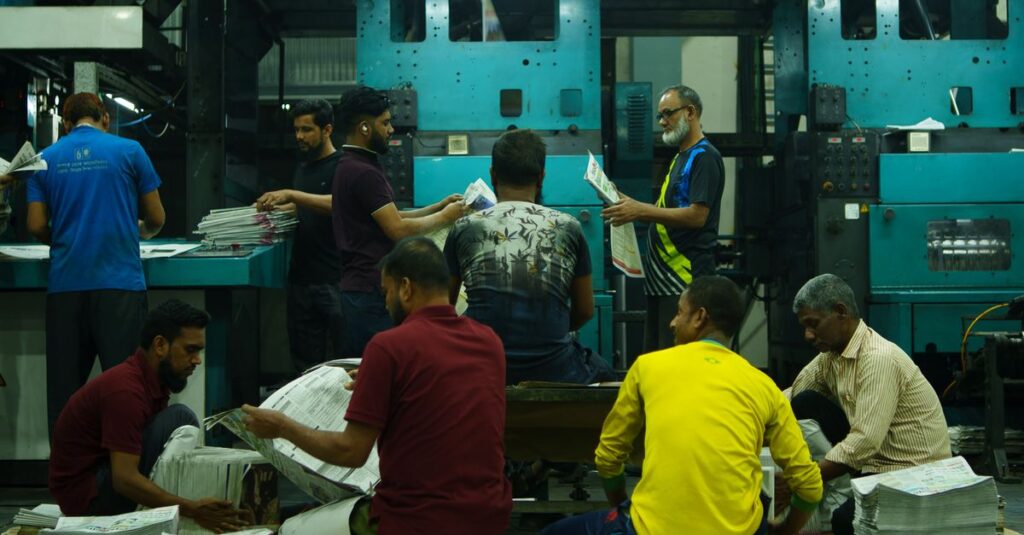
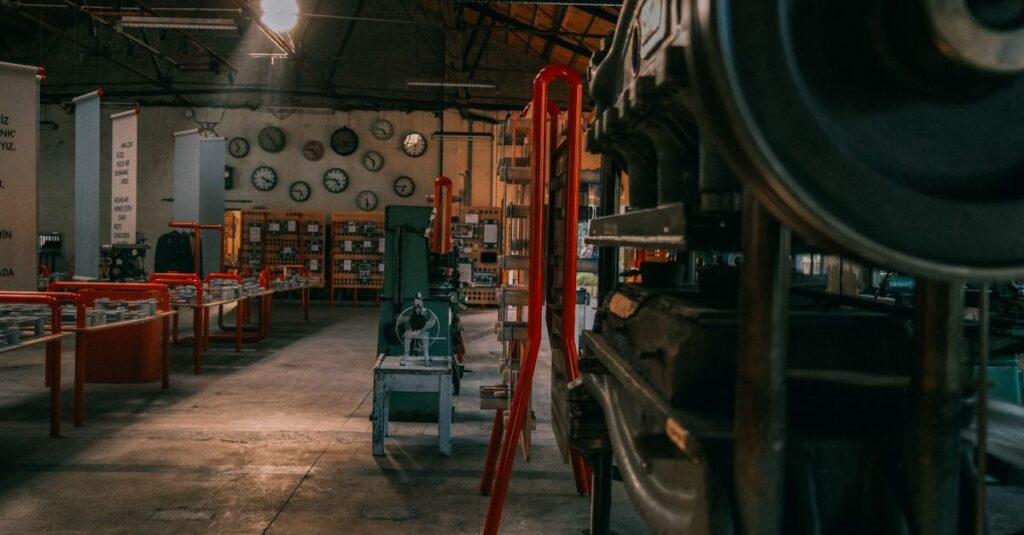
Now picture a manufacturing setup like ours. It’s not one press in a room. It’s a line. Paper rolls come in one end. Cutting, stitching or perfect binding, ruling, cover lamination, packing — it’s all integrated. When you order 30,000 notebooks, they’re all siblings from the same massive batch. Identical. That consistency is something a local printer, with all the good intentions in the world, physically cannot give you. Not their fault. It’s just a different beast.
The Hidden Costs of “Convenience”
We need to talk about money. Not just the price on the quote, but the cost of the entire process. The “headache tax.”
You get a local quote. It seems okay. You place the order. Two weeks in, they call. “Hey, the paper for the inner pages you wanted is out of stock. Our supplier says six weeks. But we have this other 48 GSM stock. It’s basically the same.” Is it? No. 54 GSM writing paper has a specific feel, prevents bleed-through. You’re now in a meeting you didn’t want, explaining to your boss why your corporate gift feels cheap.
Or the binding. You asked for perfect binding for a premium look. They say, “Our machine is down. We can do spiral?” You’re stuck. This is the daily reality of managing print with a shop that’s juggling wedding invitations, business cards, and your order.
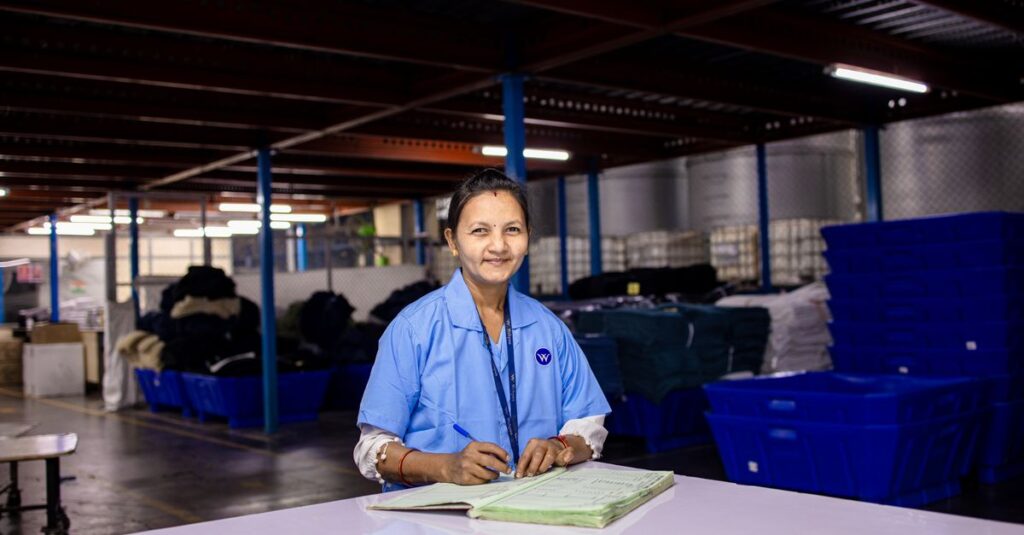
Compare that to a manufacturer with vertical control. The paper mill is a scheduled call. The binding wire is in the warehouse. The production capacity is 40,000 notebooks a day. Your order isn’t an exception; it’s Tuesday. The real convenience isn’t driving 20 minutes to yell at someone. It’s not having to yell at all.
A Real Thing That Happened
I was talking to a college administrator from Visakhapatnam last month. She’d used a local printer for years for their lab notebooks. The story was always the same — slight delays, one batch the lines were faint, another the covers curled. Just small stuff. Annoying, but manageable. Then one year, the printer simply closed shop two weeks before delivery. Vanished. Phone disconnected. She had 1,200 students starting classes in a month with no lab books. The panic was real. She found us, and we had the stock and capacity to turn it around. But she kept saying, “I was loyal to local. And it left me completely stranded.”
Loyalty matters. But so does reliability on a scale that matches your risk.
Beyond the Notebook: Thinking Like a Supply Chain Manager
This is where it shifts. You stop being someone buying a product and start being someone managing a supply line.
Look, I’ll be direct. When a government institution needs tender documents filled for 100,000 exercise books, or a stationery distributor needs consistent quarterly shipments across three states, “near me” is irrelevant. What’s relevant is: Can you handle the volume? Can you guarantee the spec sheet? Do you understand export documentation if we need to ship to Dubai? Do you have the product range — from A4 account books to pocket scribble pads — so I’m not dealing with ten different vendors?
Expert Insight
I was reading an industry report last year — boring stuff, but one line stuck with me. It said something like, ‘In bulk manufacturing, proximity is a logistical advantage, not a qualitative one.’ Don’t get me wrong. Logistics matter. But if the quality isn’t locked in first, all you’re doing is getting inferior products faster. A distributor in Delhi once told me his biggest cost wasn’t shipping from our factory in Rajahmundry. It was the returns and complaints from a batch of poorly bound notebooks he’d sourced from a “more convenient” local binder. That reshaped how I think about this whole “near me” question.
So, When Does “Local” Actually Win?
I’m not saying never use a local printer. That would be stupid.
They win in specific, limited scenarios. Tiny runs. I mean 50 copies of a community cookbook. Ultra-rush jobs where you need 100 simple pads tomorrow and you’ll accept any paper they have. Prototypes where you just need to see a color on cardstock. For that, they’re perfect. Essential, even.
But the moment your needs graduate — more than 500 units, specific paper weights (like our 54 GSM standard), specific binding for durability (stitched for school notebooks that get thrown in bags all year), custom rulings (four-ruled for junior classes, anyone?), branded corporate diaries — you’ve left their world. You’re now in manufacturing territory. And manufacturing isn’t about location; it’s about infrastructure.
| Consideration | Local Print Shop | Notebook Manufacturer |
|---|---|---|
| Core Business | Printing & small-run finishing | Paper conversion & high-volume notebook production |
| Volume Sweet Spot | 1 – 1,000 units | 1,000 – 1,000,000+ units |
| Paper Sourcing | Buying pre-cut sheets; limited stock choice | Direct from mills; rolls cut to specification |
| Binding Control | Outsourced or limited machine capability | In-house stitching, spiral, perfect binding lines |
| True Customization | Cover print & simple page rulings | Cover material, paper GSM, ruling type, page count, pack size |
| Price Driver | Markup on outsourced blanks + print labor | Raw material cost + integrated production efficiency |
| Risk Profile | Higher (single point of failure, supply chain volatility) | Lower (vertical integration, bulk material contracts) |
What To Actually Search For (Instead)
Your impulse is right. You need a supplier. You need trust. You need to not get burned. So change the search term.
Instead of “press printing near me,” which is what you type when you want a service, try the terms you’d use when you need a partner in a supply chain. Try “bulk notebook manufacturer India.” “Custom diary supplier for corporations.” “School notebook exporter.” “Private label notebook OEM.”
These terms signal a different intent. They attract businesses built for your scale. You’ll start seeing capacities, certifications, export histories, and client lists that include schools and ministries and big distributors. That’s your world. It’s not about geography; it’s about finding the right ecosystem for your order’s weight. The right partner makes the distance feel irrelevant. The wrong one, even if they’re next door, will feel a million miles away when things go wrong.
Frequently Asked Questions
Isn’t shipping from a manufacturer far away more expensive and slower?
Often the opposite. Manufacturers have optimized logistics for bulk. We ship full truckloads to hubs, which is cheaper per unit than a local shop sending multiple small couriers. And because production is planned, lead times are predictable. A local shop waiting on materials can delay you more than a scheduled 3-day transit from a factory.
Can I get samples before placing a large order?
Any reputable manufacturer will insist on it. You should get physical samples of the exact paper, binding, and print quality. This is non-negotiable for bulk. If a “local press printing near me” can’t provide a sample of a manufactured notebook, only a printed cover, that’s a huge red flag about what they’re actually making.
What if I have a problem with the order? It’s easier to complain face-to-face.
Honestly? A professional manufacturer fears a bad batch more than you do. Our entire business runs on repeat, large-scale orders. A single WhatsApp (+91-8522818651) or email to a dedicated manager gets faster resolution than showing up at a shop where the owner is dealing with a hundred small jobs. Systems beat proximity for accountability in bulk.
I need notebooks with my company’s complex branding. Can manufacturers handle that?
This is where they shine. Local shops are limited to digital print on pre-made covers. A manufacturer can handle custom cover materials, embossing, foil stamping, and even custom page headers or footers on every sheet. It’s the difference between slapping a sticker on a generic product and engineering the product itself around your brand.
Is there a minimum order quantity (MOQ) difference?
Huge difference. A local printer’s MOQ is low because they’re just printing. A manufacturer’s MOQ is based on the economics of setting up a production line—usually 1000+ units. But that’s why your per-unit cost plummets. You’re paying for the making, not just the printing. For bulk, that’s the only model that makes financial sense.
Finding the Right Partner, Not Just the Nearest Printer
Look. The search for “press printing near me” comes from a good place. You want control. You want visibility. You want to feel like you’re not just an order number. I get that. We all do.
But in bulk notebook manufacturing, that control doesn’t come from being able to drive to a unit. It comes from specificity in your order sheet, clarity in communication, and a partner whose entire existence is built to execute that sheet perfectly, every time. The visibility is in the daily production updates and the perfect-bound samples that arrive before the main shipment. You stop being an order number when your account manager knows your school’s academic calendar or your corporate launch date by heart.
So maybe the next search isn’t about location. Maybe it’s about finding someone who understands the weight of what you’re really asking for — not just ink on paper, but a reliable, quality product that represents your institution, your brand, or an entire year of a student’s work. That’s a different kind of proximity altogether. If you’re ready to think about your next notebook order in those terms, the conversation starts here.