The Corporate Notebook: Why 500 Pages is a Statement
You know the feeling. You get a request for quote from a big corporation or government office. It’s for diaries or record books. And somewhere in the specs, you see it: ‘500 pages minimum’. You pause. That’s not a notebook anymore. That’s a brick of institutional memory. That’s a year’s worth of meeting minutes, or a decade’s worth of financial ledger entries. Right?
This request doesn’t come from a student shopping for back-to-school. This is a procurement manager who’s tired of reordering every quarter. It’s a college administrator who wants a single book to last an entire academic track. It’s a wholesale distributor whose clients are asking for something heavier, more substantial, more permanent.
The search for a ‘500 pages notebook’ isn’t about stationery. It’s about supply chain efficiency, durability, and the silent expectation that some records just need to last. It’s a commercial search, wrapped in a simple product name. And honestly? Most people don’t realize how different the manufacturing process is for a book that thick compared to your standard 92-page school notebook. It’s a whole other beast. If you’re looking at a quote that includes these, it’s worth understanding what you’re actually buying.
What You’re Actually Buying: It’s Not Just Page Count
Look, I’ll be direct. When a buyer asks for ‘500 pages’, what they’re really saying is: ‘I need a notebook that won’t fall apart under heavy, daily use for a long, long time.’ The page count is just the most visible number. The real conversation is underneath.
Think about the physics of it. A standard 92-page notebook is maybe, what, a centimeter thick? Bind it, pack it, ship it. Easy. A 500-page notebook is pushing 5-6 centimeters. The spine has to hold that weight. The cover has to protect that bulk. The paper can’t be flimsy, or the whole thing sags. And the binding? If it’s a cheap staple job, the first time someone opens it flat on a desk, you’ll hear that ugly cracking sound. It’s over.
Here’s what actually matters when you spec a 500-pager:
- The Paper GSM: You can’t use 40 GSM paper. It’ll feel like tissue and bleed through. You need 54 GSM at a minimum, probably 60 GSM for premium corporate diaries. That weight adds up — literally — across 500 sheets.
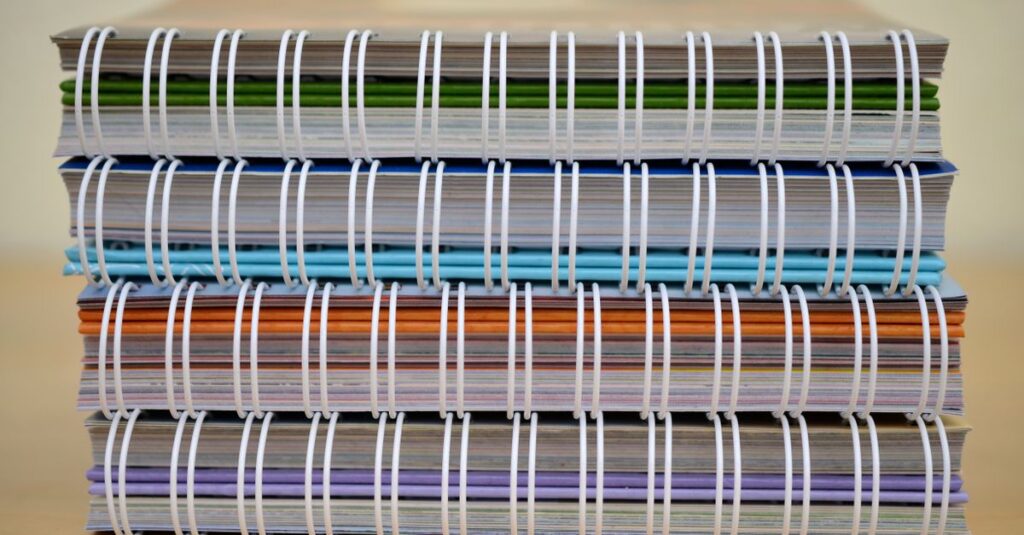
- The Binding Type: This is the make-or-break. Stitched binding (Smyth sewn) is the gold standard. It lets the book lie flat and lasts forever. Perfect binding (glued spine) is cheaper but risks pages falling out. Spiral binding works, but it feels less ‘formal’ for corporate ledgers.
- The Cover Board: Flimsy cardstock? Forget it. You need a hardcover or a seriously thick, laminated softcover. It’s the armor for all those pages.
The question isn’t ‘can you make it?’. It’s ‘will it survive its own purpose?’.
A Real-Life Thing That Happened
I was talking to a procurement guy from a big engineering firm in Hyderabad last month. Over chai, actually. He was frustrated. They’d ordered 2000 custom 500-page project logs from a local printer. Six months in, the spines were splitting. Pages were coming loose. The books looked ragged on the site managers’ desks. ‘It made us look cheap,’ he said. ‘Not just the notebook. Us.’ He wasn’t buying paper. He was buying a tool that reflected his company’s reliability. That’s the shift. When you’re sourcing 500-page notebooks, you’re not in the stationery business anymore. You’re in the tool-supply business.
Use Cases: Who Really Needs This Much Paper?
So who’s ordering these things? It’s a specific crowd. Let’s break it down, because it helps to know whose desk this book is going to land on.
Corporate & Government Procurement: This is the big one. Think annual diaries for senior management. Think master meeting minute books for boardrooms. Think audit trail logs for finance departments. These aren’t scribbled in. They’re written in, carefully, with permanence in mind. The book itself becomes part of the office furniture — a dependable, always-there repository.
Educational Institutions (Colleges & Universities): Not for students. For administration. Student master registers that track an entire batch. Laboratory logbooks for research projects that run for semesters. Library accession registers. They need one book to hold years of sequential data, so you’re not piecing together story from five different volumes.
Distributors & Wholesalers: They see the demand trickling down from their B2B clients. A stationery shop might sell a dozen 500-pagers a year. A wholesaler supplying government tenders or corporate offices might move them by the pallet. They’re looking for consistency in manufacturing so their clients get the same reliable product, reorder after reorder.
Specialized Industries: Engineering firms with site logs. Legal offices with case file master indexes. Shipping companies with cargo manifests. Anywhere the record is as important as the activity itself.
The common thread? It’s never an impulse buy. It’s a calculated procurement decision. The person signing the PO has thought about the total cost of ownership — not just the price per book, but the cost of it failing, the cost of reordering, the cost of looking unprofessional. That changes everything.
Manufacturing Insights: How a 500-Pager Comes to Life
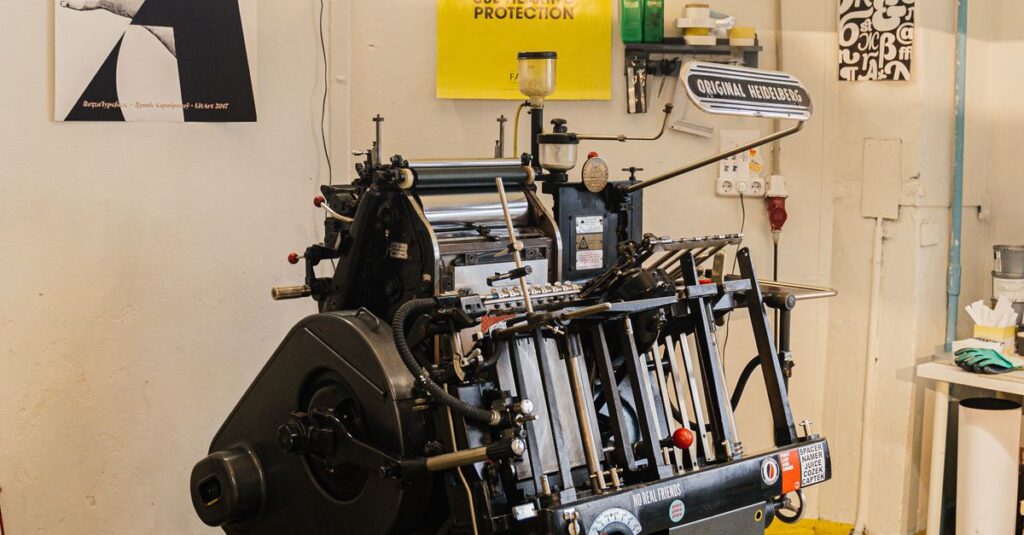
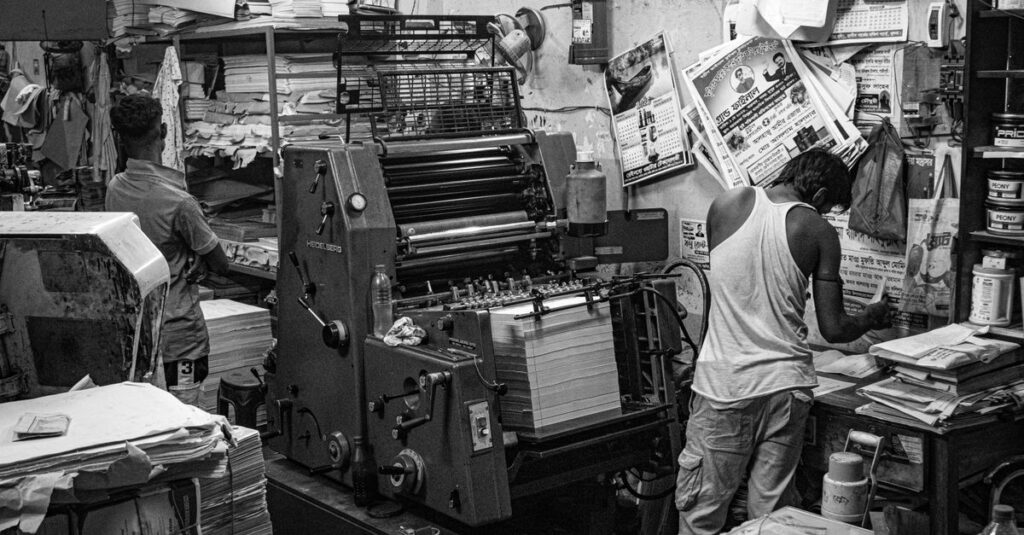
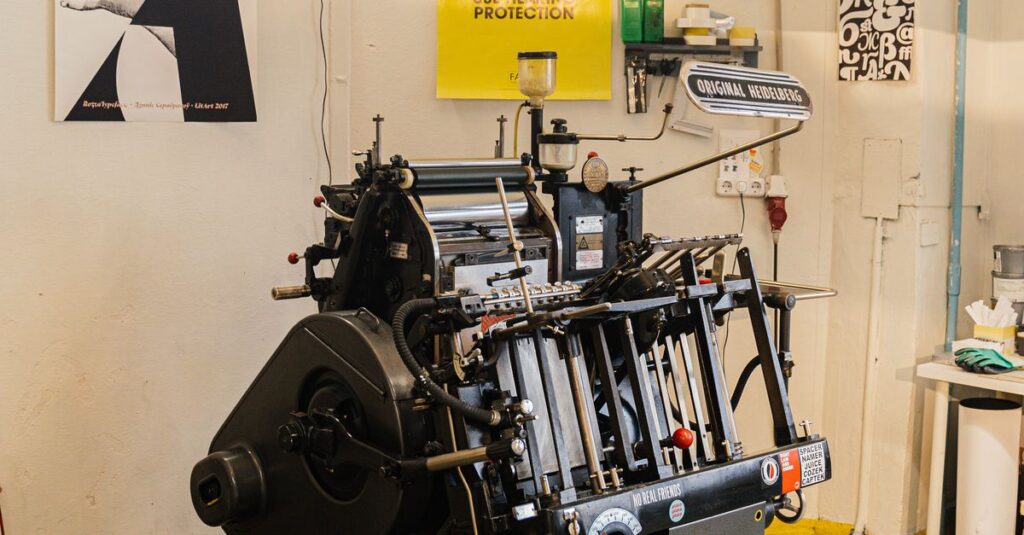
Okay, let’s get into the weeds. I’ve been on the factory floor for more years than I care to admit, watching these get made. The process for a high-page-count notebook is different. It’s slower. It needs more attention.
It starts with the paper reels. For 500 pages, you’re talking about a significant pile of paper even before you cut it. The sheets are collated into ‘signatures’ — folded sections of usually 16 or 32 pages. For a 500-page book, you’re looking at binding 15-16 of these signatures together. That’s where the skill comes in. The stitching machine has to punch through all those layers perfectly, every time. A misalignment here and the whole book is crooked.
The glue application is another critical stage. With perfect binding, enough adhesive has to penetrate between the pages to hold, but not so much that it seeps out and makes the pages stick together. It’s a balance. And the drying time? Longer. You can’t rush it. If you try to trim the edges or attach the cover before the glue’s fully set, you get what we call ‘springback’ — the pages just pop away from the spine later.
Finally, the casing-in. That’s when the covered board is attached to the sewn/blocked text pages. For a thick book, the hinge (that flexible bit between the spine and the cover board) has to be precisely scored and reinforced. If it’s too stiff, the cover won’t open properly. Too weak, and it tears.
Expert Insight
I was reading an old trade journal once — something about bookbinding durability. One line stuck with me from this German engineer. He said the strength of a bound book isn’t in the thread or the glue alone. It’s in the ‘hinge action’ distributed across every single signature. A thin book hinges in one place. A 500-page book hinges in fifteen places simultaneously. The stress is shared. When it’s done right, it’s actually more resilient page-for-page than a slim volume. That’s the paradox. A well-made thick notebook can outlive a dozen flimsy thin ones. Don’t quote me on the physics, but in practice, that’s what we see. The good ones just endure.
500-Page Notebook vs. Standard Notebook: A Procurement Table
If you’re evaluating options, here’s a blunt comparison. This isn’t about good vs. bad; it’s about right tool for the job.
| Factor | Standard Notebook (92-200 pages) | 500+ Pages Notebook |
|---|---|---|
| Primary Purpose | Short-term notes, student use, casual jotting. | Long-term record keeping, institutional memory, formal logging. |
| Binding Priority | Cost. Often staple-stitched or thin perfect binding. | Durability & lay-flat ability. Smyth-sewn or heavy-duty perfect binding. |
| Paper Quality (GSM) | 40-54 GSM is common. Functional. | 54-70+ GSM is expected. Must prevent show-through. |
| Cover Specification | Light cardstock, often laminated. | Hardcover or thick, reinforced softcover. |
| Cost Driver | Volume speed. Making thousands fast. | Material quality & binding time. Precision over speed. |
| Buyer Mindset | Consumable. Will be replaced. | Investment. Should last for its entire intended use cycle. |
| Customization | Often simple logo stamp. | Full custom cover design, foil stamping, ribbon markers. |
See the shift? You’re comparing apples and… well, archival-quality apple crates. If your supplier is treating them the same, they’re missing the point.
Common Pitfalls in Bulk Orders (And How to Avoid Them)
Let’s talk about where things go wrong. Because they do. I’ve seen the returns, the complaints, the lost contracts. It’s usually one of these three things.
Pitfall 1: Prioritizing Unit Price Over Total Cost. You get a quote that’s 15% cheaper per book. Great! You order. The books arrive, and they use 48 GSM paper. It’s translucent. The binding is a thin line of glue. Six months later, 30% of the order has failed. Now you have to replace them, manage the unhappy users, and re-run the whole procurement process. That ‘cheaper’ price just cost you triple in time and reputation.
Pitfall 2: Not Specifying the ‘Hidden’ Details. Your RFP says ‘500 pages, A4 size’. That’s it. The manufacturer uses the thinnest paper they have to keep cost down, and the weakest binding that will technically hold. The book meets your spec on paper. It fails on the desk. You need to specify: Paper GSM (e.g., ‘Minimum 60 GSM wood-free writing paper’). Binding type (e.g., ‘Smyth-sewn or equivalent durable thread stitching’). Cover material (e.g., ‘2mm greyboard with laminated outer’). Be specific.
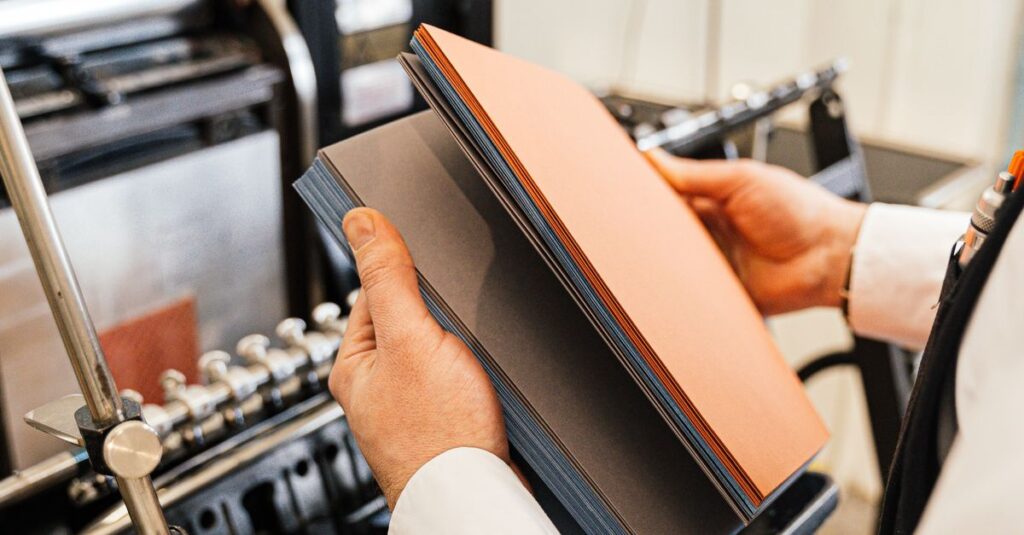
Pitfall 3: Ignoring Prototypes. Ordering 5000 custom notebooks without holding a physical prototype is like buying a car based on a brochure. Insist on a sample. Use it for a week. Try to break it. Open it flat. Write on the first and last page. Feel the paper. Does ink feather? Does the spine crack? The prototype tells you everything the spec sheet hides.
The fix is simple but non-negotiable: buy from manufacturers who understand the use case, not just the product. Who ask you ‘How will this be used?’ rather than just ‘How many do you want?’. That question changes the entire conversation.
Frequently Asked Questions
What is the standard size for a 500 pages notebook?
There’s no single ‘standard’, but in commercial and institutional orders, A4 (roughly 21 x 29.7 cm) and Foolscap (roughly 20.3 x 33 cm) are the most common. It’s about having enough writing space per page for formal entries. Smaller sizes like A5 become impractically thick and difficult to write in comfortably when you have 500 pages.
Can you do custom branding on 500-page notebooks?
Absolutely, and you should. This is where customization really pays off. Because these books are used formally and kept for a long time, your logo, company name, or institutional seal on the cover has lasting visibility. We’re talking about foil stamping, embossing, custom cover designs — not just a small printed logo. It turns a commodity into a branded asset. You can see some of the options we offer in our custom printing services.
What’s the typical lead time for manufacturing bulk 500-page notebooks?
Longer than for standard notebooks. Don’t expect a one-week turnaround. Collating, stitching, and casing 500 pages properly takes time. For an order of, say, 1000+ custom units, a realistic lead time is 4-6 weeks. This allows for paper sourcing, production, proper drying/curing of adhesives, and quality checks. Rushing this process is the fastest way to get a batch with binding failures.
Are 500-page notebooks suitable for students?
Generally, no. They’re too heavy, too bulky for a backpack, and overkill for a semester’s notes. The cost is also significantly higher. Students are better served with multiple 100-200 page notebooks for different subjects. The 500-page niche is almost exclusively institutional, corporate, or professional use.
What’s the price difference compared to a 200-page notebook?
It’s not linear. A 500-page notebook isn’t 2.5x the price of a 200-pager. The binding is more complex, the cover is heavier, the paper might be better quality, and the manufacturing is slower. You might see a price point that’s 3x to 4x higher. But remember, you’re not buying 2.5 notebooks. You’re buying one notebook designed to perform a different, more demanding job for a much longer time.
The Takeaway: It’s a Tool, Not a Notepad
Let’s wrap this up. The search for a ‘500 pages notebook’ is a signal. It tells you the buyer has moved past thinking about stationery and started thinking about systems, about permanence, about reducing friction in their daily work. The book is a piece of infrastructure.
The key thing to remember is this: the thickness is a feature, but it’s not the benefit. The benefit is continuity. It’s having everything in one place. It’s the confidence that the record will hold. When you’re sourcing these, or manufacturing them, you’re not in the page-count business. You’re in the trust business. You’re providing the physical vessel for someone else’s important work.
I don’t think there’s one perfect spec for every 500-page order. Probably there isn’t. But if you’ve read this far, you’re likely not just buying paper — you’re solving a problem for an organization. And the notebook is just the tangible part of that solution. If that’s the case, and you want to talk specifics with someone who’s been building these for decades, that’s a conversation worth having.