Let’s Get Real About Book Printing
You’re probably staring at a quote right now. Maybe two. Trying to figure out why one printer says it’ll be three weeks and another promises it in five days. The prices look similar, the specs seem identical, but something feels off. You’re not buying a car — you’re ordering notebooks for an entire school district, or branded diaries for your corporate clients. And you’re stuck wondering: what are these book printers actually doing back there? What makes one good and another a complete headache?
Look, I’ve been on the other side of this for nearly four decades. I’ve seen the orders come in, I’ve watched the machines run, and I’ve heard every question a procurement manager could ask. And honestly? Most people think book printing is just slapping ink on paper and stapling it together. It’s not. It’s a whole sequence of decisions that someone else is making for you — and those decisions decide whether your notebooks fall apart in a month or last the whole school year.
If you’re trying to choose a reliable notebook manufacturer, knowing the basics isn’t just helpful. It’s the only way to not get burned.
The Real Difference Between a Printer and a Manufacturer
This is where the confusion starts. A lot of companies call themselves “book printers” when they’re really just a middleman with a printing press. They buy paper from someone else, send the binding out to a different workshop, and handle the packaging through a third party. That’s fine for a small run of 500 diaries. But for a bulk order of 50,000 school notebooks? You’re looking at a logistical nightmare wrapped in quality control issues.
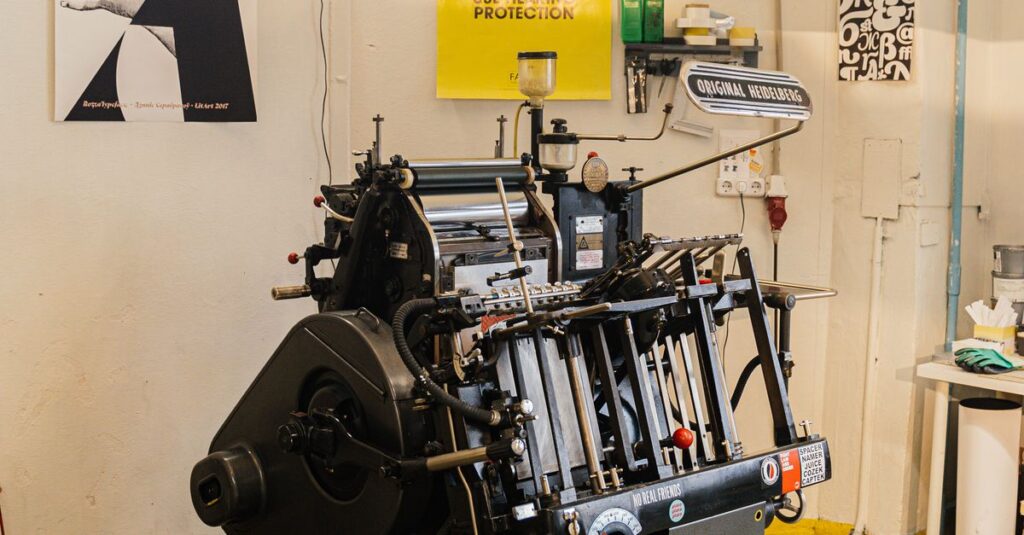
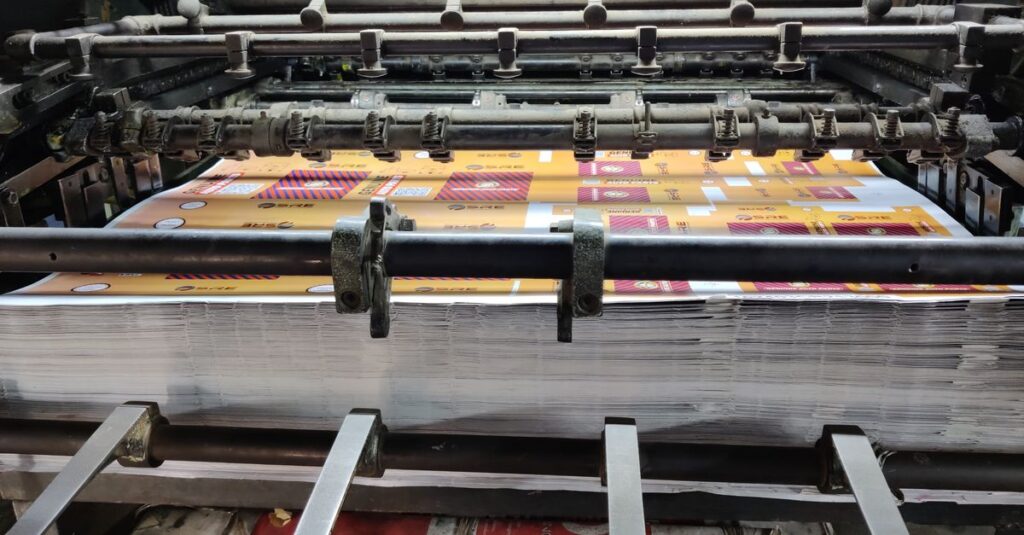
A real manufacturer — the kind you want for institutional supply — controls the whole process. From the moment the paper rolls come in off the truck to the final pallet being shrink-wrapped. The paper quality, the glue formula for the binding, the sharpness of the printed lines on the page. It’s all under one roof. I can walk from our cutting machines to our stitching section in about 30 seconds. That means if there’s a problem with the paper grain affecting the fold, we see it immediately. We don’t find out two weeks later from a separate binding house.
The thing people don’t realize is that time isn’t just about speed. It’s about consistency. When every step is disconnected, consistency evaporates. The blue on page 1 of notebook A might not match the blue on page 1 of notebook B. The spine might be tighter. It’s death by a thousand tiny variations.
A Real-Life Example
I was talking to a procurement manager from a college in Hyderabad last month — over WhatsApp, actually. He’d ordered 10,000 lab notebooks from a “printer” in Delhi. The first batch was fine. The second batch, the paper felt thinner. The third, the spiral binding kept snagging. Each time he called, it was a different excuse: “paper supply issue,” “new binding machine.” The truth? They were subcontracting each new batch to whoever had capacity that week. No control. No single point of responsibility. He was furious, obviously. And now he has three different “versions” of the same product sitting in his store.
That’s the risk you run when you don’t know what’s happening on the factory floor.
Paper Isn’t Just Paper (And Binding Isn’t Just Binding)
Okay, let’s get into the weeds. Because this is where your money goes. When you see “54 GSM paper” on a spec sheet, you think you know what you’re getting. But GSM (grams per square meter) only tells you the weight. It doesn’t tell you about the finish, the opacity, or how it takes ink.
We use a specific 54 GSM writing paper that’s got a slight tooth to it — enough so a pencil grips, but smooth enough that a ballpoint doesn’t feather. A cheaper paper of the same weight might feel waxy. The ink sits on top, smudges easily. Or it’s too porous and soaks up ink like a sponge, making the back side of the page unusable. You’re buying notebooks, not blotting paper.
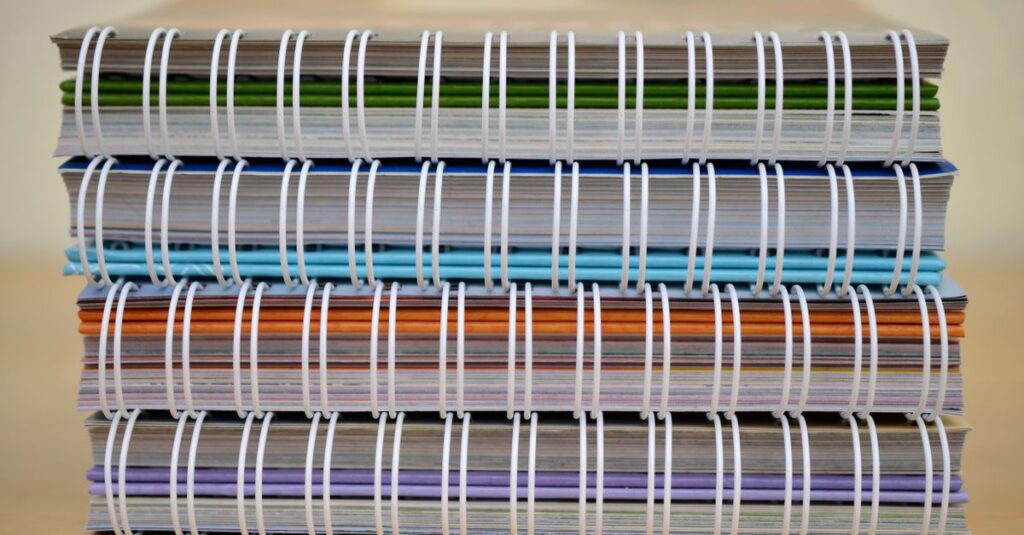
And binding. Good grief, the number of times I’ve seen people choose spiral binding because it “looks more premium” without knowing why.
| Factor | Spiral Binding (Wire-O) | Perfect Binding (Glued) |
|---|---|---|
| Lay-Flat Ability | Lays completely flat, 360 degrees. Great for drawing books, lab notes. | Lays flat-ish. Can crack at the spine if forced. |
| Durability | Wire can snag and bend. Pages can tear out at the holes. | Extremely durable spine. Pages don’t fall out easily. |
| Page Count Limit | Best for up to 120 pages. Thicker gets bulky. | Can handle 700+ pages easily. Think account books. |
| Cost for Bulk | Higher per unit. More manual steps. | Lower per unit at high volume. Automated. |
| Re-Supply Time | Longer if wire color/size is specific. | Faster. Glue and cover stock are common. |
See? It’s not about good or bad. It’s about what the notebook needs to do. A student’s rough notebook needs to survive being shoved in a bag. A corporate diary needs to look sleek on a desk. You match the binding to the job, not the brochure.
Customization: Where Most Printers Cut Corners
Everyone offers custom printing now. Logo on the cover, maybe a header on each page. But here’s the thing — the easy part is putting your logo on a template. The hard part, the part that actually matters, is making sure that logo looks the same on every single notebook, order after order.
Color matching is a dark art. Pantone guides help, but ink reacts differently to different papers. If your brand color is a specific shade of maroon, it can come out looking burgundy on one paper and almost brown on another. A serious manufacturer will do test runs. They’ll get your sign-off on a physical sample, not a JPEG on a screen. They’ll keep that approved sample as a master reference for every future print run.
I remember a stationery distributor from Bangalore who wanted a custom watercolor texture on the cover. The first proof looked great. The second batch, the texture was fainter. The printer had dialed back the ink to save money, hoping nobody would notice. The distributor noticed. He had 5,000 notebooks that didn’t match his brand guidelines. Now he sends a junior staff member to physically check a random notebook from each pallet before signing the delivery receipt. That’s the level of distrust you create when you cheap out on quality control.
And look, I’ll be direct. If a printer gives you a price that seems too good to be true on a custom job, they’re almost certainly saving money somewhere you can’t see. Thinner cover stock. Cheaper, runnier glue. Fewer quality checkpoints. The profit margin in bulk notebooks is thin. The only way to slash prices is to slash quality.
Expert Insight
I was reading an industry report last year — from some European printing association, I can’t remember the name now — and one line stuck with me. It said the single biggest predictor of a successful long-term supplier relationship wasn’t price or even speed. It was transparency. The willingness to show the client the process, explain a delay, or admit a mistake. Because in bulk manufacturing, things go wrong. A paper roll has a flaw. A binding machine jams. The question is whether your printer tells you about it and fixes it, or just ships the defective batch and hopes you won’t check. Don’t quote me on the exact stat, but the point was clear. Trust is the real commodity.
What You Should Actually Ask a Book Printer
So you’re evaluating quotes. Don’t just look at the bottom line. Ask questions that force them to show their hand.
- “Can I visit the factory?” If they hesitate, that’s a red flag.
- “Where do you source your paper?” They should know the mill.
- “What’s your procedure if a batch fails quality check?” The answer should involve reprinting, not a discount.
- “Who is my single point of contact from order to delivery?” If it’s a different person for sales, production, and shipping, communication will break down.
- “Can you provide a physical dummy sample before the full run?” This is non-negotiable for custom work.
These questions move the conversation from price to value. From being a transaction to being a partnership. Because that’s what you need when you’re responsible for supplying notebooks to 2,000 students or giving a premium diary to your top 500 clients. You need a partner, not just a vendor.
And honestly? A good printer will welcome these questions. They show you’re serious. They’d rather work with an informed client than someone who just picks the cheapest option and then blames them when it goes wrong.
If you’re looking at a large order and want to see how a manufacturer that controls the whole process operates, our story might give you a clearer picture of what that looks like on the ground.
The Hidden Cost of “Fast”
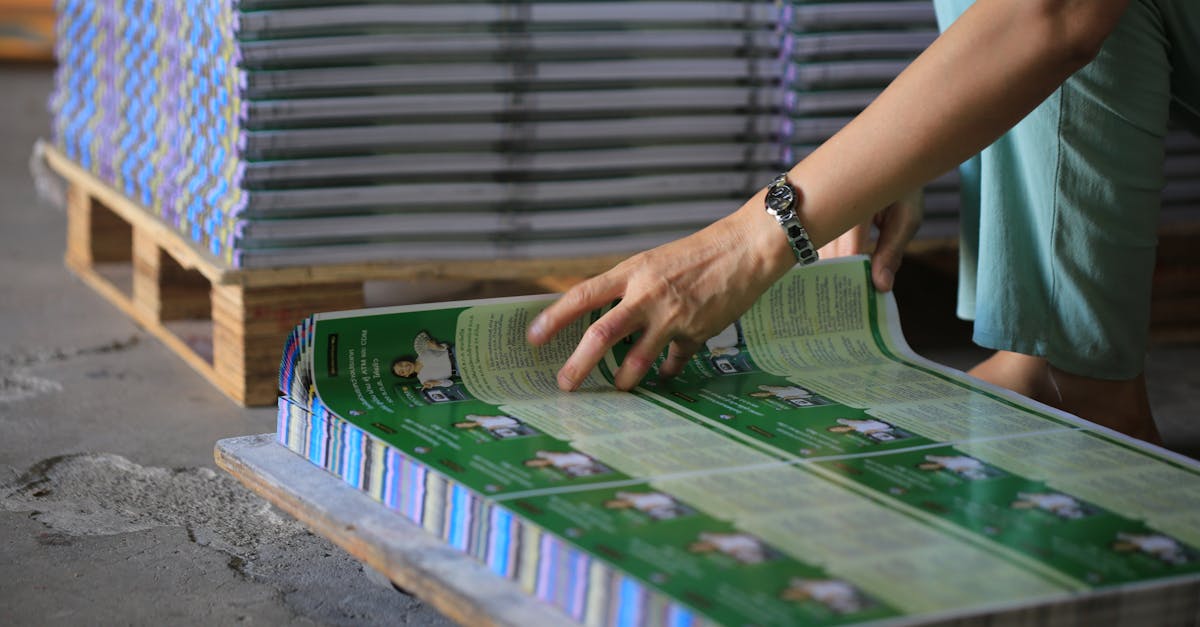
We all want things quickly. I get it. But rushing a print job has consequences that aren’t on the quote. Drying time is the big one. Ink and glue need to cure properly. If you force-dry it with heat to speed things up, the paper can become brittle. The glue can become brittle. A notebook that’s rushed off the line might look perfect on day one, but by month three, pages start coming loose.
Then there’s packing. Proper palletizing and shrink-wrapping takes time. If it’s done in a hurry to meet a deadline, the corners of your notebooks get crushed in transit. You open the shipment and 10% are already damaged. Who pays for that? It becomes a argument.
A realistic timeline respects the chemistry of the materials. For a bulk order of standard notebooks, from confirmed order to shipped, you’re looking at 10-15 working days minimum if everything is in-house. Anyone promising it in a week is cutting a corner. Probably several.
The irony is that the “fast” printer often ends up being the slowest, because when problems arise — and they will — they have to coordinate between three different subcontractors to fix it. The clock resets. The single-source manufacturer just fixes it. Right there.
Frequently Asked Questions
What’s the main difference between a local book printer and a large manufacturer?
A local printer is great for small, custom jobs like wedding guest books or a few hundred journals. They’re agile. A large-scale manufacturer is built for volume and consistency. They control the entire supply chain, from raw paper to final packaging, which is crucial when you need 20,000 identical notebooks. The local guy can’t do that without subcontracting, which kills consistency.
How do I know if the paper quality is good for my needs?
Always ask for a physical sample. Don’t rely on the GSM number alone. Write on it with the pen you expect your end-users to use. Try to tear a page — good paper has tensile strength. Check the opacity by holding a printed page up to the light. If you can see through to the text on the back, it’s too thin for double-sided printing.
Is spiral binding or perfect binding better for school notebooks?
For younger students, perfect binding (glued) is often more durable. Spiral binding can get bent in bags, and pages tear out at the holes. For older students or subjects like art and science where laying the book completely flat is useful, spiral has the advantage. It’s about the use case, not one being universally “better.”
What should I look for in a book printer for export orders?
Export experience is key. They need to understand export packing (stronger cartons, humidity control), documentation (commercial invoices, packing lists), and shipping logistics. Ask for references from other export clients. A domestic-only printer might give you a great price, but the shipment could get held up in customs due to incorrect paperwork.
How far in advance should I place a bulk notebook order?
For a smooth process, plan for 4-6 weeks from final approval of your sample to delivery at your door. This allows time for material sourcing, production, proper drying/curing, quality checks, and packing. Rushing it to 2-3 weeks adds significant risk to quality and increases the chance of errors. Plan ahead.
Wrapping This Up
Choosing a book printer, especially for bulk, isn’t a purchasing decision. It’s a risk management decision. You’re not just buying a product; you’re buying peace of mind. You’re buying the assurance that when you hand those notebooks out, nobody calls you to complain about falling pages or smudged ink.
The cheapest option is almost always the most expensive in the long run. Because you’ll pay for it in returns, in reputational damage, in your own time spent managing the fallout.
I don’t think there’s one perfect printer for everyone. Probably there isn’t. But if you’ve read this far, you already know the difference between a salesman and a manufacturer. You know the questions to ask. You’re just figuring out who’s going to give you a straight answer.
Look, if the idea of working directly with a factory that’s been doing this since 1985 sounds like less of a headache, see how we handle custom printing projects. No middlemen. No surprises.