Look, nobody ever says it out loud.
You need certificates. Maybe for a school awards day, a corporate training program, or a government recognition event. You Google “certificate printing” because you want them to look nice, but you also can’t blow the budget. The first five pages of results tell you about quality and service. They don’t tell you the real headache.
Here’s the headache: the paper feels flimsy, the ink smudges when you run your thumb over a name, and they arrive two days late because someone “misplaced” the order. I’ve seen procurement managers get that look in their eyes — the one that says, “I have 300 people waiting in an auditorium tomorrow and these look like they were printed on a home computer.” That’s the real problem: trust.
If that sounds familiar, maybe it’s time to look at how we do things. We handle a lot of this at Sri Rama Notebooks, and the difference is in the details nobody talks about.
What Certificate Printing Actually Is (And Isn’t)
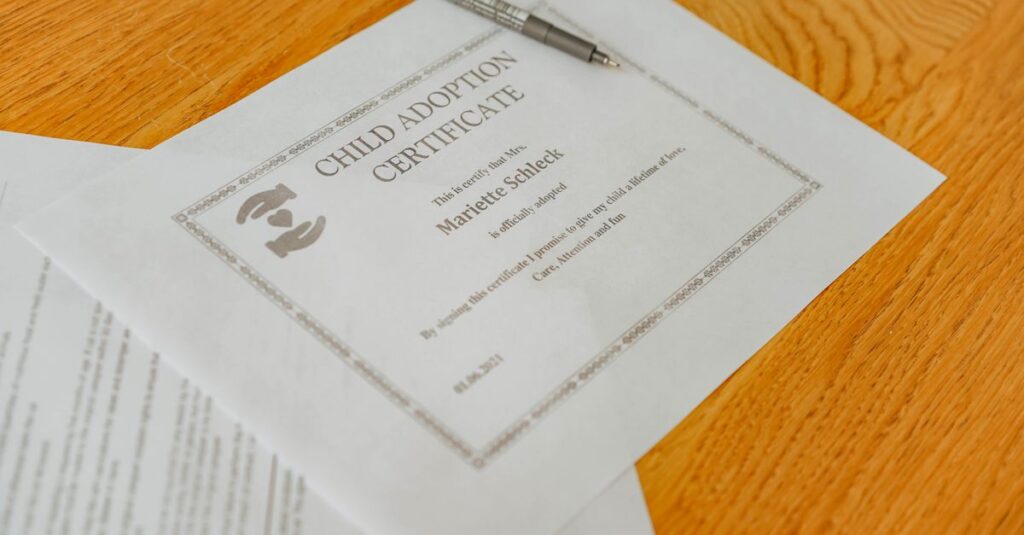
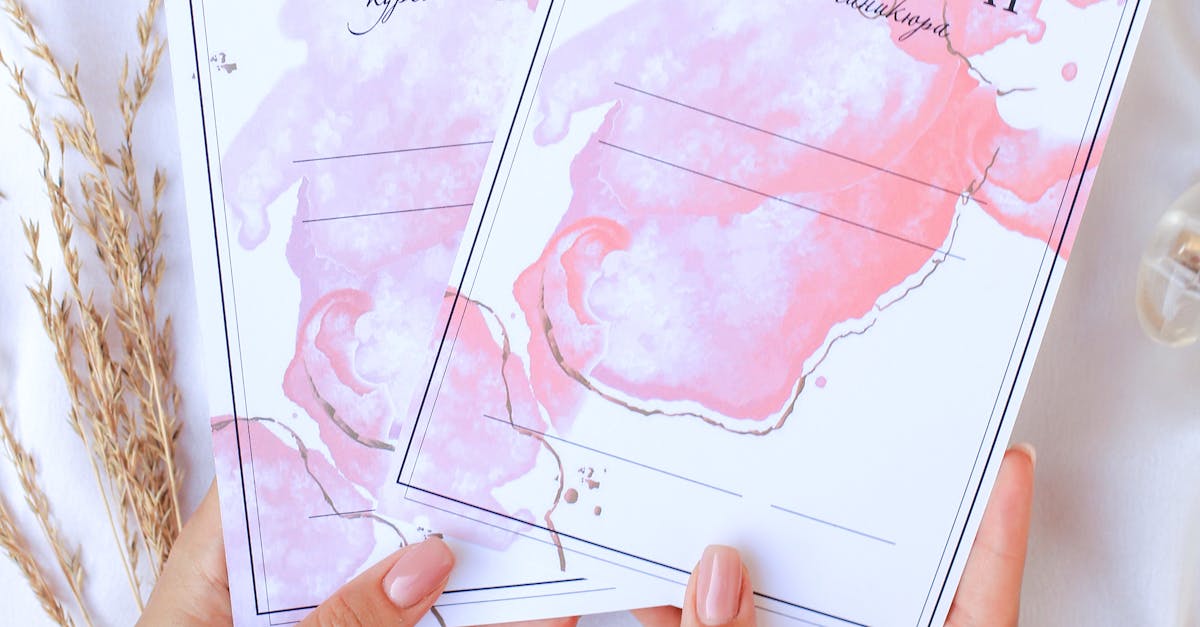
Most people think it’s just putting fancy words on thick paper. Right? Wrong. It’s a tiny piece of manufacturing. It’s about making a piece of paper feel like an object of respect. The paper weight, the texture under your fingers, the way the ink sits on the surface without bleeding — it’s all deliberate. It’s not office printing scaled up. It’s a different animal.
When a school principal hands out an award, that certificate is a physical memory. It’s going in a frame, on a wall. If it curls at the edges in six months because the paper was cheap, that’s a failed job. If the gold foil for the logo flakes off, it looks cheap. This is where the rubber meets the road.
Real-World Moment
I remember a call from a college in Hyderabad last year. Anjali, the admin head — she was calm, but you could hear the tension. Their usual supplier had sent 500 certificates for the annual tech fest. The college crest was blurry. Just slightly off. Not enough to reject the whole batch, but enough that everyone who got one would notice. “It looks unofficial,” she said. That’s the word. Unofficial. It undermines the whole thing. She had to approve the payment anyway because the event was the next morning. She hasn’t called that supplier again.
Anyway. The point is, certificate printing sits in this weird space between stationery and ceremonial goods. And most printers who do bulk notebooks or diaries get this instinctively. Because we’re already in the business of making paper products that need to last and feel substantial.
The Paper Problem: GSM Isn’t Just a Number
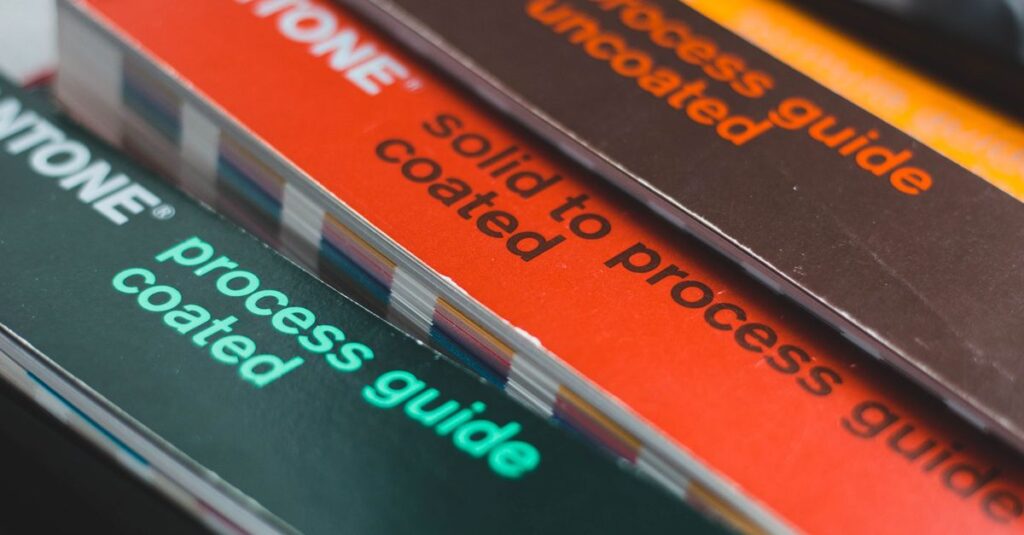
You’ll see “200 GSM” or “250 GSM” thrown around. GSM is grams per square meter. Thicker paper, basically. But here’s what nobody tells you: higher GSM doesn’t always mean better. A stiff, cardboard-like 300 GSM sheet can be a nightmare to write on with a calligraphy pen. It can crack along the fold. The sweet spot for a certificate that needs a handwritten name and a signature is different from one that’s just for display.
Then there’s the finish. Glossy, matte, textured linen, laid…
- Glossy: Looks vibrant, great for photos. Shows every fingerprint.
- Matte: Professional, elegant. Ink dries slower, smudge risk.
- Linen/Textured: Feels expensive, hides minor imperfections. Costs more.
You don’t just pick a paper. You pick an experience. For a corporate safety certification? Matte. For a student of the year award with a color photo? Glossy. It sounds obvious, but I’ve lost count of how many orders come in with zero specification. People just say “thick paper.” That’s how you get the wrong thing.
And this is before we even talk about the printing itself.
Ink, Foil, and The Disappearing Act
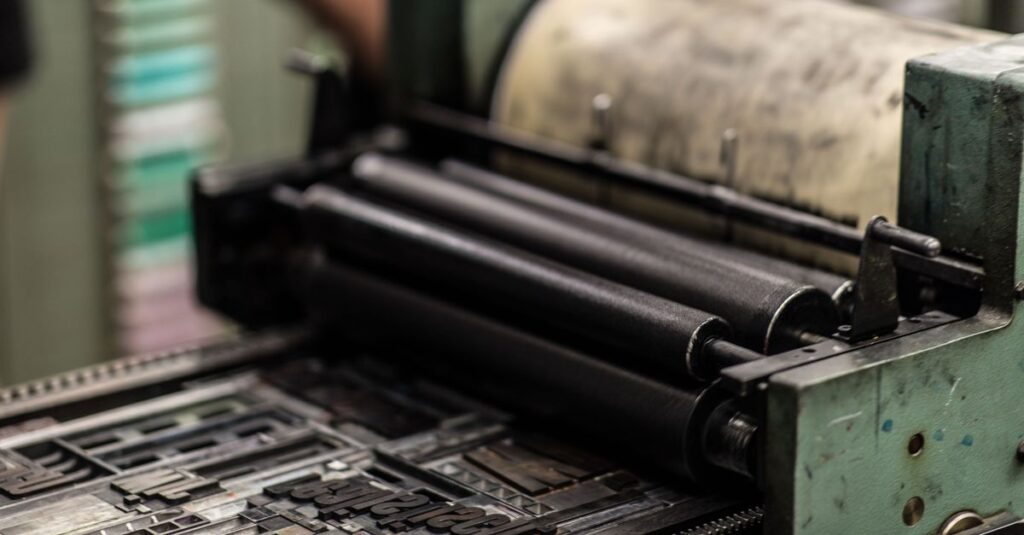
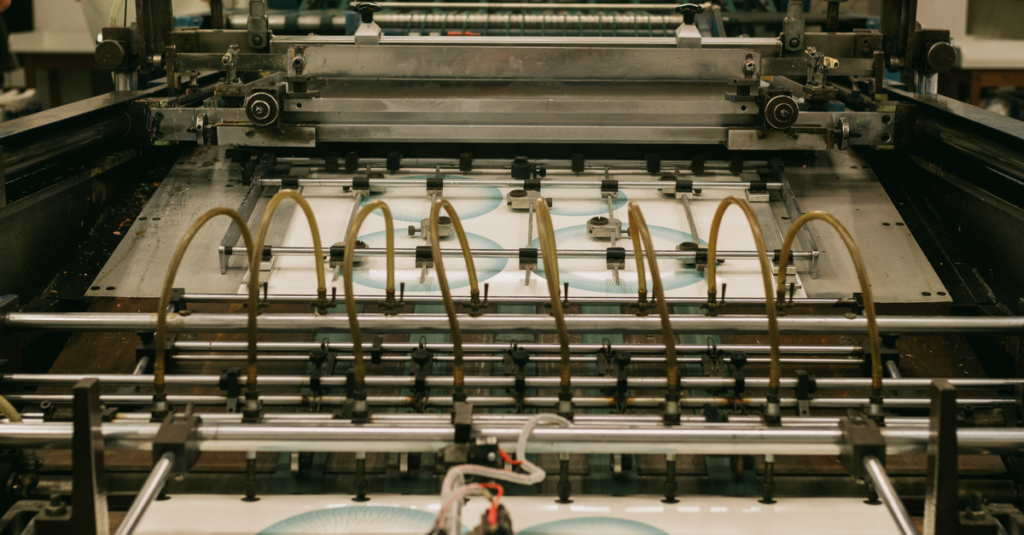
The real cost in certificate printing isn’t the paper. It’s the setup. The design alignment, the plate-making for offset printing, the foil stamping dies. This is where cheap printers cut corners. They’ll use a digital printer for a 1000-piece run because the setup is cheaper. The result? The black isn’t a deep, uniform black. It’s a little grainy. The colors might shift slightly from the first certificate to the thousandth.
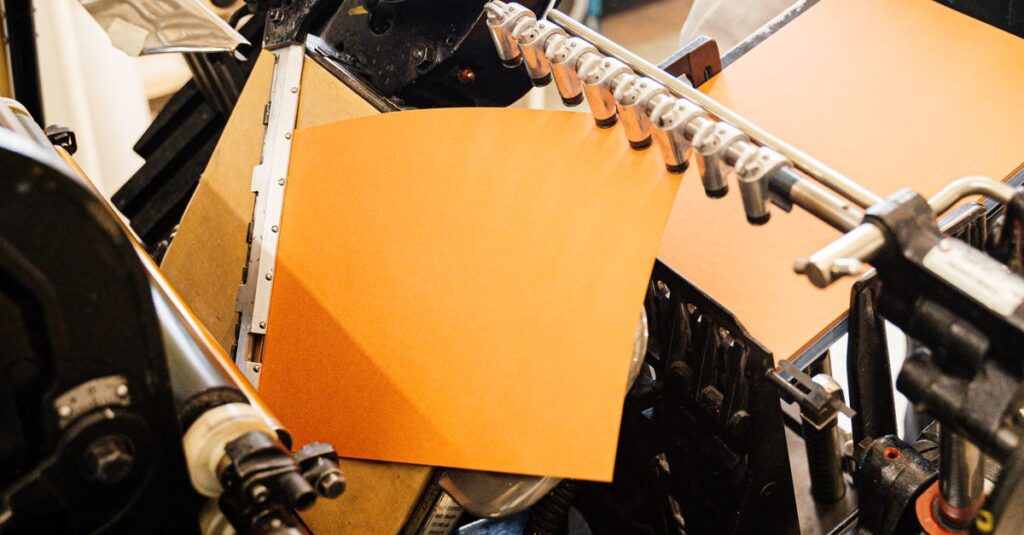
Offset printing is the standard for a reason. Once the plate is made, every single copy is identical. The ink lays down in a smooth, opaque layer. It’s more expensive to start, but the per-unit cost drops like a stone after the first hundred. For bulk orders — which is what schools, corporations, and government bodies always need — it’s the only way.
Then there’s foil stamping. Gold, silver, rose gold. It’s what makes a seal or a logo pop. The die has to be perfectly engraved and heated to the exact right temperature. Too hot, the foil burns the paper. Too cold, it doesn’t transfer fully. It’s a craft. And when it’s done right, it looks and feels incredible. When it’s done wrong, it looks tacky.
I think the biggest mistake buyers make is treating this as a commodity. It’s not buying printer paper. It’s commissioning a small batch of specialized goods.
Bulk Orders vs. Small Batches: The Math That Matters
Let’s talk money, because that’s why you’re here. You want 500 certificates for a school. You get two quotes. One is 50% cheaper. Your finance person says take it. Should you?
| Factor | Cheap Quote (Likely Digital) | Higher Quote (Proper Offset) |
|---|---|---|
| Print Quality | Good, but can vary. Slight color drift possible. | Consistent, professional, deep ink saturation. |
| Paper Feel | Standard card stock. Might feel generic. | Wider selection. Can specify texture, weight, finish. |
| Foil/Embossing | Extra cost, may be digitally simulated (less shiny). | Real hot foil stamping or embossing included in setup. |
| Setup Time | Faster. Can turn around in 2-3 days. | Slower initial setup (plate making), then fast production. |
| Cost per 1000 units | Stays relatively linear. Doesn’t drop much. | Drops significantly after initial setup cost. |
| Risk Factor | Higher chance of inconsistency across the batch. | Very low. Once approved, the batch is uniform. |
| Best For | Urgent, small batches (<200) where perfection isn’t critical. | Bulk orders (>500), official awards, corporate branding. |
The cheaper quote makes sense if you need 50 certificates tomorrow for an internal workshop. The higher quote makes sense if you’re a university printing 5,000 graduation certificates that need to look identical and last a lifetime. Most institutional buyers are in the second camp, but they get lured by the first price.
It’s a false economy. Because when the principal or the CEO holds that flimsy certificate, the savings don’t matter. The perception does.
Expert Insight
I was reading an article last month — I think it was in a packaging trade journal — and they quoted a designer who said something that stuck. She said, “In a digital world, the physical artifacts we create carry more weight, not less. They are the punctuation marks of our experiences.” I had to write that down. It’s true. A certificate is a punctuation mark. An exclamation point of achievement. If the paper is wrong, the ink is wrong, it’s like a typo in that sentence. It undermines the whole message. Don’t quote me on the exact words, but that’s the gist. And it changed how I look at every order.
So, What Should You Actually Do?
Right. Practical advice. If you’re procuring certificates:
- Ask for physical samples. Always. Don’t approve from a PDF. Feel the paper. Check the foil in different light.
- Clarify the printing method. For runs over 300, it should be offset. Just ask.
- Specify the details. Don’t say “thick paper.” Say “250 GSM, matte finish, white, watermarked if possible.”
- Build in time. Proper printing isn’t instant. A good batch for 1000 pieces needs a week, minimum, from final sign-off.
- Check their other work. A printer who mostly does newsletters might not be right. Look for someone who does notebooks, diaries, formal stationery. That’s your guy.
The goal isn’t to just get certificates. It’s to get certificates that nobody will question. That feel like they mean something. It’s a tiny detail in a huge event, but it’s the one thing people take home.
And honestly? Most people know this already. They just get pressured on budget and ignore their gut. Don’t ignore your gut.
Frequently Asked Questions
What’s the minimum order quantity for certificate printing?
It depends entirely on the printer and the method. For digital printing, you can sometimes get as few as 50. For proper offset printing with custom plates and foil stamps, the minimum is usually around 250-300 pieces to make the setup costs worthwhile. Always ask.
How long does bulk certificate printing take?
From final approved design to delivery? For a run of 1000 certificates with foil stamping, plan for 7-10 working days. That includes proofing, plate-making, printing, drying, cutting, and packing. Rush jobs are possible but cost more and risk quality. Don’t leave it to the last minute.
Can you print certificates with unique names and dates?
Yes, this is called variable data printing. It’s standard. We print the static design (borders, logos, text) on all certificates, then use a second pass to print the unique details (name, date, achievement) on each one. Just provide a clean Excel or CSV file with all the data.
What file format is best for certificate designs?
Print-ready PDFs are the gold standard. The design should be in CMYK color mode, not RGB, with all fonts embedded and images at a high resolution (300 DPI). Avoid designing in PowerPoint or Word. If you’re not sure, just ask your printer for a template.
Is certificate printing different from brochure printing?
Yes, significantly. Brochures are often folded and use thinner paper. Certificates are single sheets, heavier stock, and often involve special finishes like foil, embossing, or premium textures. The binding and finishing processes are totally different. A good printing service will have separate setups for each.
Wrapping This Up
Look, certificate printing seems simple. It’s not. It’s a small, tangible piece of recognition. The paper, the ink, the finish — they all whisper something about how much you value the recipient. Cutting corners here is louder than any speech.
I don’t think there’s one perfect supplier for everyone. But there is a right approach. Ask more questions. Demand samples. Understand the method. It’s not about spending the most money; it’s about spending it on the right things. The things that make a piece of paper feel like an award, not a receipt.
If you’re staring down an order for a few hundred certificates and want to talk it through with someone who’s been making paper products that last for 40 years, we’re just a call away. No pressure. Just a conversation. Sometimes that’s all you need to be sure.