Look, Let’s Get Straight to It
You typed ‘classmate copy price’ into Google. I know why.
You’re a procurement manager staring at a budget spreadsheet. Or maybe you’re a distributor, squeezed between what schools want and what they’re willing to pay. You need notebooks. A lot of them. And the pressure to find something that looks like a Classmate notebook, but costs half as much, is sitting right there on your desk. The question isn’t about finding a cheap copy. It’s about figuring out what you’re really paying for when you go looking for one.
Here’s the thing — it’s not about price. It’s about cost. The hidden one. The one that shows up when pages fall out, ink bleeds through, and a principal sends you a furious email about a thousand substandard notebooks. I’ve been in this business, at Sri Rama Notebooks, since 1985. I’ve seen the orders come in, I’ve seen the complaints come back. And nine times out of ten, the ‘copy price’ chase ends the same way.
If you’re trying to balance quality against a tight budget, you might want to see how we handle that exact problem for hundreds of schools and businesses.
What Are You Actually Buying? The “Copy” Breakdown
Right. So you want a ‘Classmate copy’. Let’s pull that apart. What does that even mean? Most people think it means: a notebook that’s roughly the same size, with a similar cover, and lines on the page. That’s the surface.
But what you’re *really* buying in a quality notebook is a stack of silent promises. The paper promises not to tear when a kid erases too hard. The binding promises to hold through a full academic year of being tossed in a bag. The printing promises not to smudge. The cover promises to look decent for more than a week. A ‘copy’ fails on these promises. Usually quietly, and always at the worst possible time.
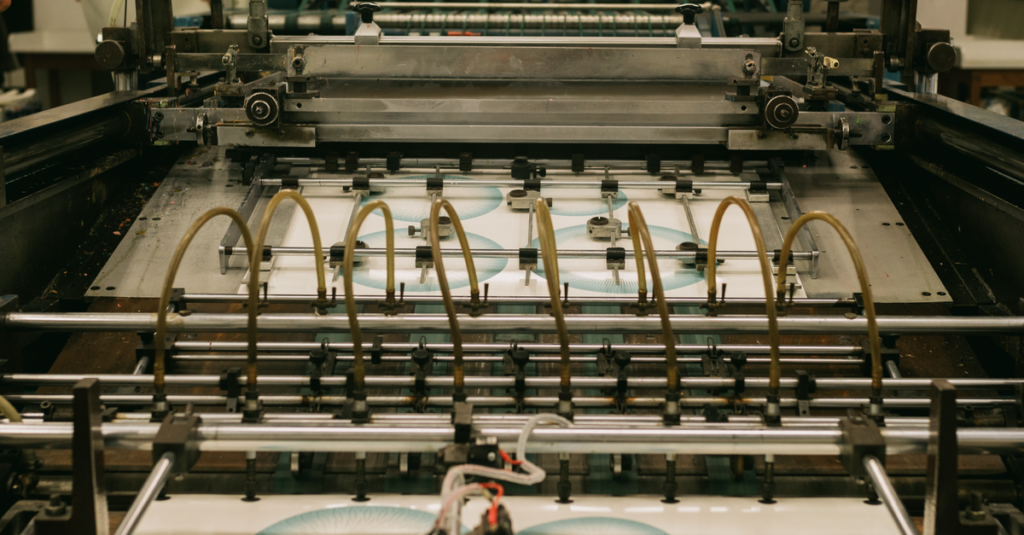
The manufacturing process is where these promises are either kept or broken. Let’s talk paper. You know GSM? The writing paper in a standard, reliable notebook is around 54-60 GSM. Smooth, opaque enough that writing doesn’t ghost through. A ‘copy’ might use 40-45 GSM paper. It feels flimsy. It *is* flimsy. It’s see-through. The cost difference per sheet is fractions of a paisa. Multiply that by 40,000 notebooks a day, and you see where the ‘copy price’ magic happens. It’s a subtraction.
I was talking to a school administrator from Vizag last month — over the phone, just finalizing an order for drawing books — and he said something that stuck. “We bought the cheaper option once. The savings looked great on paper. Then we spent triple the ‘savings’ on replacement notebooks and parent meetings.” He wasn’t even angry. Just tired. Life-tired.
The Real Cost Isn’t On the Invoice
This is the part nobody in the ‘copy price’ game wants to talk about. The financial math is simple. The reputation math is brutal.
Think about it from your end. You supply notebooks to a corporate client for their diaries. They give them to important partners. The cover peels. The spiral binding snags on a suit jacket. It’s a small thing. It’s also the *only* thing that client remembers about your ‘cost-effective solution’. Your brand, not the notebook manufacturer’s, gets tagged as ‘cheap’.
For schools, it’s worse. It’s not a branding issue. It’s a functional one. A notebook is a tool. A broken tool frustrates a teacher, distracts a student, and creates administrative chaos. The ‘savings’ evaporate into time spent managing complaints, processing returns, and sourcing emergency replacements. The real price is paid in trust. And that’s a currency you can’t easily get back.
Expert Insight
I was reading an old industry journal a while back, and one line from a paper mill owner has always stayed with me. He said — and I’m paraphrasing from memory — “In commodities, you compete on price. In essentials, you compete on absence of failure.” A notebook is an essential. Students don’t celebrate a great notebook. But they definitely, vocally, suffer through a bad one. The goal isn’t to be the cheapest. It’s to be the one that never, ever gets a complaint. That’s the actual benchmark.
So, How DO You Get a Good Price on Bulk Notebooks?
Okay, so a rock-bottom ‘copy price’ is a trap. But you still have a budget. I get it. How do you actually get value?
The answer isn’t finding a cheaper version of the same thing. It’s about intelligent specification. It’s a partnership, not just a purchase. A good manufacturer will help you optimize, not just take an order.
Here are a few levers you can pull that don’t involve sacrificing quality:
- Page Count is a Dial: Do you really need 200 pages for a primary school notebook? A 92-page book with good paper is often more durable and cost-effective than a thick book with bad paper.
- Cover Simplicity: A stunning, full-color laminated cover costs more. A clean, two-color printed cover on sturdy board looks professional and cuts cost. It’s about smart design, not no design.
- Standardize Sizes & Rulings: The more you can stick to a factory’s standard run sizes (like our King Size, Long, Short) and common rulings (Single Ruled, Unruled), the more efficiency you unlock. Custom, one-off sizes always carry a premium.
- Order Volume & Planning: This is the big one. A confirmed bulk order for 50,000 notebooks, with a clear delivery schedule, is pure gold to a manufacturer. It lets us plan paper purchases, optimize machine runs, and reduce waste. Those efficiencies? We can pass a chunk of that back to you as a better price. The ‘copy price’ guy is buying paper in small, expensive lots and hoping he can sell the output. It’s a completely different model.
It’s not magic. It’s logistics. And honestly? Most procurement people know this already. They’re just pressured to show a lower line item upfront.
Side-by-Side: The “Copy” vs. The Real Deal
Let’s make this visual. Here’s what you’re comparing, whether you’re looking at a Classmate copy price or evaluating any bulk supplier.
| Feature | The ‘Copy Price’ Notebook | A Quality Manufactured Notebook |
|---|---|---|
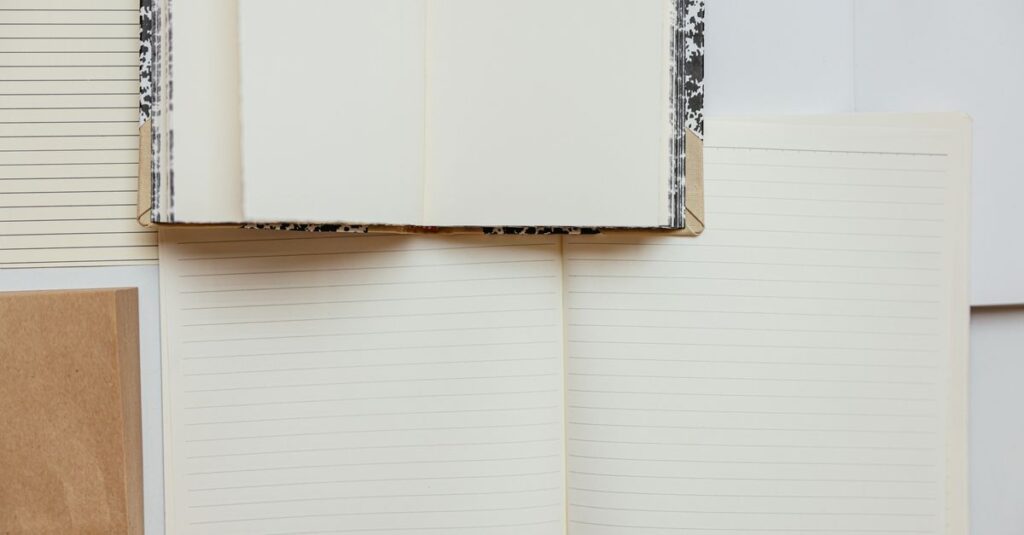
| Paper Core | Lower GSM (often 40-48). Feels thin, often greyish. High show-through. | Standard 54-60 GSM writing paper. Good opacity, smooth finish for pen or pencil. |
| Binding Integrity | Staples or weak glue. Pages loosen quickly with use. Covers detach. | Stitched binding or reinforced perfect binding. Survives a full year of student/business use. |
| Printing Quality | Faded lines, misaligned margins. Ink may smudge. Cover prints pixelate. | Crisp, consistent ruling. Sharp logo/brand printing. Fade-resistant. |
| Cover Durability | Thin card that curls and tears. Lamination peels at corners. | Stiff board base, proper lamination or varnish for scuff resistance. |
| Cost Model | Low upfront price per unit. High hidden cost of complaints, replacements, and reputational damage. | Fair, transparent price. Total cost of ownership is lower. Builds trust and repeat business. |
| Supplier Relationship | Transactional. Here today, gone tomorrow. Hard to pin down for issues. | Partnership. Reliable supply chain, consistent quality, problem-solving support. |
See the pattern? The right-hand column isn’t about luxury. It’s about absence of failure. That’s the real product.
The Customization Trap (And Opportunity)
This is where the ‘copy price’ dream really meets reality. You want your logo. Your school’s crest. A specific color scheme. Great! Customization is what we do a lot of. But it’s a cost adder, and how it’s done separates a proper job from a mess.
A low-cost ‘copier’ will often just slap your logo file onto a standard, low-quality cover template. The result looks… cheap. Because it is. The printing might be off-register. The colors won’t match your brand.
A real manufacturer views customization as part of the product. We’ll talk about:
- File Prep: Giving you the right format specs so your logo prints sharp.
- Material Choice: Using the right paper and laminate to make your brand look good, not just present.
- Proofs: Sending you a physical or digital proof to sign off on before we run 10,000 units. This step alone saves thousands in misprinted stock.
The irony? Proper custom printing services, done right, often give you a better total value than a cheap copy of a generic book. Your brand deserves to look like it matters.
Frequently Asked Questions
What is the main difference between a Classmate copy and an original?
The main difference is in the consistency of quality and material integrity. A ‘copy’ cuts corners on paper density, binding adhesive, and print durability to hit a low price point. An original (or a quality manufacturer’s equivalent) is built to a performance standard, not just a price. The pages won’t tear out, the writing won’t ghost through, and it’ll last the term.
Can I get a lower price for a very large bulk order of notebooks?
Absolutely. This is where real savings happen. A confirmed bulk order (think 50,000+ units) allows a factory to optimize production runs, buy paper in economic lots, and reduce setup costs. A reputable manufacturer will absolutely offer a better per-unit price for volume. Always ask for a bulk quote rather than basing decisions on a per-notebook ‘copy price’.
How important is paper GSM in a notebook?
It’s probably the most important factor after binding. GSM (Grams per Square Meter) measures paper weight and thickness. Standard notebook paper is 54-60 GSM. Lower GSM (like 40-48) feels flimsy, is often see-through, and doesn’t handle erasing or fountain pen ink well. It’s the first sign of a cost-cutting ‘copy’. Good GSM paper makes the writing experience better and the notebook feel substantial.
What should I look for in a notebook manufacturer, not just a supplier?
Look for experience, production capability, and transparency. How long have they been operating? Can they show you their binding and printing processes? Will they provide paper samples? Do they ask questions about your use case? A manufacturer invests in the machinery and expertise. A supplier might just be a middleman hunting for the cheapest ‘classmate copy price’ to resell to you.
Do you export notebooks internationally?
Yes, we do. We regularly supply bulk and custom notebooks to markets in the Gulf, Africa, Europe, and the USA. The process is well-established—we handle export documentation, ensure packing meets shipping standards, and work with reliable freight partners. The key is planning lead times for sea freight, which helps keep costs manageable for large overseas orders.
Wrapping This Up
So, you came looking for a ‘classmate copy price’. I hope you leave thinking about total cost, not unit price. About reliability, not just a delivery. The notebook business, when you’ve been in it for four decades, teaches you that the cheapest option is almost always the most expensive mistake.
It’s about supplying a tool that just works. That doesn’t call attention to itself by falling apart. The value is in the absence of problems. In the principal who doesn’t have to call you. In the corporate client who re-orders without even asking for samples again.
I don’t think there’s one perfect price point. Probably there isn’t. But if you’ve read this far, you already know what you need—you’re just figuring out how to justify the smarter buy to your finance team. Maybe start with a conversation and a sample. See and feel the difference that forty years of getting it right makes.
If the idea of a reliable partner, not just a cheap quote, sounds like what you’ve been missing, let’s talk. We can run the numbers the right way.