The Quiet Power of a Blank Page
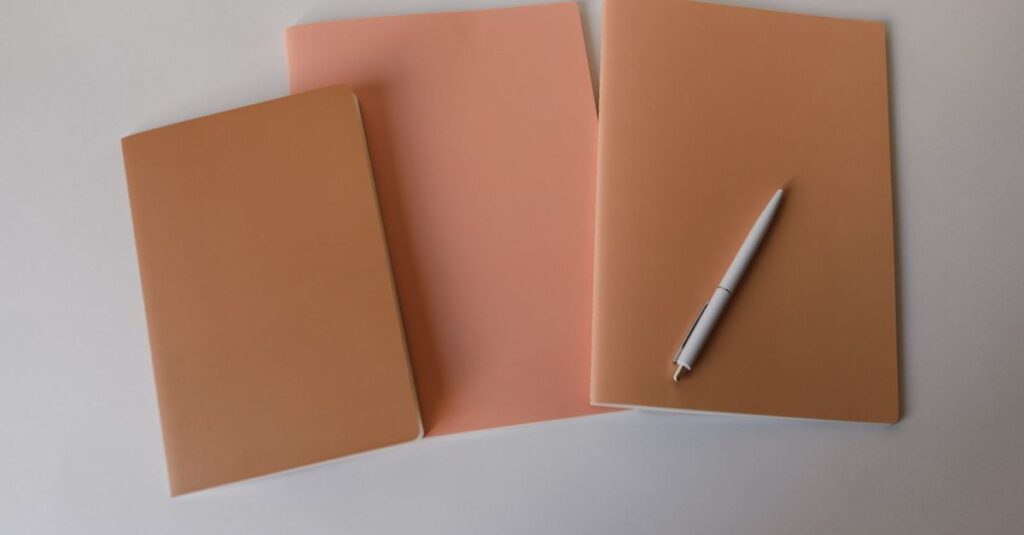
You know that unruled notebook from Classmate? The blue or green one with the smooth cover. Schools order them by the pallet. Procurement managers tick it off a list. Students get them handed out on the first day.
But nobody really talks about it. It’s just… paper. Blank paper.
Here’s the thing I’ve learned from making notebooks for forty years: the unruled ones are the most strategic buy in the whole stationery cupboard. It’s not about what’s on the page. It’s about what the page itself allows — freedom, diagrams, rough work, ideas that don’t fit in lines. And when you’re ordering thousands of them for a school district or a corporate training program, that blankness becomes a calculated decision, not an accident.
I was on a call with a procurement head from a big private school chain in Hyderabad last month. He said something that stuck with me: “We switched 30% of our notebook budget to unruled last year. Not for art class. For math and science. The teachers demanded it.” That’s the shift nobody’s writing about. If you’re sourcing these in bulk, understanding what you’re actually buying changes everything.
Beyond The Brand: What You’re Really Sourcing
When someone searches for “Classmate unruled notebook,” especially a bulk buyer, they’re not just looking for a brand. They’re looking for a specific standard. A known quantity of paper, binding, and size that won’t get them yelled at by a thousand parents or a board of directors. It’s a safe choice. I get it.
But let’s pull that apart. What makes that notebook? It’s three things, really.
First, the paper. That’s the whole game. Classmate built its reputation on 70-75 GSM paper that doesn’t bleed through with most pens. It’s smooth, but not glossy. It has a certain tooth — a slight texture that makes writing feel solid. For an unruled notebook, that feel is everything. A cheap, slippery paper makes diagrams a nightmare; pencil sketches look weak.
Second, the binding. It’s usually centre-stitched. Not spiral, not perfect-bound. Those stitches mean it lays flat-ish when new and holds together when a kid inevitably tries to rip a page out. It’s a workhorse binding. Simple. Durable. Boring, in the best possible way.
Third, the size. The “Long” size (around 27×17 cm) is the classic. It’s the Goldilocks zone — big enough for a mind map, small enough to fit in a backpack. When you order 10,000 units, you need to know every dimension down to the millimetre for storage and shipping. This size is a logistical constant.
Anyway. The point is, you’re sourcing a system. A reliable, predictable output of blank pages. Once you see it that way, other options open up.
A Quick Story From The Ground
Rahul, 28, runs a mid-sized stationery distributorship in Vijayawada. He told me this over a very sweet coffee. His biggest headache wasn’t moving Classmate notebooks — they sold themselves. His headache was the four-month wait during peak season from the main distributor. “I had school principals calling me every day,” he said. “One of them, she finally said, ‘Just give me something that feels the same. The kids need to draw.'” That’s the moment your brand loyalty hits a hard, logistical wall. He found a local manufacturer. The school was happy. The cycle broke.
The Bulk Buyer’s Dilemma: Brand vs. Custom
So you need 5,000 unruled notebooks. Do you go for the branded safety of Classmate? Or do you look at a custom manufacturer?
Most people think it’s a simple price check. It’s not. It’s a check on control, timing, and hidden value.
With a branded bulk order, you’re in a queue. Your delivery date is when they can fit you in. Your paper is what they decide. Your cover is their design. You get consistency, but you give up all flexibility. Need a school logo embossed on the cover? Not happening. Want a slightly heavier paper for art portfolios? Nope.
With a custom manufacturer — and I’m talking about places like ours that have been doing this since before mobile phones — you start with a blank slate. Literally. You want unruled pages? Great. What GSM? 70? 80? 100? What size? Standard long, or a custom A4? What binding? Stitched, spiral, or something else? Do you want your institution’s name on the cover in a specific colour?
The table below isn’t about saying one is bad. It’s about showing you what you’re actually choosing between.
| Aspect | Branded Notebook (e.g., Classmate) | Custom-Manufactured Notebook |
|---|---|---|
| Paper Specification | Fixed (usually 70-75 GSM) | Fully customizable (54 GSM to 100+ GSM) |
| Cover Design | Standard brand design | Your logo, colours, and text |
| Lead Time | Subject to distributor stock & queue | Directly controlled by production schedule |
| Pricing | MRP-based, less bulk flexibility | Often more competitive at true bulk volumes |
| Unique Requirements | Rarely accommodated | Built into the order (e.g., perforated pages, special binding) |
Look, the branded notebook is a fantastic product. But it’s a product. A custom notebook is a solution. For a corporate order for a leadership retreat, or a university’s engineering department, that distinction isn’t small. It’s the whole point.
If you’re evaluating a custom printing partner, the questions change from “What’s the price per piece?” to “Can you make what we actually need?”
Unruled Isn’t Unused: The Real-World Demand
This is where most procurement calculations go sideways. They see “unruled” and budget it for the art teacher or the occasional project. It’s a niche line item.
That’s wrong. Completely.
Modern pedagogy — from primary school to professional workshops — leans heavily on visual thinking. Mind maps. Flow charts. Sketch notes. Problem diagrams. You can’t do that neatly in a single-ruled book. The lines get in the way. The unruled notebook has become the default tool for anyone trying to think, not just transcribe.
I was reading an article last month about study habits. One line from an educational researcher hit me: “The constraint of lined paper is linguistic. The freedom of unruled paper is cognitive.” I’m probably butchering the quote. But the idea is solid. You’re not buying empty paper. You’re buying potential cognitive space.
So when you’re forecasting demand for the next academic year, don’t base your unruled numbers on last year’s art class enrollment. Base it on the number of students taking math, science, computer science, and design thinking. Base it on how many corporate trainers you have who use whiteboards. That number is probably three or four times bigger than you think.
Expert Insight
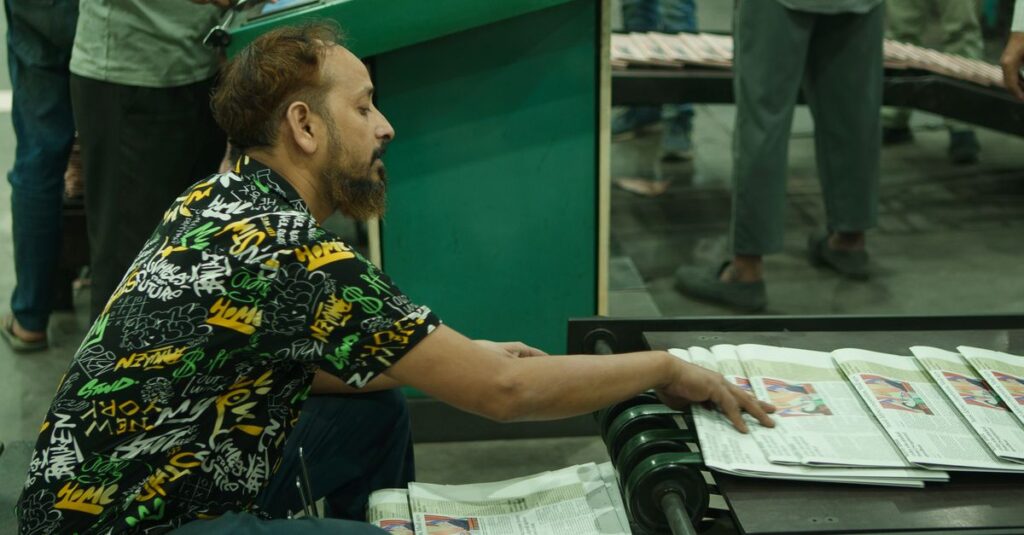
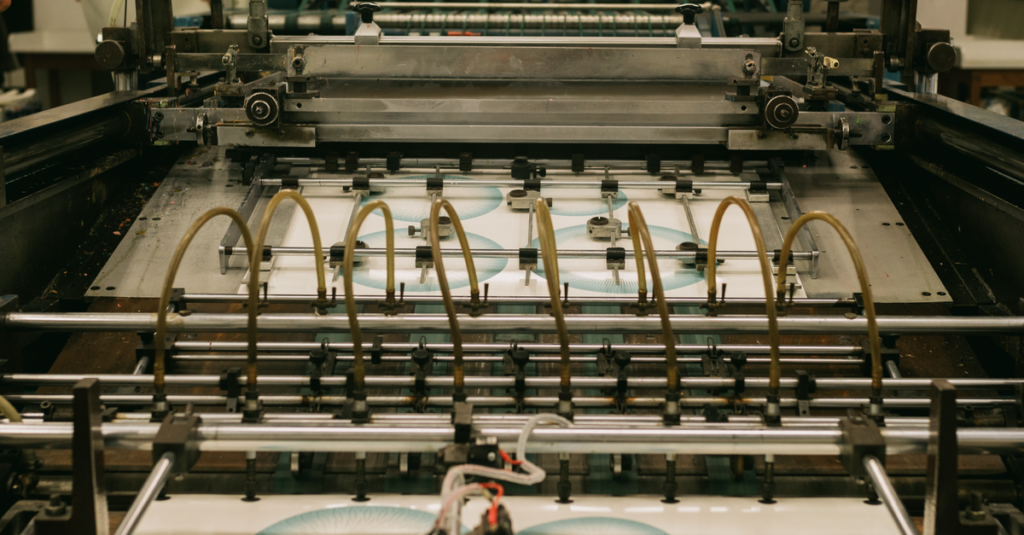
A binder from our factory floor — he’s been here longer than I have — once told me something obvious that I’d never considered. We were watching a machine spit out perfectly blank sheets. He said, “Everyone worries about the print alignment on ruled paper. Is the line straight? Is the margin perfect? This,” he pointed at the blank stack, “this is the hardest to get right. Because any flaw, any smudge, any variation in the white, you see it immediately.” Perfect blankness is a high standard. It demands better paper, cleaner machines, more attention. The unruled notebook, in a weird way, is the quality benchmark for the whole plant.
Making The Decision: A Checklist for Bulk Buyers
Right. Let’s be practical. You’ve got a PO to sign. Here’s what you should actually care about, in order.
- Paper Feel & Weight (GSM): Don’t just accept a number. Get a sample. Write on it with the pens you know your users will use. Draw. Erase. See if it ghosts.
- Binding Durability: Open it to the middle. Does it lie flat? Gently tug on a page. Does it feel like it’s part of the book, or an afterthought?
- Cover Practicality: Is it thick enough to survive a term in a bag? Is the finish wipeable? (You’d be amazed how important that is.)
- Supply Reliability: Can your supplier guarantee a delivery date for a re-order in the middle of the July rush? Or are you just hoping?
- Total Cost, Not Unit Cost: Include freight, storage, and the administrative cost of dealing with multiple partial shipments. A slightly higher unit price from a reliable, local manufacturer who delivers on time often wins.
The goal isn’t to buy the cheapest notebook. It’s to buy the notebook that causes zero problems for the next twelve months. That’s the real metric.
And honestly? Sometimes that will be the branded option. Often, though, especially for specialized institutional needs, a direct manufacturer who treats your order as a unique project is the smarter long-term play. You’re building a supply relationship, not just clearing an item on a list.
Frequently Asked Questions
What is the standard paper quality in a Classmate unruled notebook?
It’s typically around 70-75 GSM (grams per square metre) paper. This is a good, mid-weight writing paper that prevents most ink from bleeding through and provides a smooth surface for both pen and pencil. It’s the benchmark most other notebooks are measured against.
Can I get custom unruled notebooks with my company logo?
Absolutely. This is where working directly with a manufacturer makes sense. You can specify the exact paper weight, cover material, binding type, and have your logo, colours, and text printed or embossed on the cover. It turns a generic supply into branded asset.
Are unruled notebooks only for drawing and art?
Not at all. That’s the biggest misconception. They’re essential for STEM subjects (diagrams, equations, graphs), for note-taking methods like sketch-noting, for planning, brainstorming, and technical drafting. They’re for any thinking that isn’t purely linear text.
What’s the minimum order quantity for custom unruled notebooks?
It varies by manufacturer. At Sri Rama Notebooks, for a custom job, we can start discussions at around 500 pieces. For truly standard specs (like mimicking a classic unruled notebook), the MOQ can be lower. It’s always best to just ask with your specific needs.
How do I ensure the paper is good quality for bulk purchase?
Always, always request a physical sample before placing a large order. Test it. Write on both sides. Check for show-through. Feel the surface. A reputable manufacturer will send one without hesitation. If they won’t, see that as a red flag.
The Bottom Line
Procurement is about risk management. The Classmate unruled notebook is a low-risk choice. Everyone knows it. It works.
But the higher-value move is to see past the brand to the function. You need durable, blank paper in a dependable format. Once that’s your core requirement, your supplier list gets wider, your control increases, and your costs often get better.
I don’t think there’s one right answer. Probably there isn’t. But if you’re sourcing these in the thousands, you’re not just buying stationery. You’re buying a tool for thought. The only question left is whether you want to own the specification for that tool, or just rent it from a brand.
If figuring out that specification sounds like your next step, talking to a manufacturer directly is probably where you start. Even if you just get a sample and a quote, it frames the whole decision differently.