The Silent Thing That Makes You Pick It Up
You walk into a supplier’s warehouse, or you’re scrolling through a bulk catalog. You’re looking for notebooks for your school, your office, maybe a corporate giveaway. You pick one up. Put it down. Pick up another. That first few seconds? That’s the cover of paper. That’s the handshake before anyone reads a single word inside. It’s not about the text on the cover — not yet. It’s about the feel, the weight, the promise of what’s inside not falling apart in a month. And honestly? Most manufacturers get this part wrong. They focus on the printing, the ruling, the price. They forget that the cover is the first and last thing anyone touches. It’s the only part of a notebook that gets worn, folded, shoved in a bag, and stared at on a desk all day. If you’re ordering in bulk, this is the only part of the notebook that matters from a marketing and durability standpoint. Get it right, and the notebook feels like quality. Get it wrong, and no amount of good paper inside saves it. Anyway. If you’re tired of notebooks that look cheap the moment you hand them out, starting with the cover is probably where you need to look.
It’s Not Just Protection. It’s Psychology.
Here’s the thing — a cover of paper, in simple terms, is the outer layer of a notebook, the part that wraps around the pages. But that description? It does nothing. It’s like saying a handshake is just a grip. Not quite. In manufacturing, we talk about it in terms of GSM (grams per square meter), coating, and folding endurance. For a buyer? It’s about three things: does it feel substantial, does it lie flat, and will it survive a backpack? The paper cover is the default, the workhorse. It’s cheaper than hardcover, lighter, easier to print on. For schools ordering thousands of units? It’s often the only practical choice. For a corporate diary? It’s a canvas for your brand. But the psychology is this: a flimsy cover tells the user the contents are flimsy. A firm, cleanly folded cover with a slight texture says someone cared about making this. I’ve seen procurement managers reject entire batches because the cover stock felt “off.” Not torn. Not misprinted. Just… off. The weight in the hand was wrong. That’s the level of subtlety we’re talking about.
I was talking to a school administrator from Visakhapatnam last month — Priya, she’s been ordering books for a decade. She said something I keep thinking about. She gets sample notebooks from maybe five suppliers every year. She opens them, feels the cover, bends it back. Then she gives them to a couple of teachers. Without saying anything. The teachers always, without fail, pick the one with the better cover stock. They don’t know the GSM. They just say “this one feels nicer.” And that’s the notebook she orders 5,000 of. It’s that simple, and that complicated.
Expert Insight
I was reading an old industry journal once — a physical one, pages yellowing — and a line from a bindery manager stuck with me. He said the cover is the only part of the book that fights gravity and human carelessness every single day. The spine takes the stress of opening. The corners take the impact of drops. The surface takes the friction of bags and desks. Choosing cover paper isn’t about picking a thickness; it’s about predicting a battle. And the standard 250-300 GSM paper cover? That’s the infantry. It works. But if you want it to last longer than a school term, you reinforce it. You laminate it. You score the spine perfectly so it folds without cracking. I don’t have a cleaner way to put it than that: a cover is a prediction of violence.
Paper Cover vs. Everything Else: The Real Choice
So you’re trying to decide. Paper cover, hardcover, plastic cover, maybe something fancy. Let’s cut through the noise. A paper cover is your baseline. It’s for everyday use. It’s for bulk orders where budget is real and you need 50,000 units by next month. A hardcover is for prestige, for diaries meant to sit on a desk all year, for record books that need to last a decade. But here’s the twist people don’t realize: a well-made paper cover notebook can outlast a poorly made hardcover. How? The binding. If the pages are perfectly stitched and glued to that paper cover, it becomes one solid unit. A hardcover with cheap, shaky binding will shed its pages. The cover material is only half the story. The marriage between the cover and the binding is the whole marriage.
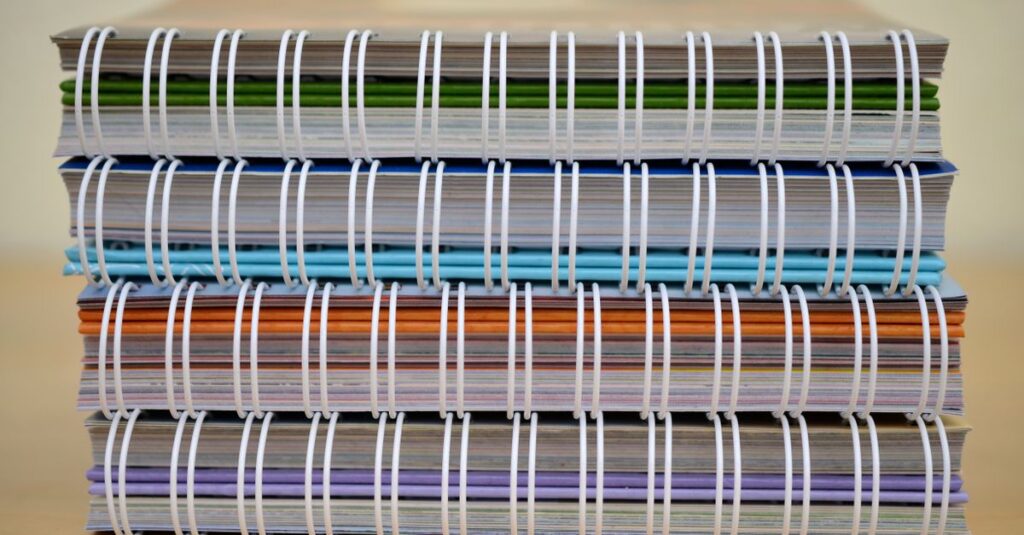
Think about it this way. You’re a stationery distributor. You want a reliable product that won’t come back to you with complaints. You look at the cover. But you should be asking the manufacturer: “How do you bind the pages to this cover?” The answer tells you more than the GSM weight ever will. Stitched binding into a paper cover? That’s a durable notebook. Perfect binding? Good for lay-flat, but test the glue. Spiral binding with a paper cover? Make sure the holes are reinforced, or they’ll tear out. The cover is the body, but the binding is the skeleton. You need both to be strong.
| Feature | Standard Paper Cover (250-300 GSM) | Laminated Paper Cover |
|---|---|---|
| Durability | Good for single-term school use, light office use. | High. Resists moisture, scuffing, general wear. Lasts multiple terms. |
| Print Quality | Good, but ink can smudge if wet. | Excellent. Colors are vibrant and protected. Gloss or matte finish options. |
| Cost Implication | Most cost-effective. The baseline for bulk. | Slightly higher, but often worth it for brand perception and longevity. |
| Best For | General school notebooks, internal office notepads, short-term projects. | Corporate diaries, branded merchandise, premium student notebooks, export quality. |
| Feel & Perception | Feels like a standard notebook. Functional. | Feels premium, professional. Adds perceived value instantly. |
| Customization | Easy to print, but design options are limited by paper quality. | Allows for complex, full-color designs that pop. The go-to for branding. |
What You’re Actually Buying: GSM, Coating, and The Fold
Okay, let’s get technical for a minute, but I’ll keep it human. When we quote a “cover of paper,” we’re talking about three main things. The GSM, which is the weight. Thicker isn’t always better — too thick, and it won’t fold neatly at the spine. It’ll crack. Too thin, and it’ll feel like a pamphlet. For most bulk school and office notebooks, the sweet spot is 250 to 300 GSM. It has heft, it folds cleanly, it protects the pages. The second thing is coating. This is the secret sauce. An uncoated paper cover is just… paper. It absorbs ink, can feel a bit rough. A coated cover has a layer (clay, usually) that makes the surface smooth. This does two things: it makes colors brighter when you print your logo or design, and it adds a tiny bit of resistance to dirt and water. Then there’s lamination. This is a plastic film applied over the printed cover. This is what makes a notebook feel “corporate.” It’s shiny (or matte), it’s wipeable, it’s tough. It’s the next step up.
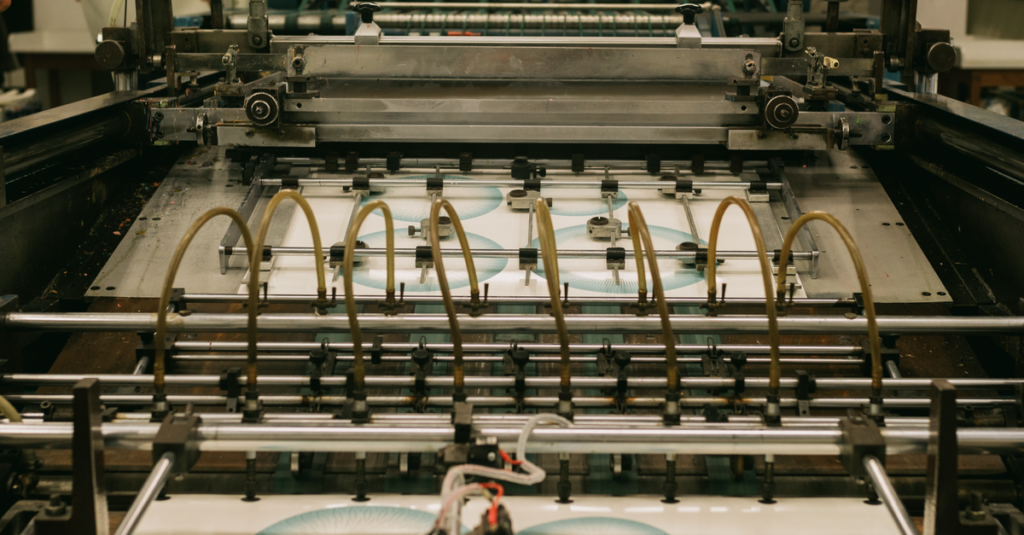
The third thing is the fold and the score. This is pure manufacturing skill. The cover paper is printed flat. Then, a machine scores a line along the spine so it folds perfectly, without cracking the paper fibers or the print. A bad score line means the cover bulges, the notebook won’t close flat, and the spine looks messy. I’ve seen it a hundred times. You can have the best 300 GSM paper, but if the scoring is off by a millimeter, the whole notebook feels cheap. This is where a manufacturer’s experience shows up. Not in the fancy brochure, but in the crispness of that fold. After four decades, you learn to hear the difference a good scoring machine makes. It’s a specific sound.
Right. So you’re a business looking for custom printed notebooks. Don’t just ask for “paper cover.” Ask: “What GSM is your standard cover stock? Is it coated? Can you show me a sample of the spine fold?” Their answers — and the sample — will tell you everything.
The Unspoken Truth About Customization and Branding
Look, I’ll be direct. The primary reason businesses come to us for custom notebooks isn’t for the pages. It’s for the cover of paper. It’s the billboard. It’s the only part of the product that carries your logo, your colors, your message. You can have the finest 100 GSM writing paper inside, but if the cover looks faded or the lamination peels, that’s the memory people have of your brand. A cheap-feeling notebook with your logo on it is worse than giving no notebook at all. It actively hurts your image. I think about this a lot when we work with startups or even big corporates in Hyderabad or Chennai. They want something “cost-effective.” I get it. Budgets are real. But there’s a line. Dropping from a 300 GSM laminated cover to a 200 GSM uncoated one saves you maybe 7% per unit. And it makes the product look 50% cheaper. It’s a terrible trade.
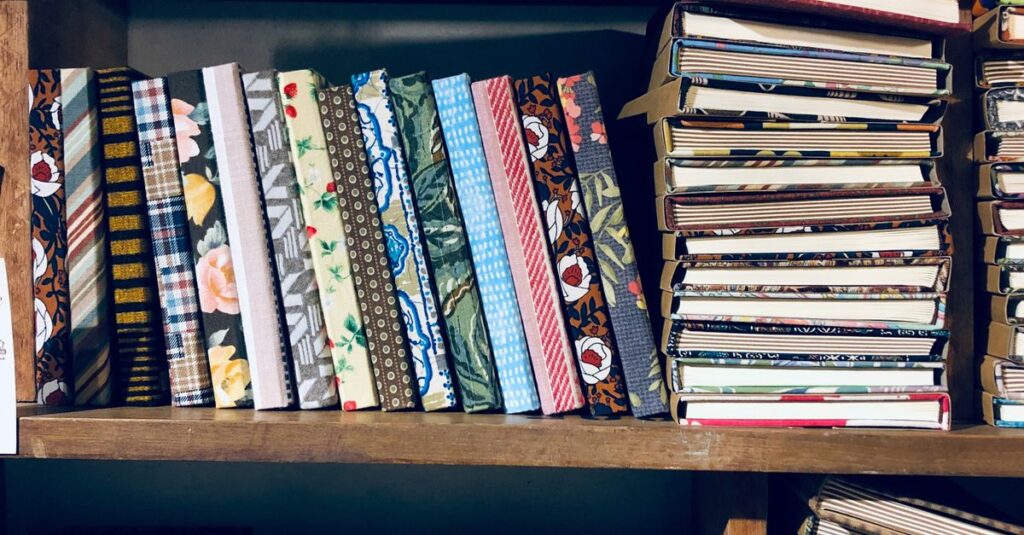
The magic of a custom cover is that it transforms a commodity into a signature. A school notebook with the school crest and colors on a sturdy, laminated cover creates pride. A corporate diary with a sleek, matte-laminated cover and embossed logo feels like an appointment. This isn’t marketing fluff. It’s tactile psychology. People keep things that feel valuable. They throw away things that feel disposable. Your goal shouldn’t be just to put your logo on a notebook. It should be to put your logo on a notebook people want to keep. And that starts — and ends — with the cover.
And honestly? The production side is a headache if you’re not working with the right people. Color matching, bleed margins, spine alignment for printing — it’s easy to mess up. I remember one order, early on, where we printed a beautiful maroon cover for a college. The color on screen was perfect. The print proof looked great. The batch of 10,000 came out… slightly purple. Not hugely, but enough. The paper had a different underlying tone than we tested on. We ate the cost. Redid the whole batch. Lesson learned, burned into memory. The cover paper itself changes how ink sits on it. You have to know that. You have to test that.
How to Spot Quality (When You’re Not a Manufacturer)
So you’re not in the factory. You’re holding a sample, or you’re looking at a photo online. What do you check? I’ll give you a quick list. First, bend the cover back along the spine. Gently. Does it fold smoothly, or does it resist and crackle? A smooth fold is good scoring and decent paper quality. Second, look at the corners. Are they sharp and crisp, or are they already slightly rounded and fluffy? Sharp corners mean better cutting dies and better paper compaction. Third, feel the surface. Run your thumb across it. Is it smooth, or does it have a texture? Both can be good, but it should be even. No rough patches. Fourth, check the print. Especially near the spine fold. Is the color consistent, or is it lighter where it was bent? Inconsistent color means the printing and folding process aren’t in sync. Finally, just hold it. Does it feel like it has some substance, or does it feel like it might float away? Weight matters.
For bulk buyers — schools, corporations, distributors — I’d add one more thing. Ask for a “destructive sample.” Ask the manufacturer to send you a notebook you can rip apart. Tear a page out. See how well it’s bound to the cover. Try to peel the lamination at the corner. A good manufacturer won’t be afraid of this. A bad one will make excuses. It’s the fastest way to see what you’re really buying. Because the cover of paper is the first impression, but the binding is the long-term relationship. You need both to work.
Frequently Asked Questions
What is the standard GSM for a notebook paper cover?
For most school and general office notebooks, the standard cover paper weight is between 250 and 300 GSM. This provides a good balance of durability, a premium feel, and cost-effectiveness for bulk orders. Thinner paper (below 200 GSM) feels flimsy, while much thicker paper can make the spine fold poorly.
Is a laminated paper cover better than a normal one?
For most use cases, yes. Lamination adds a plastic film layer that protects the printed design from scratches, water splashes, and general wear. It makes colors look richer and gives the notebook a more professional, finished feel. It’s highly recommended for corporate branding or any notebook meant to last more than a few months.
Can you print any design on a paper cover?
Pretty much, yes. With modern offset and digital printing, you can print full-color logos, photographs, and complex graphics directly onto the cover paper. The key is working with a manufacturer who understands color matching and has the right equipment to ensure your design prints crisply and aligns correctly on the spine and edges.
What’s the difference between a paper cover and a hardcover?
A paper cover is just that—thick paper wrapped around the pages. It’s flexible, lighter, and more economical. A hardcover (or board cover) uses rigid cardboard wrapped in a material like vinyl or cloth. It’s far more durable and prestigious but is also heavier, more expensive, and takes longer to produce. Choose paper for bulk and practicality, hardcover for longevity and prestige.
How does the cover affect the binding of the notebook?
They’re completely linked. The cover must be strong enough to hold the binding—whether stitched, spiral, or glued. A weak cover will detach from the pages. The spine of the cover is scored (indented) to allow for a clean fold that matches the binding’s natural opening. Poor scoring leads to a bulky spine and a notebook that won’t lie flat.
The Takeaway
Here’s what I want you to remember. The cover of paper is the single most important physical component of a notebook for a buyer. It’s the interface. It signals quality, durability, and care before a single page is turned. When you’re sourcing in bulk, don’t treat it as an afterthought or just a place to slap a logo. The GSM, the coating, the lamination, the precision of the fold — these aren’t minor specs. They’re the difference between a notebook that feels like a tool and one that feels like waste. For schools, it impacts student pride. For corporations, it reflects your brand’s attention to detail. For distributors, it’s the reason a product gets re-ordered or sits on a shelf. I don’t think there’s one perfect cover for every job. Probably there isn’t. But if you’ve read this far, you already know the questions to ask — you’re just figuring out which manufacturer has the honest answers. And maybe that’s the point.
If the idea of getting the cover right — for once — resonates with you, it might be worth starting a conversation with people who’ve done this for longer than they care to admit.