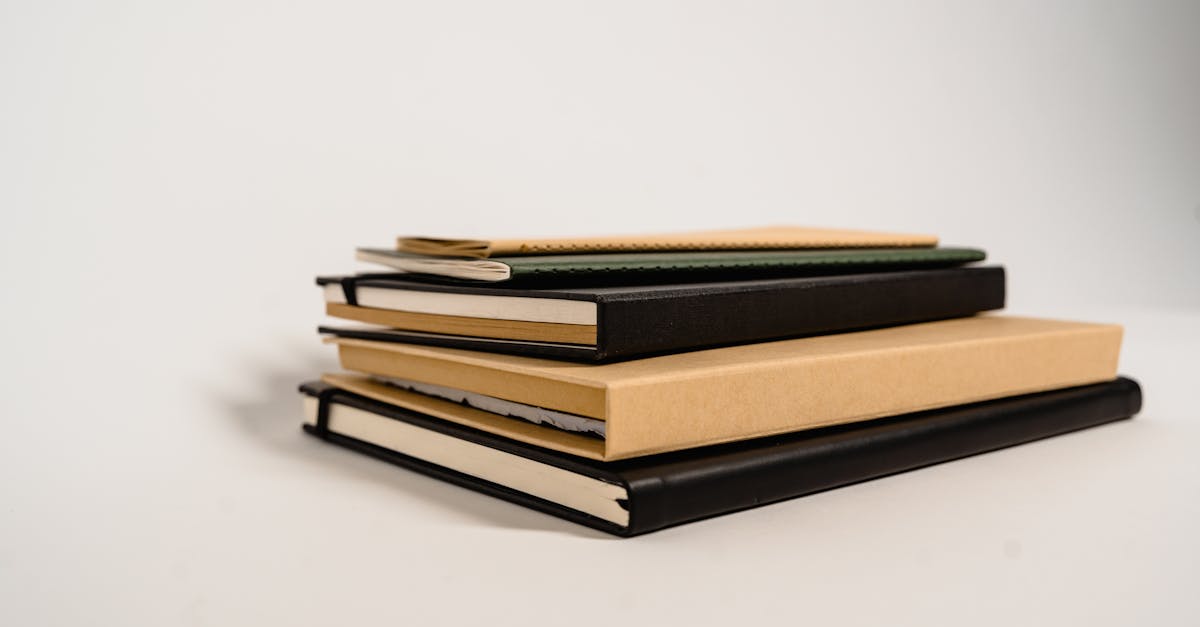
You think nobody uses diaries anymore. You’re wrong.
Here’s a confession: every year, my own company places an order for hundreds of diaries. Not just for us, but for clients, partners, distributors. People see them on a desk and smile. It’s an artifact. A thing you can hold.
But when you search for something like “diary online” these days, you get digital planners. Apps. Software. And sure, those are fine. But the people we talk to — procurement managers, office admins, corporate gifting coordinators — they aren’t looking for an app. They’re looking for a physical thing they need to order, in bulk, online. And they need it to be good. They need it to show up on time. They need it to make their boss look thoughtful and their company look solid.
You’re probably reading this because you’ve been tasked with “finding diaries.” And you’re wondering if it’s even worth it in 2024. I get it. The budget is tight, everyone uses their phone. But that’s exactly why the right printed diary works now. Because nobody expects it. It cuts through the noise.
Anyway. Let’s talk about what you’re actually trying to do. If this sounds like the problem you’re trying to solve, seeing how other companies handle it might help.
The real reason corporate diaries are back
Look, I’ll be direct. It’s not about writing down meetings. Your phone does that. It’s about three other things that got lost in the digital shuffle.
First, it’s a physical touchpoint in a virtual relationship. You send an email. I send an email. We Zoom. It’s all pixels. Then a beautifully bound diary arrives with your company logo. It lands on a desk. It has weight. Texture. For 365 days, it’s right there, a quiet reminder of who you are. That’s marketing you can’t delete.
Second — and this is the part nobody says out loud — it’s a status thing. But not in a bad way. In a “we pay attention to details” way. The quality of the paper. The sharpness of the print. The way the binding feels. It tells your client, your employee, your distributor: We do things properly. Cheap spiral-bound crap from the office supply store says the opposite.
Third, it forces a kind of focus that scrolling kills. I think — and I could be wrong — that writing by hand sticks differently. The act of physically blocking out time for a project, circling a deadline. It’s commitment. It’s intentional.
Most people I’ve spoken to say they keep one for big-picture stuff. The digital calendar is for the “what,” the paper diary is for the “why.”
Expert Insight
I was reading something last month about tactile marketing, and one line stuck with me. The researcher said something like — in an age of infinite digital choice, the finite physical object gains disproportionate value. It’s scarce by definition. I don’t have a cleaner way to put it than that. The more screens we have, the more a well-made book matters.
What happens when you order diaries online (and what usually goes wrong)
Let’s say you Google “buy corporate diaries online.” You’ll find a thousand printers. Some are great. Some will send you something that looks like a child’s project. The gap between what you see on a screen and what arrives in a box is where trust either gets built or shattered completely.
Picture Priya, 38, an admin manager for a mid-sized tech firm in Hyderabad. Her boss wants 200 custom diaries for the new fiscal year, to be given out at the leadership offsite. She finds a supplier online with nice pictures. The quote is good. She sends the logo. Four weeks later, a pallet arrives. The color is off. The logo is pixelated. The paper feels like newsprint. The offsite is in three days. Panic.
This is the daily reality for procurement people. The risk isn’t financial, it’s reputational. You don’t want to be the person who handed out the crappy diaries.
So what are you actually buying? You’re buying the manufacturer’s eye for detail. Their paper stock. Their binding machine. Their quality check person who actually cares. You’re buying their experience in shipping 40 boxes to Raipur without a single crushed corner. That’s what “online” really means — it’s just the front door to a very physical, very precise operation.
If you’re starting this process, understanding the printing and customization part is where to begin.
Breaking down the diary: A guide for the person holding the purse strings
Okay, so you need to make a decision. Let’s talk specs, not fluff. When you’re evaluating a diary manufacturer online, these are the parts that make or break the thing.
- The Cover: It’s the first impression. Hardbound or soft-touch laminate? Embossed logo or foil stamping? Thick board inside? This decides if it feels premium or disposable.
- The Paper: This is everything. Too thin and ink bleeds, it feels cheap. Too thick and the book becomes a brick. We use around 70-80 GSM paper for diary pages — smooth enough to write on, opaque enough that you can’t see through to the next page. The ruling matters too. Do your people want day-by-day scheduling, week-to-view, or just plain pages for notes?
- The Binding: This is the engineering. Perfect binding (like a paperback) looks clean. Smyth-sewn binding (where sections are stitched together) lets the book lie flat and lasts for years. Spiral binding is practical but rarely says “corporate gift.”
- The Inside Matter: The calendar pages, the public holidays, the maps, the conversion charts. Are they relevant to your audience? A diary for export clients might need international holidays. One for the sales team might need extra pages for client notes.
- Packaging: How do they ship 500 diaries? Individually wrapped? In master cartons? Is it packed to survive a rough courier ride to a remote site office?
You see, ordering diaries online isn’t clicking ‘add to cart.’ It’s a conversation about these five points. If a supplier can’t talk about them easily, walk away.
Printed Corporate Diary vs. Generic Store-Bought Diary
| Feature | Custom Printed Corporate Diary | Generic Store-Bought Diary |
|---|---|---|
| Branding | Your logo, colors, and message on cover and pages. | Branded with publisher/retailer logo. No customization. |
| Perceived Value | High. Seen as a thoughtful corporate gift or tool. | Low. Seen as a personal stationery purchase. |
| Paper & Binding Quality | Chosen by you for durability and writing experience. | Mass-produced standard, often lower GSM paper, basic binding. |
| Internal Content | Can be customized (company info, relevant charts, dates). | Fixed, generic content (standard holidays, maps). |
| Cost per Unit (Bulk) | Higher upfront, but lower cost-per-impression over its lifetime. | Seemingly lower at checkout, but zero marketing return. |
| Lead Time & Logistics | Requires planning (4-6 weeks for production). Delivered in bulk. | Immediate purchase. You handle distribution. |
| Primary Purpose | Brand reinforcement, client/employee gifting, utility. | Pure personal utility. |
Look, the table makes it obvious. You’re not buying a diary. You’re buying a year-long brand ambassador that also tells the date.
The logistics of “online”: How bulk diary orders actually work
Right. So you’ve picked a supplier. Now what? The dance begins. From our side of the fence — the manufacturing side — here’s how a smooth order goes. And how it goes wrong.
A good process starts with a proof. Not just a PDF, but a physical dummy. You get to feel the paper weight, check the color under your office lights, see how the binding opens. This step? Non-negotiable. Skipping it to save a week is how Priya’s story happens.
Then production. For a run of, say, 2000 diaries, it’s not one big machine that goes “whirr” and spits them out. It’s stages. Printing the cover. Printing the inner pages. Cutting. Folding. Gathering the sections. Sewing or gluing. Trimming. Quality checking — and I mean actually flipping through every single book for major flaws, and spot-checking random ones for everything else. This takes time. Real, physical, machine-and-human time.
Then packing. We don’t just throw them in a box. They’re stacked, wrapped in paper, boxed in quantities that make sense for you. Maybe you want 50 per carton for easy distribution to branches.
Finally, shipping. This is its own headache. Do you need them all to one corporate HQ? Or direct-to-different branch offices? We’ve had clients who want us to ship 5 diaries each to 40 different addresses. It’s a spreadsheet nightmare, but it’s what the job needs. A supplier who only does pallet-to-one-location isn’t thinking about your actual problem.
The timeline? From approved proof to dispatch, give it 3 to 4 weeks for a standard order. Rush jobs are possible, but they cost more and stress everyone out. Plan ahead. Your future self will thank you.
FAQ: What people actually ask about ordering diaries online
Frequently Asked Questions
What is the minimum order quantity (MOQ) for custom diaries?
It varies, but most serious manufacturers need a minimum run to make the setup for your custom print worthwhile. Typically, you’re looking at 100 pieces for simple logo printing, and 500+ for fully customized diaries with unique interiors. It’s about the cost of plates and machine setup time.
How long does it take to produce and deliver bulk diaries?
Once the final design proof is approved, production usually takes 3 to 4 weeks. Then add shipping time based on your location. So, from “go” to delivery, plan for a 5 to 6 week timeline. Always build in buffer time — things like paper stock delays or festival holidays can happen.
Can I see a sample before placing the full order?
You should absolutely insist on it. A reputable supplier will either send a “dummy” (a blank version with your exact specs) or a sample from a previous job so you can judge quality. Never, ever place a bulk order for custom diaries online without feeling the physical product first.
What information do I need to provide for a quote?
Be ready with: quantity, desired size (like A5 or custom dimensions), page count, type of binding, cover material preference, any special printing (logo, colors), and your delivery address. The more specific you are, the more accurate the quote and the smoother the process.
Are diaries still an effective corporate gift in the digital age?
Counter-intuitively, yes — precisely because they’re not digital. In a world of inbox clutter, a well-made, useful physical object with your brand on it stands out. It stays on a desk for a year, creating daily, passive brand recall. It’s a touchpoint that an email or ad can’t match.
So, are you ordering diaries this year?
I don’t think there’s one answer here. Probably there isn’t. If your company culture is purely digital, maybe it’s not for you. But if you have clients you want to impress, employees you want to thank, or a brand you want to feel tangible, then a diary isn’t an outdated tool. It’s a strategic choice.
The question isn’t whether you need it. It’s whether you’re ready to do it right — to find a partner who gets that you’re not just buying paper, you’re buying a year-long handshake.
Look, if you’ve read this far, you already know what you’re looking for. You’re just figuring out who to trust with the job. Maybe start the conversation and see where it goes.