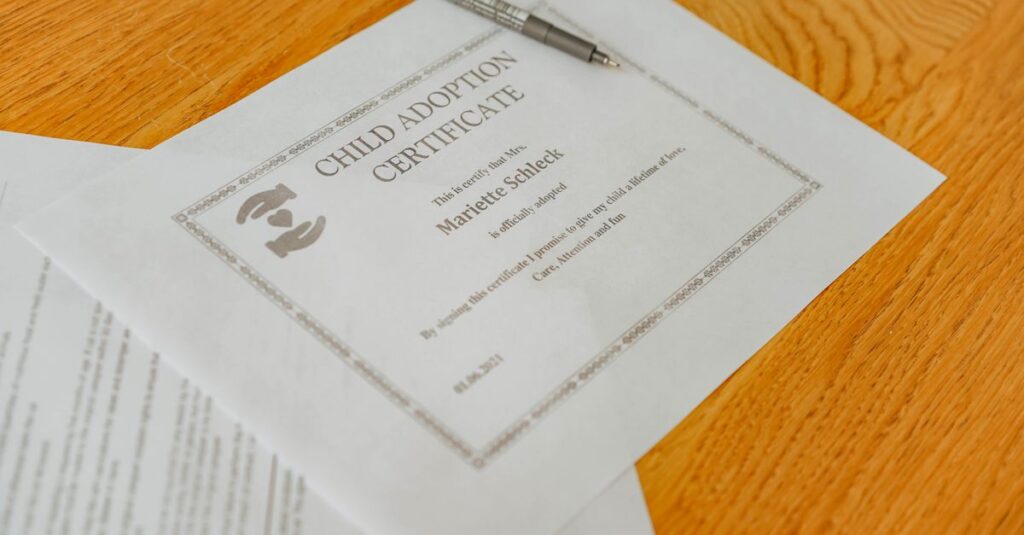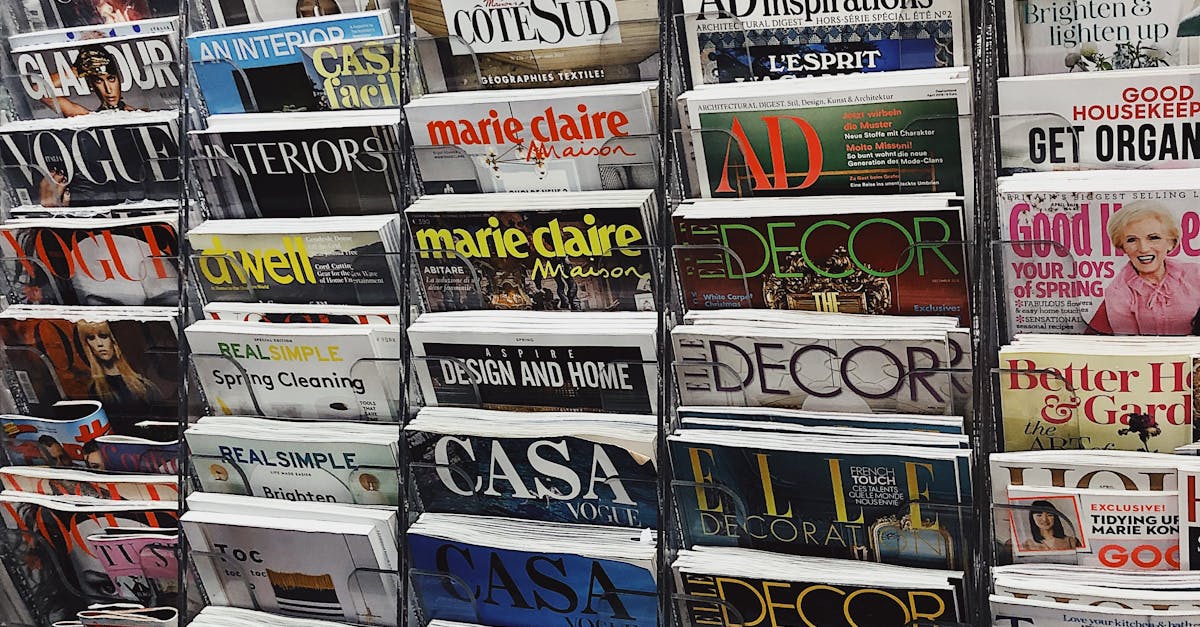
It's Not Just Ink on Paper. It's Authority.
Right. Let's get this out of the way first. When you hear 'magazine printing', you think glossy fashion spreads or newsweeklies. That's not wrong. But if you're running a school, a corporation, or a government department, that picture misses the point completely.
For you, magazine printing is a tool. A specific, physical tool for branding, communication, and control. It's the annual corporate report that sits on a CEO's desk. It's the student handbook that gets passed down through four years of college. It's the training manual for a new batch of employees that never gets deleted from a shared drive. The problem most procurement managers face isn't understanding the concept — it's connecting that concept to their own, very real needs. Which usually boils down to one question: 'Why would I need a magazine when I have email and PDFs?'
Here's the answer: because paper persists. Digital files get buried. A printed magazine, especially one you've customized for your institution, commands a different kind of attention. It's tangible. It's permanent. And it signals that what's inside is important. If you're looking for that kind of impact, the first step is understanding what the process actually entails. You can start by seeing what a dedicated printer can do.
What Magazine Printing Really Means (For You)
Okay, so definition time. Magazine printing is the commercial-scale production of multi-page, bound publications. Think beyond the consumer stuff. In the context of businesses and institutions, it's the production of:
- Corporate annual reports and commemorative books.
- School or university prospectuses and alumni magazines.
- Internal training manuals and process documentation.
- Product catalogs for distributors and wholesalers.
- Customized promotional magazines for brand launches.
The core of it is volume, consistency, and finishing. You're not printing ten copies. You're printing hundreds, maybe thousands, and every single one needs to look exactly the same, with a binding that lasts. This is where it diverges from basic notebook printing. The focus shifts from simple functionality to presentation and durability.
The Process, Step by Step
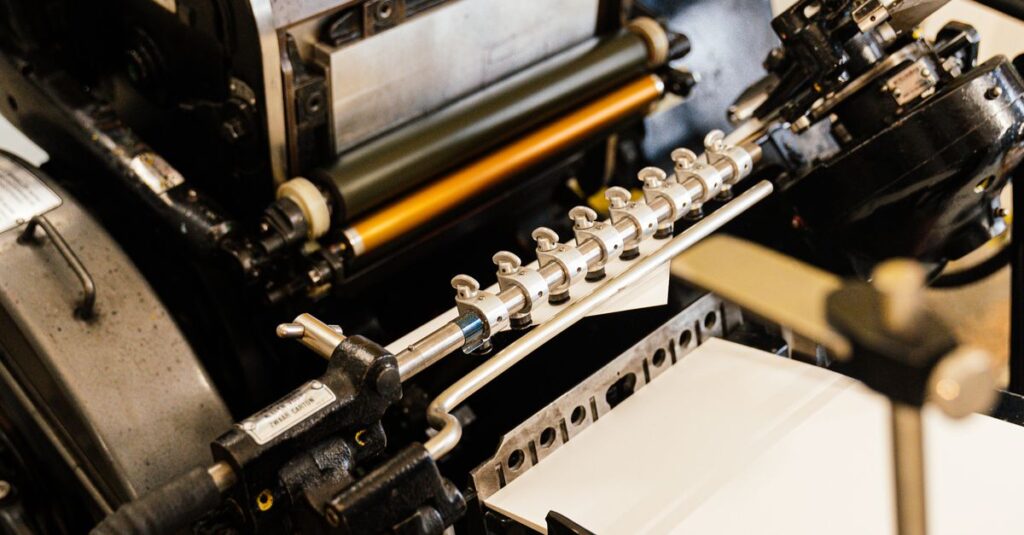
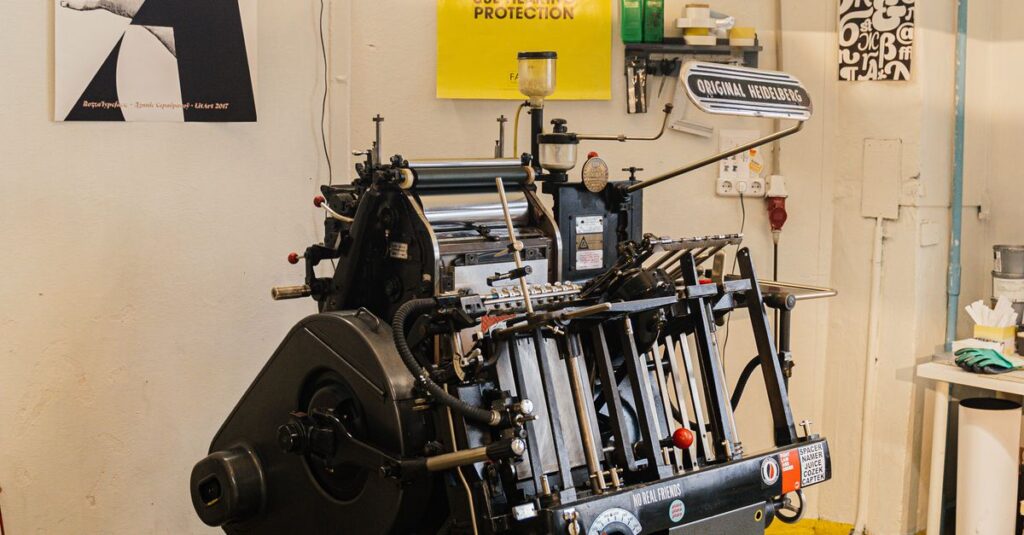
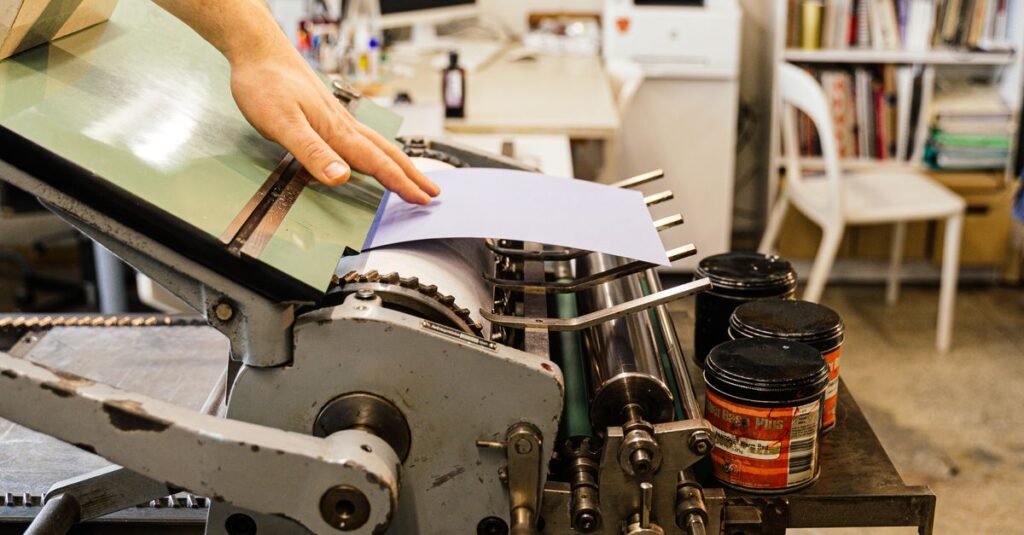
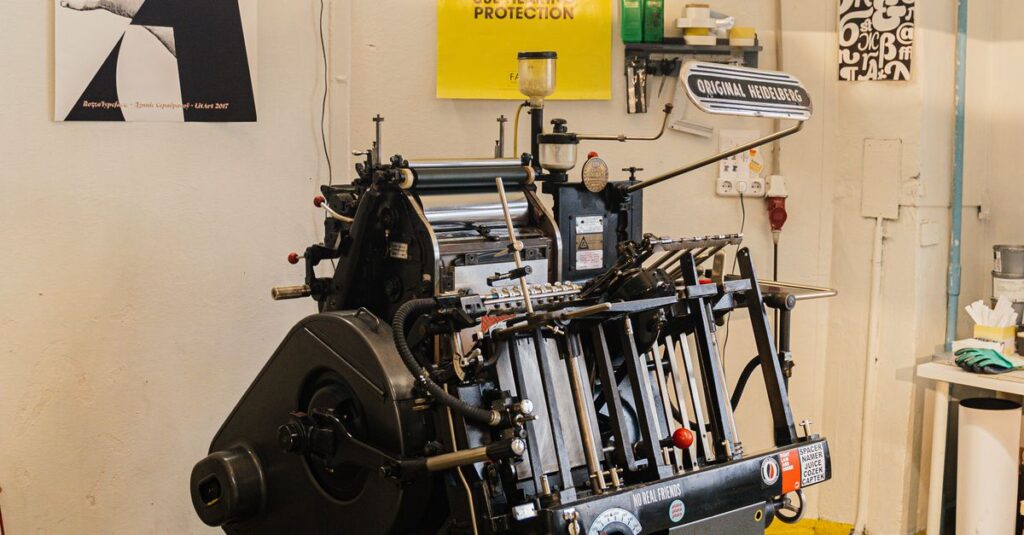
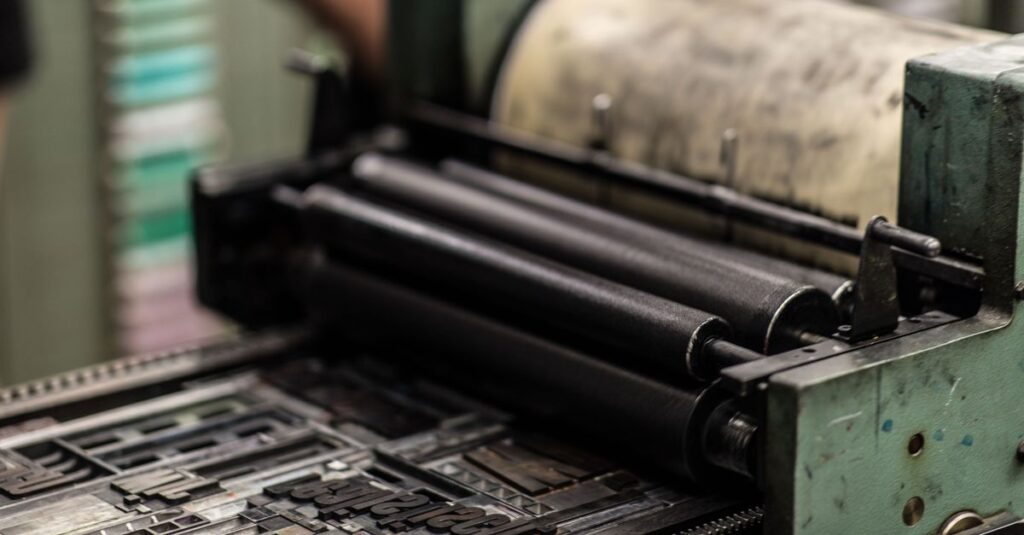
I've been in plants where this happens. It's not magic; it's a sequence. First, pre-press: all your content — text, images, layouts — is finalized and set up for the printing plates. This stage is crucial. A mistake here multiplies across every copy. Then, the actual printing, usually on large offset machines for big runs because the quality and cost per unit are better. After that, it goes to binding. For magazines, perfect binding (where pages are glued at the spine) is common for a clean, professional look, but spiral binding is used for manuals that need to lay flat. Finally, trimming and packaging. Each step requires a different machine, a different skill set. The factory floor looks chaotic, but it's a coordinated chaos.
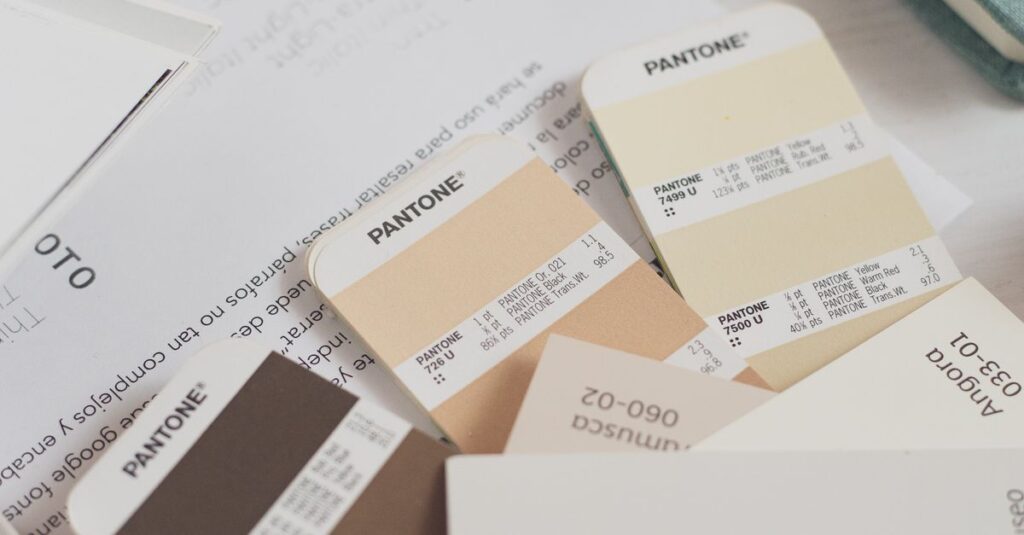
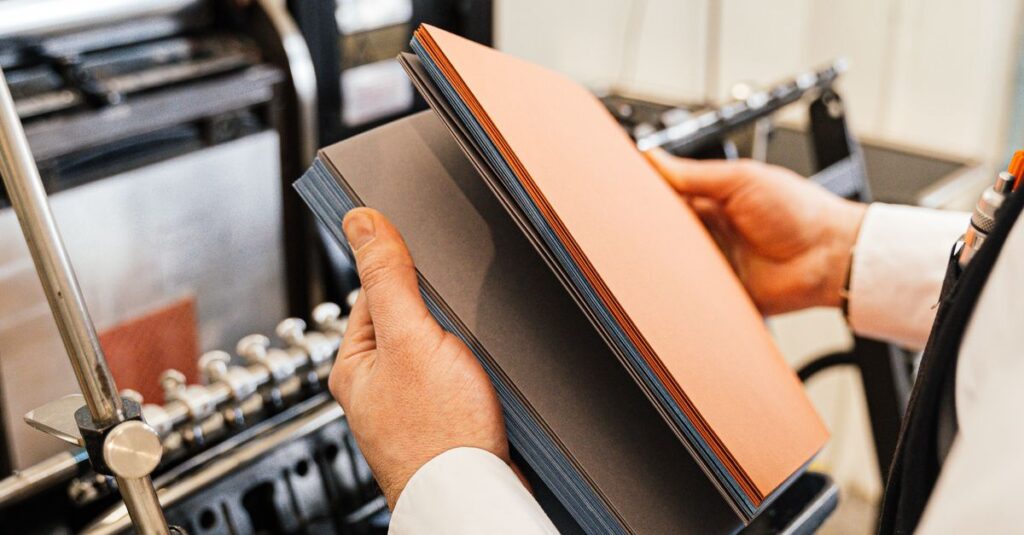
And honestly? Most people don't realize the planning needed upfront. You have to decide on paper weight (GSM), finish (glossy or matte), binding type, and cover material *before* anything gets printed. These choices dictate the final feel — and the final cost.
The Unspoken Reasons Institutions Go For It
Look, I'll be direct. Email gets ignored. A PDF downloaded is a PDF forgotten. A professionally printed magazine placed on someone's desk or handed to them in person creates a psychological contract. It says, 'This information is curated. It is valuable. Please engage with it.' That's the unspoken reason.
I was talking to a procurement manager for a large university last year — over coffee, actually — and she said something I keep thinking about. They switched from digital-only prospectuses to a printed magazine version for incoming students. 'The feedback wasn't about the content,' she said. 'It was about the *feeling*. Students said it made the university feel established, serious. It helped them commit.' That's intangible, but it's real.
For corporations, it's about brand legacy. An annual report isn't just data; it's a physical artifact of a year's work. It's given to investors, stored in archives. For schools, it's about creating a unified, dependable resource. A student handbook that survives the school year, gets doodled in, and becomes a reference point.
The question isn't whether digital is easier. It's whether physical is more effective for your specific goal. Sometimes, it just is.
A Real-Life Snapshot: How It Actually Gets Used
Let's take a hypothetical but entirely realistic example. Say there's a mid-sized tech company in Hyderabad. They've just developed a new software suite for retail businesses. They could just send a feature list via email to potential distributors. Instead, they decide to print a 52-page product magazine. Glossy cover. Perfect binding. High-quality images of the interface, case studies, and technical specs laid out in a clean, readable format.
They print 500 copies. These are mailed to top distributors, displayed at trade shows, and given to sales reps for face-to-face meetings. The magazine becomes the centerpiece of their pitch. It's something the distributor can flip through during the meeting, take back to their office, and share with their team. It stays on their shelf. The email attachment? Probably deleted after the meeting.
That's the use case. It's about creating a persistent, tangible touchpoint in a world of digital noise.
Magazine Printing vs. Standard Notebook Production
People often ask if it's the same as getting bulk notebooks. It's related, but the priorities flip. Here's a breakdown.
| Factor | Magazine Printing | Standard Bulk Notebooks |
|---|---|---|
| Primary Goal | Presentation, branding, long-term reference. | Functionality, daily use, cost-efficiency. |
| Paper Quality | Often higher GSM (70-100+), glossy or specialty finishes. | Standard writing paper (54-70 GSM), focus on durability for writing. |
| Binding Focus | Professional finish (Perfect binding common), aesthetic spine. | User convenience (Spiral, stitched), ability to withstand frequent opening. |
| Content Layout | Complex, multi-column, heavy image integration. | Simple, ruled or unruled pages for writing. |
| Customization Level | Extreme – every page is custom designed. | Moderate – custom covers, logos, but standardized interiors. |
| Run Size | Can be smaller (200-500) but per-unit cost is higher. | Typically very large (10,000+), optimized for bulk economy. |
| Lead Time | Longer, due to design, proofing, and specialized finishing. | Shorter, standardized processes for rapid bulk output. |
The takeaway? If your need is to inform and impress with a polished artifact, you're in magazine territory. If your need is to supply functional tools for daily use, bulk notebooks are the path. Knowing which one you need saves a lot of time and budget.
Expert Insight
I was reading an industry report last month and one line stuck with me. It said that in B2B communication, the perceived value of information is directly tied to its format. A digital document is assumed to be transient. A professionally printed document is assumed to be authoritative. I think — and I could be wrong — that this is why so many corporate and institutional buyers, after years of going digital, are circling back to high-quality print for their key messages. They're not rejecting technology. They're leveraging the psychological weight of paper. It's a quiet shift happening in procurement offices.
What To Look For When You Need a Printer
So you've decided you need a magazine printed. Great. Now, the headache: choosing a supplier. Not all printers can do this well. Here's what matters.
First, ask about their pre-press and proofing process. Can they handle complex layouts from your designer? Will they provide physical proofs before the full run? This step prevents costly misprints. Second, inquire about binding options. Do they offer perfect binding, spiral, or stitch? The binding determines the usability and lifespan of your magazine. Third, paper stock. They should have samples you can feel and see. A 100 GSM glossy paper feels premium; a 70 GSM matte feels sturdy and professional. Choose based on the impression you want to make.
Finally, and this is critical, ask about their experience with institutional work. Have they printed school prospectuses before? Corporate reports? This experience means they understand your deadlines, your quality expectations, and the need for absolute consistency across hundreds of copies. A manufacturer like us, for instance, has done this for years — it's not a side gig; it's a core service.
Don't just look at price per unit. Look at the total value: design support, proofing, paper quality, binding durability, and on-time delivery. A cheap print run that looks mediocre and falls apart in a month is worse than no print run at all.
Frequently Asked Questions
What is the main difference between magazine printing and book printing?
It's mostly about purpose and production speed. Magazine printing often uses lighter, glossier paper and is designed for periodic, mass distribution (like a monthly corporate update). Book printing uses heavier paper and sturdier binding for long-term preservation. The machinery can be similar, but the paper and binding choices set them apart.
Can I get custom magazine printing for a small batch, like 200 copies?
Yes, absolutely. Many printers, especially those with digital printing capabilities, cater to smaller runs. The per-unit cost will be higher than a run of 10,000, but it's feasible. It's perfect for limited-edition corporate reports or pilot editions of a school magazine.
How long does the magazine printing process usually take?
It depends heavily on the complexity. For a standard 50-page magazine, after final designs are approved, the printing and binding itself might take 5-7 working days. But the pre-press (design checks, proofing) can add another week. Always factor in proofing time — it's where you catch errors.
What binding is best for a corporate training manual?
Spiral binding. It lets the manual lie flat on a table, which is essential for someone following steps while working. Perfect binding looks cleaner but doesn't open flat. For a manual that's used actively, spiral is the functional choice.
Is magazine printing cost-effective for bulk school notebooks?
No, not for standard notebooks. Magazine printing is for custom-content publications. For bulk school notebooks, you want a standardized, high-volume production line focused on durable paper and binding for writing. The processes and cost structures are completely different. You'd look for a bulk notebook supplier for that.
The Bottom Line
Magazine printing, in the world of institutions and businesses, isn't about entertainment. It's about authority. It's about creating a physical object that carries your message with weight and permanence. It's a strategic choice, not just a print job.
The decision hinges on a simple test: do you need your information to be consumed quickly and discarded, or do you need it to be retained, referenced, and respected? If it's the latter, then the path leads to a printer who understands magazines. I don't think there's one universal answer here. Probably there isn't. But if you've read this far, you already know what you're looking for — you're just figuring out if it's the right fit for your project.
If you're considering a custom print run for your institution and want to talk specifics — paper, binding, timelines — that's a conversation worth having. You can reach out here to start it.