It's Not Just Putting Pages Together
You think you know what making a book is about — get some paper, bind it, slap a cover on it. Done. Right?
But that's what kills a procurement manager's month. You order 20,000 notebooks for a school term. They arrive. The pages are flimsy. The binding pops open on day three. The ink from the logo smudges. And you's got 800 parents complaining while your stockroom looks like a paper avalanche. I've seen it happen. More than once.
Making a book — a real, durable notebook that survives a year of student abuse or daily office use — is a process. It's a specific, mechanical, almost stubborn sequence of steps that most bulk buyers never get to see. And not seeing it is the problem. You're buying a product blind.
So let's pull back the curtain. If you's buying notebooks in bulk — for your school, your corporation, your distribution network — you need to know what happens after you send that purchase order. Because the difference between a good notebook and a bad one isn's just price. It's process. And if this sounds like the headache you's trying to avoid, seeing how a real manufacturer does it might help.
The Raw Stuff: Paper, Ink, and Why GSM Matters
Start with the paper. This is where most conversations go wrong. People talk about 'good paper'. That means nothing.
Good paper for a school notebook is 54 GSM writing paper — smooth enough for pencils and pens, thick enough not to tear when a kid erases too hard, but not so thick that the notebook becomes bulky and expensive. For a corporate diary, you might jump to 70 or 80 GSM. Feels premium. Shows the brand cares.
The GSM number — grams per square meter — isn's just a spec. It's a decision. Higher GSM means higher cost, obviously. But it also changes how the paper behaves in printing, how it folds, how the binding holds it. Choosing the wrong GSM for your use case is the first, silent mistake.
Then the ruling. Single ruled (SR), double ruled (DR), unruled (UR), four ruled (FR) for accounting. Each one requires a different printing plate setup on the machine. Switching between them mid-production? That's downtime. That's cost. A manufacturer who plans the run properly — grouping all your single-ruled orders together, then shifting to double-ruled — saves time. And that saving should translate to your price.
You never think about that. But you should.
The Cutting and Printing: Where Precision Actually Means Something
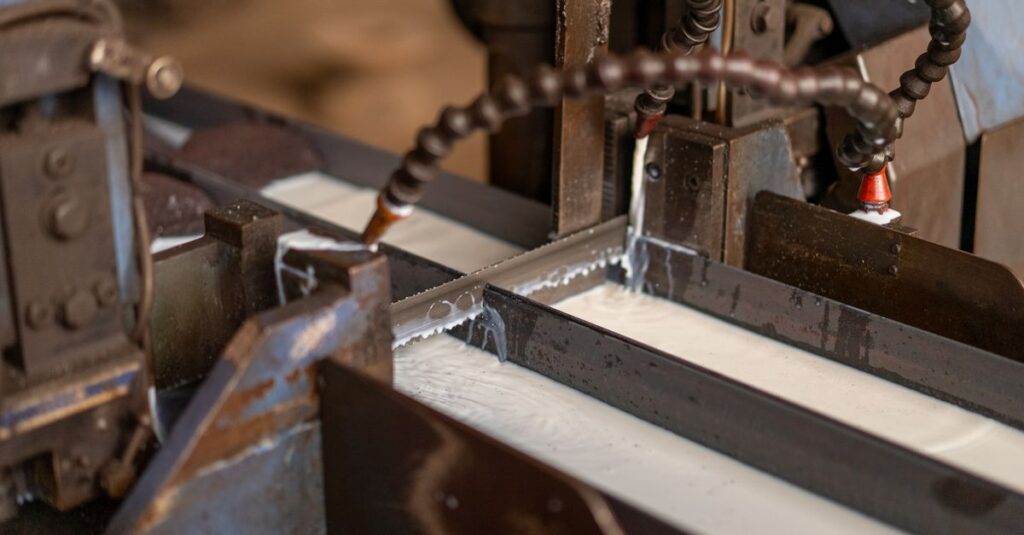
Okay. Paper rolls arrive. Massive, industrial-sized rolls. They's cut down to size — Long Notebook (27.2 x 17.1 cm), Short Notebook (19.5 x 15.5 cm), Account Book (33.9 x 21 cm). This isn's a hand-cutting operation. It's automated. The tolerance? Maybe a millimeter. More than that and the pages don's align when binding. You get a wobbly edge.
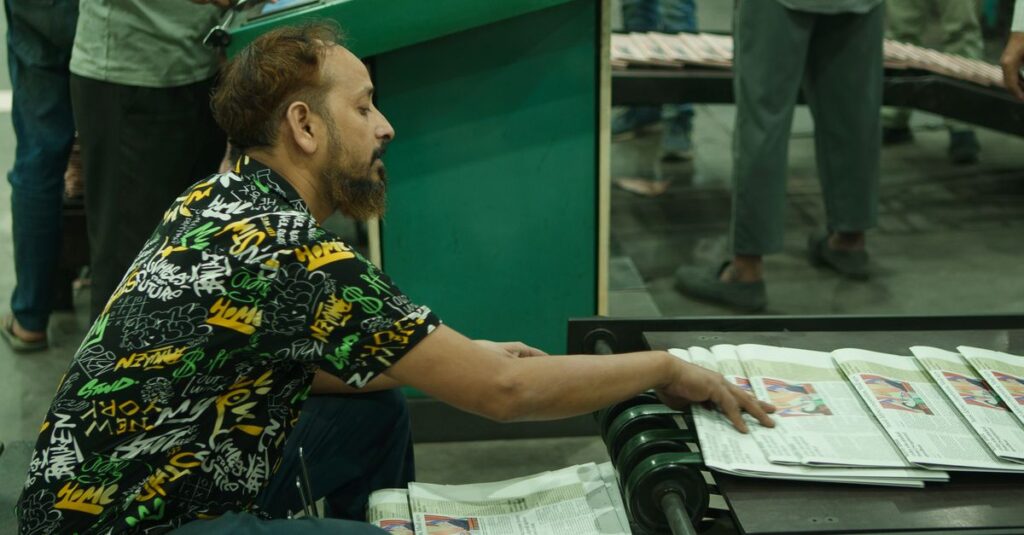
Then printing. If you's ordering custom notebooks with your school logo or corporate branding, this is the stage that eats time. Offset printing for large, consistent runs. Digital for smaller, urgent batches. The ink has to dry properly. Not just 'dry', but cured. If it isn's, you get smudging. I saw a batch once where the ink was still a little tacky — the pages stuck together. The client called, furious. It was a drying time error. A simple, stupid oversight.
Here's a thing most people don's realize: the cover printing and the internal page printing are often separate processes. The cover needs heavier stock, sometimes lamination. The inside pages are lighter. Running them together on the same machine requires coordination. A factory that can synchronize that — like ours — saves a day of production. For you, that might mean getting your order a week earlier.
Expert Insight
I was talking to our head printer last week — over tea, not in some formal meeting — and he said something that stuck. He said, 'Everyone wants fast printing. But fast is just speed. Good printing is rhythm.' He meant that setting up the machine for one type of ruling, one paper GSM, one cover finish, and then running it consistently produces a better product than rushing and switching setups constantly. Rhythm. Not just speed. I don's have a cleaner way to put it than that.
Binding: The Part That Actually 'Makes' the Book
This is the 'make a book' moment. The binding. Pages are stacked, aligned, then held together.
Three types you's care about:
- Stitched Binding: The classic. Thread goes through the pages near the spine. Strong, durable, lies flat. This is what we use for most school notebooks. It lasts.
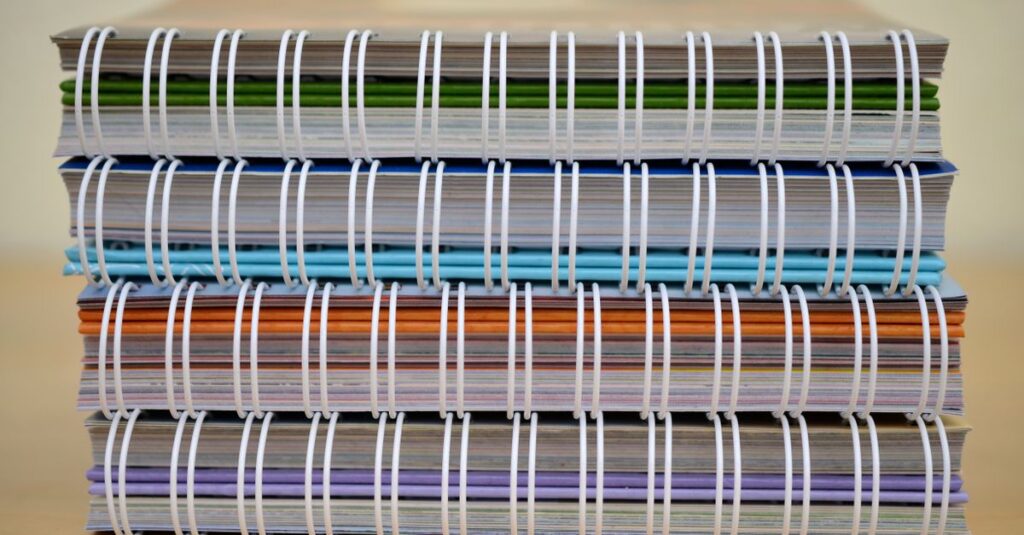
- Spiral Binding: Metal or plastic coil winding through holes. Lets the notebook open fully, pages turn 360 degrees. Good for art books, manuals. But the coils can bend if mishandled.
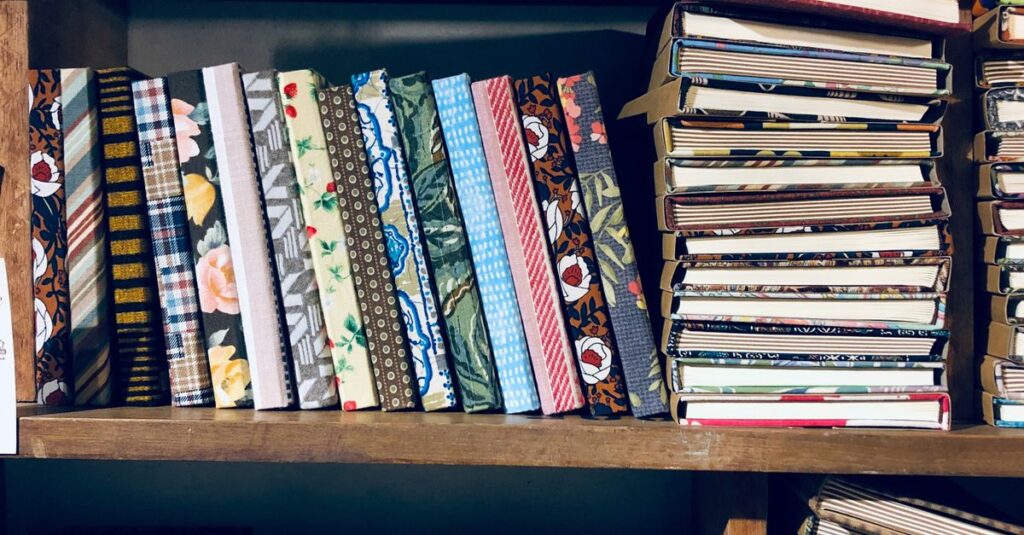
- Perfect Binding: Pages glued together at the spine with a flexible adhesive. Looks clean, modern. Used for corporate diaries, premium notebooks. But if the glue is cheap, pages start falling out.
The choice here isn's just aesthetic. It's functional. A school notebook needs to be tossed in a bag, dropped, shoved. Stitched binding survives that. A corporate diary sits on a desk, opened gently. Perfect binding looks professional.
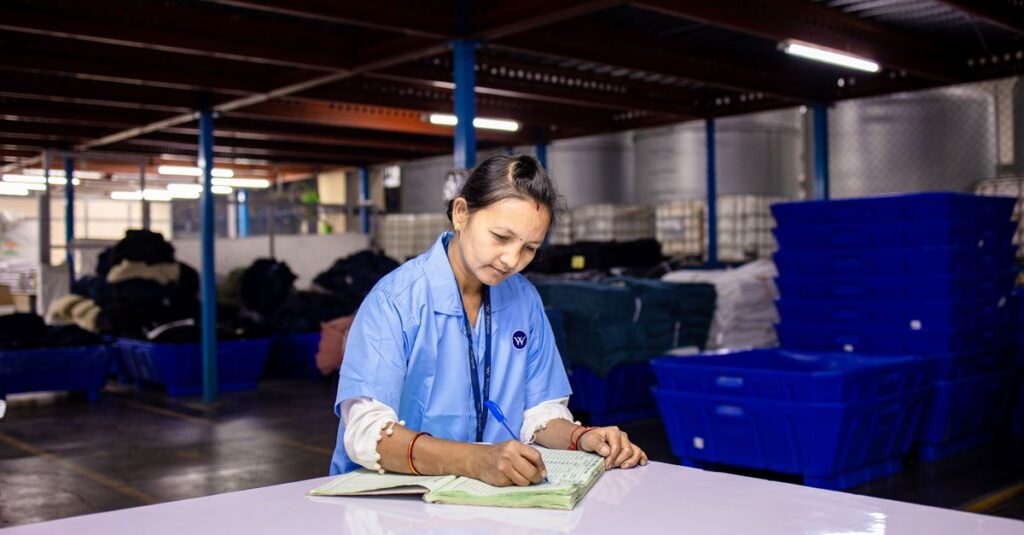
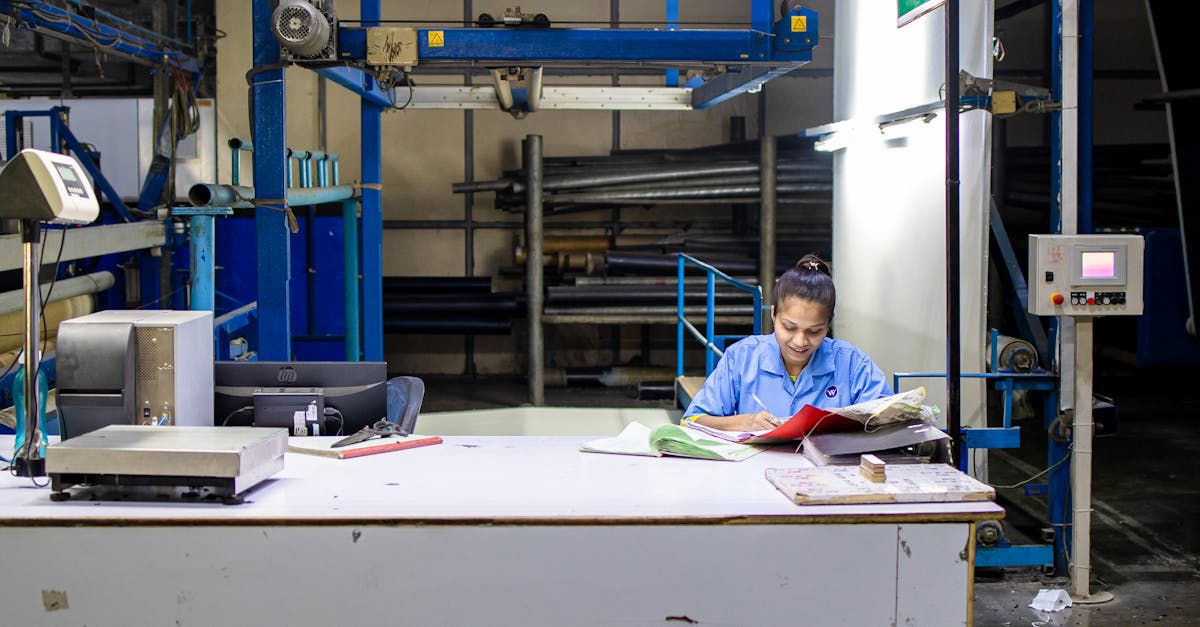
Our factory produces about 30,000 to 40,000 bound notebooks a day. That scale means the binding machines are running constantly. The key is consistency — the same pressure, the same alignment, every single book. When you's dealing with that volume, one misaligned machine batch can mean 500 defective notebooks. We check every batch. Not just sample.
Real-Life Micro-Story
Meet Priya. She's 42, procurement manager for a chain of private schools in Hyderabad. Last year, she ordered 50,000 short notebooks from a new supplier. The binding was 'perfect'. Two months into the term, pages were falling out like leaves. She had to source emergency replacements, pay overtime for sorting, deal with parent complaints. The supplier blamed 'heavy student use'. Priya knew — it was bad glue. She switched to a manufacturer who used stitched binding for school books. This year? Zero complaints. She told me this over a call, while she was literally unpacking a new sample batch. 'I don's care about fancy finishes anymore,' she said. 'I care about the thing not falling apart in a child's hands.'
Anyway.
Customization: Your Brand, Your Rules
This is where 'making a book' becomes 'making your book'. Private label. Custom branding. Logo printing. Cover design.
Most bulk buyers think customization just means adding a logo. It's more. It means:
- Choosing the cover material (paper weight, lamination, texture)
- Deciding the page layout (ruling type, margin size, header/footer designs)
- Adding custom elements (company values printed on inner pages, calendar inserts for diaries, special index pages)
- Even the packaging — branded shrink wraps, boxes with your logo for corporate gifts.
The manufacturing process has to adapt for each of these. A custom cover design needs separate plate setup on the printing machine. A different page layout means reconfiguring the ruling printer. It adds steps. It adds cost. But it also adds value for you — a notebook that's uniquely yours.
We's done this for banks, for IT companies, for universities. The process is collaborative. You send your design. We test print it. Adjust colors. Confirm paper feel. Then run the full order. It's not an assembly line; it's a tailored production. And if you's looking to create a notebook that actually represents your brand, that's the way it should work.
Notebook Manufacturing: A Comparison of Scales
How does a small-run custom order differ from a massive bulk school order? It's not just quantity. The entire process flow changes.
| Factor | Bulk School Order (50,000+ units) | Custom Corporate Order (1,000–5,000 units) |
|---|---|---|
| Paper Selection | Standard 54 GSM, cost-optimized, single source. | Multiple GSM options, premium feel, often imported stock. |
| Printing Setup | Long runs, one ruling type, minimal changes. | Multiple setup changes for covers, inner pages, inserts. |
| Binding Priority | Durability (stitched), speed, consistency. | Aesthetics (perfect binding), finish, brand alignment. |
| Quality Check | Batch sampling, focus on structural integrity. | Unit-by-unit check, focus on print quality & finish. |
| Lead Time | Fixed schedule, depends on raw material availability. | Flexible, depends on design approval & customization. |
| Cost Driver | Volume efficiency, raw material bulk pricing. | Design complexity, special materials, setup time. |
The point? When you's ordering, you's not just buying notebooks. You's buying a manufacturing process tailored to your need. A school needs volume and durability. A corporation needs branding and prestige. The machine floor literally operates differently for each.
What You're Really Looking For (And Might Not Know)
Look, I's be direct. When a procurement manager asks 'how to make a book', they's usually looking for a supplier checklist. Can they do the size? Can they do the branding? What's the price?
But the real question is hidden: Can they do it reliably, at scale, without my order turning into a logistical nightmare?
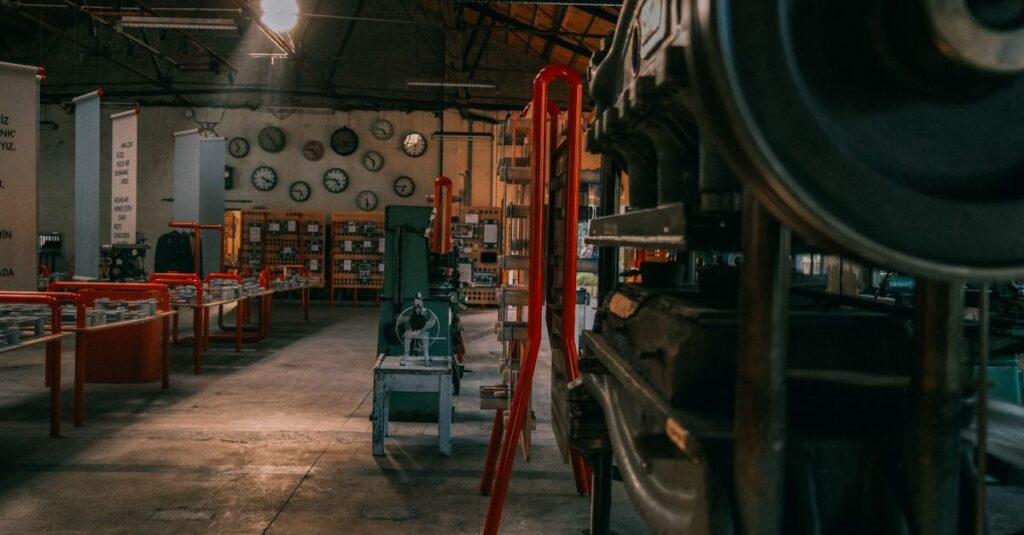
That reliability comes from process control. From a factory that has been doing this for 40 years — like ours — you get rhythm. You get a system where paper cutting feeds into printing which feeds into binding which feeds into packing without bottlenecks. You get a team that knows that 54 GSM paper behaves differently in humid monsoon weather and adjusts the storage accordingly. You get a printer who knows that corporate logo ink needs extra drying time before binding.
Those aren's specs on a quote. They's experience. And you can's see experience on a website. You see it when the delivery arrives on time, intact, and every notebook is the same as the sample you approved.
I think about this a lot. The difference between a manufacturer and a supplier. A manufacturer builds the product from raw material. A supplier often just sources it. If you want control, you go to the source.
Frequently Asked Questions
How long does it take to manufacture a bulk order of notebooks?
It depends on the size and complexity. A standard bulk order of 20,000 school notebooks with a simple logo might take 15–20 days from order confirmation to dispatch. A fully custom corporate diary with special paper and multiple inserts can take 30–45 days. The biggest factors are paper sourcing, printing setup time, and binding capacity.
What is the minimum order quantity for custom notebooks?
For true custom manufacturing — where you's designing the cover, choosing the paper, and specifying the layout — the minimum is usually around 1,000 units. For private label where we use our standard specs but add your logo, you can often go as low as 500. But economically, larger batches (5,000+) get you better per-unit pricing.
Can you export notebooks internationally?
Yes, regularly. We ship to Gulf countries, Africa, the USA, UK, Europe, and Australia. The key is understanding destination-country standards (like paper quality regulations) and packaging for long-haul shipping. We handle the export documentation, carton packaging, and logistics.
What's the most durable binding for school notebooks?
Stitched binding. It uses thread through the pages near the spine, which holds firm even with rough handling. Spiral binding can bend, perfect binding glue can fail under stress. For students's everyday use, stitched is the workhorse.
How do I start a custom notebook order?
Send us your design concept or logo. We'sll create a sample — usually within a week — with your chosen paper, ruling, and binding. You approve the sample. Then we schedule the full production run. It's a collaborative process, and we's keep you updated at each stage. You's not just sending an email and hoping; you's part of the process.
So, You Want to Make a Book
It's not a mystery. It's a sequence. Paper, cut, print, bind, pack. But within each step are decisions that affect durability, cost, feel, and brand perception.
If you's sourcing notebooks in bulk, you's not just buying a product. You's buying a manufacturer's ability to execute that sequence reliably, at your scale, for your purpose. The school notebook that survives a year. The corporate diary that impresses a client. The wholesale batch that your distributors trust.
I don's think there's one perfect way to make a book. Probably there isn's. But after forty years in this factory, I know the rhythm matters. And if you's read this far, you's already looking for that reliability — you's just figuring out who can deliver it.
Talk to us about your next order. Let's show you the process, not just the price.