Let’s Get This Out of the Way: It’s a Logistics Nightmare
You need 50,000 notebooks for the new school year. Or 10,000 branded diaries for your corporate partners. The delivery date is locked. Your entire project hinges on one, incredibly mundane-sounding thing: paper distribution.
Most procurement managers think of the notebook. The cover. The binding. The price. They don’t think about the sheer, physical tonnage of paper moving from a mill in one state, through god-knows-how-many trucks and warehouses, to finally land at a factory floor in Rajahmundry. That’s where the real story is. That’s where your order lives or dies. If the paper doesn’t show up, nothing else happens. And honestly? Getting it to show up, on time, in the right quantity and quality, is a massive, unsung headache. We’ve spent forty years figuring this out, and I can tell you it’s the part nobody talks about until it goes wrong.
What Paper Distribution Actually Is (It’s Not Just Shipping)
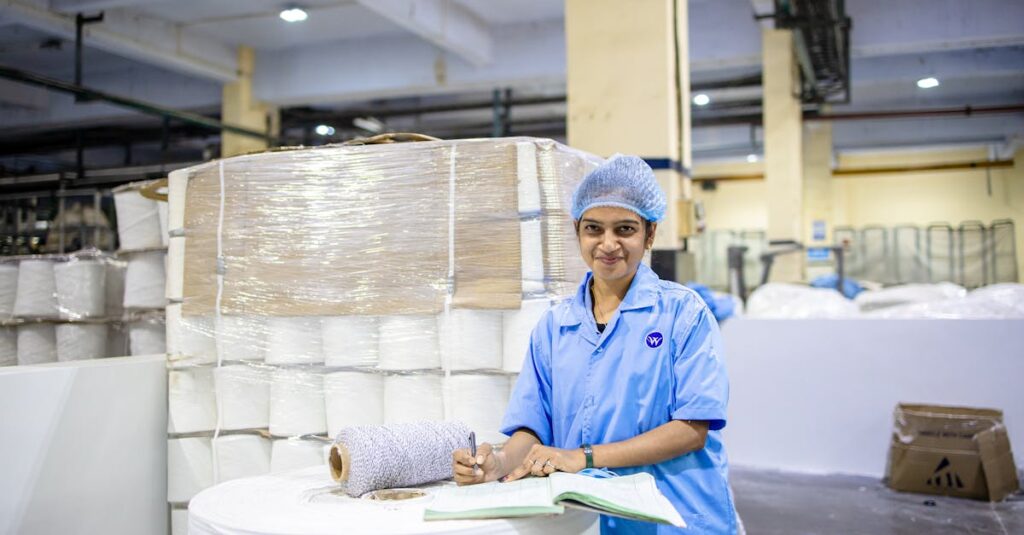
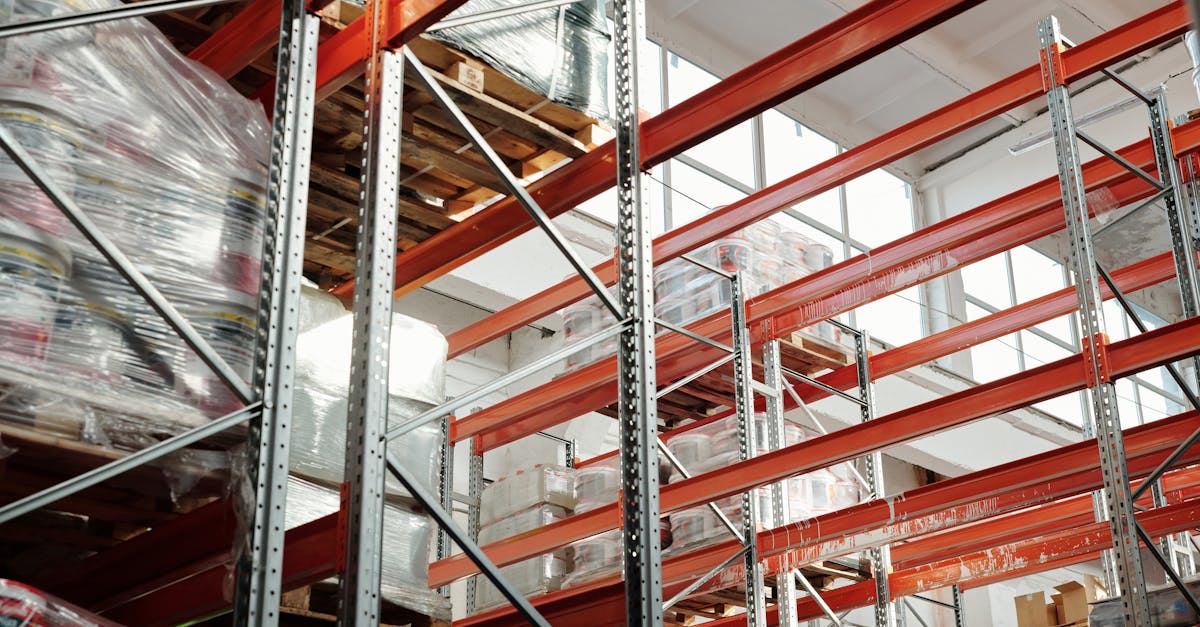
When you hear “paper distribution,” you think trucks. That’s part of it. But it’s the whole damn chain. It starts at the pulp mill. Then it goes to a paper mill for finishing. From there, it’s sold to a paper merchant or a direct supplier. That supplier then has to warehouse it, cut it to the specific notebook sizes (King Size, Long, Short, Account Book), and THEN coordinate transport to manufacturers like us.
Think about it this way. We don’t just order “paper.” We order 54 GSM cream wove paper, cut to 23.6 cm x 17.3 cm sheets, in pallets of 5000 kg, with a specific moisture content so it doesn’t curl in our humid Andhra climate. Every one of those specs is a potential point of failure in the distribution chain. The merchant stocks the wrong GSM. The cutter is behind schedule. The truck gets held up at a state border. The warehouse had a leak. This isn’t hypothetical — these are Tuesday mornings for us.
And the scale is ridiculous. A single truckload can carry around 20-25 tonnes. To hit our daily production of 30-40 thousand notebooks? We’re moving mountains of paper, quietly, every week. Most people don’t realize the industrial ballet required just so a student can open a fresh notebook. Which is… a lot to sit with.
The Two Types of Distribution Channels (And Why You Should Care)
Look, if you’re ordering bulk, you need to know how your manufacturer gets their raw material. It tells you everything about their reliability and your risk. There are two main channels, and they’re worlds apart.
First, there’s the direct mill supply. This is where a big manufacturer has a contract straight with a paper mill. The paper is made to their exact specs, shipped in massive volumes, and it’s usually more consistent. It’s also cheaper per tonne. But — and this is a huge but — it requires massive minimum orders and you’re locked into that mill’s production schedule. If they have a machine breakdown, you’re stuck.
Then there’s the merchant model. This is what most mid-sized factories use (including, for some of our papers, us). We buy from large paper merchants who act as middlemen. They aggregate stock from multiple mills. The benefit? Flexibility. We can get smaller batches, different paper grades, and react faster. The downside? Price is higher, and you’re dependent on the merchant’s inventory. If there’s a sudden national shortage of 70 GSM paper, guess who gets allocated first? The guy with the direct mill contract.
I was talking to a procurement head from a large university last week — over chai, actually — and he was furious. His previous supplier missed a massive notebook delivery because “paper supply issues.” He thought it was an excuse. It probably wasn’t. He was likely at the mercy of a merchant who ran out of stock and his manufacturer had no backup. THAT’S the risk.
A Quick, Real-Life Scenario
Meet Arvind. He’s 42, manages procurement for a chain of private schools in Hyderabad. His order for 80,000 Long Notebooks is due in three weeks. His usual manufacturer calls: “Paper merchant delay. Monsoon damaged a warehouse in Gujarat.” Arvind’s heart sinks. He has a principal breathing down his neck. He starts frantically calling other suppliers. Most give him the same story. One, who has a direct tie-up with a Tamil Nadu mill and keeps a strategic stockpile, says they can slot him in. The price is 8% higher. He pays it. That’s the paper distribution tax, right there. The lesson wasn’t about notebook quality. It was about supply chain depth.
Paper Distribution vs. Just-In-Time Manufacturing: A Tightrope Walk
Here’s where it gets really tense. Modern manufacturing loves “just-in-time” inventory. It means you don’t stockpile expensive raw materials; you get them delivered exactly when you need them to start production. It saves warehouse costs and ties up less cash. Sounds smart, right?
For notebook making, it’s a gamble. A high-stakes gamble. Because paper isn’t a microchip you can air-freight overnight. It’s bulky, heavy, and moves by road or rail. If your “just-in-time” paper truck is 48 hours late, your entire production line stops. Workers sit idle. Binding machines are silent. Your delivery date to that corporate client slips. And you can’t make up that time easily.
So, what do serious manufacturers do? We walk the tightrope. We run a hybrid model. For our standard 54 GSM school notebook paper, we keep a 2-3 week buffer stock in our own godowns. Always. It costs us money to sit on it, but it’s insurance. For custom, specialized papers — say, a premium 100 GSM paper for a corporate diary — we schedule that tightly with the merchant, but we build buffer days into the production timeline for the client. We’re upfront about it. “Your custom cover paper needs a 5-day lead time from Mumbai.” Most clients appreciate the honesty. The ones who don’t… well, they learn the hard way with someone else.
The real problem: nobody talks about this buffer when giving quotes. They give the fastest, leanest timeline to win the order. Then the delays happen. We’ve made the choice to be slower in promise, faster in actual delivery. It’s cost us a few orders from people who just wanted the cheapest, fastest quote. I sleep better at night.
| Aspect | Direct Mill Distribution | Merchant/Supplier Distribution |
|---|---|---|
| Cost | Lower per tonne (bulk discounts) | Higher (includes merchant markup) |
| Flexibility | Low. Large MOQs, fixed specs. | High. Can order varied grades & smaller batches. |
| Reliability | High, if mill is stable. Single point of failure. | Variable. Depends on merchant’s multi-mill network. |
| Lead Time | Longer (scheduled mill runs) | Shorter (stock availability) |
| Best For | Large, steady production of standard items | Custom orders, small batches, trial runs |
| Risk | Mill machinery failure | Market shortages & price fluctuations |
How to Vet a Notebook Supplier on Their Paper Supply
Okay, you’re a corporate buyer or a school administrator. You’re getting quotes. How do you peek behind the curtain and see if this manufacturer has their paper act together? Ask these questions. They sound simple, but the answers will tell you everything.
First: “Where do you source your primary paper from?” If they can’t name a mill or a reputable merchant (like Seshasayee, Tamil Nadu Newsprint, or a major merchant), that’s a red flag. They might be buying from a spot market, which is chaos.
Second: “What’s your buffer stock level for standard paper?” They should have a clear answer. “We keep a 10-day stock” or “We run just-in-time” are both answers — one is conservative, one is risky. You decide what your order can tolerate.
Third: “Can you share a recent example of a paper delay and how you handled it?” This is the gold. Every honest factory has faced this. I’ll tell you ours. Last July, a key merchant’s truck had a breakdown on NH16. We got the alert from the driver at 10 AM. By noon, we’d pulled from our buffer stock to keep the line running and had a backup truck arranged from a different merchant to replenish the buffer. The line never stopped. That’s the difference between having a plan and winging it.
Most people don’t ask. They ask about price per notebook and delivery date. That’s like buying a car and only asking about the color and the cup holders. You need to know what’s under the hood. Our product range is diverse, but the foundation is always the same: predictable paper supply.
Expert Insight
I was reading an old trade journal last month and one line stuck with me. A veteran mill manager said something like — “In this business, efficiency is measured in minutes on the machine. Reliability is measured in months of relationships.” I think about that a lot. The best paper distribution isn’t about the fastest logistics algorithm. It’s about the phone call you get from your merchant at 8 PM saying ‘The consignment is delayed, but I’m pulling from my other warehouse for you.’ That trust, built over decades, is what actually moves paper. It’s not in any contract. It’s in the understanding that we’re in this together. And that’s the only thing that matters here when a monsoon hits or a truck strike is called.
The Export Dimension: Another Layer of Complexity
Now, if you’re an international buyer reading this — from the Gulf, Africa, the US — your notebook order has sailed through an even more complex paper trail. Literally.
Paper distribution for export orders adds two crazy layers: pre-shipment and documentation. First, the paper itself. Is it sourced locally, or do we, the manufacturer, sometimes import specialty paper? For most standard notebooks, we use Indian paper. It’s cost-effective and good. But for some high-end custom jobs, a client might want paper from Europe or Indonesia. Now, that paper has to be imported, cleared through customs, shipped to us, then turned into a notebook, then exported again. The distribution chain doubles. The lead time triples. The risk of damage or delay multiplies.
Second, and this is the real headache: the legal and tax paperwork. Paper in India often has an export incentive or a certain tax structure when the final product is shipped out. Getting this wrong can kill your cost advantage. You need a manufacturer who understands the EGS (Export Goods Supply) rules and the ARE-1 (Application for Removal of Excisable Goods) forms. If they’re just a local notebook maker dabbling in exports, they’ll drown in this. We learned this the hard way twenty years ago with a shipment to Kenya. The paperwork was wrong, the container sat at Mumbai port for weeks. We ate the cost. It was a brutal lesson in why distribution isn’t just physical, it’s bureaucratic.
So, for international buyers, your question shifts from “Can you make this?” to “Can you navigate the paper, for the paper, to make this?”
FAQs: The Stuff People Actually Ask
Frequently Asked Questions
Why does paper supply cause notebook delivery delays?
Paper is the single largest raw material. It’s bulky, moved by road/rail, and sourced from few central mills. A strike, monsoon, or mill issue disrupts the entire distribution chain for hundreds of factories at once, creating a shortage. Factories without buffer stock get hit immediately.
What’s the difference between 54 GSM and 70 GSM paper in distribution terms?
It’s not just thickness. 54 GSM is the standard workhorse, made and stocked in huge volumes. 70 GSM is a “specialty” grade. Its distribution is trickier — fewer mills make it, merchants stock less, and lead times from order to delivery are longer. Ordering custom notebooks with 70 GSM paper needs more planning.
Should I choose a notebook maker near a paper mill?
Proximity helps — lower transport cost and time. But it’s not everything. A skilled manufacturer with a strong merchant network far from a mill can be more reliable than a bad one next door. Focus on their supply relationships and backup plans, not just the map.
How do I ensure paper quality in my bulk order?
Ask for a paper sample before production. Specify the GSM, brightness, and finish in your purchase order. A good manufacturer will trace the paper batch back to its mill source. You can also request a mill test certificate for large, critical orders — it’s a quality report from the paper mill itself.
Can notebook manufacturers switch paper suppliers easily?
For standard grades, yes, but it causes variation. Paper from Mill A and Mill B, even at the same GSM, can feel slightly different. For consistent bulk orders (like yearly school notebooks), reputable manufacturers stick to one trusted source. Switching mid-order is a sign of supply chain distress.
Wrapping This Up
Look. At the end of all this, you’re not buying paper. You’re buying trust in a system. You’re trusting that an invisible, logistical ballet happens so that boxes of notebooks land in your storeroom on a specific Tuesday. Most of the time, it works. When it doesn’t, entire projects derail.
The takeaway isn’t to become a paper distribution expert. It’s to choose a notebook manufacturer who acts like one. Someone who talks about buffer stock and merchant relationships, not just unit prices. Someone who has lived through the delays and built a system to soften them. After forty years, that’s the only advantage that actually matters — the ability to turn a chaotic, physical supply chain into a predictable promise.
I don’t think there’s one perfect model. Probably there isn’t. But if you’ve read this far, you already know the questions to ask. You’re just figuring out who has the honest answers.