Let me be honest. Sustainability sounds great on paper — but when you're ordering notebooks by the container load for international markets, the reality gets messy. I've seen buyers get glossy brochures promising eco-friendly production, only to find cheap binding and plastic covers. That's not sustainable. That's just marketing.
Here's the truth: sustainable notebook manufacturing for international markets isn't a checklist you tick. It's a shift in how you choose materials, manage waste, and think about shipping. And if you're procurement manager in London or a distributor in Nairobi, you need a manufacturer who actually does it, not just talks about it.
That's why we exist. Sri Rama Notebooks has been making notebooks since 1985, and sustainability isn't a pivot — it's how we've always worked. Waste less. Use better paper. Ship smarter.
Why Sustainability in Notebook Manufacturing Actually Matters
You know what's crazy? The stationery industry uses millions of trees every year. Most of that paper ends up in landfills within months. And for international buyers, the carbon footprint of shipping adds another layer. I'm not here to guilt-trip anyone. But if you're ordering 50,000 notebooks a year, your choice matters.
Procurement managers I've spoken to — like Deepa in Bangalore who sources for a chain of schools — tell me the same thing: they want a product that doesn't make them cringe when they think about the environmental cost. It's not about being trendy. It's about being responsible.
Sustainable notebook manufacturing means:
- Using FSC-certified paper from responsibly managed forests
- Replacing petroleum-based inks with soy or vegetable alternatives
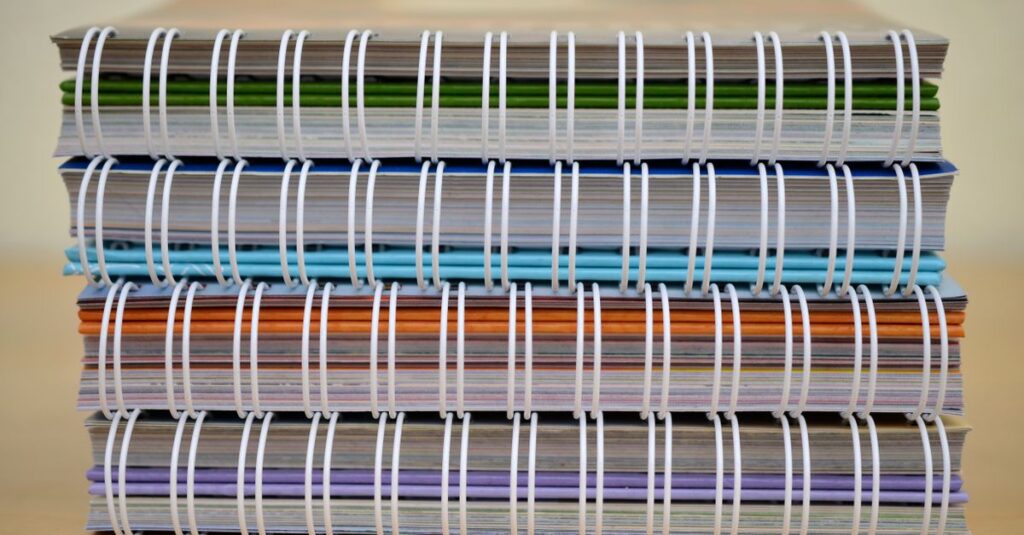
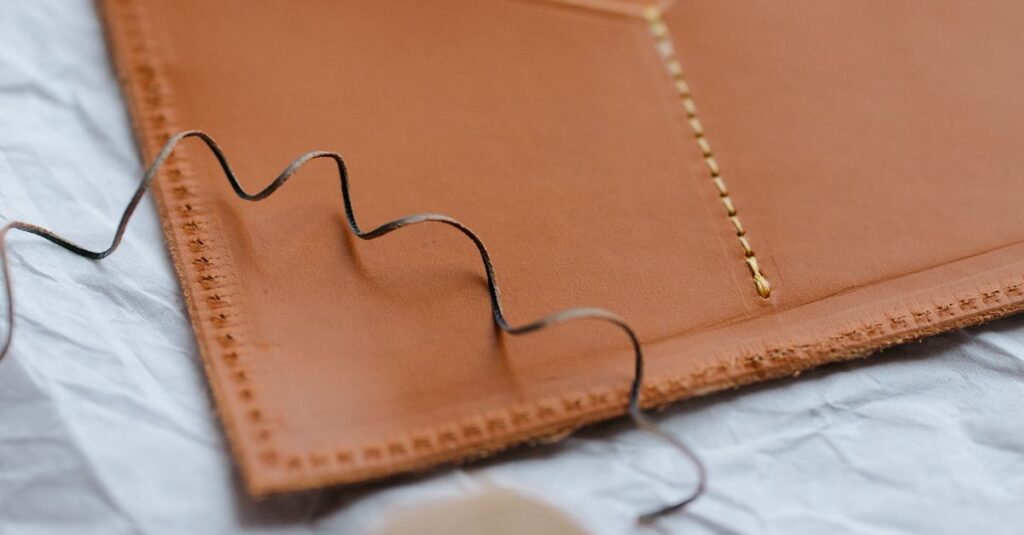
- Choosing stitched binding over plastic spiral — it lasts longer and can be recycled
- Minimizing waste in production (we reuse offcuts for smaller pads)
- Optimizing container packing to reduce shipping emissions
None of this is revolutionary. It's just deliberate. And yes, it costs a bit more upfront. But over time? The savings in waste and customer loyalty are real.
What Sustainable Notebook Manufacturing Looks Like in Practice
Let me tell you about Rahul. He's 34, works as a procurement manager for a corporate gifts distributor in Dubai. Last year, he ordered 20,000 custom diaries from a manufacturer in another country. They claimed eco-friendly. What he got? Notebooks wrapped in plastic, glued binding that fell apart in two months, and paper that yellowed within weeks. He called me, frustrated. "I need something that actually matches what I promise my clients."
That's the gap. Sustainable notebook manufacturing isn't a certificate you put on your website. It's decisions on the factory floor.
At our facility in Rajahmundry, we start with paper. We source from mills that don't clear forests — they use farmed trees and recycle waste. Our offset printers use vegetable-based inks. The binding? Stitched or perfect binding with eco-friendly glues. And the covers: we offer options like recycled board or even fabric. Not everything is possible for every order. But we're transparent about it.
Rahul now orders from us. Because he knows the notebook his client holds in Berlin or Singapore was made with the same care we've used for forty years.
Sustainable vs Conventional Notebook Production: A Comparison
| Aspect | Sustainable Notebook Manufacturing | Conventional Notebook Manufacturing |
|---|---|---|
| Paper source | FSC-certified, recycled content | Virgin pulp, sometimes from unknown sources |
| Ink | Soy-based or vegetable-based | Petroleum-based, heavy metals |
| Binding | Thread stitching, perfect binding with eco-glue | Plastic spiral, thermal glue |
| Energy use | Solar panels, energy-efficient machinery | Grid electricity, older machines |
| Waste management | Recycling offcuts, zero waste to landfill | Landfill or incineration |
| Packaging | Minimal, recyclable, biodegradable | Plastic shrink wrap, non-recyclable |
| Cost per unit (approx) | 10-15% higher | Base price |
| Long-term value | Better brand reputation, repeat buyers | Short shelf life, complaints |
The trade-off is real. But for international buyers, the question isn't "can we afford sustainability?" It's "can we afford not to?"
The Real Challenge: Scaling Sustainability for Bulk Orders
Here's something I don't hear mentioned often. Making a hundred sustainable notebooks is easy. Making thirty thousand — with the same eco-standards — is hard. Supply chains aren't built for it yet.
Expert Insight
I remember a call back in 2019 — a buyer from Sweden. They wanted 50,000 A5 notebooks, fully FSC, soy ink, and carbon-neutral shipping. At that point, we hadn't figured out the carbon offset part. I told them honestly: "We can do the production, but shipping carbon-neutral will take time." They appreciated the honesty. We worked together to find a freight partner that offered offsets. It took three months. Worth it.
The lesson: sustainability at scale requires patience. You can't just flip a switch. You need partners who communicate, not just sell.
For international orders, we also deal with varying regulations. Europe has stricter chemical limits. The UAE has different waste norms. We adapt. Sometimes that means using a different glue or adjusting packaging. It's not glamorous, but it's necessary.
How We Re-Tooled Our Factory for Global Standards
We've been at this since 1985. And honestly? We didn't start as a green factory. We learned by doing. Over the years, we made changes:
- Installed solar panels on the roof – cuts grid power by about 30%
- Set up an effluent treatment plant for water recycling
- Switched to LED lighting and motion sensors
- Bought modern binding machines that reduce glue waste
- Partnered with paper mills that track their own carbon footprint
None of this happened overnight. It was gradual, sometimes expensive, but each step made us better suited for international markets. Now, when a buyer from the UK asks about our environmental policy, we have more than a PowerPoint. We have a factory that walks the talk.
If you want to know more about our process, our printing services page has the technical details. Or just call — I'm happy to explain.
What International Buyers Should Ask Before Ordering Sustainable Notebooks
If you're sourcing from abroad, don't just ask for a price list. Ask these questions:
- What certifications do your paper and inks have? (FSC, PEFC, etc.)
- Can you provide a waste management report for your production?
- What is your approach to packaging — can you avoid single-use plastic?
- Do you track carbon emissions for international shipping?
- Can you customize without compromising sustainability? (e.g., foil stamping vs. plastic badge)
We answer all of these honestly. Sometimes we say "not yet, but we're working on it." That's better than a lie.
Frequently Asked Questions
What materials are used in sustainable notebook manufacturing?
Typically FSC-certified paper, vegetable-based inks, and eco-friendly adhesives. Covers can be recycled board or fabric. Avoid plastic coil binding; choose thread stitching or perfect binding with glue that's biodegradable.
Can I get custom logo printing on sustainable notebooks?
Yes. We offer offset printing with soy-based inks, foil stamping, and embossing. Just note that some decorative finishes (like glitter foil) may not be fully eco-friendly. We'll suggest alternatives. See our product range.
What is the minimum order quantity for sustainable notebooks?
For custom orders, we usually require 500 pieces per design to make production viable. For stock items, even smaller orders are possible. Contact us with your quantity and we'll find a sustainable solution.
Do you ship to Europe and the USA?
Yes. We export to Gulf countries, Africa, USA, UK, Europe, and Australia. We work with freight forwarders who offer carbon offset programs. We can also help with customs documentation.
How do you ensure quality while being sustainable?
We've been manufacturing since 1985 — quality is non-negotiable. Sustainable materials don't mean lower quality. FSC paper is often stronger than cheap alternatives. We test every batch for binding strength and paper smoothness. Visit our website for more details.
Final Thoughts — Takeaway
Three things I want you to remember about sustainable notebook manufacturing for international markets. First, it's not about perfection — it's about honest progress. Second, the cost difference is smaller than you think when you factor in waste and reputation. Third, ask the hard questions upfront. If a manufacturer can't tell you where their paper comes from, find one who can.
I don't think there's a single "right" way to do this. Every order is different. But if you've read this far, you're probably someone who actually cares about what you're buying. That's a good start. The rest is just a conversation away.
Ready to talk? Contact Sri Rama Notebooks for your next bulk order.