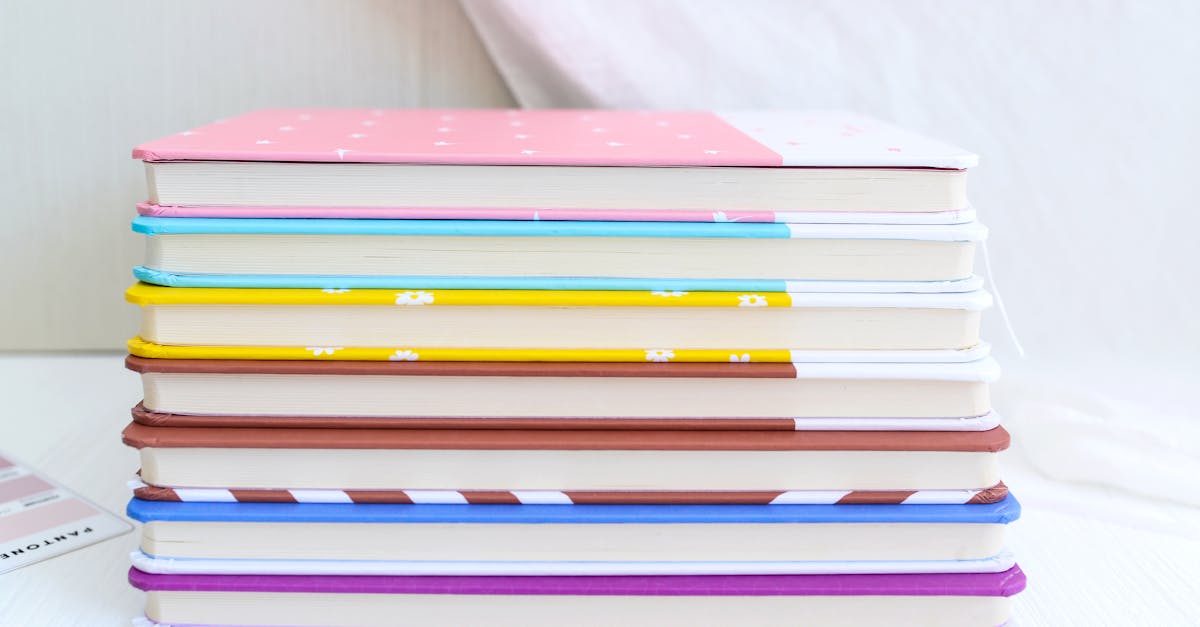
You know that feeling, right?
You’ve got a stack of 100-page notebooks on the procurement desk. They look clean. But by mid-term or mid-quarter, they’re gone. Worn out. Finished. And the re-order process starts all over again — the quotes, the approvals, the delivery. It’s a headache, honestly.
Maybe you’re a college administrator buying for a new batch and you’re tired of students running out of pages before the semester ends. Or you’re in a corporate office and you need branded diaries that actually last the whole year, not just the first six months. The problem isn’t finding a notebook. It’s finding the right notebook.
Which is where the 200 page notebook comes in. It’s the sweet spot. It’s thick enough to feel substantial, but not so thick it’s awkward to carry. It lasts. I see this exact conversation play out with our buyers all the time. They think they want the cheapest option, but they end up needing the most practical one. If you’re sourcing in bulk for an institution or a brand, understanding what a 200-pager really is changes the whole game.
So what is a 200 page notebook, really?
On paper — sorry, had to — it’s a notebook with two hundred sheets. But in our world, in the factory, it’s a specific product category with its own weight, its own feel, and its own specific buyers. Let me break it down like I would for a distributor walking in here for the first time.
First, the page count. 200 pages means 100 leaves. One leaf is two pages, front and back. So when we say 200 pages, we mean 100 physical sheets of paper, each giving you two sides to write on. That’s the standard industry way of counting, and if a supplier tells you otherwise, ask for clarification. It matters for costing.
The weight. This is the bit most procurement folks overlook. With standard 54 GSM writing paper, a 200 page notebook has a certain heft. It sits differently in a hand, on a desk. It communicates quality — or at least, durability — before anyone even opens it. It’s not a flimsy handout. It’s a thing meant to be used.
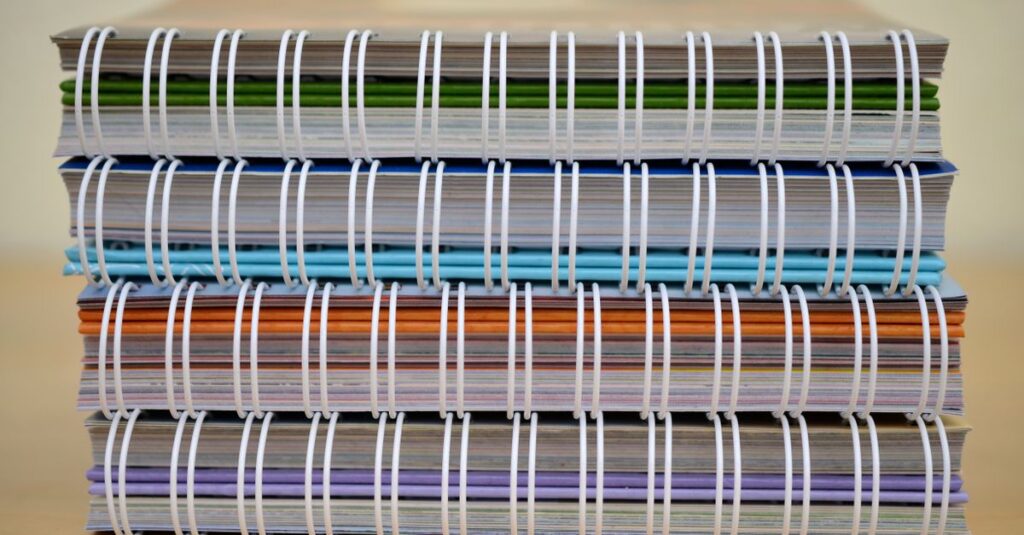
And the binding. At this page count, you can’t just staple it. You need proper stitching or spiral binding to hold it together and let it lie flat. The binding choice changes everything about how the notebook is used, and honestly, who will buy it. Schools might prefer stitched for cost; corporates often go for spiral for that lay-flat functionality in meetings.
Who actually buys these things in bulk? (It’s not who you think)
Okay. Most people guess schools. And yes, schools are a huge part of it. But they’re not the only part — and sometimes, they’re not even the biggest part of our orders. The client list for 200-pagers is more interesting than that.
Let me tell you about a client from last month. Anitha. She’s a procurement manager for a chain of coaching institutes across South India. They used to buy 100-page notebooks. Two per student, per term. The logistics were a mess. Storage, distribution, the constant re-ordering. She switched their entire supply to 200 page notebooks. One book, one term. The overheads dropped. The students stopped complaining about running out of space mid-course. Simple change. Big impact.
That’s one profile. Here are the others, the ones you might not think of first:
- Corporate HR & Admin Teams: For onboarding kits. A 200-page branded notebook says “we expect you to do substantial work here.” It lasts.
- Government Training Academies: Long-duration courses need notebooks that can handle the entire syllabus. They often have specific ruling requirements too — double-ruled for official notes, for example.
- Export Buyers in the Gulf & Africa: They want value. A 200-page book at a certain GSM is a marketable product there. It’s not a commodity; it’s a specific SKU.
- Artists & Design Studios (bulk): For preliminary sketches and concept work. They buy unruled 200-pagers by the box. The paper quality is everything here.
See? It’s not just about putting pages together. It’s about matching a product to a very real, very specific workflow. Which, in my experience, is where most bulk buying goes wrong. They buy a notebook. They should be buying a solution.
Expert Insight
I was talking to a buyer from a large university last year. Over chai in our office. He said something that stuck with me. He said, “We don’t buy stationery. We buy compliance.” I had to think about that for a second. He meant that every product spec — the page count, the ruling, the cover — has to match their academic regulations and audit requirements exactly. A 200-page notebook isn’t just a notebook; it’s an item that checks a box in a massive institutional process. The tolerance for error is zero. It made me see our entire manufacturing process differently — not as making books, but as ensuring someone else’s system doesn’t break. Don’t think that pressure isn’t in every bulk order. It is.
200 Page Notebooks vs. The Rest: A Real Comparison
Look, you have options. A lot of them. So why pick a 200-pager over a 100-page or a 300-page book? It’s about the trade-offs. Here’s a blunt breakdown.
| Factor | 200 Page Notebook | 100 Page Notebook | 300+ Page Notebook |
|---|---|---|---|
| Primary Use Case | Balanced use: semester-long courses, annual project notes, corporate yearly planners. | Short-term: workshops, short courses, quick project notes. | Long-haul: research logs, master ledgers, permanent reference books. |
| Portability & Weight | Substantial but manageable. Fits in most bags without being a burden. | Light and easy. Almost disposable. | Heavy. Often desk-bound. Not for daily carry. |
| Cost Per Page (Bulk) | Typically the best value. Economies of scale in paper, but binding isn’t overly complex. | Higher per-page cost. More covers, more binding ops relative to paper. | Lower per-page cost on paper, but binding and spine strength become costly factors. |
| Perception Factor | Signals planned, serious work. Good for branding. | Can feel temporary or insubstantial. Less impressive for corporate gifting. | Can be intimidating or overkill. Might not get fully used. |
| Binding Integrity | Requires robust stitching or spiral. Holds up well to full use. | Simple stitching often suffices. May not survive rough handling if filled. | Requires premium binding (perfect binding, thick spiral). Spine failure is a real risk if cheap. |
The takeaway? The 200-page book isn’t the answer to everything. But for the messy middle — where most institutional needs actually live — it’s very often the right answer. It’s the workhorse.
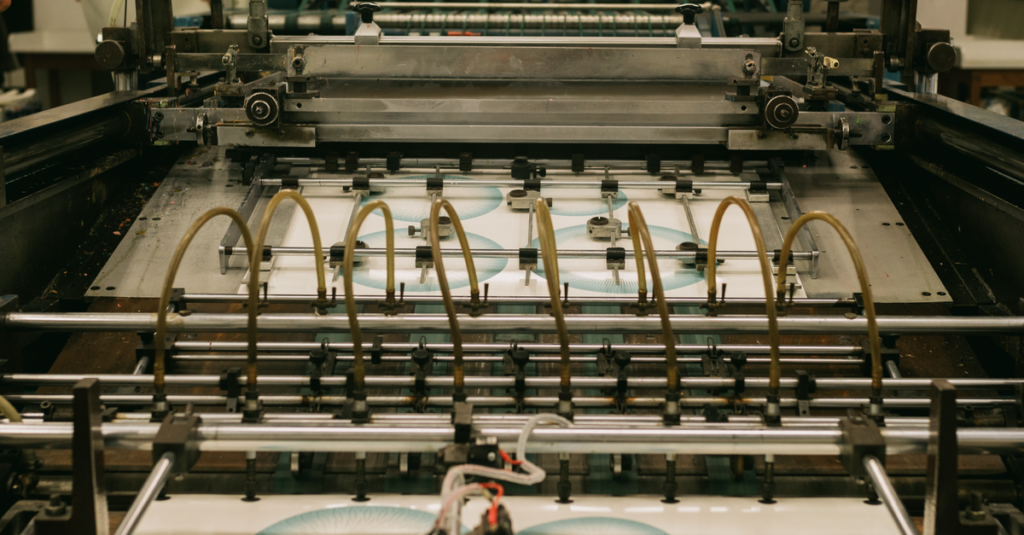
The manufacturing bits most buyers never see (but should)
Right. I think if you’re spending company or institutional money on thousands of these, you should know what you’re paying for. It’s not magic. It’s process. And a few things can go wrong if the manufacturer cuts corners.
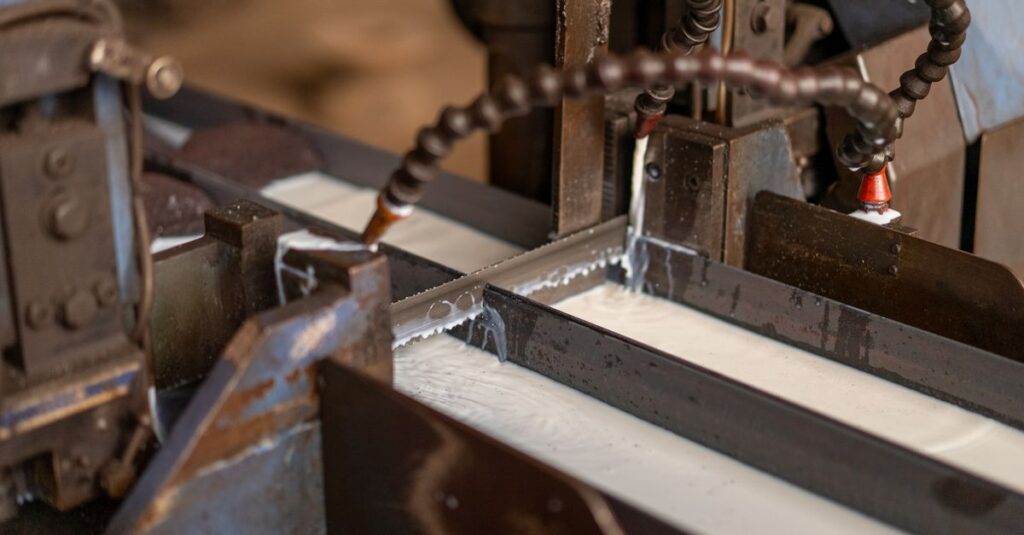
First, paper grain direction. Sounds minor. It’s not. Paper has a grain, like wood. If the grain runs the wrong way for the notebook’s orientation, the pages won’t lie flat. They’ll curl. It feels cheap. A proper factory sets the printing and cutting for grain-long direction. It’s a basic quality step that cheap operators skip to save paper.
Second, stitching thread. For a 200-page book, the thread thickness and stitch count matter. Too few stitches, the signature blocks come loose. I’ve seen books where the middle 50 pages just fall out in a clump. Embarrassing for everyone. We use a four-stitch pattern for this page count. It’s overkill for a 100-pager, but necessary here.
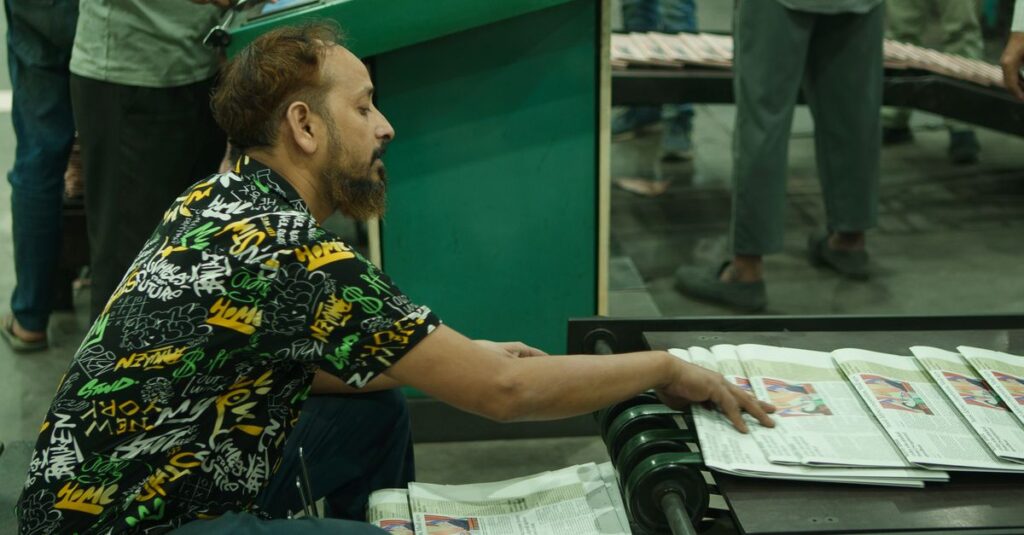
Third, glue reinforcement at the spine. Even with stitching, a dab of hot-melt glue along the spine after stitching seals the deal. It’s the difference between a book that lasts a year and one that lasts three. This is one of those things you only know if you’ve been on the factory floor watching a line run. The sound of the glue pot, the smell — it’s a signal of a finished product. If a supplier can’t talk to you about their spine reinforcement, be wary.
I don’t say this to complicate your life. I say it because your name is on the purchase order. When a student or an employee gets a dud notebook, they blame the institution. They don’t blame Sri Rama Notebooks. They blame you. So the manufacturing details are, in a very real way, your problem. Knowing what to look for is the first step to avoiding it.
Customizing a 200 page notebook: Where to spend your budget
This is where I see people get fancy when they should be practical, and vice-versa. You want a custom cover? Great. But let’s think it through.
Cover material: For bulk school orders, a thick, laminated 250 GSM art card is perfect. Durable, wipeable, cost-effective. For a corporate diary, you might upgrade to a leatherette finish or add foil stamping. That’s where the brand impression is. But here’s my advice — spend on the lamination. A gloss or matte laminate protects the print from scuffs in transit and storage. A non-laminated cover looks tired before it even reaches the end user.
Inside pages: This is the silent upgrade. You can customize the header/footer on every page. For a school, putting the school name and logo at the top of each page is a smart branding move. For a corporate notebook, maybe you put the company value statement or a subtle logo watermark on the bottom corner. The marginal cost is low, but the perceived value is high. It makes the notebook feel truly theirs.
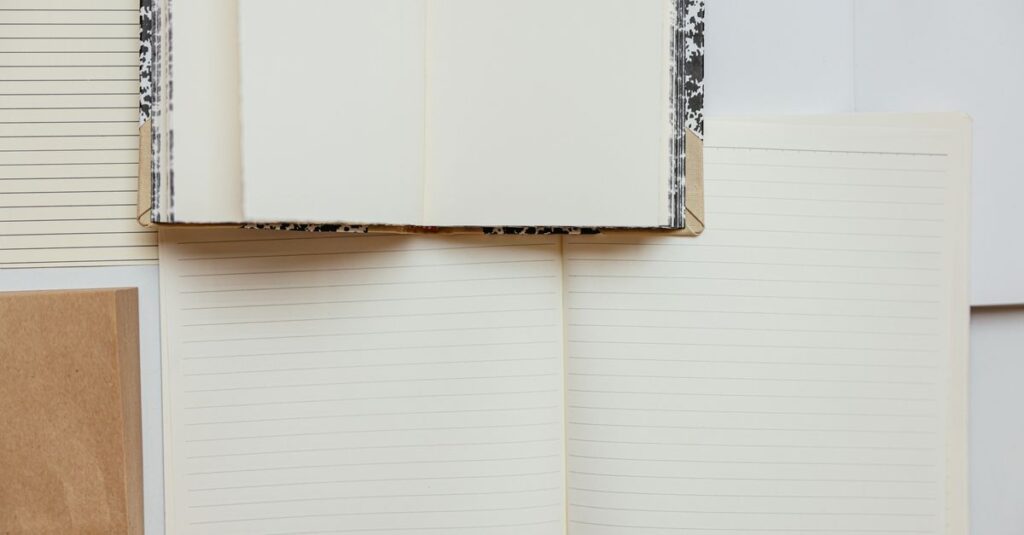
Ruling: This seems basic, but it’s a use-case killer if you get it wrong. Broad ruled (BR) for younger students. Double ruled (DR) for accounting practice or specific script writing. Unruled (UR) for designers or engineers. Cross-ruled (CR) for graphs and charts. Don’t just pick single-ruled because it’s the default. Think about the hand that will be writing in it. The ruling guides the work. We can do any of them, but you have to decide which one actually helps your people do their job.
Anyway. The point is, customization isn’t just about slapping a logo on the front. It’s about engineering the entire object for a specific purpose. And honestly? That’s the fun part of this job.
So, should you be ordering 200 page notebooks?
I can’t answer that for you. Nobody can. But I can tell you the questions that usually lead to a ‘yes’.
Is your usage period longer than 3-4 months? Are you tired of re-ordering or distributing notebooks multiple times a cycle? Does the perception of quality and durability matter to your end-users (students, employees, clients)? Are you looking for the best balance of cost-per-page and physical durability in a bulk order?
If you’re nodding, then the 200-page format is probably where you should be looking. It’s the default for a reason. It works.
The real shift isn’t in choosing a page count, though. It’s in moving from seeing notebooks as a commodity purchase to seeing them as a tool. A tool that can either help or hinder the work you’re trying to get done. When you start thinking like that, the specs on the quote sheet start to mean something different. They’re not just numbers. They’re the blueprint for someone else’s productivity.
I don’t think there’s one perfect notebook. Probably there isn’t. But if you’ve read this far, you’re not just buying paper. You’re solving a problem. And the 200 pager is a solid, unglamorous, reliable place to start. If you want to talk specs or get a sample to feel that heft for yourself, that’s what we’re here for.
Frequently Asked Questions
How many actual sheets are in a 200 page notebook?
100 sheets. In notebook manufacturing, a “page” is one side of a sheet. So 200 pages means 100 leaves (or sheets) of paper, each providing two writing surfaces.
What is the standard paper GSM for a 200 page notebook?
Most standard 200 page notebooks use 54-60 GSM writing paper. It’s a sweet spot: thick enough to prevent ink bleed-through, but light enough to keep the overall book from becoming too heavy and bulky.
What binding is best for a 200 page notebook?
For bulk orders, stitched binding is most common and cost-effective. For corporate or premium use where lying completely flat is crucial, spiral binding (wire-o or plastic) is better. Perfect binding is also an option for a cleaner spine look.
Can I get a 200 page notebook with a custom cover design?
Absolutely. Most manufacturers, including us, specialize in custom cover printing. You can supply your artwork for logos, branding, or specific designs, and we’ll print it on cover stock with lamination for protection.
What’s the minimum order quantity (MOQ) for custom 200 page notebooks?
MOQs vary by manufacturer. For a custom print run with a unique cover design, expect an MOQ of 500 to 1000 pieces. For completely private label with custom ruling and paper, it might be higher. Always ask the supplier directly.