Look, You Already Know What a Notebook Is.
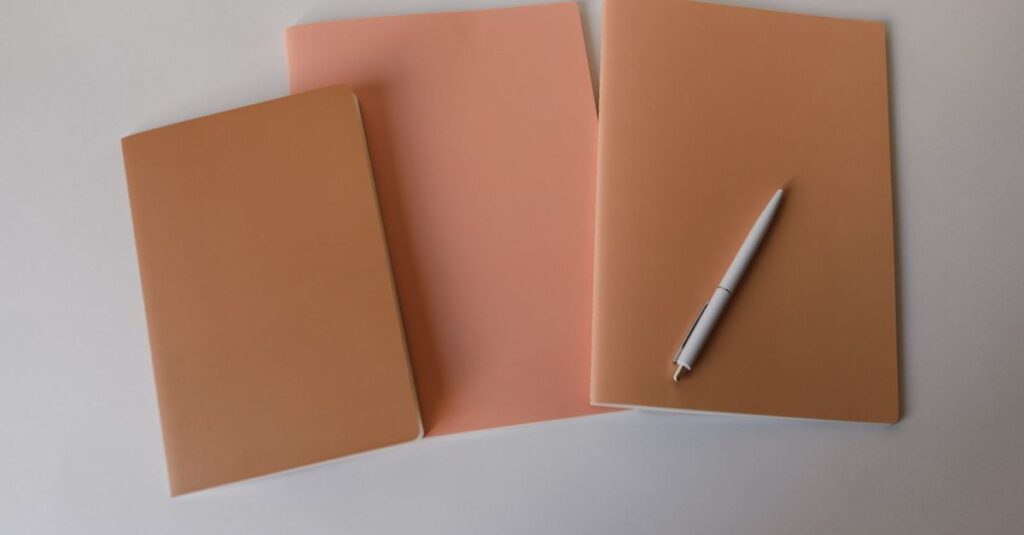
Right? You pick it up, you write in it. Simple. But I’ve been in this business for a long time — since 1985 — and here’s what most people don’t know: the notebook you choose is never just paper. It’s a promise. If you’re a school ordering for 500 students, it’s a promise that the binding won’t fail mid-year. If you’re a corporate manager buying branded diaries, it’s a promise that your logo looks sharp and the pages feel good to write on. And right now, if you’re looking to buy in bulk, you’re probably wondering if anyone actually understands that promise.
Most buyers focus on the price tag. Makes sense. But they miss the thing that matters here: the weight of a single page. The way the cover bends but doesn’t break. The sound of it flipping open. If you’ve ever handed out a notebook that fell apart in a week, you know this feeling. It’s a quiet failure that costs more than money — it costs trust.
That’s the thing — a notebook isn’t just a stationery item. It’s a tool that gets used, and its quality tells a story about the organization that provides it. If this is the kind of detail you think about when sourcing, looking at a manufacturer who gets it might be your next step.
The Anatomy: More Than Just Pages
Let’s break it down. A notebook has three core parts, and each one is a decision.
1. The Paper: Where the Writing Happens
The paper isn’t just there. It has a weight, measured in GSM (Grams per Square Meter). For a standard writing notebook, you’re looking at around 54 GSM. Too light, and ink bleeds through. Too heavy, and the book feels bulky and expensive. This is the first headache for a procurement manager — you need paper that feels substantial enough for daily use but doesn’t blow your budget.
Then there’s the ruling. It seems simple, but get it wrong and the user gets annoyed every single day.
- SR (Single Ruled): Your classic lined notebook. For general notes, schoolwork.
- UR (Unruled): Blank pages. Think drawing books, free-form brainstorming.
- DR (Double Ruled): Two lines. Common in account books for detailed entries.
- CR (Cross Ruled): Graph paper for charts, planning, technical sketches.
Choose the wrong ruling for the job, and you’ve basically given someone the wrong tool. Not ideal.
2. The Binding: The Thing That Holds It All Together
This is where notebooks die. A bad binding is the most common point of failure.
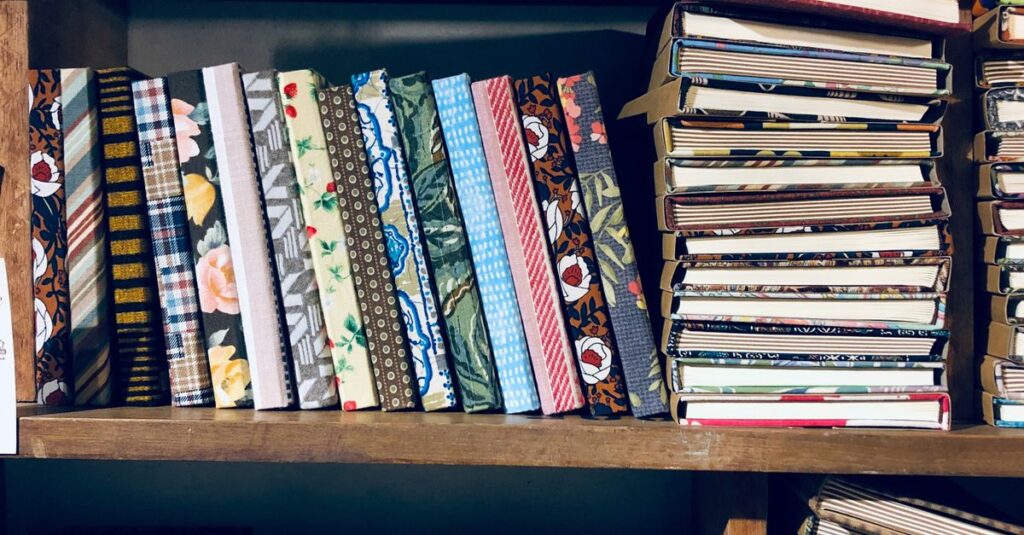
- Stitched Binding: Pages are gathered into sections (signatures), sewn together, then glued to the spine. Durable, lies flat when open. My go-to for most serious-use notebooks.
- Spiral Binding: Metal or plastic coil runs through punched holes. Lays perfectly flat, 360 degrees. Great for manuals, sketchbooks, anything that needs to fold back on itself.
- Perfect Binding: Pages are glued together at the spine with a strong adhesive. Creates a clean, squared-off edge. Common for thicker corporate diaries and some premium notebooks.
The binding choice isn’t just about durability; it’s about function. A spiral-bound notebook for a left-handed student? Could be awkward. A stitched notebook for a field logbook? Might not fold back easily.
3. The Cover: The First Impression
It’s the face of the thing. For a bulk school order, it might be a simple, sturdy cardstock. For a corporate gift, it’s a canvas for your brand. The cover tells the user what to expect — durability, professionalism, creativity. A flimsy cover on a notebook meant for heavy use is just… a disappointment waiting to happen.
The Notebook Buyer’s Dilemma: Bulk vs. Custom
This is the real split in the road. And honestly, most people think it’s just about volume. It’s not.
Bulk buying is about efficiency and consistency. You need 10,000 identical notebooks for a school district. You want a reliable product at the best possible price point. The goal is uniformity and cost control. You’re not buying a single notebook; you’re buying a system.
Customization, though? That’s a different beast. You’re putting your logo, your colors, your specific page layout into a physical object. It becomes an extension of your brand. A corporate diary isn’t just for notes; it’s a year-long advertisement that sits on someone’s desk. A school notebook with a custom cover becomes part of the school’s identity.
I was talking to a procurement manager from a college last week — over the phone, not some formal meeting — and he said something that stuck. He said, “When we switched to custom covers with our crest, the students stopped treating them as disposable.” The notebook went from a commodity to a keepsake. Just by changing the cover.
Here’s a quick look at how these needs stack up:
| Aspect | Bulk/Institutional Buying | Custom/Corporate Buying |
|---|---|---|
| Primary Goal | Cost-effective, reliable supply | Brand representation & perception |
| Focus | Durability, page count, ruling | Cover design, paper feel, printing quality |
| Decision Driver | Price per unit, delivery timelines | Design approval, sample quality, uniqueness |
| Flexibility | Low – standard specs are key | High – layout, logo, colors are all variable |
| Volume | Very high (thousands) | Medium to high (hundreds to thousands) |
The question isn’t which one is better. It’s which one solves your specific problem.
Finding a Supplier That Doesn’t Make You Nervous
This is the part nobody says out loud: finding a good manufacturer is stressful. You’re committing a chunk of your budget, and if the quality is off, you’re the one who has to answer for it.
Three things happen when you pick the wrong supplier:
One: inconsistent quality. This batch is fine, the next batch has misaligned pages. Two: communication vanishes after the order is placed. Suddenly, you’re guessing about delivery dates. Three: the product just… isn’t what you agreed on. The blue on the cover is purple, the paper is thinner.
So what do you look for? Transparency, probably. A supplier that can explain their process without jargon. Can they tell you about their paper source? Their binding machines? Do they offer samples without you having to fight for them? (You should always, always get a physical sample).
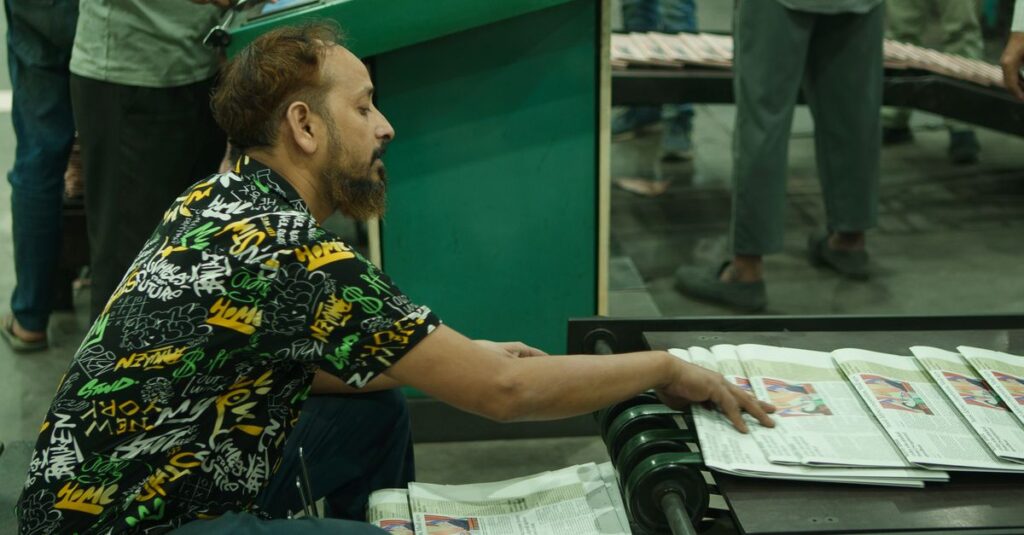
Capacity matters, too. A factory that can produce 30,000 to 40,000 notebooks a day is a very different beast from a small workshop. It means they have systems. It means they can handle your school district’s annual order without breaking a sweat. But it also means you need to be sure they still care about the details in a run of 40,000 units. That’s the real test.
Expert Insight
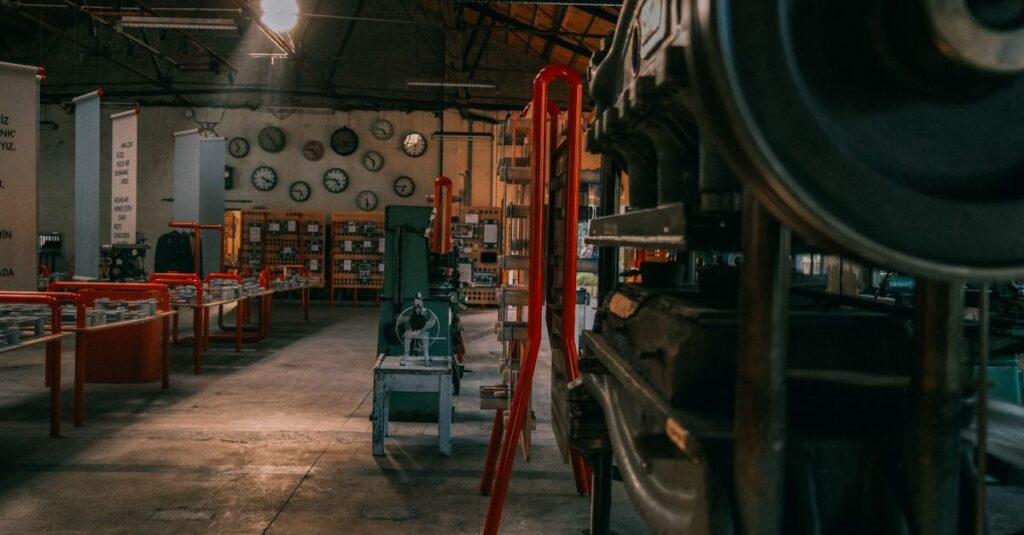
I remember reading an article years ago — in a trade journal, I think — about manufacturing psychology. The writer made a point that felt obvious once you heard it: the most reliable sign of quality in a factory isn’t the newest machine. It’s the condition of the floor. A clean, organized floor means someone is paying attention to everything. It means process matters. If they care about scrap paper on the floor, they care about the alignment of your logo on the cover. I don’t have a cleaner way to put it than that. It’s about a mindset, not just machinery.
The Real Cost of a Cheap Notebook
Let’s talk about money, because that’s why you’re here. The lowest price is tempting. I get it. Budgets are tight.
But cheap often means cutting corners. Thinner paper that ghosts. Weak adhesive in the binding. Inconsistent printing. You save a few rupees per unit, and then you deal with the complaints. For a school, it means replacing notebooks mid-term. For a business, it means your branded gift feels cheap in a client’s hands.
Think about it this way: the notebook is a touchpoint. A student uses it every day. An employee carries it to meetings. If it fails, that failure is associated with you, the buyer, and the organization you represent. The real cost isn’t the price on the invoice. It’s the trust you spend when the product doesn’t hold up.
I’ve heard this enough times now from procurement officers to know it’s not a coincidence. The ones who focus on value over just price sleep better. They build relationships with suppliers who see them as a partner, not just an order number. And that partnership means problems get solved before they land on your desk. If you’re evaluating options, looking at what consistent quality looks like is a good place to start.
A Quick Story, Because It Matters
Anita, 42, is the procurement head for a network of private schools in Hyderabad. Her order last year was for 15,000 custom notebooks — school emblem, specific four-ruled pages for younger grades. The previous supplier delivered covers where the emblem was printed slightly off-center. Not by much, but enough that it looked sloppy. She had to argue for a partial refund, placate principals, and still use the books. The stress was tangible. This year, she spent three months vetting new manufacturers, asking for samples of the actual print run paper, not just glossy promos. She told me the relief she felt when the first pallet arrived and every single cover was crisp and perfect was “better than a holiday.” It wasn’t about the notebooks. It was about not having to have a difficult conversation.
Anyway. The point is, the details are the whole job.
What You Should Do Next (No Fluff)
If you’re sourcing notebooks — whether for 500 students or 5000 employees — your process probably needs one adjustment.
Get physical. Don’t just look at PDFs or prices on a screen. Request a dummy sample. This is a blank version of the notebook, made with the exact paper, cover stock, and binding you’re ordering. Write in it. Flip through it. Bend it. See how it feels. A reputable manufacturer will provide this without hesitation.
Ask about their lead time for samples versus their lead time for production. If they can whip up a sample in two days but need eight weeks for the full order, that tells you something about their planning and capacity.
And be specific about your packaging and delivery needs. Are these going to a central warehouse or directly to 50 different schools? How are they bundled? This is where logistics headaches are born or avoided.
The goal isn’t to find the cheapest. It’s to find the one where you don’t have to worry after you click “send” on the purchase order. You want the notebook to be the last thing on your mind, because it just works.
Frequently Asked Questions
What is the most common notebook size for schools?
In India, the Long Notebook (approx. 27.2 cm x 17.1 cm) and the Crown Size are the most common for middle and high school. For primary students, the smaller Short Notebook (19.5 cm x 15.5 cm) is often easier to handle. The “best” size depends entirely on the age group and the subject.
What does GSM mean for notebook paper?
GSM stands for Grams per Square Meter. It’s the weight and, indirectly, the thickness of the paper. A standard 54-60 GSM paper is ideal for everyday writing with a pen or pencil — it feels substantial without being too thick. Lower GSM feels flimsy and might let ink show through.
What is the most durable binding for heavy-use notebooks?
For notebooks that will be opened and closed hundreds of times — like student notebooks or field journals — stitched binding is typically the most durable. The threads hold the pages securely, and the spine can flex without breaking. Spiral binding is also very durable for flat-laying use, but the coil can get bent.
How long does it take to get custom printed notebooks?
It depends on the complexity and the manufacturer’s queue. For a standard custom print run (logo on cover), you should budget 4-6 weeks from final design approval to delivery. This includes time for creating a proof, producing samples for your OK, and the full production run. Always ask for a timeline breakdown.
Can I order a mixed set of different notebook types?
Yes, most bulk manufacturers offer this. For example, a school might order a mix of single-ruled, four-ruled, and unruled notebooks in different sizes for different grades. The key is clear communication and a single, consolidated order to streamline logistics and potentially get better pricing.
Wrapping This Up
A notebook is a simple tool made complex by the needs behind it. For you, the buyer, it’s not about stationery. It’s about reliability, value, and avoiding a thousand small problems. The right choice isn’t the one with the most features; it’s the one that disappears — it just works, day after day, without you having to think about it.
I don’t think there’s one perfect answer here. Probably there isn’t. But if you’ve read this far, you already know what you need — you’re just figuring out who can deliver it without the drama. And honestly? That’s the whole job. If you want to talk specifics about what that looks like for your order, starting a conversation is the only way to find out.