Look, You're Probably Overthinking This
You need notebooks. Hundreds of them. Maybe thousands. For the school district, for the next corporate event, for the wholesale order that's due in six weeks. You Google 'printing shop' and a hundred websites pop up, all saying the same thing about quality and service. And you're left thinking — okay, but what do I actually get for my money? What happens after I send the logo file?
It's not just about ink on paper. It's about binding that doesn't fall apart after a month of being shoved in a backpack. It's about paper that doesn't bleed through when someone uses a pen. It's about hitting a per-unit cost that makes your budget work. Most people think a printing shop is just a room with a big machine. It's more like a small, very precise factory. And if you pick the wrong one, you're stuck with a pallet of notebooks nobody wants to use.
Anyway. Let's just talk about what these places actually do. Because the difference between a good shop and a bad one is pretty stark.
So, What Is a Printing Shop, Really?
Right. In the simplest terms, it's a business that puts your stuff onto other stuff. Text, logos, designs — onto paper, covers, boxes. But here's where it gets messy. The word 'shop' makes it sound small. Like a retail copy center where you get flyers. For bulk notebooks, you're not dealing with a shop. You're dealing with a manufacturer.
Think about it this way. A real notebook manufacturing unit has to handle:
- Paper Sourcing & Storage: Rolls of paper, specific GSM, stored properly so it doesn't warp.
- Pre-Press: This is where your design gets checked, color-separated, plates made. A single mistake here and every notebook is wrong.
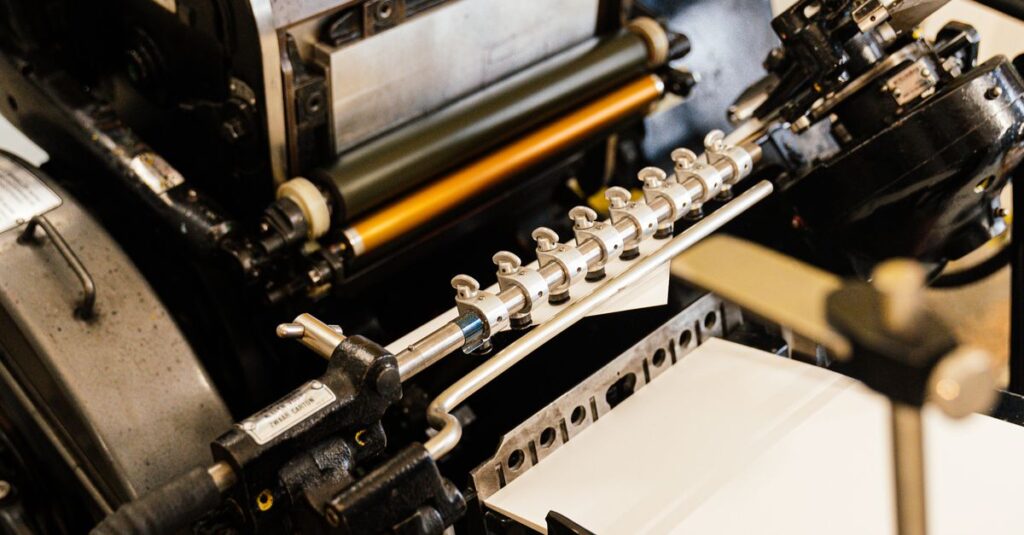
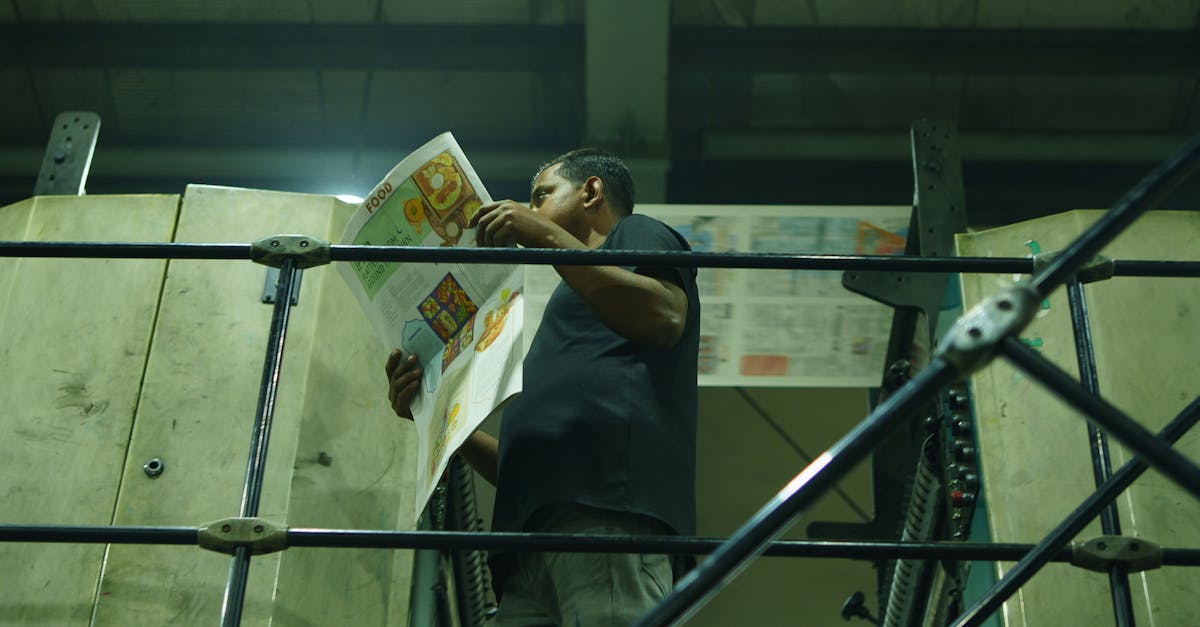
- Printing: Big offset machines, not just desktop printers. They run for hours, sheets flying through.
- Finishing: Cutting, folding, stitching or spiral binding, adding covers.
- Packaging & Dispatch: Boxing them up, palletizing, getting them to you.
It's a chain. And if one link is weak — like a cutter that's not calibrated — you get uneven edges. Drives teachers nuts, actually. I've heard it.
And honestly? The best ones don't just wait for your order. They help you figure out what you need. Page count, paper weight, ruling type — it all affects cost and durability.
The Anatomy of a Job: From Your Email to the Delivery Truck
Let's say you're a procurement manager for a chain of coaching centers. You need 10,000 200-page notebooks with a custom cover. Here's what should happen.
First, someone who knows what they're doing looks at your file. Not just a sales guy. A prepress technician. They check the resolution, the bleed margins, the color profile. If it's a JPEG you pulled from the website header, they'll tell you it'll print blurry. This step — it's the most overlooked. And it's where problems are born.
Then the paper is loaded. For 200 pages, you're likely looking at a 70 GSM paper or higher. Thinner, and the ink shows through. The printer is set up. This isn't a button press. It's running test sheets, checking color consistency, making sure the registration is perfect (that means everything lines up).
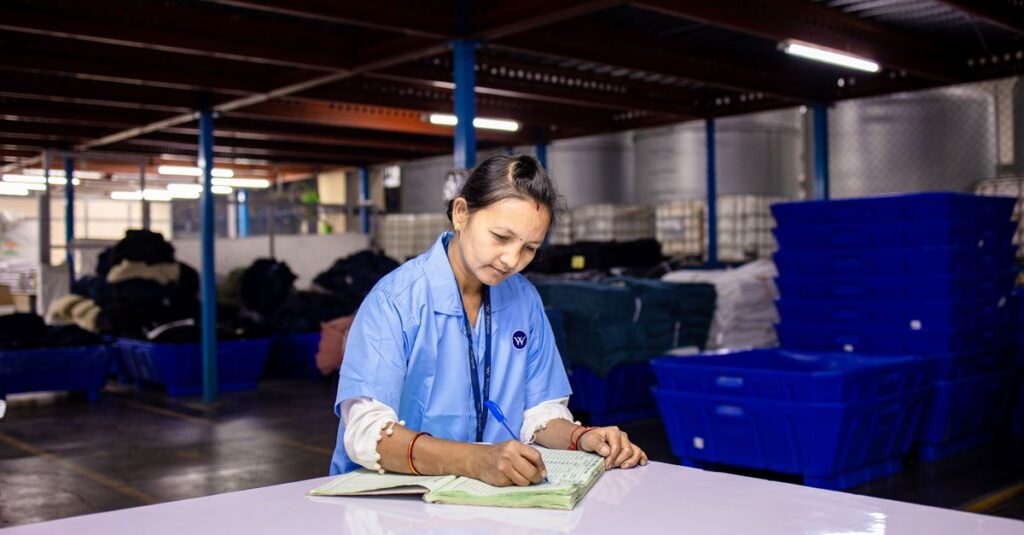
After printing, the sheets are cut and collated — gathered in the right order. Then to the binding line. Stitched, or maybe perfect-bound for a cleaner look. The cover gets wrapped on. Then a final trim. Then quality check. Random notebooks pulled from the line, checked for flaws.
Finally, boxing. 50 notebooks per box, boxes on a pallet, stretch-wrapped. Shipping paperwork. Done.
Seems straightforward. But the speed, the lack of waste, the consistency — that's what you pay for. A bad shop has piles of wasted paper in the corner. A good one has a clean floor.
Expert Insight
I was talking to one of our production guys last month — Suresh, he's been running the offset machine since before I was born — and he said something obvious that stuck with me. He said the biggest difference between a good batch and a bad one isn't the machine. It's the attention between steps. Letting the ink dry properly before cutting. Letting the glued binding set before trimming. Rushing it saves an hour and ruins a week's work. "We don't make notebooks," he said. "We make time. For the student who doesn't have to copy notes because the page ripped out." I don't have a cleaner way to put it than that.
Beyond Flyers: What a Real Manufacturing Shop Offers
Most people's mental image of a printing shop is A4 flyers and business cards. For bulk notebooks, you need to look for specific capabilities. If they can't do these things, walk away.
Customization Beyond the Logo: It's not just slapping your logo on a standard notebook. Can they change the ruling on the pages? Add a header/footer on every sheet? Print a custom inside cover page with instructions or a calendar? This is where working with a specialist pays off.
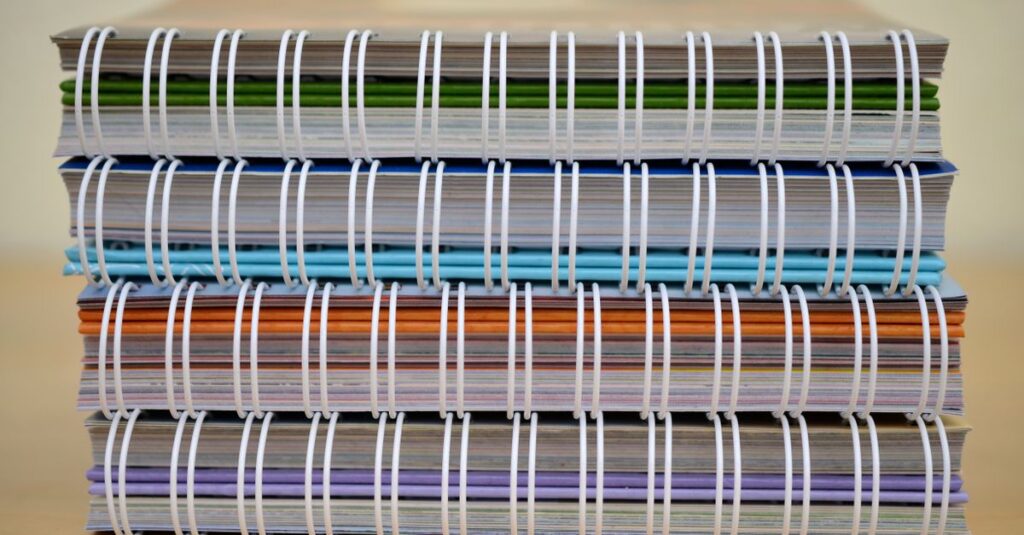
Binding Options: Stitched binding is classic and durable. Spiral binding lets the book lie flat — great for art or technical subjects. Perfect binding gives a sleek, book-like look but isn't as tough for rough use. A good shop will ask how the notebook will be used and recommend accordingly.
Paper Knowledge: This is critical. 54 GSM is standard for school exercise books. 70 GSM feels more premium, less see-through. 90 GSM is for serious sketching. A shop that just says 'paper' doesn't know. A shop that asks about pen type (ballpoint vs. fountain?) knows.
Volume Handling:
This is the real test. Can they handle 50,000 units and deliver them in consistent batches? Do they have the warehouse space for your paper? The logistics for shipping nationwide — or exporting? The difference between a 'printer' and a 'manufacturer' is often just scale. A manufacturer plans the whole run like a military campaign. Let me break this down simply. You're probably choosing between two types of suppliers. Here's what that looks like on the ground. The takeaway? If you need 500 notebooks for a conference, maybe the local guy works. If you need 5000 notebooks for the next academic year, you're in manufacturer territory. It's a different planet. Here's the thing nobody says out loud. When you're procuring for an institution, your neck is on the line. If the notebooks show up late, or the quality is bad, or the count is wrong — that's on you. It's not just a purchase order; it's a reputation. A real manufacturing shop understands that. They're not a vendor; they're a supply partner. They should be able to tell you the lead time for 10k units down to the week. They should provide a physical sample before you commit to the full run. They should have a clear process for if something goes wrong. I think about this a lot — the number of times we've gotten a panicked call from a school admin in July because their usual supplier flaked. The academic year starts in two weeks. The silence on the other end of the phone when you tell them you can swing it? That's the whole job. It's not manufacturing. It's reliability. A Quick Story: Ravi, 42, procurement head for a mid-sized IT company in Hyderabad. He needed 5,000 branded diaries for the New Year giveaway. His previous supplier delivered them on December 28th. The binding was weak. He had a team of interns trying to reglue them by hand on the 29th. He called us the next year in October. "Just… don't let that happen again," he said. We didn't. The diaries were in his warehouse by November 15. He's called every October since. That's it. That's the business. Don't just ask for a price list. Anybody can email you a PDF. Ask these questions instead. The answers will tell you everything. Their reaction to these questions is as important as the answers. Confidence is good. Over-promising is bad. A thoughtful pause while they consider is perfect. Look, at the end of the day, a printing shop for notebooks isn't a magical place. It's a system. A good one is a smooth, predictable system that takes your stress away. A bad one adds to it. You need consistency. You need a point of contact who answers the phone. You need to know that what you approved in the sample is what will show up on the pallet. That's not a luxury. It's the baseline. I don't think there's one perfect supplier for everyone. But there is a right type of supplier for your scale and need. Figure out which side of that table you're on. The rest gets simpler. If you're sourcing in bulk and this resonates, it's probably worth a conversation. Even if just to get a sample and compare. A local printing shop is geared for small, quick jobs like flyers or brochures. A notebook manufacturer specializes in bulk production of bound stationery. They handle the entire process from paper sourcing to printing, binding, and bulk shipping, offering much lower per-unit costs and deeper customization for large orders. Focus on durability and consistency. Ask about binding methods (stitched is best for heavy use), paper GSM (54-70 GSM is standard), and their quality check process. Crucially, get a physical sample of their previous work and ask for their lead time for an order your size. A reliable shop won't hesitate to give you clear answers. You provide your design files (logo, artwork). The shop's pre-press team checks them for print readiness. Then, large offset printers run the designs onto giant rolls of paper, which are cut, collated into pages, bound (stitched, spiral, etc.), and trimmed. The covers are applied, and the finished notebooks are packed. It's a multi-step factory process, not just a single print run. A true notebook manufacturer can. This means producing notebooks with your brand name on the cover, your chosen specifications inside, and no mention of their company anywhere. It's called OEM or private label manufacturing. A small copy shop typically cannot offer this; they'll just print your logo on their existing notebook stock. Two big ones. First, not getting a physical sample before the full run. Second, providing low-resolution logo files that look fine on screen but print blurry. Always send vector files (like .AI or .EPS) or high-resolution PDFs. Also, not clarifying who handles shipping and what the defect policy is can lead to headaches later.Not All Shops Are The Same: A Quick Comparison
Feature
Local Print/Copy Shop
Notebook Manufacturer (like us)
Primary Focus
Small-run jobs, marketing materials, quick copies.
Bulk production of bound stationery items.
Order Volume
Best for 10s to 100s of units.
Optimized for 1000s to 100,000s of units.
Paper & Material Sourcing
Buys pre-cut sheets retail. Limited variety.
Sources paper in large rolls direct from mills. Full control over GSM & type.
Binding Expertise
Usually only spiral or simple stapling.
Specialized in stitched, perfect, and spiral binding for durability.
Customization Depth
Usually just cover printing.
Can customize cover, inside cover, page ruling, headers/footers, etc.
Cost Structure
Higher per-unit cost, no volume efficiency.
Drastically lower per-unit cost for bulk orders.
Ideal For
Small office orders, one-off events.
Schools, institutions, corporations, distributors, exporters.
The Unspoken Thing About Trust & Long-Term Supply
What To Actually Ask When You're Looking
Wrapping This Up
Frequently Asked Questions
What is the difference between a printing shop and a notebook manufacturer?
What should I look for in a printing shop for bulk school notebooks?
How does custom notebook printing actually work?
Can a printing shop handle my private label or OEM notebook order?
What are the most common mistakes when ordering from a printing shop?